
Edwardian Oak Lighting
Edwardian oak lighting brings architectural warmth to a room through robust timber and functional design.
Edwardian Oak Lighting
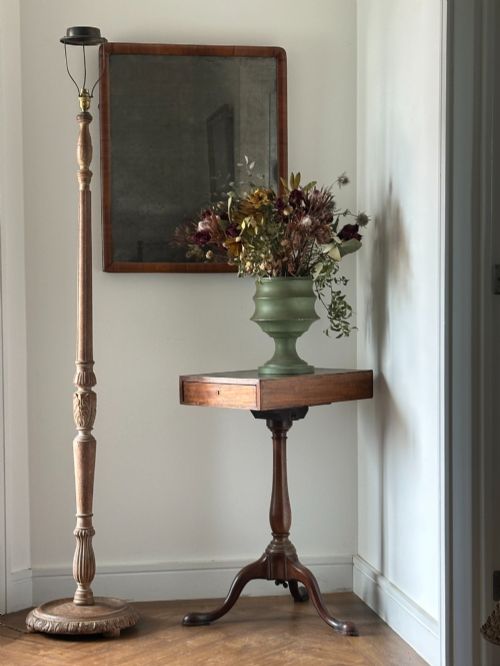
When you search for edwardian oak lighting, you encounter utilitarian fittings and floor-standing pieces built from sturdy timber. The selection spans the early twentieth century, drawing on Arts and Crafts ideals.
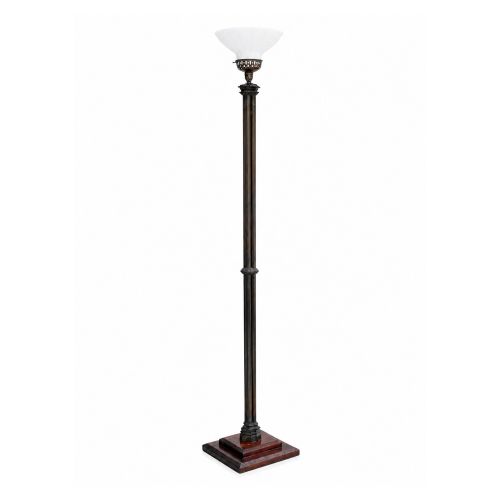
Floor lamps and table lamps dominate the form, often accompanied by related items like candlesticks and desk accessories. The pieces reflect the domestic priorities of the period, favouring solid construction and honest materials.
Makers utilised oak alongside brass and glass to create functional illumination for homes. These items bridge the gap between Victorian ornamentation and later modernist simplicity.
How they were made
Craftsmen shaped solid oak using traditional joinery, sometimes applying a limed or waxed finish to the grain. Metal components in brass and iron provided structural support and contrast against the timber.
Turning and carving were common techniques applied to standards and candlesticks, giving them column-like proportions. Shades and fittings incorporated glass and fabric elements to diffuse light effectively.
Listings for this phrase include oak, brass, glass, and fabric across styles ranging from Arts and Crafts to Gothic Revival.
What varies in quality
The standard of carving and the selection of figured oak timber distinguish finer examples from standard production pieces. A well-proportioned standard lamp relies on balanced weight distribution and careful turning.
Original brass fittings and integrated metalwork details elevate the execution of a piece. The treatment of the timber surface, whether waxed or limed, indicates the level of finish applied by the maker.
Heals·F Sage And Co·Globe Wernicke·Shapland And Petter·Minty
The Edwardian Oak Lighting Glossary
- Edwardian
- A stylistic period spanning the reign of King Edward VII, noted for a lighter domestic aesthetic than the preceding Victorian era.
- Arts and Crafts
- A design movement prioritising traditional craftsmanship, visible construction, and simple forms.
- Limed oak
- A finishing technique where a white compound is rubbed into the grain of oak to lighten its appearance.
- Standard lamp
- A tall floor-standing lamp designed to illuminate a room from a corner or beside seating.
- Gothic Revival
- An architectural and decorative style incorporating medieval motifs like trefoils and pointed arches.
Edwardian Oak Lighting: Frequently Asked Questions
What is edwardian oak lighting?
These items comprise floor lamps, table lamps, and candlesticks produced around the early twentieth century. They utilise solid oak timber alongside brass and glass components.
The designs align with Arts and Crafts principles, focusing on sturdy construction and practical illumination for period interiors.
How do I style an oak floor lamp?
Place a standard lamp beside seating or in a corner to provide ambient illumination in a traditional room. The warm tone of the oak pairs well with neutral textiles and vintage furnishings.
Keep surrounding furniture simple to let the turned timber grain and brass details remain the visual focus.
How do I identify edwardian lighting?
Look for honest construction methods, solid oak frames, and minimal surface ornamentation typical of the early 1900s. Brass hardware and turned wooden shafts are common characteristics.
The aesthetic sits between heavy Victorian designs and cleaner interwar styles, often sharing traits with Arts and Crafts output.
Were these lamps electrified originally?
Many surviving floor lamps and table pieces from this era were adapted or wired for electricity as domestic power became widespread. Candlesticks retained their primary function for holding wax candles.
Buyers often find examples fitted with modern wiring for safe daily use while retaining their original timber standards.