
Antique Wooden Floor Light
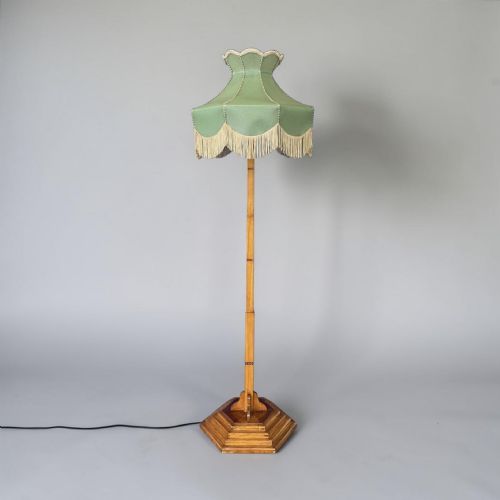
An antique wooden floor light brings height and warmth to a room, shifting from nineteenth-century candle stands to nineteen-twenties standard lamps.
Antique Wooden Floor Light
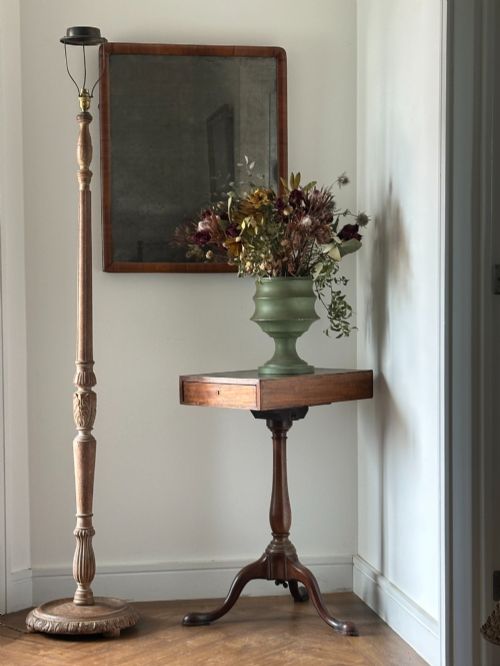
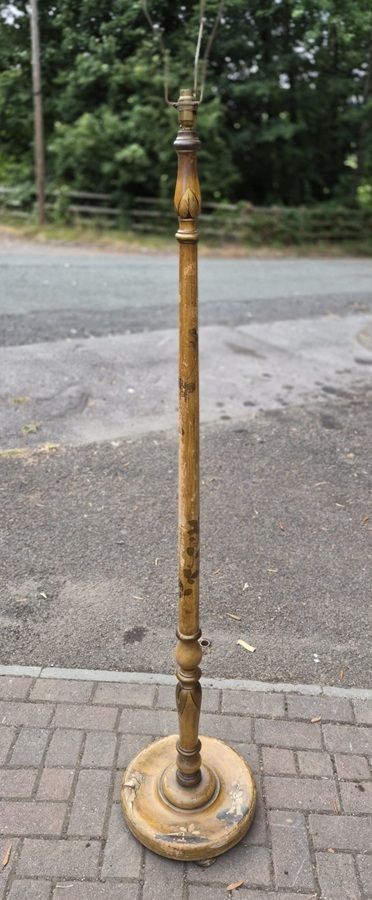
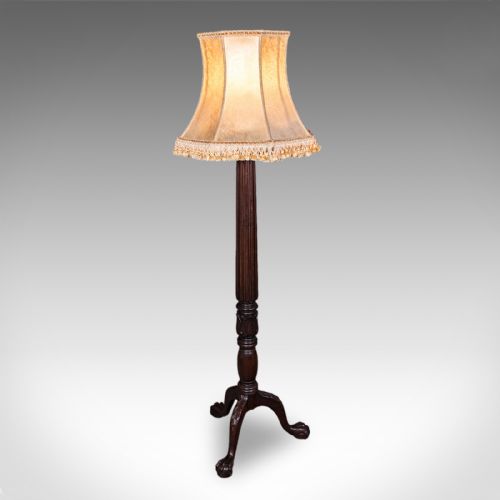
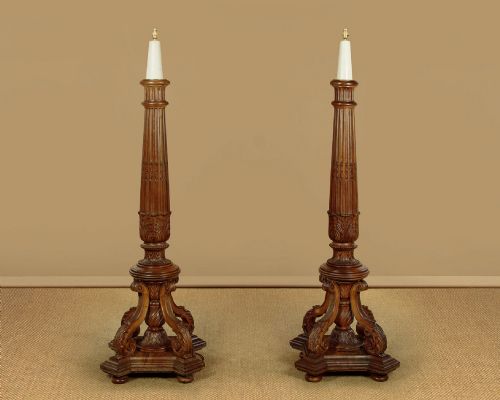
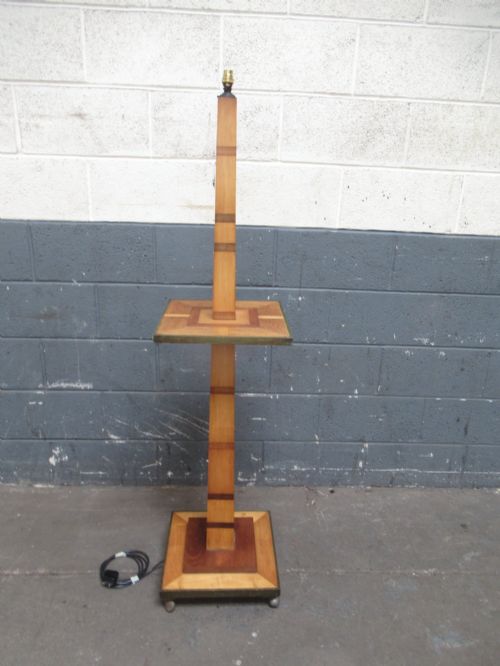
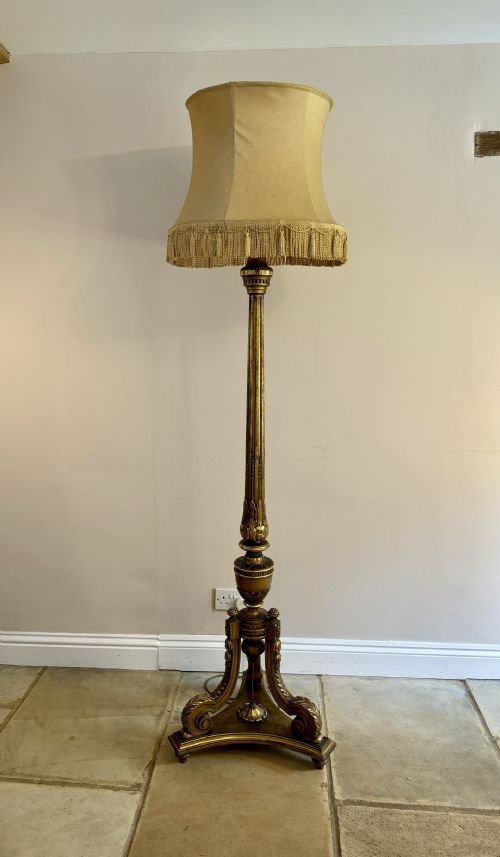
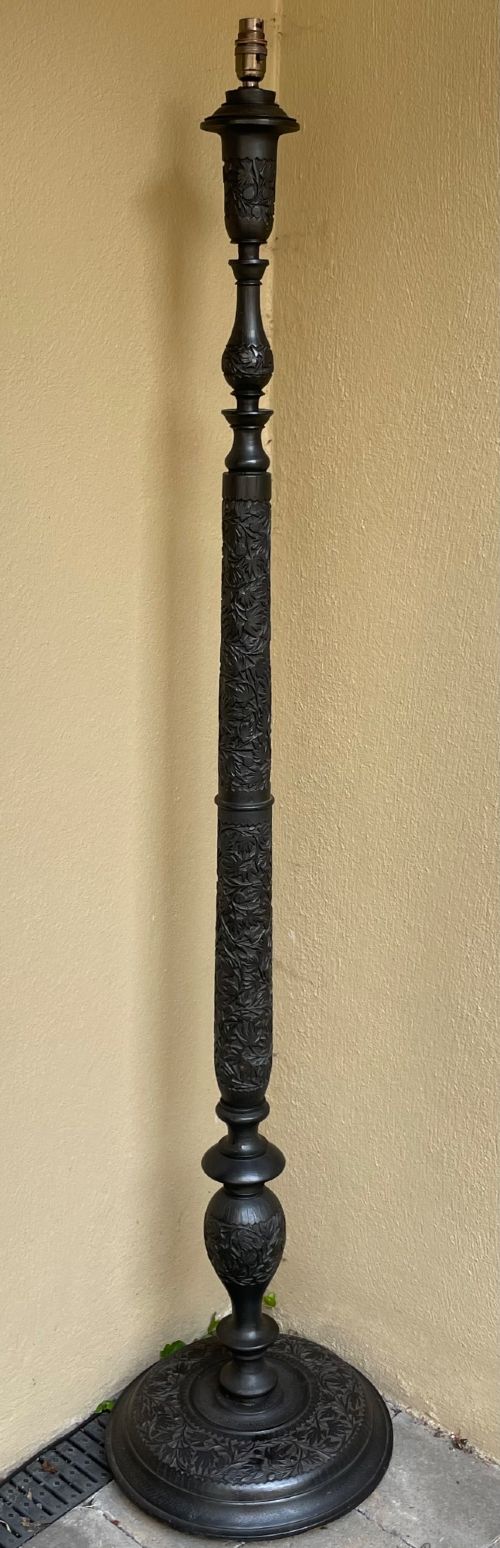
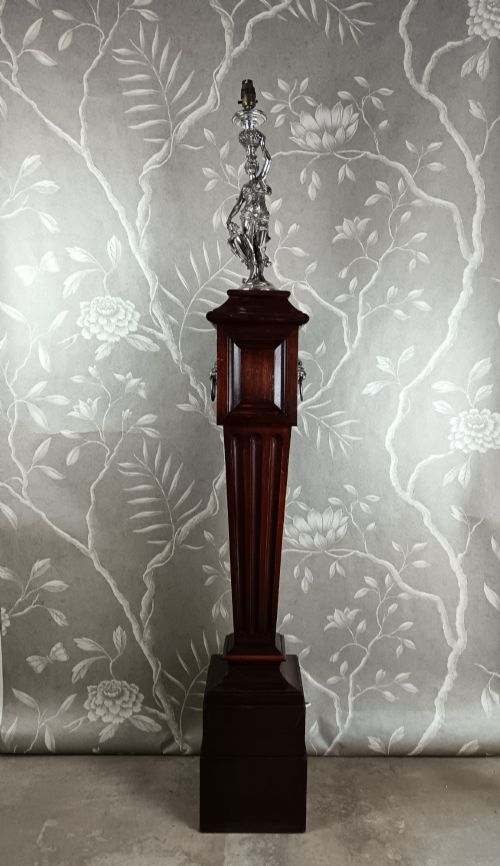
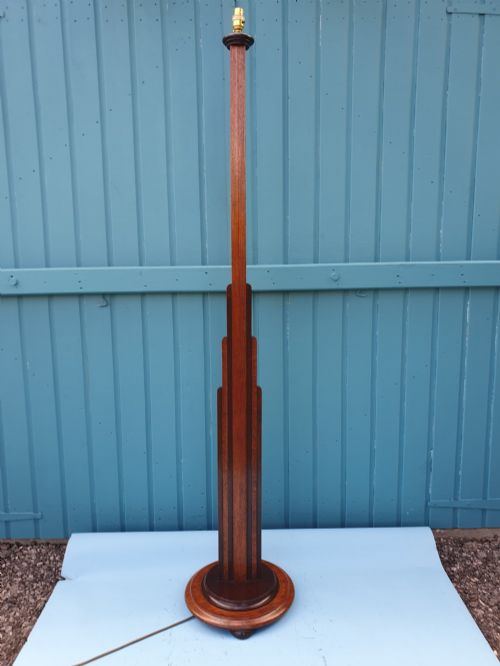
When you search for an antique wooden floor light, you encounter tall vertical pieces designed to illuminate a corner or frame a seating area. These range from heavy nineteenth-century carved mahogany standards to nineteen-thirties walnut and oak designs.
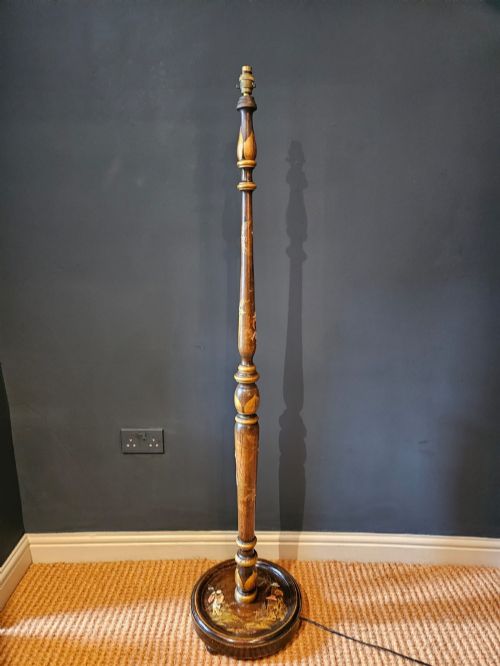
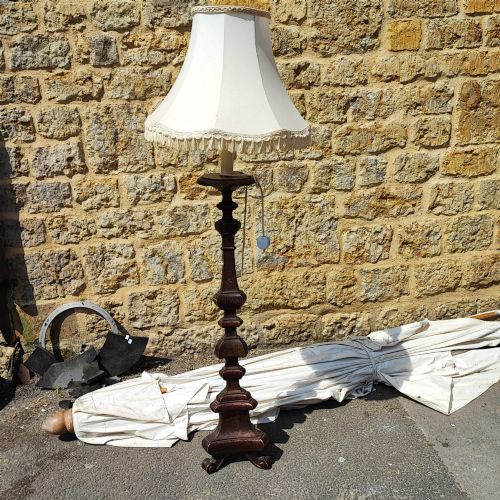
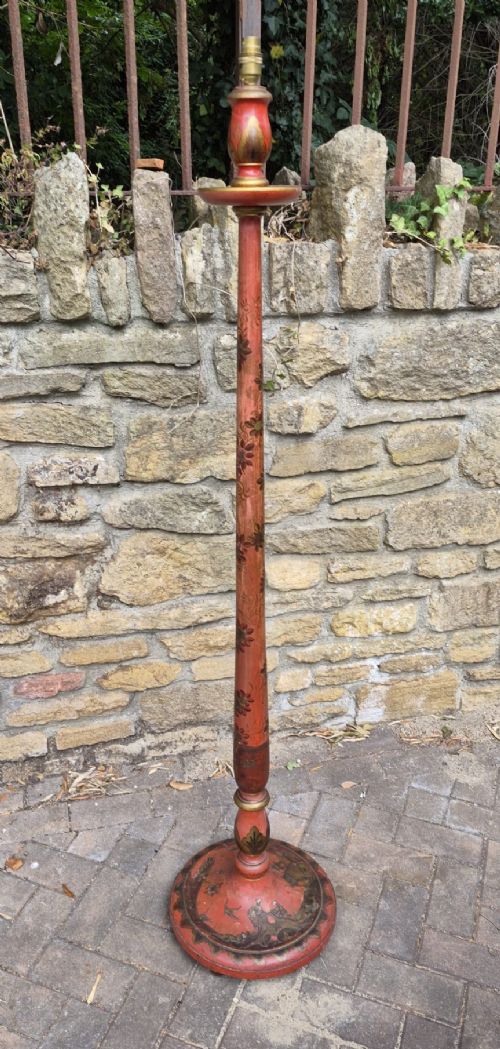
The selection here includes standard lamps, standard lamp bases converted for electricity, and converted torcheres or candle stands. Many pieces date from the nineteen-tens and nineteen-twenties, incorporating styles such as Art Deco, Chinoiserie, and Edwardian craftsmanship.
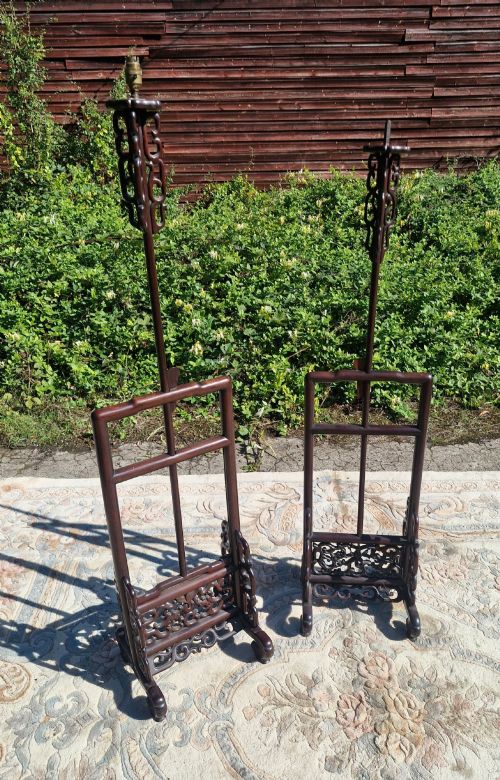
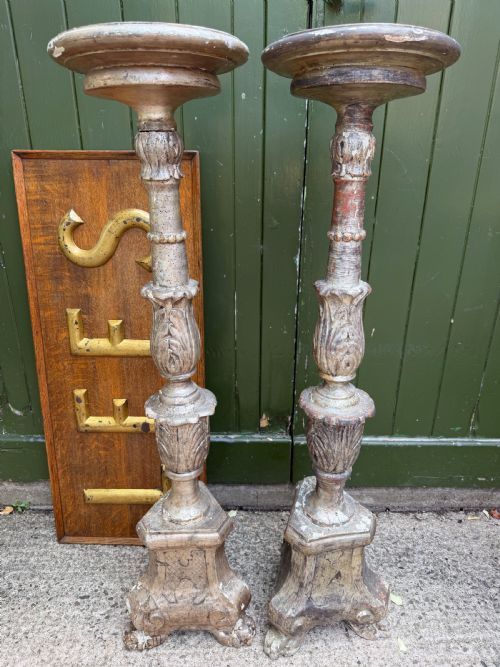
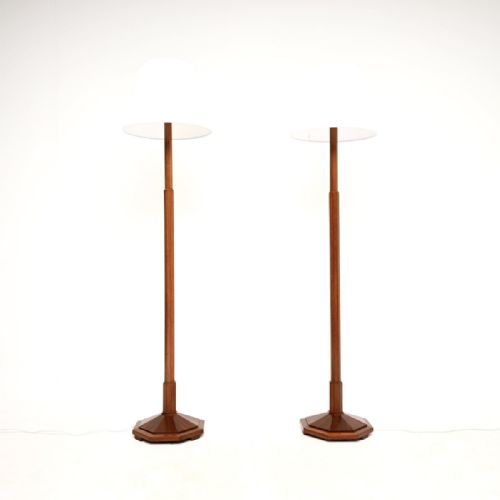
Origin and form vary widely across the inventory, spanning English cabinetwork, Italian carved pinewood, French ebonised finishes, and Anglo-Indian production. You will find single lights as well as matched pairs suitable for balancing a larger interior space.
How they were made
Makers shaped these vertical structures from hardwoods including mahogany, oak, walnut, and pine, often employing lathe work to create barley twists or slender tapered columns. Structural stability required heavy weighted bases or wide tripod feet to support the height of the standard.
Surface treatment defines much of the visual character, combining hand-carving with decorative painting, ebonising, parcel gilt, or silvering. Chinoiserie examples layer painted decoration over coloured grounds, while others rely on the natural grain of blond walnut or limed oak.
Among the tall wooden columns and gilt figures stands a carved Black Forest bear holding a lamp.
What varies in quality
Quality rests upon the crispness of the hand-carving and the integrity of the timber selection, where dense figured walnut or dense mahogany outlasts softer pine structures. Proportion between the slender column and the supporting base dictates the visual balance of the piece.
The sophistication of the surface finish separates standard production from exceptional examples, particularly in the execution of polychrome paintwork, gilt leaf application, or intricate Chinoiserie motifs. Original components and unified design across a matched pair elevate the standing of the work.
WMF
The Antique Wooden Floor Light Glossary
- Torchere
- A tall stand originally intended to carry a candle or torch, frequently converted to take an electrical standard lamp fitting.
- Standard lamp
- A freestanding floor-standing lamp base designed to hold a light bulb and shade at height.
- Chinoiserie
- European decorative style employing imitation Chinese motifs, often featuring hand-painted figures and landscapes on lacquered or painted wood.
- Barley twist
- A woodworking technique turning a column into a spiral resembling a twisted rope or stalk of barley.
- Giltwood
- Timber coated with a thin layer of gold leaf or gilt paint to create a reflective metallic surface.
Antique Wooden Floor Light: Frequently Asked Questions
How do I wire an antique floor lamp?
Most older standards accept modern internal wiring routed through the central column without altering the exterior timber. A qualified electrician should install modern flex and lampholders that match the scale of the standard.
Safety is paramount when dealing with vintage wiring, so existing internal cables are typically replaced entirely before regular use in a modern home.
What is the difference between a torchere and a standard lamp?
A torchere originates as a tall, slender stand for a single candle or decorative ornament, while a standard lamp is specifically built to house electrical wiring and a shade. Many torcheres are later adapted to function as floor lights.
Both serve similar roles in elevating a light source above furniture level, though torcheres often feature more pronounced hand-carved figural or columnar details.
How do I choose a shade for an antique wooden standard?
Proportion dictates the choice of shade, ensuring the diameter complements the heavy base and the height of the column. Traditional fabric or silk shades match the period aesthetic of nineteen-twenties and Edwardian standards.
Consider the weight and colour of the wood finish when selecting shade linings, as lighter interiors reflect more illumination into the surrounding room.
Can I use antique floor lights in pairs?
Matched pairs appear frequently among nineteen-hundreds walnut designs and Georgian mahogany pieces, offering symmetry for framing a fireplace or large piece of furniture. Single standards work well as isolated reading lights in corners.
When pairing unmatched lamps, matching the approximate height and timber tone helps maintain visual balance across the space.