

Antique Carved Oak Lamp
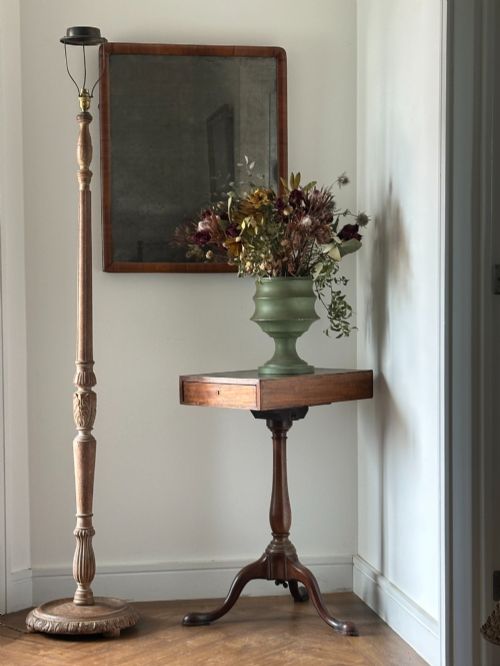
An antique carved oak lamp brings solid timber grain and hand-chiselled detail into a room.
Antique Carved Oak Lamp
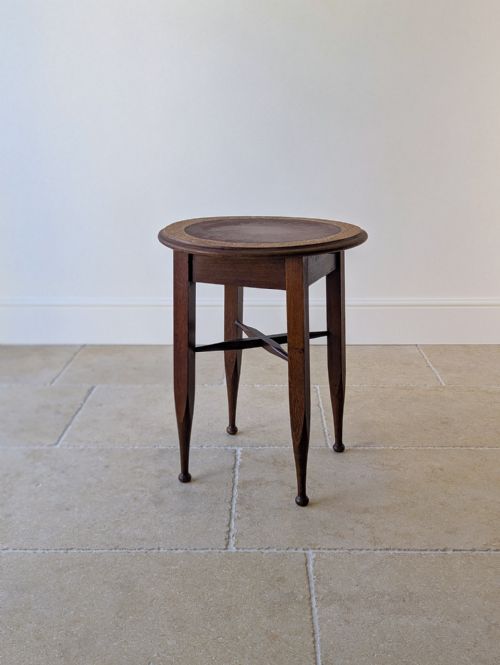
When you search for an antique carved oak lamp, you encounter pieces that range from standard floor lighting to small occasional tables adapted for illumination. The selection includes vertical floor standards and compact side surfaces designed to hold a light fixture.
The materials and periods span centuries, featuring solid oak, burr oak, and pollard oak alongside brass and fabric fittings. Pieces date from the seventeenth century through to the Edwardian era and the nineteen-twenties.
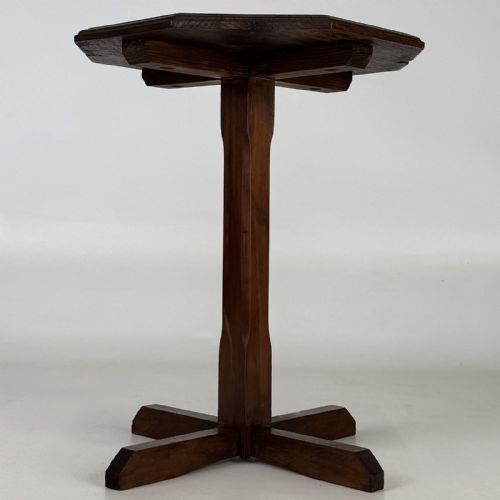
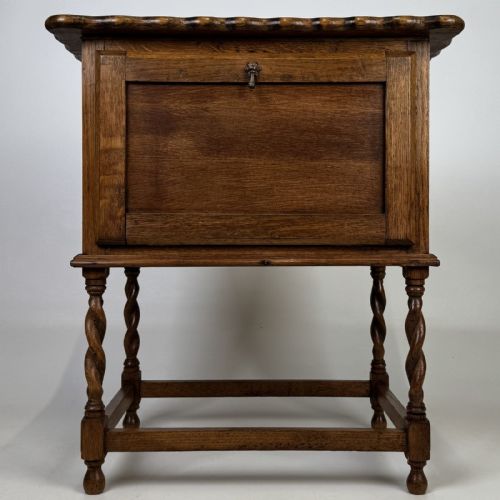
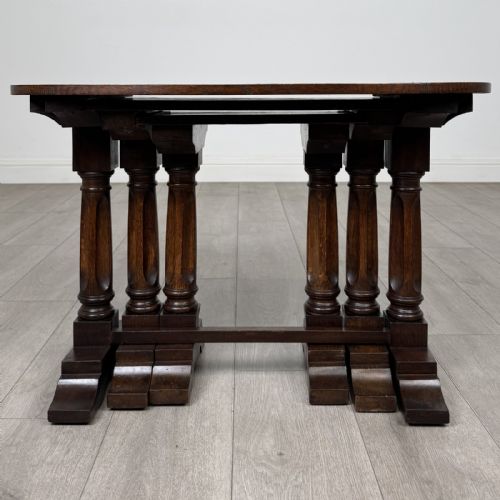
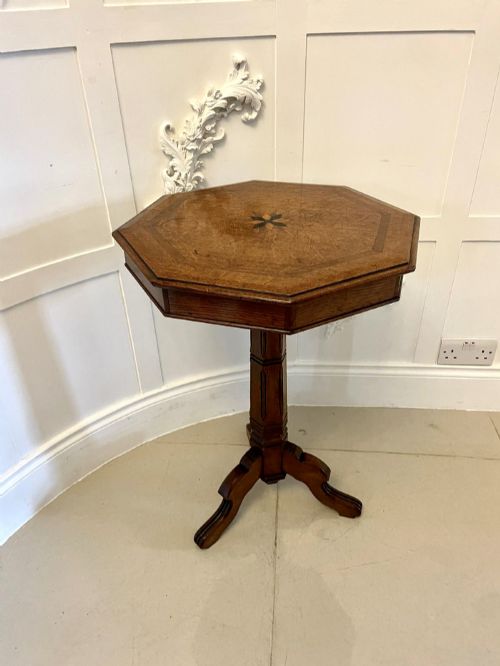
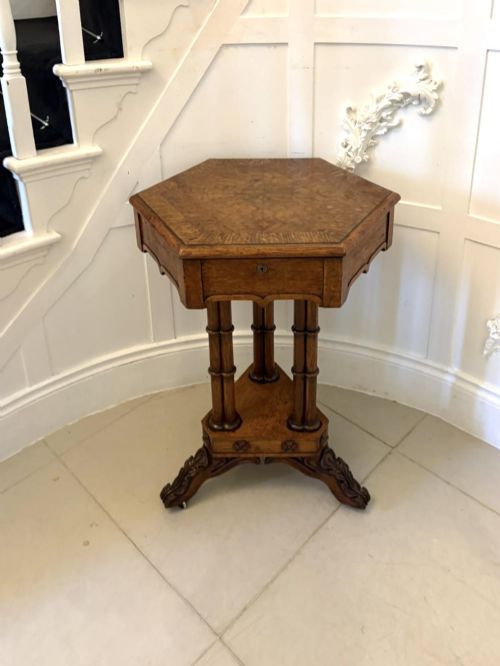
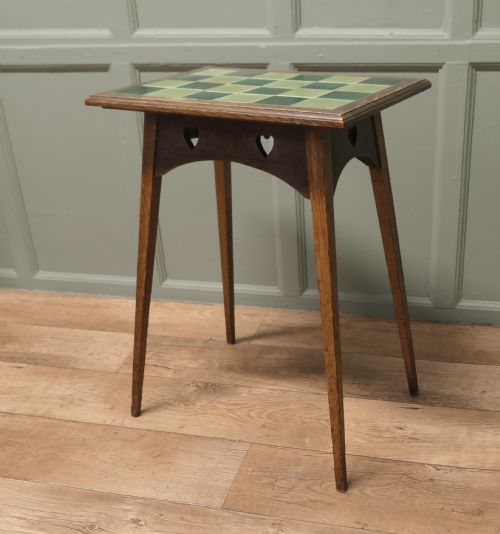
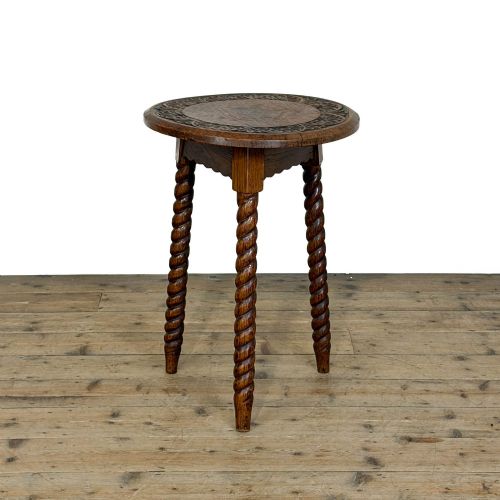
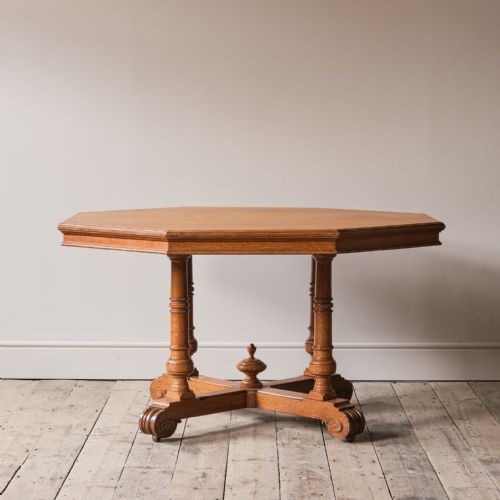
Stylistic influences vary widely, showing Jacobean Revival, Arts and Crafts, Gothic Revival, and English Country designs. Tables often double as lamp stands, incorporating tripod legs, barley twist columns, or carved octagonal tops.
How they were made
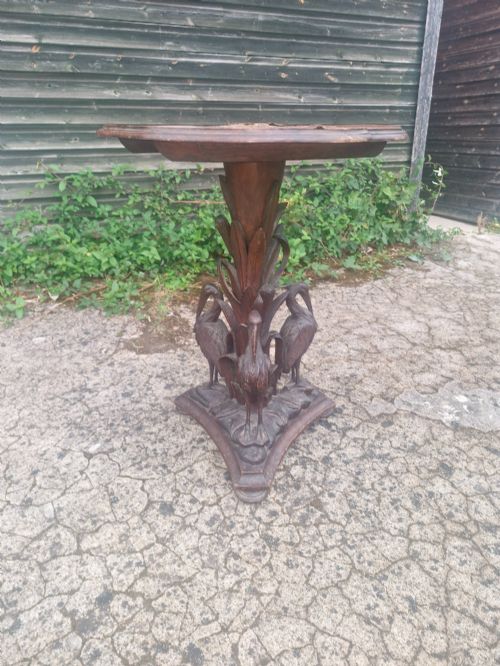
Carpenters utilised solid oak, burr oak, and pollard oak, shaping timber with hand chisels for deep relief carving. Structural joints relied on traditional pegged mortise and tenon construction to ensure stability in heavy furniture.
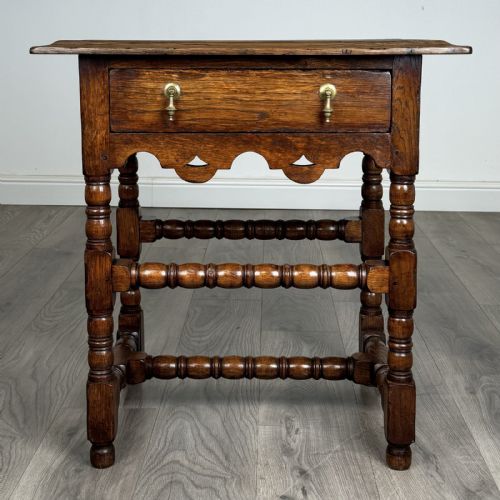
Vertical standards and table bases frequently incorporate turned elements like barley twist columns or bobbin shaping. Metal components such as brass fittings and glass shades complete the fixtures, paired with fabric for shades.
Listings feature oak items spanning from the 17th century through to the 1920s, incorporating brass, fabric, and glass components.
What varies in quality
The depth and crispness of the carving distinguish finer examples from plain production work. Sharp, well-defined foliage and geometric patterns show the hand of a skilled artisan rather than mechanical replication.
The choice of timber grain also dictates quality, with burr oak and pollard oak offering complex, decorative figuring compared to plain sawn boards. Construction methods reveal superior standards through tight, flush joints and retained original hardware.
Liberty and Co
The Antique Carved Oak Lamp Glossary
- Barley twist
- A turned column resembling a twisted rope, common in seventeenth-century and later revival furniture. This technique is achieved by cutting a spiral helix into the timber.
- Tripod table
- A small occasional table supported by three legs radiating from a central pillar. These pieces often feature tilting or fixed tops suitable for lamps.
- Pollard oak
- Timber taken from trees that have been pollarded, producing dense wood with highly decorative growth rings. Craftsmen utilise this grain for striking table tops.
- Lowboy
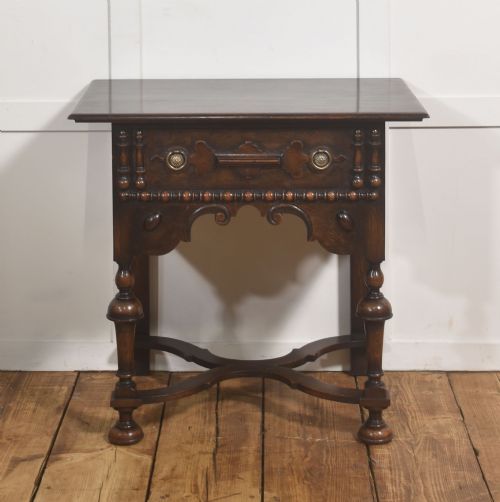
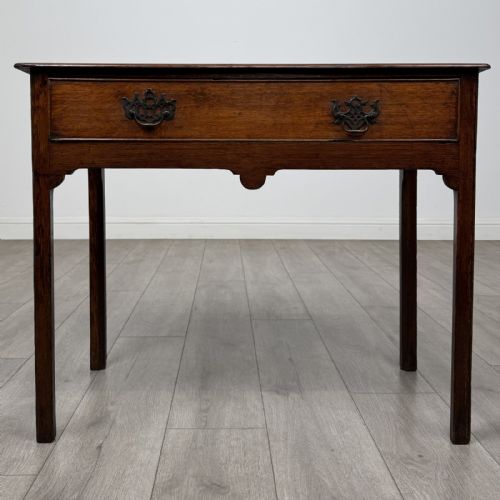
- A small oak table with drawers, originating in the eighteenth century and frequently used for surface lighting. The low proportions suit placement beside seating.
Antique Carved Oak Lamp: Frequently Asked Questions
How do I date an oak lamp?
Dating relies on examining the turning styles, carving motifs, and assembly marks present on the timber. Seventeenth-century pieces show bobbin or barley twist turns, whereas Edwardian and later revivals utilise machine assistance alongside hand work.
Hardware, such as screws and brass fittings, provides further clues to age. Original wiring or conversion evidence helps place the piece within the late nineteenth or twentieth century.
What is pollard oak?
Pollard oak comes from trees pruned close to the trunk to encourage dense, knotty branch growth. This pruning method creates highly figured wood grain used by cabinetmakers for decorative surfaces.
Tables featuring pollard oak display swirling patterns that contrast with straight-grained structural timbers. This material appears primarily on table tops and occasional furniture.
Where should I place an antique floor lamp?
Floor standards suit corners or seating areas where they provide ambient lighting without crowding the floor space. Solid oak construction gives them enough weight to stand securely on wooden floors or carpets.
Pairing these tall standards with period side tables creates a cohesive arrangement in a traditional study or living room. Ensure the shade proportions match the scale of the carved standard.
How do I care for carved oak furniture?
Maintain the timber by dusting regularly with a soft cloth and applying bees-wax sparingly to nourish the grain. Avoid placing oak pieces near direct heat sources or strong sunlight to prevent timber splitting.
Check joints periodically to ensure stability, particularly on older tripod tables and floor standards. Gentle cleaning preserves the patina accumulated over decades of use.