


Victorian Oak Lamp Table
A victorian oak lamp table brings solid timber warmth and functional surface space to a corner, combining nineteenth-century utility with enduring craftsmanship.
Victorian Oak Lamp Table
A victorian oak lamp table encompasses sturdy occasional, side, and centre tables designed to hold illumination devices and small objects within nineteenth-century domestic interiors.
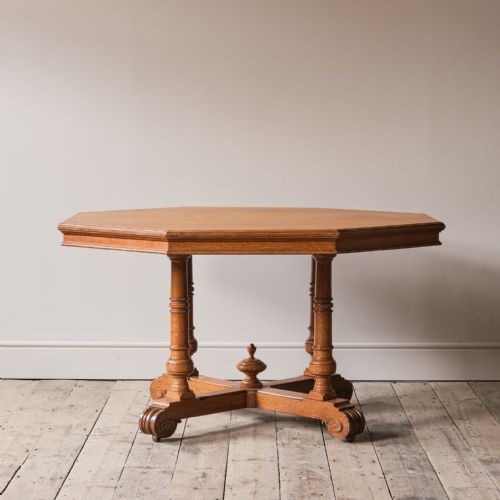
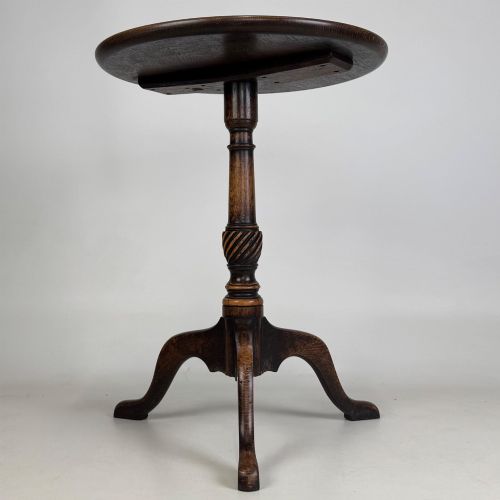
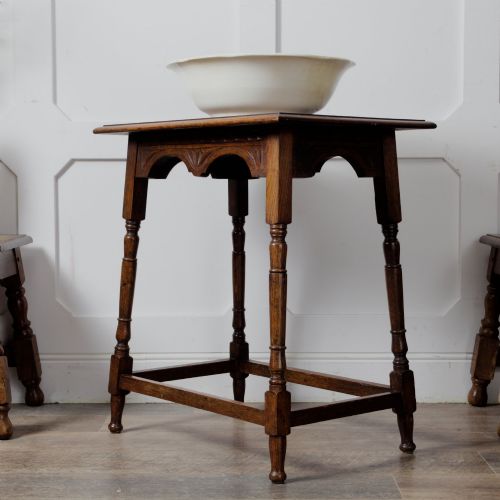
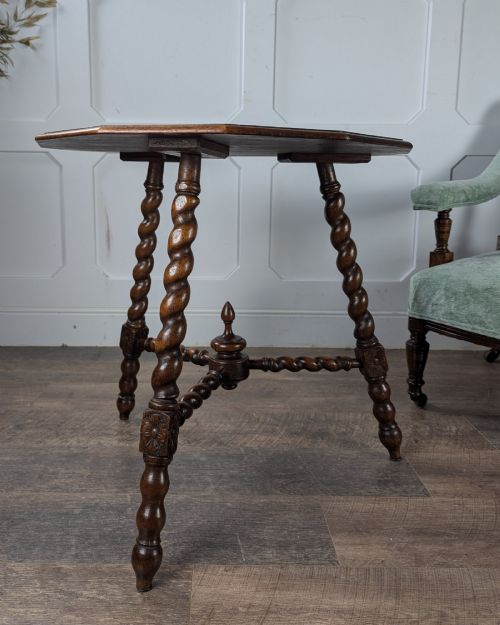
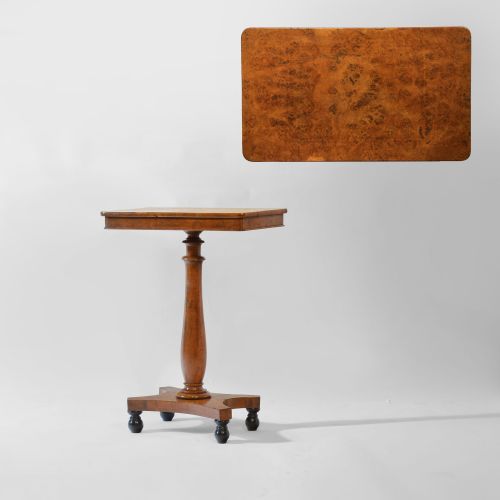
Buyers frequently encounter tripod designs, octagonal centre tables, and carved square formats originating across the Victorian era from the middle decades through to nineteen hundred.
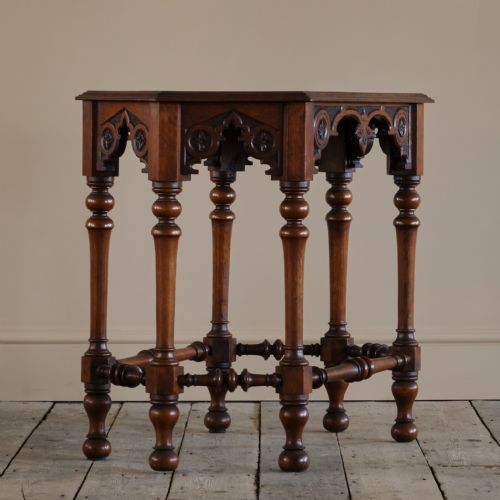
The evidence shows diverse adaptations, including Gothic Revival influences, Arts and Crafts minimalism, and utilitarian folding frames constructed from durable British hardwoods.
Materials and construction
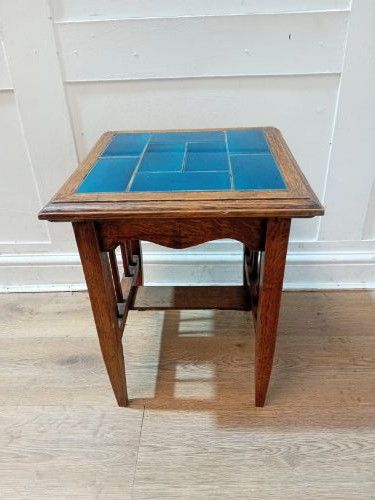
Makers utilised solid oak alongside figured variations like pollard and burr timber, often pairing the primary wood with brass fittings, ceramic tiles, or inset marble surfaces.
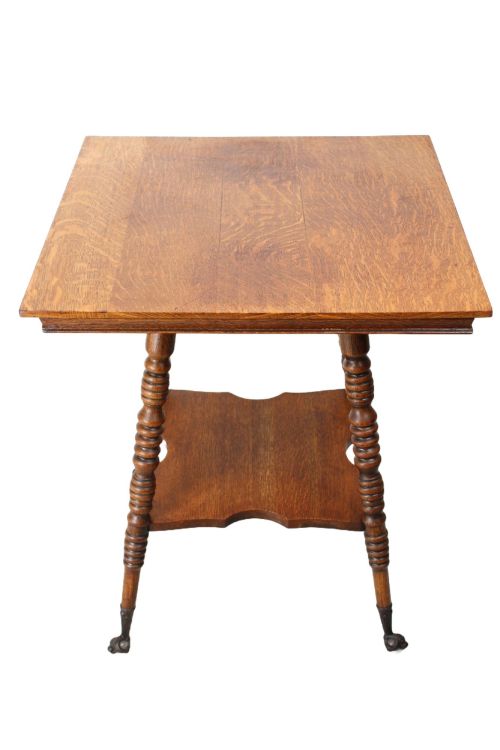
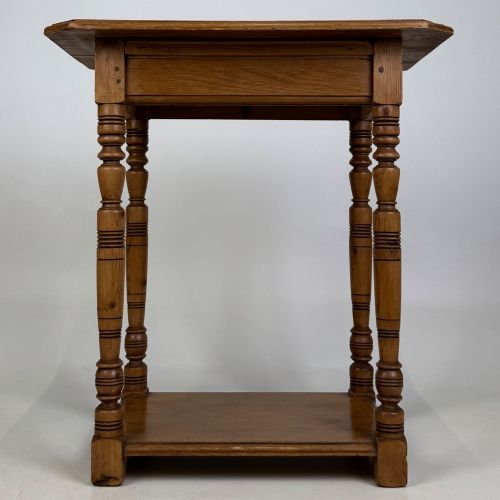
Construction techniques combine traditional joinery with hand-carved foliate detailing, turned barley twist legs, and pegged framing to ensure robust daily service.
Selected pieces incorporate auxiliary elements such as copper trays, ceramic inserts, and specialised revolving or tilt mechanisms for practical versatility.
Victorian Oak Lamp Table Retail Price Guide 2026
Typical asking prices for victorian oak lamp table among the pieces listed under this phrase on Sellingantiques today, from the lower quarter to the upper quarter. They describe what is for sale here now, not the wider market.
The material record shows solid oak paired with unexpected surfaces including Derbyshire fossil marble, ceramic tiles, and beaten copper.
Judging execution and finish
Quality rests upon the crispness of hand-carved details, the selection of figured timber grain, and the structural integrity of joints rather than decorative surface additions alone.
Superior examples demonstrate thoughtful proportion, stability in tripod or multi-legged frames, and the retention of original hardware without inappropriate later alterations.
Workshop origin influences evaluation, with documented makers displaying refined execution in turning, jointing, and surface finishing compared to anonymous vernacular pieces.
Liberty and Company·William Birch·Leonard Wyburd·Gillows·Holland and Sons
The Victorian Oak Lamp Table Glossary
- Tripod table
- A small freestanding table supported by a central pillar above three spreading legs. This format provides stable placement on uneven nineteenth-century floorboards.
- Barley twist
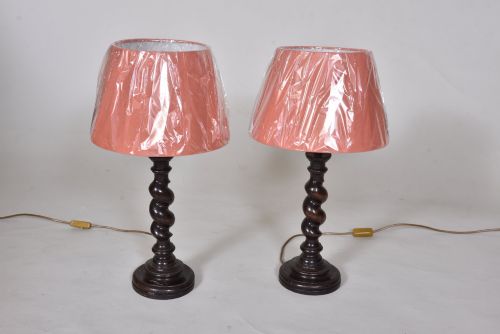
- A decorative turning technique resembling a spiralling rope column. It appears frequently on the upright supports of late nineteenth-century occasional furniture.
- Pollard oak
- Timber harvested from trees that were cut back near the trunk to encourage dense, highly figured branch growth. Cabinet makers prized this material for its mottled decorative patterns.
- Gothic Revival
- An architectural and decorative style drawing inspiration from medieval forms. Pieces display pointed arch motifs, heavy moulding, and structural solemnity.
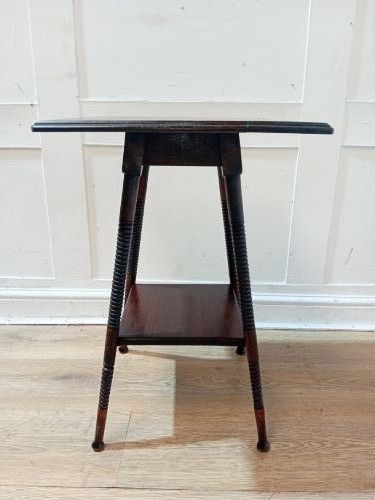
- Aesthetic Movement
- A late nineteenth-century design current emphasising visual beauty over narrative function. Items from this movement often feature clean lines and contrasting material insets.
Victorian Oak Lamp Table: Frequently Asked Questions
What is a victorian oak lamp table used for?
These tables served primarily to support oil lamps, candles, and decorative ornaments beside seating or in hallways. Their compact proportions made them easily movable to catch the best evening light.
Today, they function effectively as bedside stands, plant pedestals, or secondary surfaces for modern lighting and small personal items within contemporary living spaces.
How do I identify a genuine period piece?
Examine the timber surfaces for honest patination, tool marks, and appropriate structural wear consistent with nineteenth-century hand manufacturing methods. Look for period-specific joinery techniques and authentic fixing screws rather than modern substitutes.
Review the overall stylistic vocabulary, comparing the decorative carving and leg turnings against documented examples from the Victorian and Arts and Crafts eras.
Are these tables sturdy enough for daily use?
Solid oak construction provides inherent strength and durability, making these tables well-suited for regular domestic service. Tripod bases and heavier four-legged formats offer reliable support for lamps and everyday objects.
Routine maintenance involves keeping joints stable and protecting timber surfaces from excessive moisture and direct heat sources to preserve the original finish.
What distinguishes Arts and Crafts examples?
Arts and Crafts pieces emphasise honest construction, exposed joinery, and simpler geometric forms rather than elaborate historical revival carving. They frequently highlight the natural grain of solid oak through waxed or washed finishes.
Makers working in this style often incorporated alternative materials such as ceramic tiles or beaten copper trays into the table surface for practical utility.