
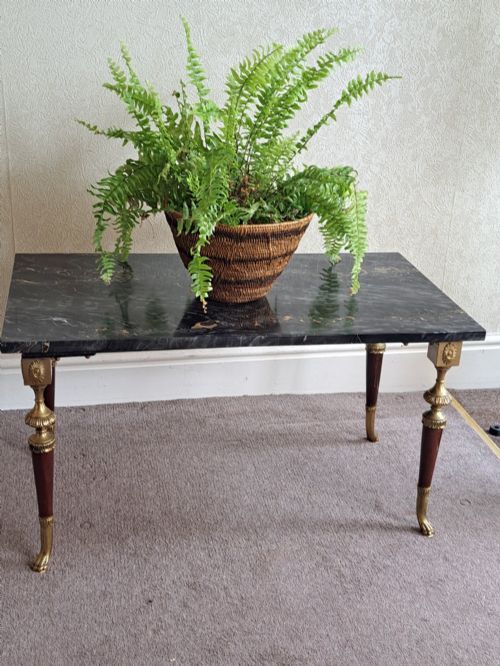
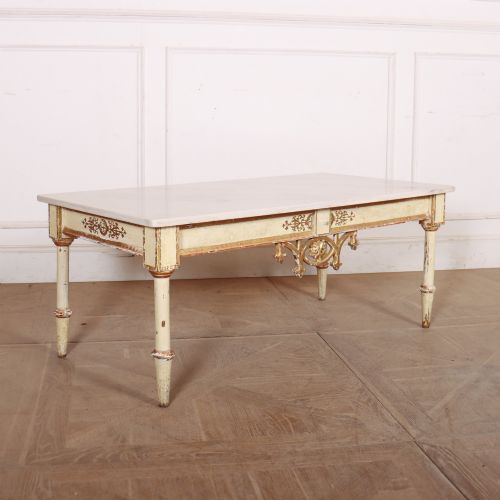


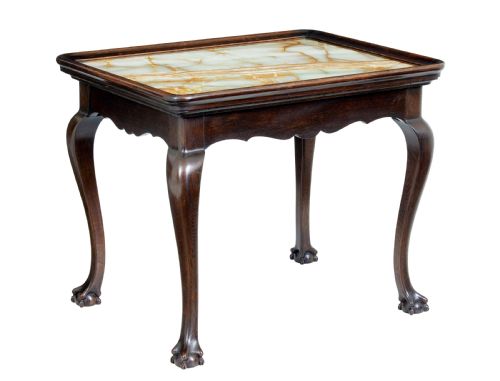


Marble Top Tea Table
A marble top tea table brings a cool stone surface and fine cabinet timber into a room, offering both a stable spot for cups and a striking decorative centrepiece.
Marble Top Tea Table
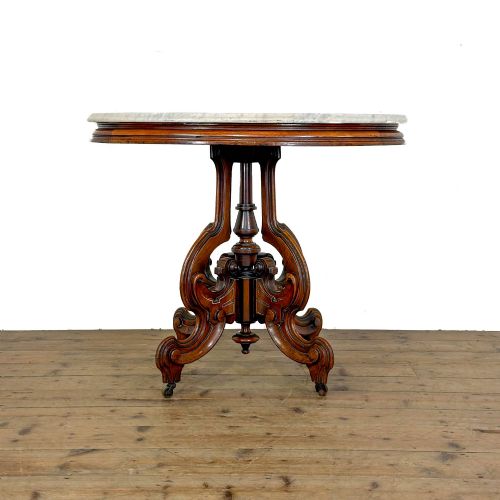
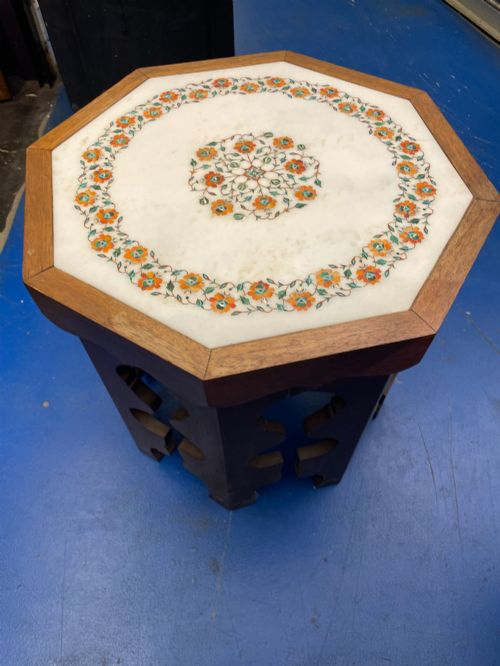
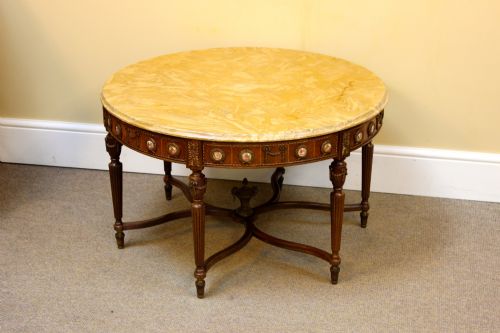
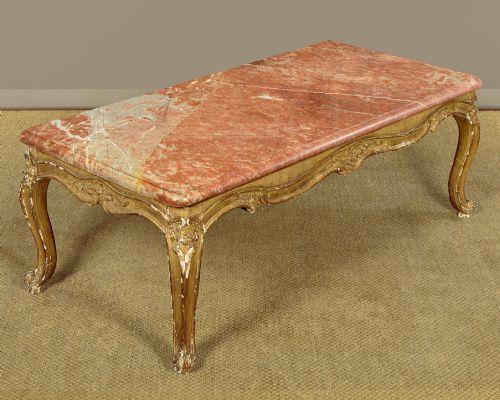
A marble top tea table combines a heavy stone slab with a wooden or gilded frame, taking forms such as round gueridons, octagonal occasional stands, and low coffee tables. You will frequently encounter nineteenth-century Victorian pieces alongside Edwardian and later twentieth-century interpretations.
The category spans diverse origins and stylistic revivals, including French Napoleon III, Italian neoclassical designs, and Chinese export or oriental hardwood furniture. These tables function as side tables, centre tables, and coffee tables within traditional and eclectic interiors.
Materials and construction
Makers set polished marble or onyx slabs into sturdy timber frames fashioned from mahogany, walnut, teak, oak, and exotic oriental hardwoods. Frames often feature carved wood, painted finishes, or gilded surfaces.
Giltwood, bronze ormolu mounts, and brass details decorate many examples, particularly those influenced by French styles. Joinery matches the period of manufacture, from early nineteenth-century cabinet work to later twentieth-century assembly.
Listings feature marble, onyx, mahogany, walnut, teak, oak, giltwood, and ormolu across nineteenth and twentieth-century periods.
Assessing quality and character
Quality rests on the weight and figuring of the marble or onyx top, the crispness of the wood carving, and the integration of bronze or ormolu mounts. Finer examples display harmonious proportions between the heavy stone top and the supporting frame.
The integrity of the timber structure and the originality of the surface finish dictate distinction. Pieces bearing specific stylistic influences, such as Louis XVI revival or Chinese export work, show varying degrees of artisan skill in their detailing.
Zwiener Jansen Sucesseur
The Marble Top Tea Table Glossary
- Guéridon
- A small French round table, typically supported by a central column or three legs, often fitted with a marble top. This form became popular during the neoclassical periods.
- Ormolu
- Gilded bronze mounts applied to furniture for decorative effect. It appears frequently on nineteenth-century French pieces.
- Specimen top
- A tabletop composed of various geometric pieces of different coloured marbles or stones arranged in a mosaic pattern. These require precise stonemasonry.
- Giltwood
- Wood that has been coated with gold leaf or a gold-coloured finish. It is characteristic of decorative revival tables.
- Occasional table
- A small, light table intended for subsidiary use in a room. They appear in diverse shapes including octagonal and rectangular formats.
Marble Top Tea Table: Frequently Asked Questions
How are marble top tea tables cleaned?
Clean the stone surface with a damp cloth and mild soap, avoiding acidic cleaners that etch polished marble. Wipe the wooden or gilded base with a dry cloth.
Protect the surface from prolonged moisture and harsh chemicals to preserve the original polish of the stone.
Can these tables support heavy objects?
The dense stone slab provides a solid weight, but the underlying timber frame determines overall load capacity. Most tables easily bear books, lamps, and tea services.
Avoid dropping heavy items onto the corners of the stone to prevent chipping.
Where should a centre table be placed?
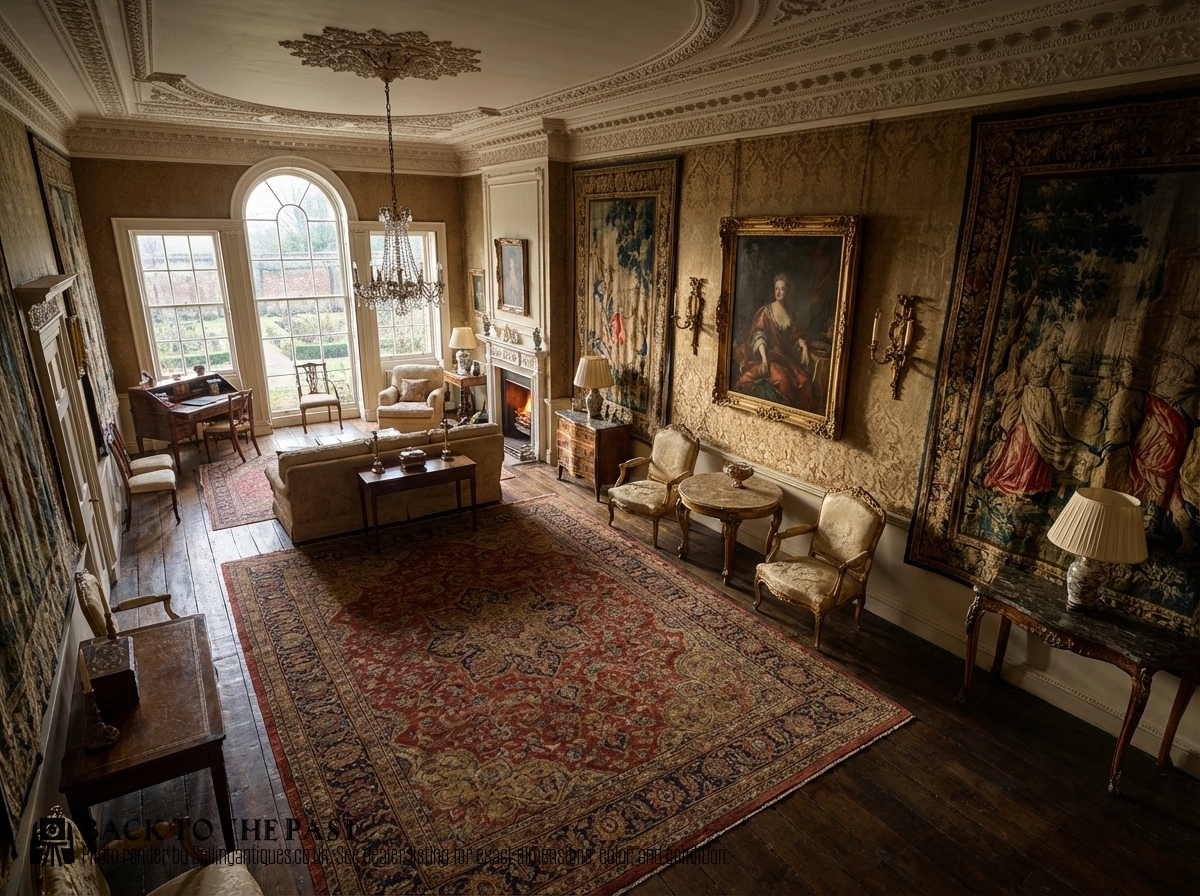
A centre table stands freely in the middle of a room, allowing access from all sides. It works well beneath a central ceiling light or chandelier.
Ensure there is enough clear floor space around the piece for comfortable movement.
How do I date a marble top table?
Examine the construction methods, wood species, and stylistic cues such as carving styles or ormolu mounts. Nineteenth-century pieces often display hand-cut joinery and heavier timber sections.
Compare the overall design against known revival periods like the Victorian or Napoleon III eras.