
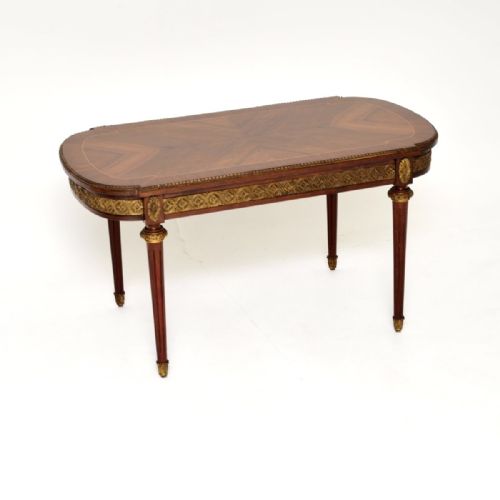


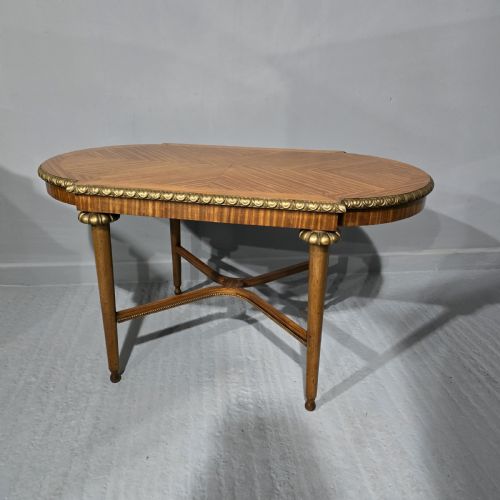

French Gilt Coffee Table
A french gilt coffee table brings gilded continental elegance and polished stone surfaces to a traditional or eclectic sitting room.
French Gilt Coffee Table
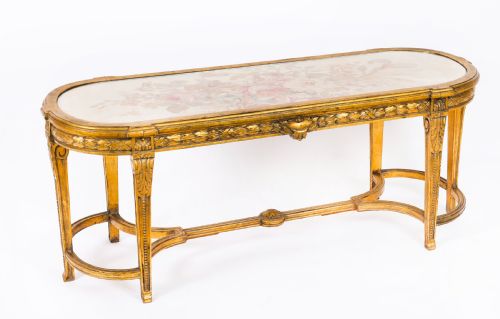
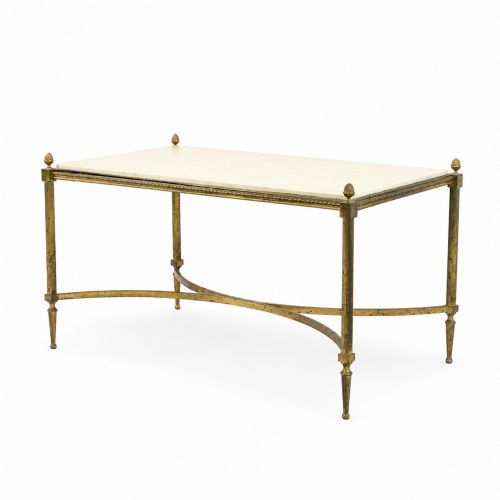
A french gilt coffee table typically combines a carved or cast metal gilded frame with a surface of inset marble, glass, or inlaid wood. These low tables originate in various periods from the mid-nineteenth century through the early twentieth century, drawing heavily on classical revival aesthetics.
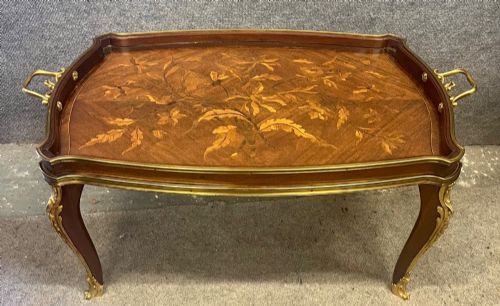
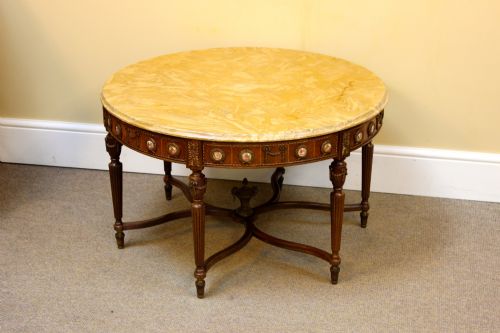
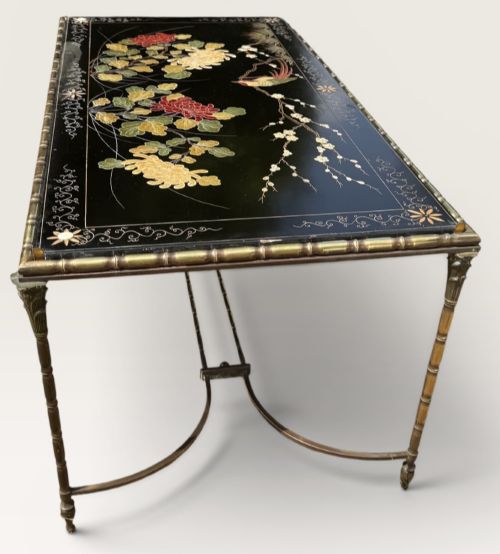
Buyers encounter forms ranging from low side tables and tray top designs to substantial marble-topped centre tables adapted for modern salon use. The selection spans distinct revivals of Louis styles, alongside decorative chinoiserie lacquer and nesting tables.
Origins include specialist Parisian workshops and provincial makers producing pieces under the influence of traditional French cabinet-making. Many examples exhibit classic proportions suited for placement before a sofa or central seating arrangement.
Materials and Construction
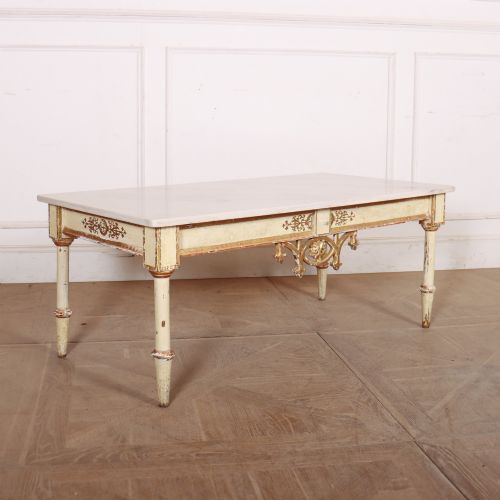
Frames are constructed from solid timber such as walnut, mahogany, or beech, which is then carved, gilded, or fitted with cast ormolu and brass mounts. Giltwood surfaces achieve their lustrous finish through the application of gold leaf over prepared gesso grounds.
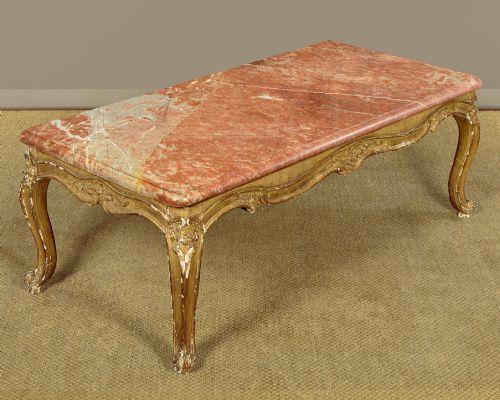
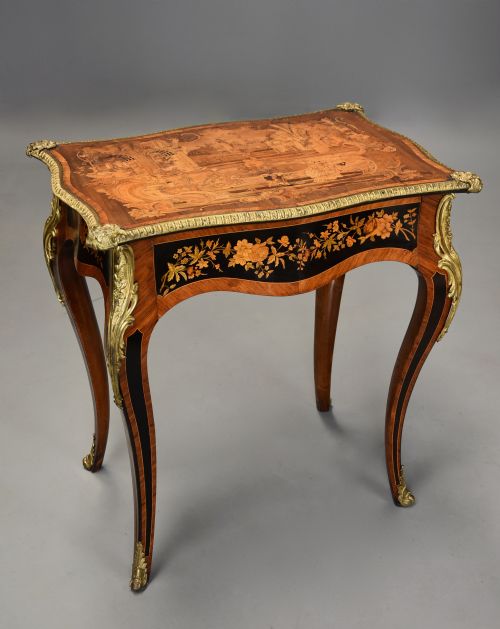
Table tops frequently feature heavy slabs of white or coloured marble, onyx, or inset panels of marquetry and parquetry in kingwood and satinwood. Certain specialist examples incorporate hand-painted porcelain plaques, black lacquer, or verre églomisé glass within the design.
Joining methods rely on traditional cabinet-making techniques, with sturdy mortise and tenon frames supporting heavy stone or glass tops. Metal components are secured with threaded fixings or pinned mounts that accent the structural lines of the table.
Assessing Craftsmanship and Materials
Quality rests upon the crispness of the wood carving or the precise chasing of the brass and ormolu mounts, where hand-finished details outshine mass-produced castings. Superior pieces demonstrate fluid lines and balanced proportions that reflect rigorous adherence to classical design principles.
The selection of materials marks a clear division, with thick slabs of figured marble, dense exotic hardwoods, and genuine gold leaf elevating a table above pieces utilising thin veneers and painted substitutes. Integrated marquetry patterns executed with diverse timber species indicate skilled workshop execution.
Signatures, stamps, or attributions to recognised makers such as Maison Baguès or Maison Ramsay add historical weight and confirm the provenance of high-tier salon furniture.
Maison Bagues·Maison Ramsay·Zwiener·E. Daligny
The French Gilt Coffee Table Glossary
- Giltwood
- Timber that has been coated with thin sheets of gold leaf over a prepared base layer. This traditional technique produces a warm, reflective surface finish on ornate carved frames.
- Ormolu
- Cast bronze that has been mercury-gilded or electroplated to produce a rich golden appearance. It is commonly utilised for decorative mounts and accents on nineteenth-century furniture.
- Marquetry
- Decorative patterns formed by fitting together small pieces of contrasting veneered wood into a wooden panel. Skilled artisans utilise this technique to create intricate floral or geometric tabletop scenes.
- Parquetry
- Geometric mosaic woodwork arranged in repeating patterns such as cubes or chevrons across a table surface. It offers a structured alternative to figurative marquetry designs.
- Tray Top
- A removable or fixed tabletop featuring a raised raised outer rim to contain small objects or glassware. This functional form derives from eighteenth-century serving trays adapted for domestic furniture.
French Gilt Coffee Table: Frequently Asked Questions
How do I style a french gilt coffee table?
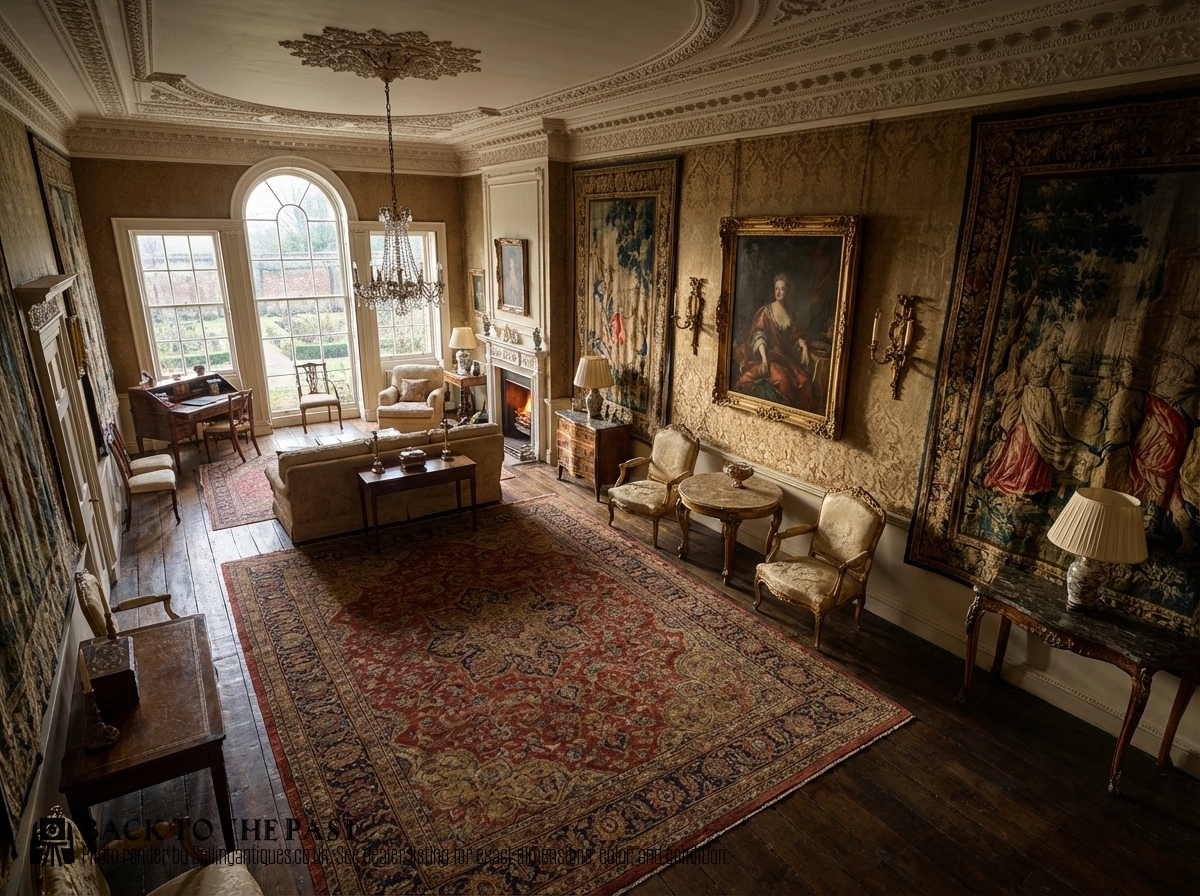
Pair the table with neutral upholstery to let the gilded frame and marble top stand out as a focal point in the room. Keep surface accessories minimal to showcase the inset wood marquetry or stone.
Integrate contrasting textures such as velvet cushions or plain wool rugs nearby to balance the ornate metallic finish of the furniture piece.
Are these tables sturdy enough for daily use?
Most examples possess robust timber frames and heavy stone tops that provide stable support for everyday living requirements. Care should be taken with delicate lacquer surfaces and vintage glass inserts.
Placing coasters on marble and wood tops prevents moisture rings and protects the historic finish from accidental spills.
How do I tell Louis XV and Louis XVI styles apart?
Louis XV pieces feature asymmetrical curves, flowing cabriole legs, and elaborate rococo carvings derived from natural organic motifs. The overall aesthetic emphasises movement and soft serpentine contours.
Louis XVI furniture introduces strict symmetry, straight fluted legs, and neoclassical rectangular geometry inspired by ancient architectural discoveries.
What is the difference between giltwood and ormolu?
Giltwood refers to carved solid timber that has been covered in gold leaf by hand. It provides a softer, warmer texture across the structural frame of the table.
Ormolu consists of cast and gilded brass or bronze metal applied as decorative mounts, feet, or handles to accent the wooden structure.