
Antique Wood Lamp Base
An antique wood lamp base brings warmth and texture to a room, ranging from turned oak to carved rosewood.
Antique Wood Lamp Base
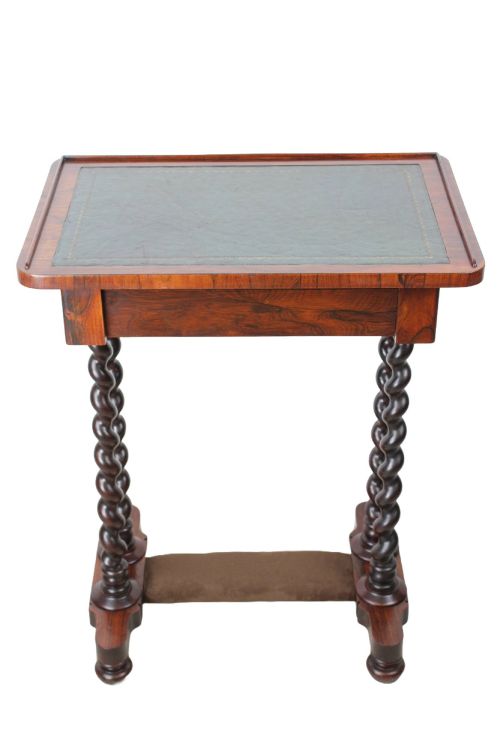
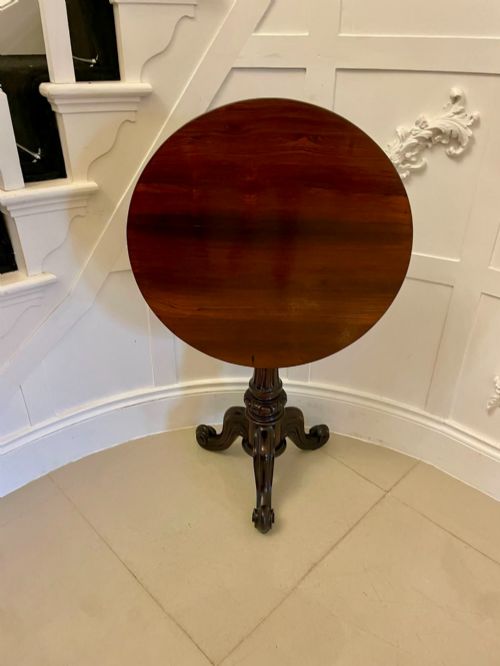
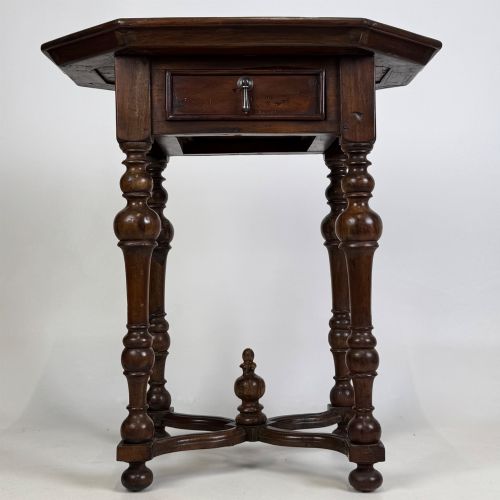
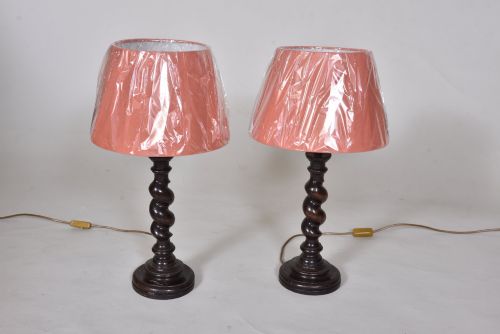
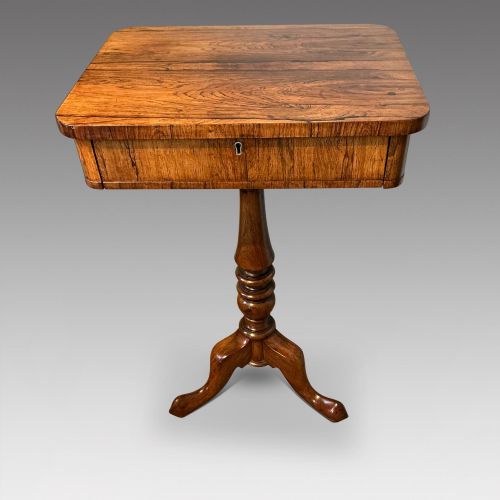
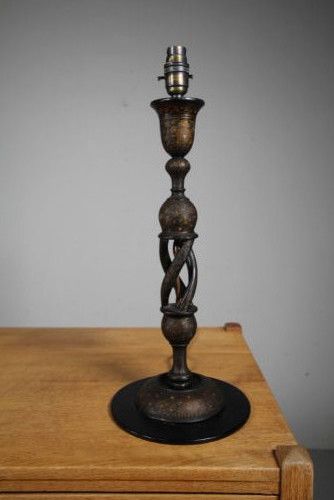
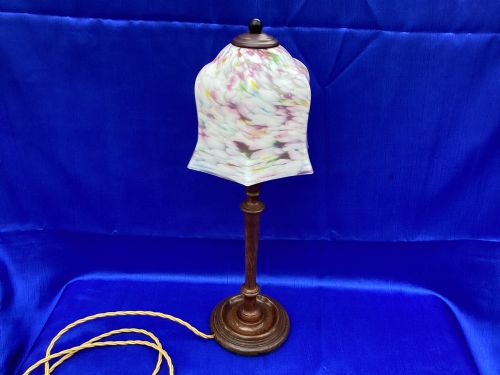
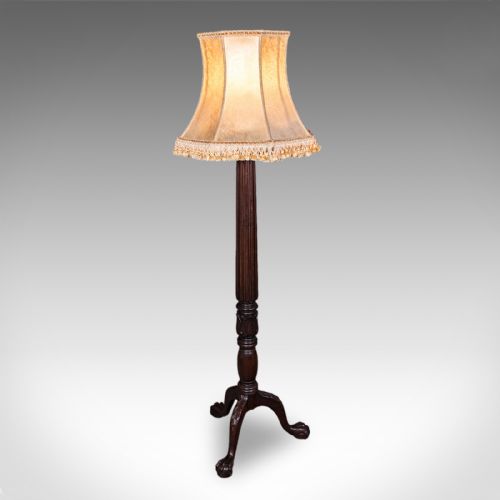
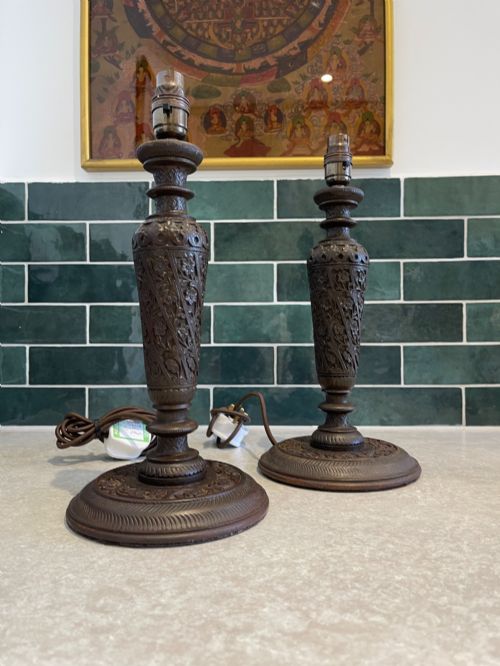
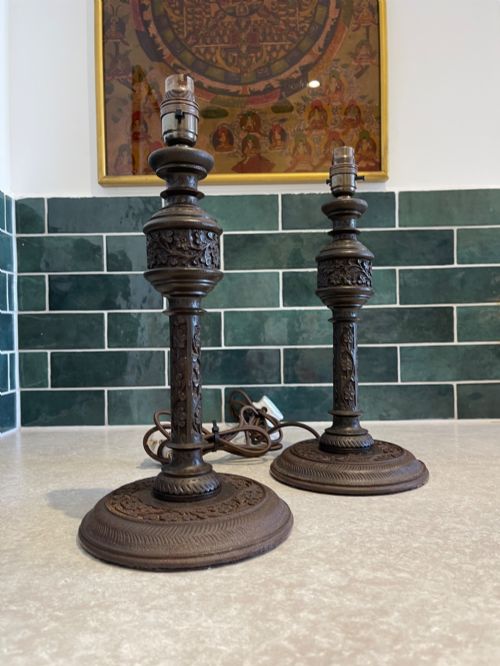
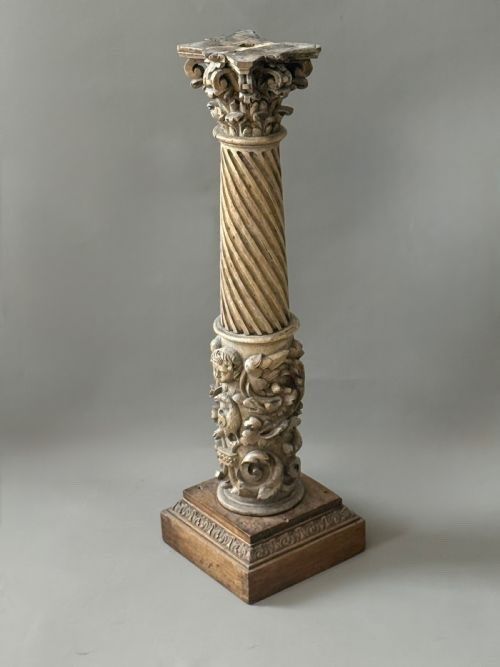
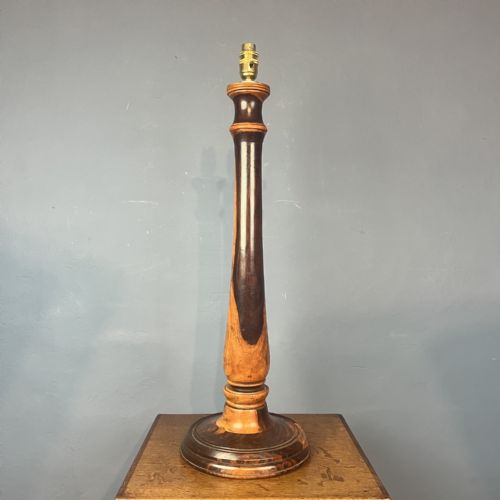
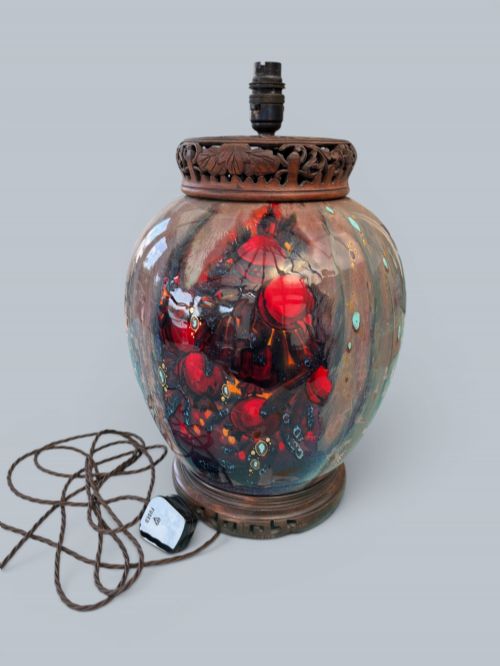
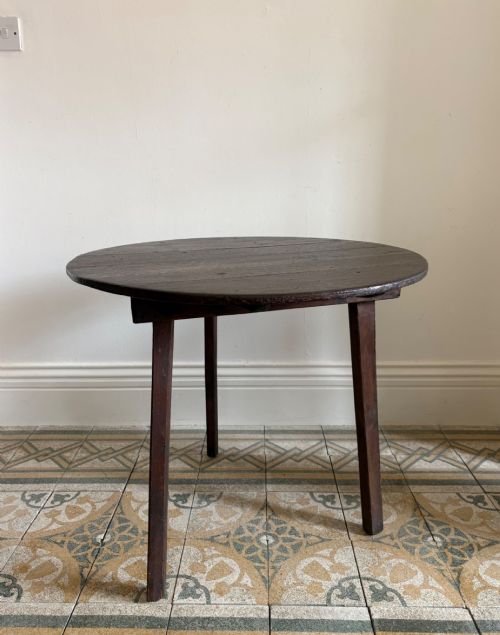
An antique wood lamp base takes many forms on this page, appearing as dedicated turned columns, converted candlesticks, and repurposed occasional tables or side tables.
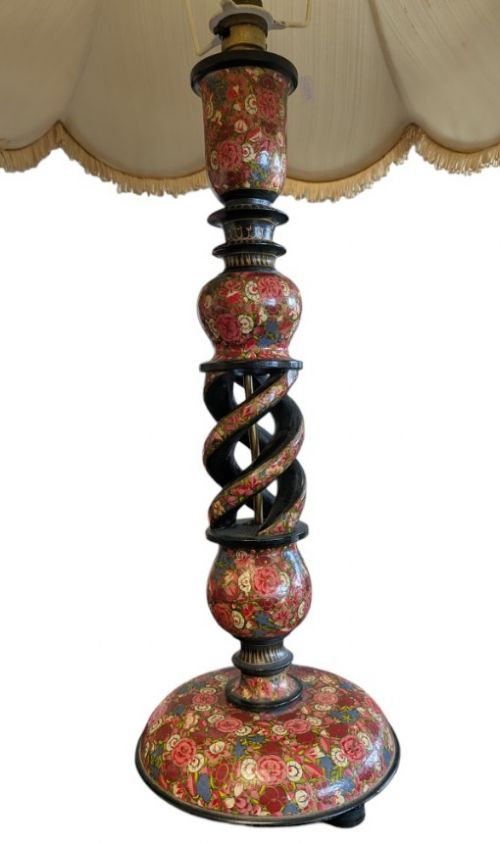
The selection spans from nineteenth-century mahogany and Victorian oak pieces to twentieth-century Kashmiri twists and Arts and Crafts designs.
Materials and construction
Craftsmen utilised dense timbers like mahogany, rosewood, oak, and lignum vitae, often shaping them on a lathe to create classical urn or column profiles.
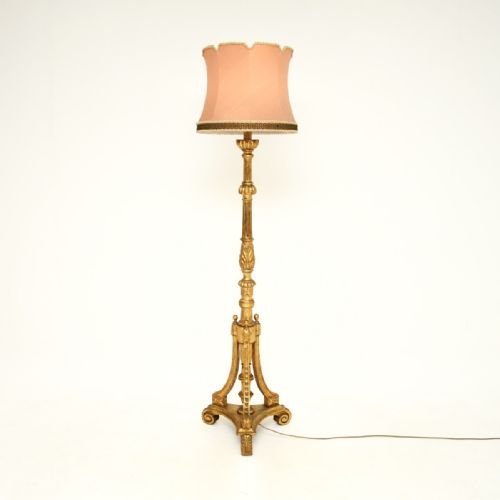
Surface treatments include traditional polishing, gesso application, and gilt finishes, alongside regional decorative techniques seen in imported Kashmiri and Continental pieces.
Some nineteenth-century floor lamps began their working lives as solemn church candlesticks before finding a cosy retirement holding modern lightbulbs.
Judging quality in timber lights
Quality rests upon the choice of timber and the crispness of the turning or hand-carving, with finer examples displaying deep grain and balanced proportions.
The integrity of the original construction, whether a solid rosewood pedestal or a heavy oak pillar, dictates the stability of the finished light.
The Antique Wood Lamp Base Glossary
- Rosewood
- A heavy, dense tropical timber prized for its dark grain and deep reddish-brown colour. It frequently appears in Regency and Victorian table forms.
- Gesso
- A plaster-based mixture applied to wood surfaces to create a smooth base for gilding or painting. It gives a bright, reflective finish to decorative bases.
- Standard lamp
- A tall floor-standing lamp base designed to illuminate a larger area. These often mirror the architectural columns of their respective periods.
- Lignum vitae
- An extremely heavy and hard wood derived from trees in the genus Guaiacum. It was selected for items requiring high durability and weight.
- Turned
- Shaped by being rotated on a lathe while a cutting tool is applied. This technique produces symmetrical columns, spindles, and baluster stems.
Antique Wood Lamp Base: Frequently Asked Questions
How do I date an antique wood lamp base?
Dating relies on identifying the timber species, turning style, and overall aesthetic of the piece. Cabinet-making conventions of periods such as the Regency or Victorian eras offer clear stylistic clues.
Secondary components, such as weighted bases or early wiring remnants, also help place the object in its historical context.
Are these lamp bases converted from other objects?
Many examples begin life as candlesticks, torchères, or small occasional tables before conversion into lighting. Such adaptations are common and respect the original craftsmanship.
Others are built specifically as lamps from the outset, particularly those from the early twentieth century.
What is the difference between a table lamp and a standard lamp?
Table lamps are proportioned to sit upon side tables, chests, or desks, typically standing at a modest height. Standard lamps are floor-standing units designed to reach higher elevations in a room.
Both categories utilise similar timber turning and carving traditions from the nineteenth and twentieth centuries.
How should I care for a wood lamp base?
Maintenance involves dusting with a soft, dry cloth and occasionally applying a quality beeswax to nourish the timber. Avoid placing the lamp in direct sunlight or near heat sources to prevent the wood from drying out.
Checking the electrical components regularly ensures safe daily use.