


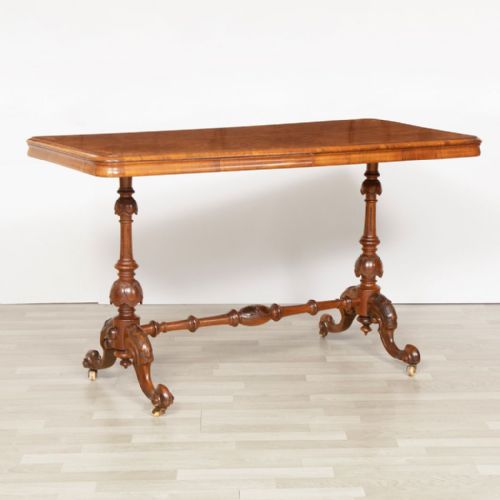


Turned Wood Desk Lamp
These turned wood desk lamp examples combine practical task lighting with traditional carpentry, offering tactile warmth and period character to a workspace.
Turned Wood Desk Lamp
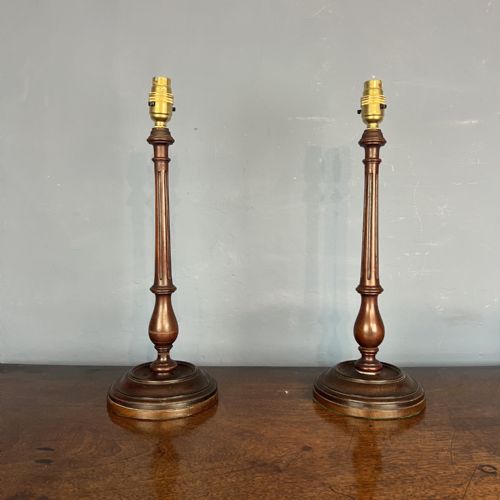
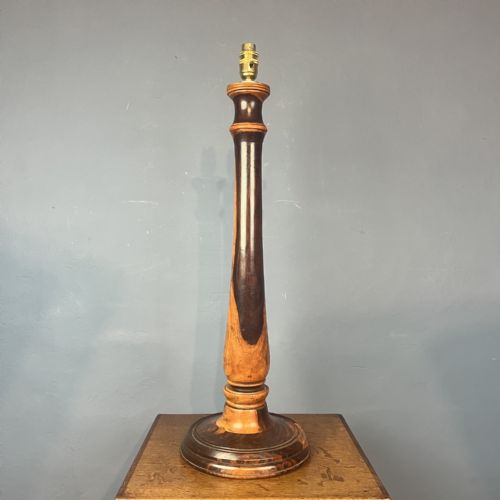
A turned wood desk lamp brings domestic illumination together with lathe-turned carpentry, drawing from eras that range from the Georgian period through the Victorian and Edwardian decades. When buyers search for a turned wood desk lamp, they encounter items shaped on a lathe from woods such as oak, mahogany, walnut, fruit wood, and chestnut.
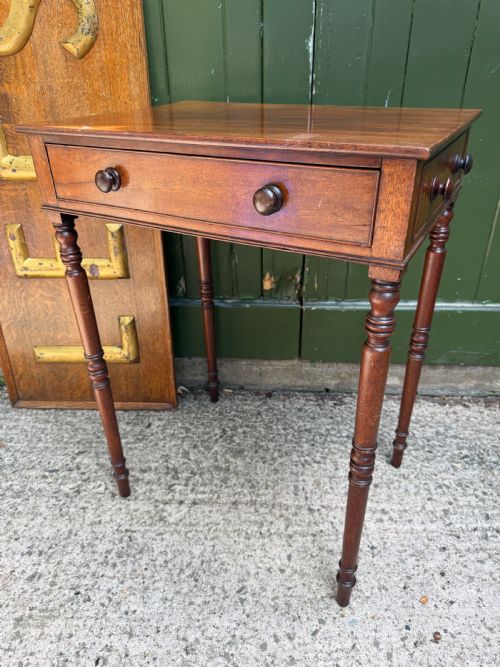
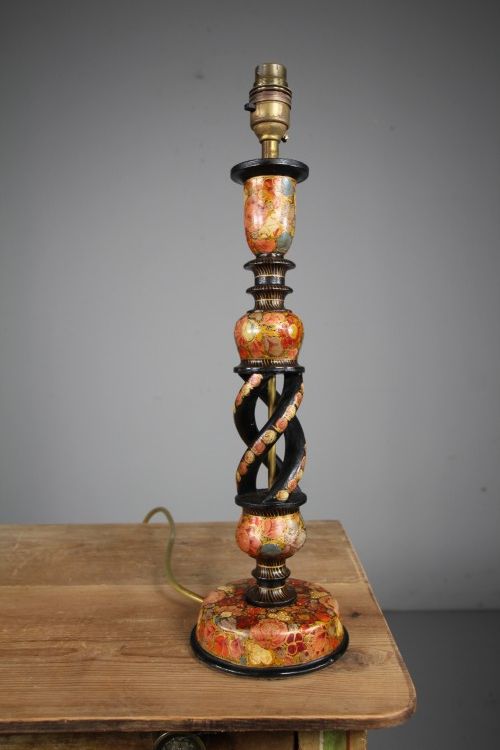
The selections span different centuries and styles, incorporating regional work like Anglo-Indian Kashmiri pieces alongside British country and revival pieces. Many examples trace their origins to utilitarian or occasional furniture forms converted for modern lighting use.
Materials and construction methods
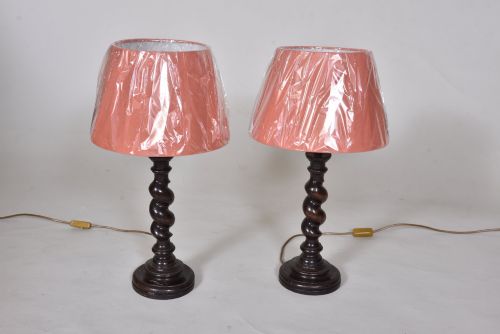
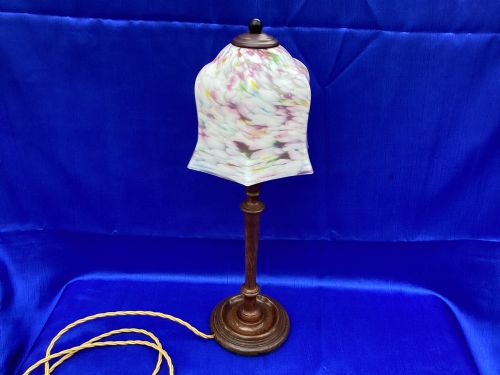
The construction relies on traditional woodturning techniques executed on sturdy hardwoods like oak, mahogany, and walnut, often complemented by brass fittings and fabric elements. Cabinet makers and turners shaped these items using hand tools on a lathe to create symmetrical baluster, column, or urn profiles.
Surface finishes include polish, paint, and lacquer, highlighting the natural grain of the timber or applying decorative colour schemes such as cream and hand-painted Kashmiri motifs.
Listings feature materials including oak, mahogany, walnut, brass, fabric, paint, and lacquer across 18th, 19th, and early 20th century periods.
Assessing quality in turned items
Quality rests in the crispness of the lathe work and the selection of the timber, where dense fruit wood or finely figured walnut displays superior handling by the maker. The proportion of the turned shaft relative to the base determines the visual balance and stability of the piece.
The integrity of the original joints, the preservation of the surface finish, and the harmonious integration of electrical adaptations dictate the standing of an individual lamp within its period.
Holland and Sons
The Turned Wood Desk Lamp Glossary
- Lathe
- A machine tool used for shaping wood by rotating the workpiece against cutting tools. This process creates symmetrical turned columns and bases characteristic of these lamps.
- Baluster
- An architectural form resembling a shaped pillar or post, frequently utilised in the vertical shaft of a turned lamp base.
- Turned legs
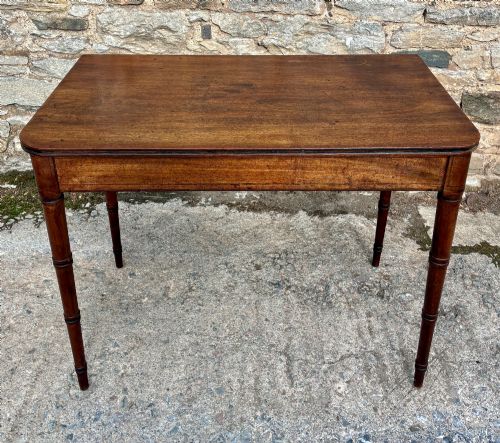
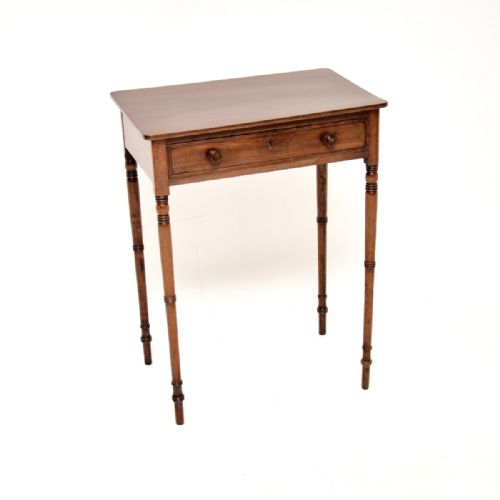
- Furniture supports shaped on a lathe to produce decorative cylindrical, vase, or spool profiles.
- Lignum vitae
- A dense, heavy wood obtained from trees of the genus Guaiacum, known for its deep colour and durability in turned objects.
Turned Wood Desk Lamp: Frequently Asked Questions
How do I date a turned wood lamp?
Dating relies on identifying the timber species, the turning profile, and any associated hardware or finish characteristics that align with specific design periods.
Comparison with documented furniture forms from the same era helps establish a reliable timeframe for the turned components.
Are these lamps rewired for modern use?
Many older lighting pieces undergo rewiring to meet contemporary electrical safety standards while preserving the historic exterior structure.
Buyers should inspect the internal wiring arrangements and consult a qualified electrician for installation.
What woods were used for these lamps?
Common timbers include oak, mahogany, walnut, fruit wood, chestnut, and lignum vitae, selected for their density and grain pattern.
Regional workshops also utilised local hardwoods suited to traditional lathe-turning techniques.
How do I care for wooden lamp bases?
Maintenance involves dusting with a soft cloth and occasionally applying appropriate wood wax to nourish the antique surface.
Keep the items away from direct heat sources and excessive moisture to protect the timber and finish.