



Edwardian Oak Desk Accessory
These edwardian oak desk accessory pieces bring solid warmth and functional elegance to any study or writing table.
Edwardian Oak Desk Accessory
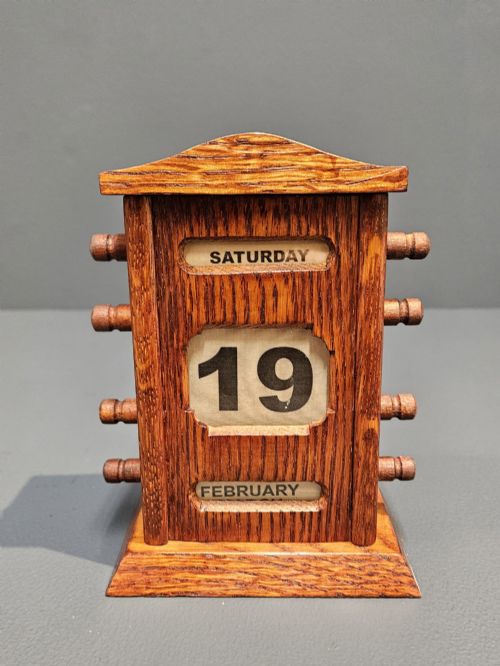
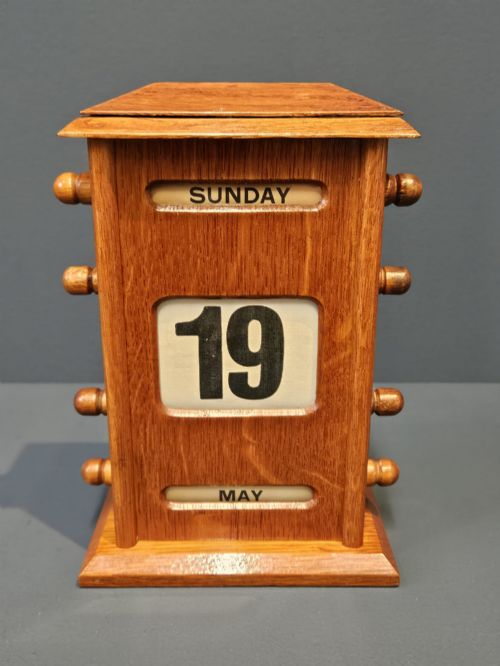
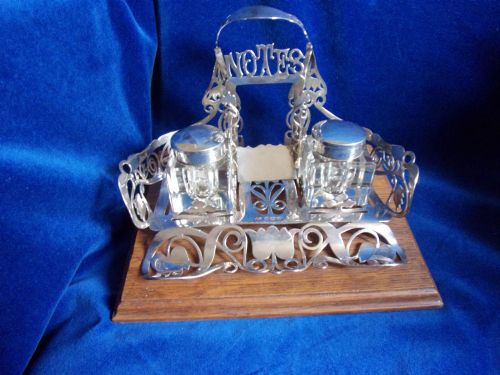
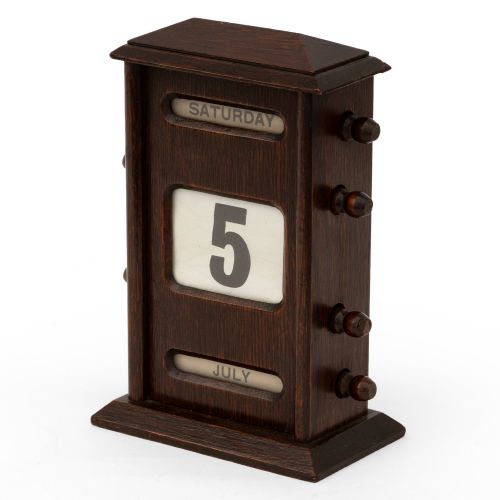
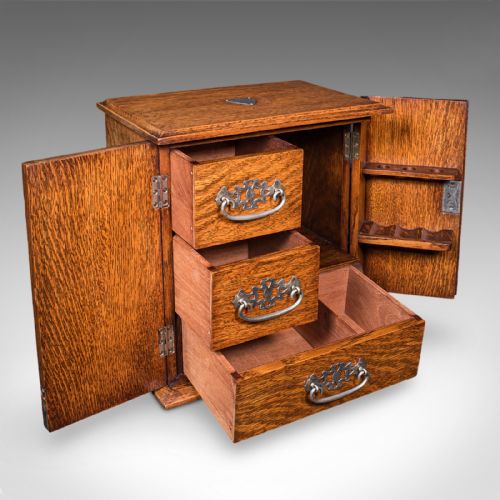
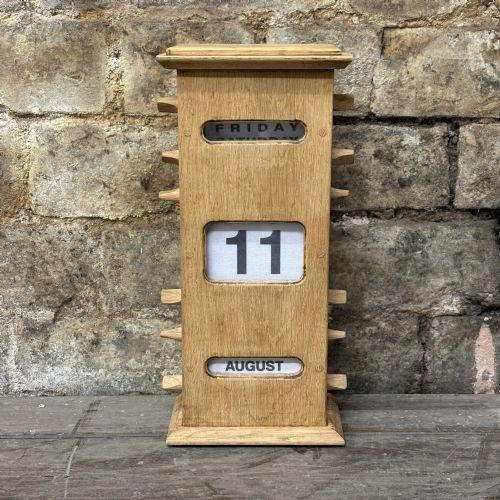
An edwardian oak desk accessory comprises practical items designed for writing tables and studies, constructed predominantly from timber during the early twentieth century and late nineteenth century. These objects include extending book slides, perpetual calendars, inkstands, postal scales, and smoking cabinets.
Buyers seeking an edwardian oak desk accessory most frequently encounter oak book slides and ink stands, alongside letter racks and table bells. The selection spans periods from the Victorian era through the Edwardian years and into the 1920s and 1930s.
Regional British craftsmanship and continental European workshops produced these pieces, incorporating brass mounts, glass inkwells, and carved wood details. The forms serve designated functions such as organising correspondence, holding volumes, or managing time and correspondence.
Materials and Construction
Makers utilised solid oak and quarter-sawn oak as the primary structural timber, often complemented by secondary woods like fruitwood and linden wood. This timber was frequently carved, shaped, or polished to highlight the natural grain.
Metal elements such as brass mounts, hinges, bells, and desk clips provide functional durability and structural contrast to the dark and solid oak bodies. Glass inserts appear in inkstands and inkwells, while paper and fabric line internal compartments.
Edwardian Oak Desk Accessory Retail Price Guide 2026
Typical asking prices for edwardian oak desk accessory among the pieces listed under this phrase on Sellingantiques today, from the lower quarter to the upper quarter. They describe what is for sale here now, not the wider market.
The listings include oak combined with brass, glass, fruitwood, and linden wood across Victorian and Edwardian periods.
Judging Quality
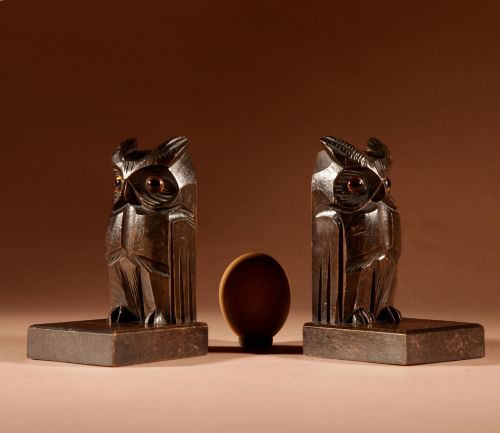
The standard of carving and joinery dictates the distinction between standard utilitarian items and finer decorative pieces. Crisp hand-carved details, such as those found on Black Forest animal figures or Arts and Crafts letter racks, demonstrate superior workmanship.
The integration of secondary materials like heavy cast brass, fitted glass wells, and branded maker labels elevates an item. Pieces retaining original mechanisms, such as extending book slides and working perpetual calendars, show higher preservation.
Arthur Simpson·Thornton Smith Co
The Edwardian Oak Desk Accessory Glossary
- Book slide
- An extending wooden stand designed to hold a row of volumes upright on a desk or table.
- Inkstand
- A fitted tray or stand holding one or more inkwells and pens for writing.
- Perpetual calendar
- A mechanical date indicator with rotatable drums or cards that can be adjusted for any month.
- Smoking cabinet
- A small enclosed box or cupboard fitted to store tobacco, pipes, and smoker accessories.
- Desk tidy
- A compartmentalised wooden tray used for organising letters, pens, and stationery.
Edwardian Oak Desk Accessory: Frequently Asked Questions
What is an edwardian oak desk accessory?
An edwardian oak desk accessory is a functional wooden item created for writing desks during the late nineteenth and early twentieth centuries.
These pieces include inkstands, letter racks, book slides, and calendars made primarily from oak.
How were these desk items used?
These items helped organise correspondence, reference books, and writing tools in home libraries and offices.
Inkstands held liquid ink, book slides kept volumes upright, and calendars tracked daily dates.
How do I care for antique oak desk pieces?
Maintain the timber by keeping the pieces away from direct heat sources and sudden humidity changes.
Apply a light wax polish occasionally to nourish the oak and preserve the finish.
How can I tell Victorian from Edwardian pieces?
Victorian items often feature heavier Gothic Revival proportions, elaborate brass mounts, and darker finishes.
Edwardian designs tend towards lighter oak tones, simpler Arts and Crafts lines, or novelty themes.