
Edwardian Oak Book Stand
An edwardian oak book stand brings practical utility and honest craftsmanship to any room, holding volumes within easy reach.
Edwardian Oak Book Stand
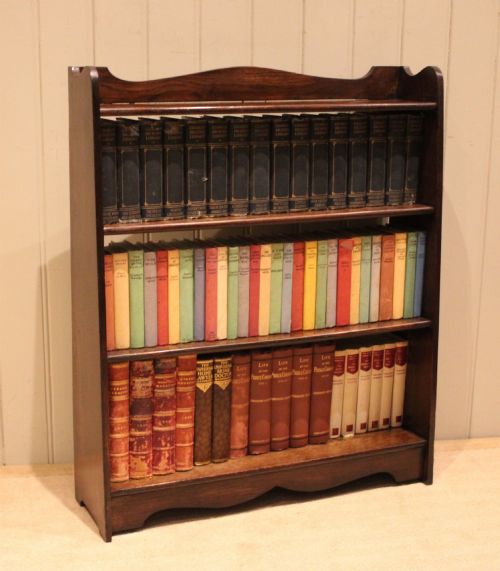
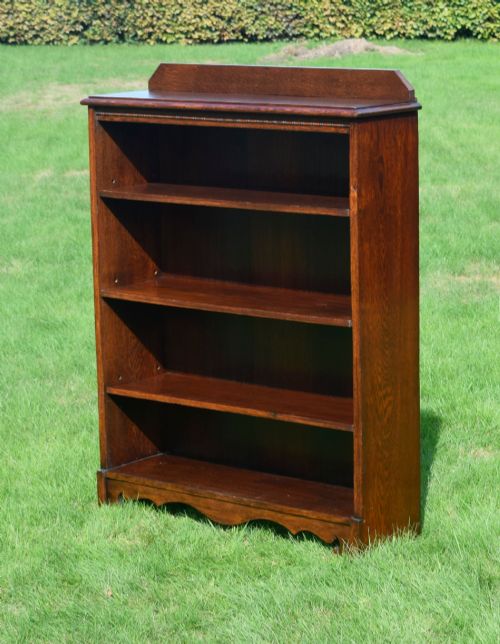
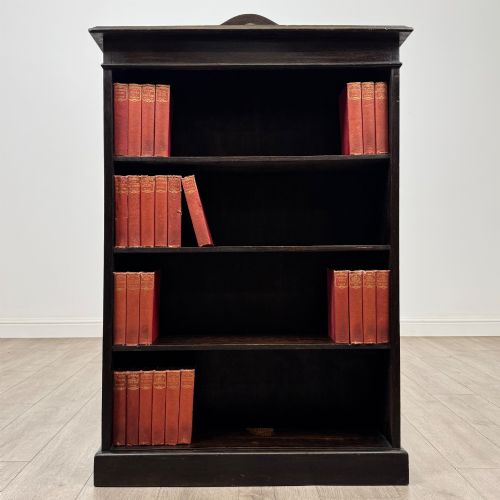
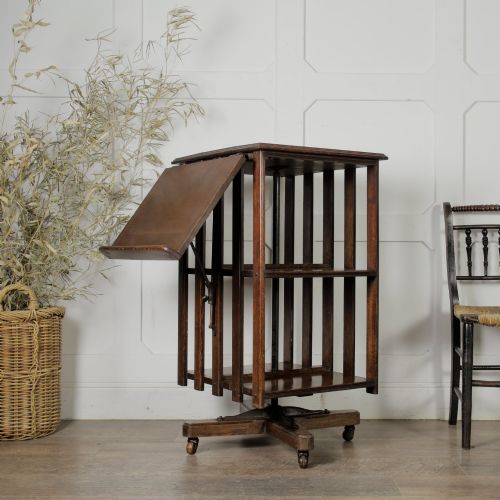
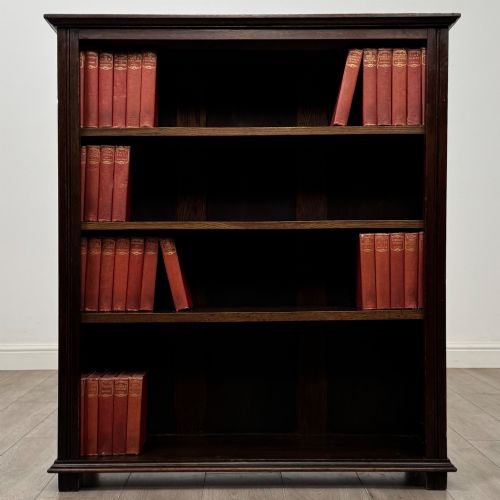
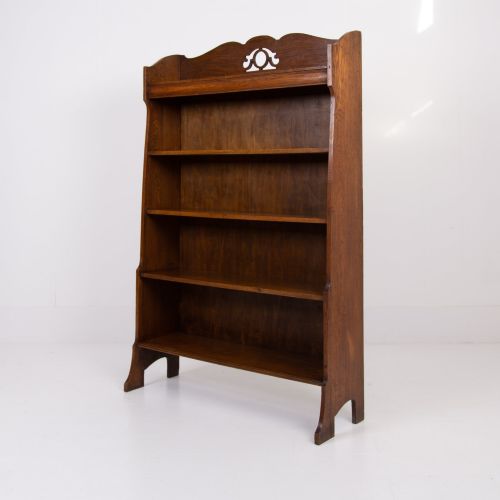
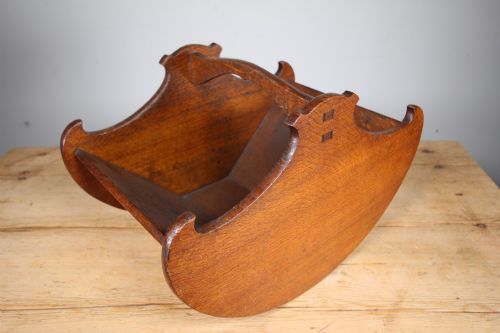
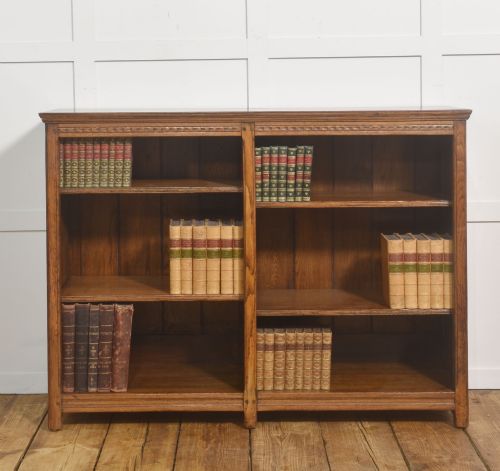
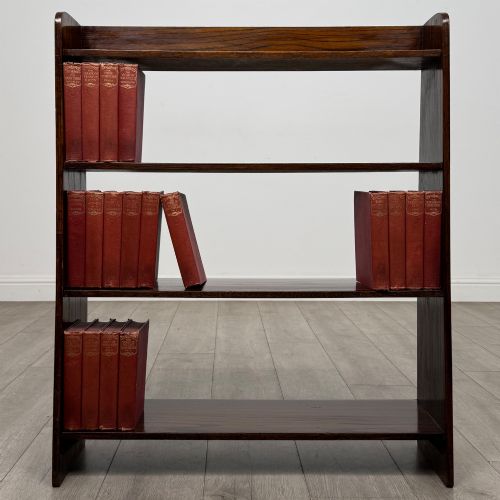
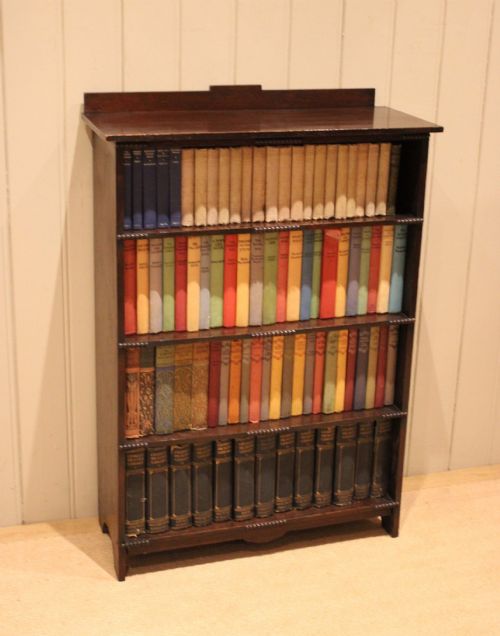
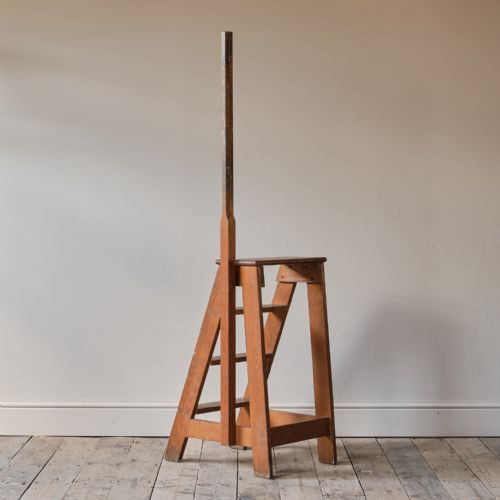
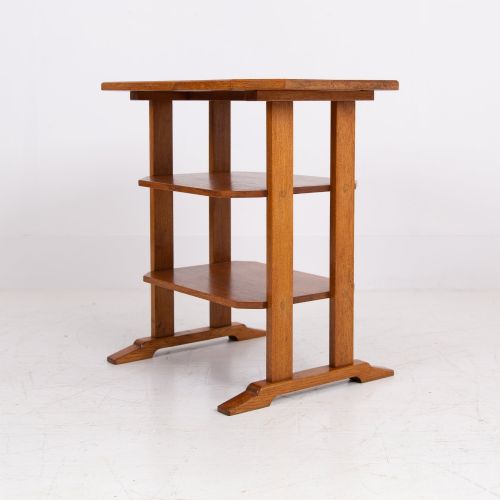
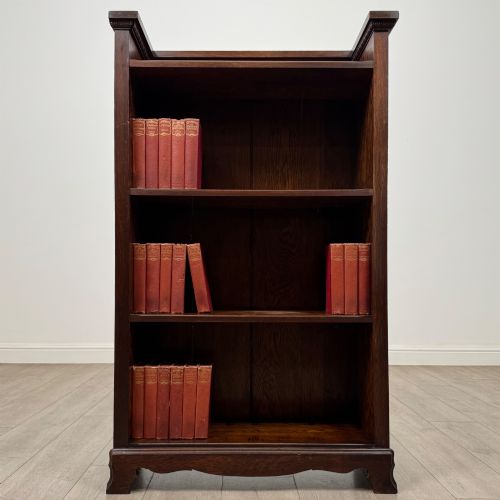
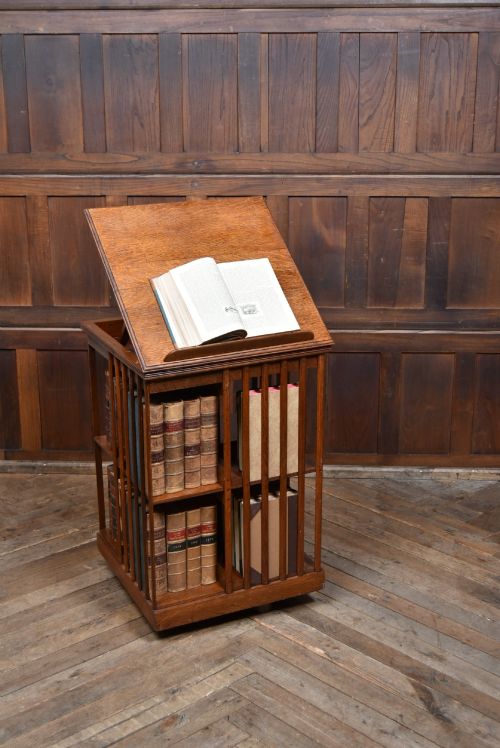
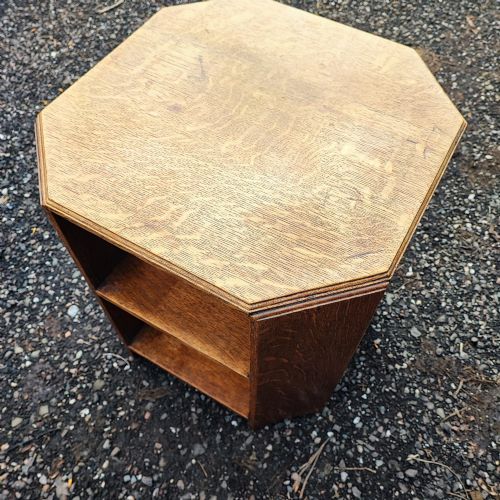
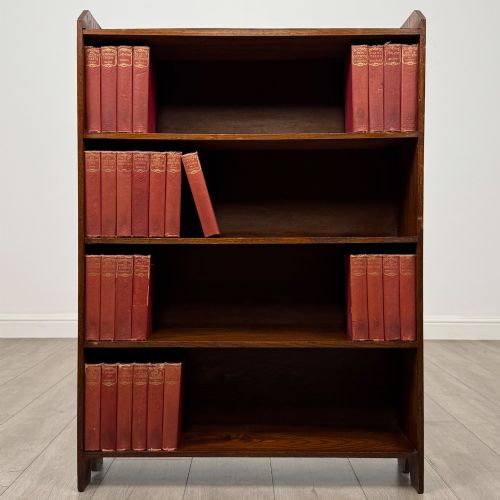
When you search for an edwardian oak book stand, you encounter pieces designed to hold working libraries within domestic and institutional spaces. The most common forms on this page include open shelf bookcases, revolving stands, and small table troughs.
These items originate predominantly from the Edwardian era alongside surrounding periods like 1900 and 1920. Makers employed timber to construct sturdy units intended for daily handling in studies and libraries.
The selection ranges from simple standing shelves to rotating models featuring brass and cast iron mechanisms. Buyers frequently find variations that incorporate Arts and Crafts design sensibilities alongside traditional English styles.
Materials and construction methods
Cabinet makers utilised solid oak and golden oak to build the primary structures of these stands. They relied on mortise and tenon joints to ensure durability across frequently loaded shelves and revolving platforms.
Metal components such as brass fittings and cast iron hardware support the mechanics of revolving tiers and adjustable ledges. Secondary materials like glass appear occasionally in glazed cabinet doors protecting delicate editions.
A tiny carved owl peers out from a pair of bookends, watching silently over the library shelf.
Assessing quality in construction
The standard of timber selection distinguishes superior pieces from standard production. Craftsmen who chose quarter-sawn oak with prominent medullary rays produced surfaces with greater visual depth.
Engineering precision dictates the fluidity of movement in revolving variants and the stability of adjustable shelving brackets. Hand-finished decorative details such as carved beaded edges and cut-outs reflect the labour invested by the maker.
Arthur Simpson·Wylie Lochhead of Glasgow·E.A. Taylor
The Edwardian Oak Book Stand Glossary
- Book Trough
- A tabletop or floor-standing open trough designed to hold a small selection of books upright. These pieces often feature sloping sides to keep volumes visible.
- Revolving Bookcase
- A freestanding unit mounted on a concealed central pivot allowing users to rotate the shelves. This mechanism grants access to multiple sides of literature from a single seated position.
- Quarter-Sawn Oak
- Timber cut radially from the growth rings to produce distinct grain patterns. This method yields stable boards less prone to warping over time.
- Arts and Crafts
- A design movement prioritising traditional craftsmanship, visible construction, and simple forms. Pieces from this tradition often feature unadorned surfaces that highlight the natural grain of the wood.
Edwardian Oak Book Stand: Frequently Asked Questions
How do I care for my oak stand?
Keep wooden surfaces clean using a dry cloth and avoid placing items in direct sunlight or near heat sources. Regular application of clear wax maintains the finish of the timber.
Ensure moisture is wiped away immediately to prevent water marks forming on the polish.
Where were these stands used?
These pieces populated domestic studies, libraries, and parlours to keep current reading material accessible. Revolving versions often sat beside armchairs or desks for quick reference.
Larger standing models housed working reference collections along walls in family homes.
Are revolving stands sturdy?
The stability depends upon the iron or brass swivel mechanism concealed beneath the base. Properly maintained bearings allow smooth rotation without tipping even when fully loaded with heavy volumes.
Heavier bases provide the necessary counterweight for taller revolving towers.
How do I identify the period?
Examine the timber finish, hardware choices, and decorative motifs present on the frame. Edwardian examples frequently display lighter golden tones and understated Arts and Crafts influence compared to darker Victorian predecessors.
Construction marks and labels underneath occasionally confirm the exact decade of manufacture.