




Edwardian Oak Barrel
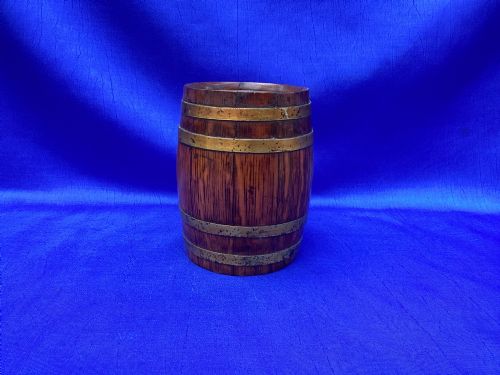
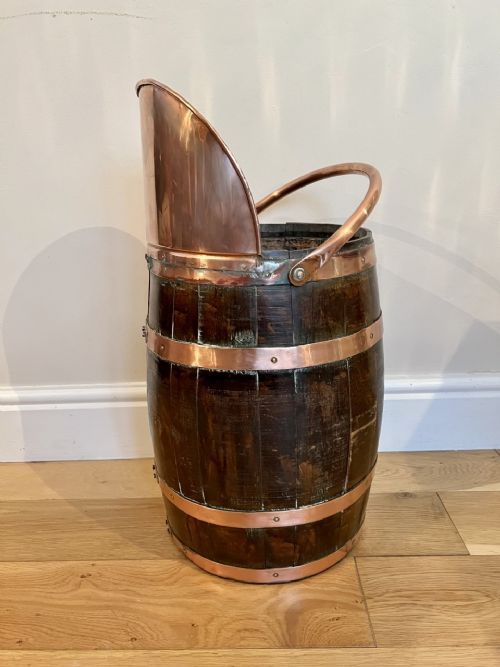
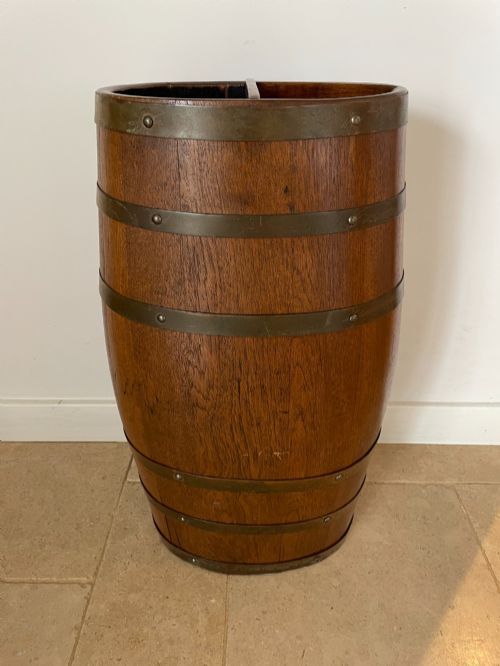
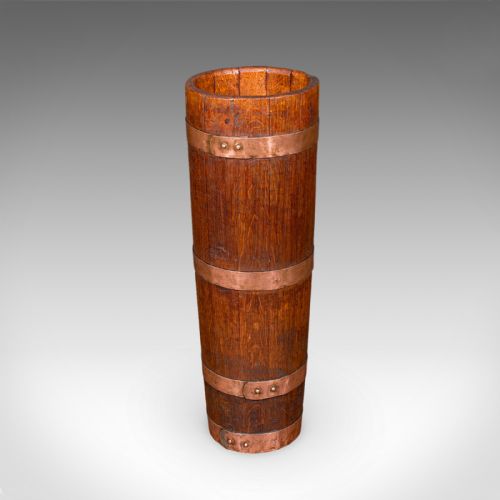
An Edwardian oak barrel brings sturdy coopered construction and rich timber grain into domestic spaces for storage and display.
Edwardian Oak Barrel
The edwardian oak barrel search phrase encompasses a distinct group of coopered wooden vessels produced primarily around the early twentieth century. These pieces draw upon domestic, military, and tavern traditions to serve varied functions within the home.
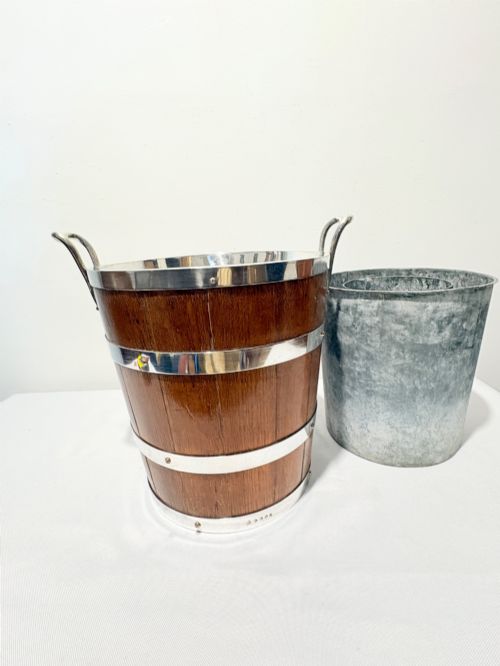
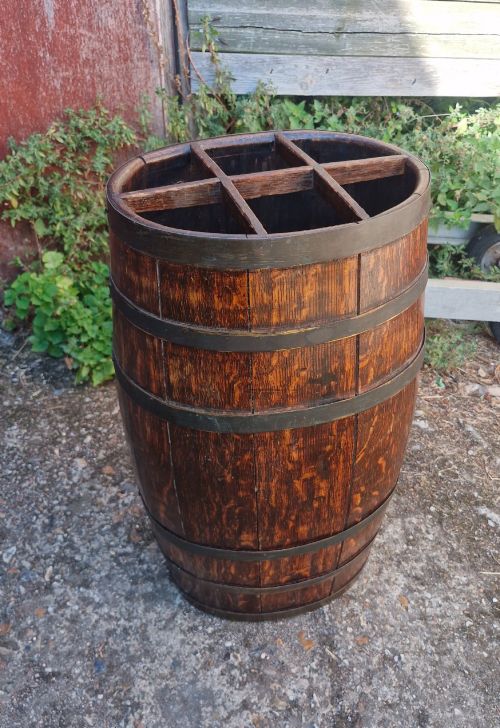
The most common iterations on this page take the form of umbrella stands, stick holders, and table-top biscuit boxes. Planters, jardiniere stands, money boxes, and ice buckets also appear regularly across the selection.
Makers of the period utilised solid oak staves bound with metal hoops, brass bands, or silver plating to achieve both durability and decorative appeal. Many examples retain ceramic, creamware, or pottery liners intended to protect the wood from moisture.
Quality Variations
Distinctions in quality often rest upon the precision of the cooperage and the integration of metal mounts. Superior pieces display tight stave joints and cleanly fitted metal bands that sit flush against the timber.
The presence of original internal liners, whether in ceramic, creamware, or pottery, elevates the integrity of tabletop biscuit boxes and planters. Finer examples also incorporate engraved silver-plated hardware and detailed carving upon the oak staves.
A Royal Navy rum barrel reminds us that sailors once required daily rations dispensed directly from coopered oak.
Lister and Co·John Grinsell and Sons·R.A. Lister
The Edwardian Oak Barrel Glossary
- Coopered
- Built from curved wooden staves joined together to form the sides of a cylinder. This traditional technique provides structural strength without requiring heavy internal framing.
- Stave
- One of the narrow vertical strips of oak that form the curved sides of a barrel. Each piece is tapered and bevelled to fit tightly against its neighbours.
- Jardiniere
- An ornamental pot or stand designed to hold a plant or flower arrangement. In these listings, they frequently take the form of coopered oak tubs with brass bindings.
- Creamware
- A type of fine earthenware with a pale yellowish-white glaze used for internal liners. These removable vessels protected the surrounding oak from dampness and food contact.
- Silver plate
- A thin layer of silver applied to a base metal foundation such as copper or brass. It provides the lustrous appearance of solid silver on handles, lids, and mounts.
Edwardian Oak Barrel: Frequently Asked Questions
What were oak barrels used for?
These vessels served numerous practical roles in homes, ships, and taverns. They held dry goods, biscuits, ice, and bottled beverages, or functioned as umbrella stands and coal buckets.
Smaller tabletop versions kept dry foodstuffs fresh in the dining room, while larger floor-standing models managed walking sticks and wet umbrellas in the hallway.
How do I clean an oak barrel?
Maintenance requires only gentle dusting of the exterior timber and metal bands. Avoid harsh chemical cleaners that might strip the natural finish of the oak.
If the piece includes a removable ceramic or pottery liner, lift it out for washing. Keep the wooden staves away from excessive moisture and direct heat sources.
Are these barrels waterproof?
While traditional cooperage was designed to hold liquids such as rum, whiskey, or beer, antique decorative barrels often feature shrinkage between staves over time. Many surviving examples rely on internal ceramic or metal liners to contain moisture safely.
It is best to test the vessel or use a waterproof insert before filling any unlined barrel with water or damp soil.
How do I date an Edwardian barrel?
Dating relies upon stylistic markers, metalworking techniques, and manufacturer marks. Edwardian pieces display the characteristic craftsmanship of the early twentieth century, often combining oak with silver plate or brass.
Look for stamped maker marks on metal mounts or ceramic liners, alongside construction details like machine-cut or hand-finished staves.