


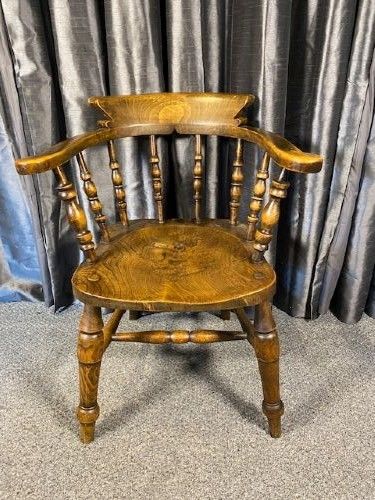
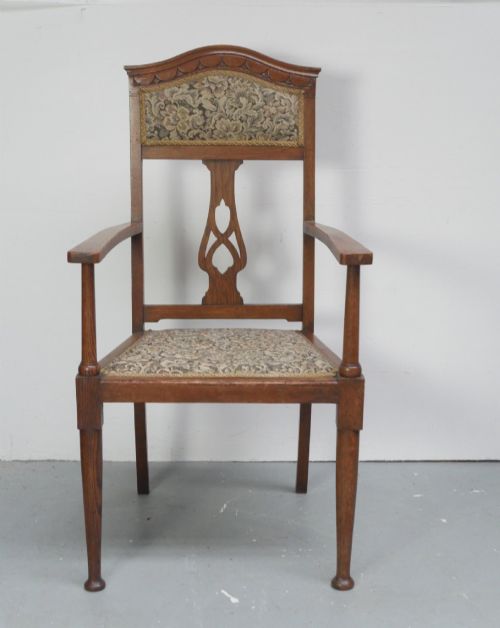
Edwardian Oak Armchairs
Edwardian oak armchairs combine solid timber frames with comfortable seating, offering practical utility and period character for any interior.
What edwardian oak armchairs are
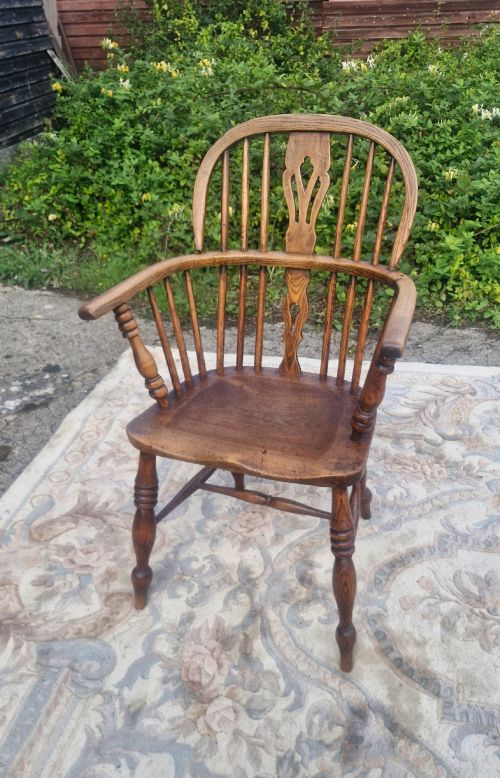
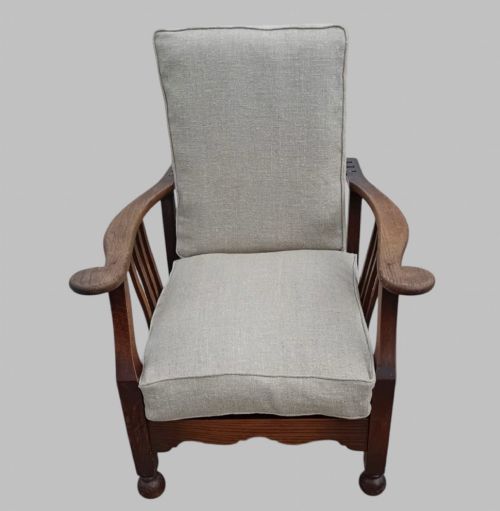
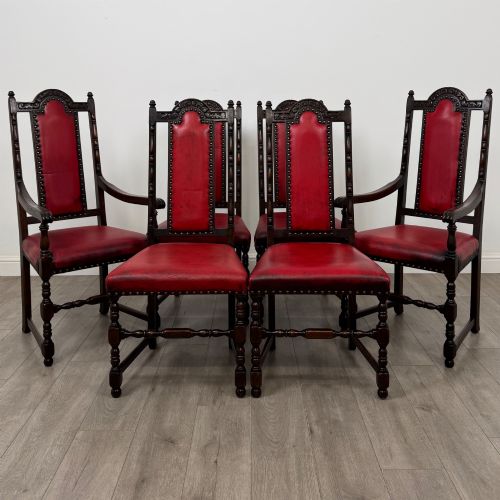
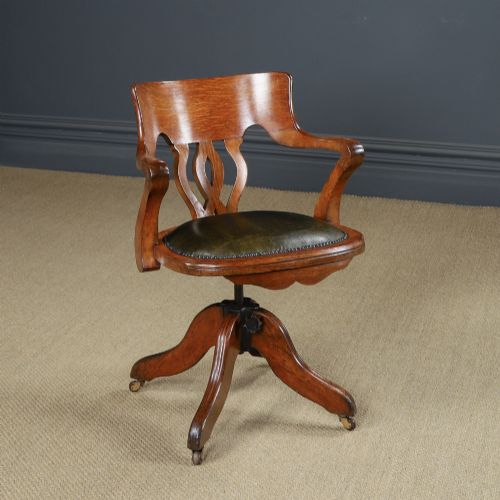
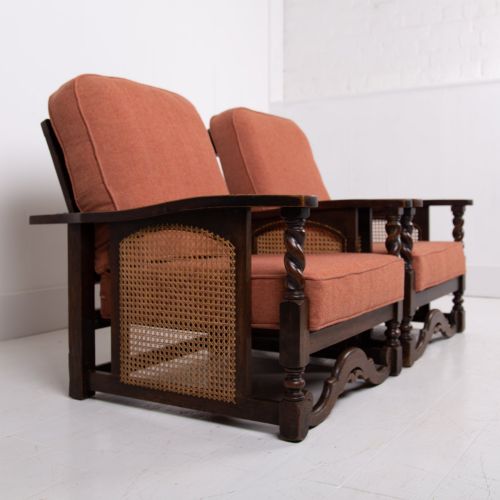
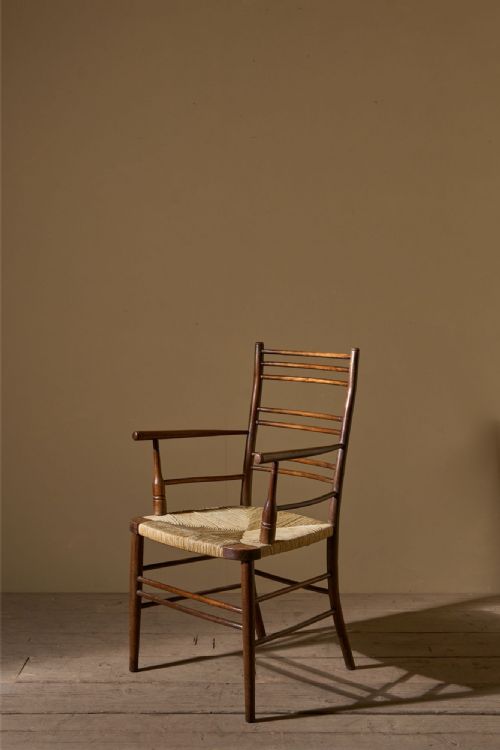
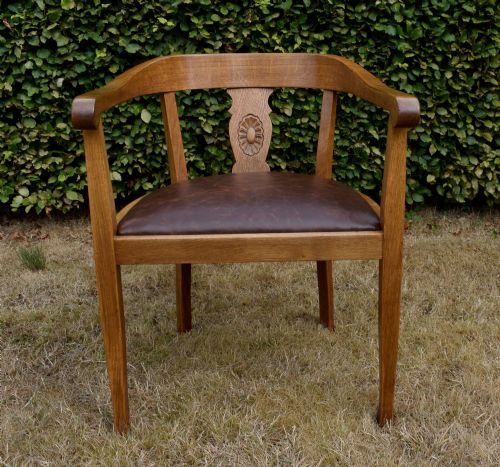
Edwardian oak armchairs span the period around the turn of the twentieth century, typically emerging from workshops operating between nineteen hundred and nineteen twenty. Buyers seeking edwardian oak armchairs encounter various formats, including carver chairs, highback models, and reclining designs.
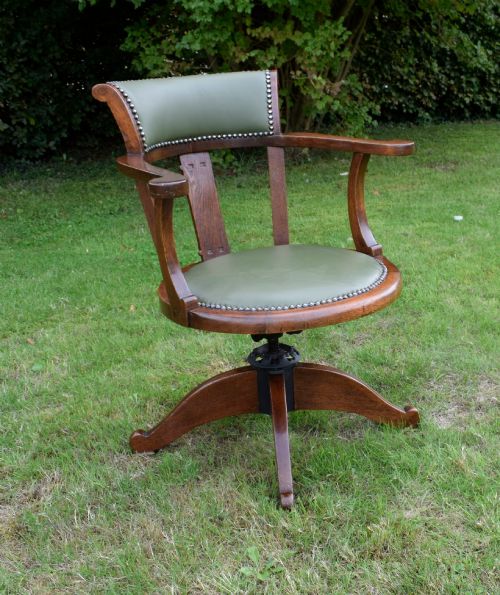
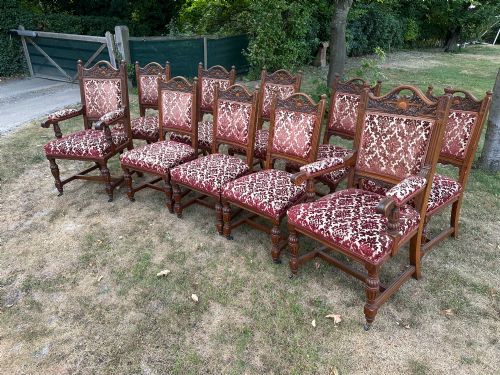
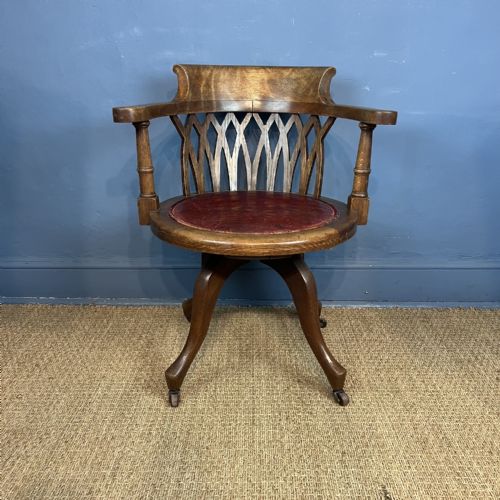
The pieces often draw upon earlier stylistic influences, visible in Jacobean Revival details and Arts & Crafts constructions. Surviving examples frequently appear as pairs, whether utilised as desk chairs, salon seating, or office armchairs.
How they were made
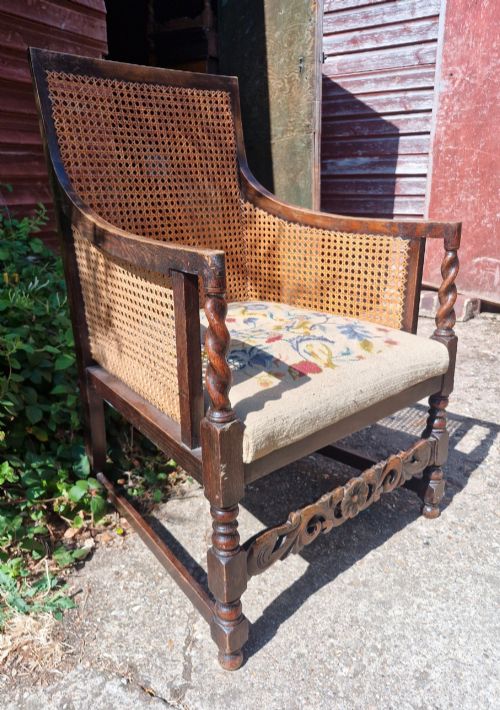
Makers utilised solid oak for the structural frames, sometimes combining the timber with beech elements. Construction techniques involved joined framework, carved embellishments, and turned components such as bobbin legs.
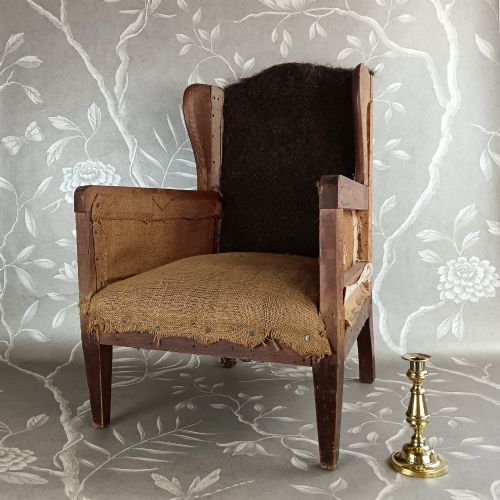
Seating portions integrated diverse materials including cane panels, upholstery fabric, tapestry fabric, and loose cushions. Certain specialist forms incorporated mechanical adjustments for reclining or lean-back functions.
Retail Price Guide 2026
Typical UK retail prices for edwardian oak armchairs, calculated from the Sellingantiques database of over a million retail prices indexed since 2003. This retail price guide relies exclusively on Sellingantiques data; no external sources or auction records are used, so the figures do not describe the wider market.
Recorded listings demonstrate that edwardian oak armchairs incorporate fabric, cane, and tapestry upholstery.
What varies in quality
The distinction between standard production items and finer pieces rests upon the crispness of the timber carving and the sophistication of the design. Standard carver chairs rely on simple turned supports, whereas examples attributed to notable makers display refined proportions and distinctive structural forms.
Material selection further defines the grade, distinguishing basic upholstered frames from double caned bergere panels or bespoke Arts & Crafts execution. The integrity of the original oak frame and the complexity of any mechanical reclining mechanism dictate the overall standard.
Shapland & Petter·Heals
The Edwardian Oak Armchairs Glossary
- Carver armchair
- An armchair featuring arms, traditionally designed to sit at the head of a dining table or function as a principal seating piece.
- Bergere
- A type of enclosed upholstered armchair characterised by cane work panels set within a wooden frame.
- Jacobean Revival
- A design style mimicking seventeenth-century motifs, featuring dark finishes, turned uprights, and geometric carved decoration.
- Arts & Crafts
- A movement prioritising traditional craftsmanship, honest material use, and simple structural forms over mass-produced ornamentation.
- Bobbin armchair
- A seat constructed with turned wooden components resembling reels or bobbins linked together.
Frequently Asked Questions
What defines edwardian oak armchairs?
These seating pieces date from the early twentieth century and utilise solid oak framing combined with various upholstery or cane inserts. They encompass diverse stylistic influences ranging from simple office forms to elaborate revival designs.
Buyers encounter formats including highback chairs, reclining models, and matching pairs designed for domestic or commercial interiors.
How do I identify Arts & Crafts examples?
Arts & Crafts pieces display honest construction methods, straightforward timber framing, and a focus on utility rather than heavy ornament. They often reflect the output of specialised cabinet makers from the period.
Such chairs value structural clarity and material honesty above applied historical decoration.
Were these chairs used in offices?
Makers produced dedicated office armchairs and desk chairs during the Edwardian era to meet commercial demands. These variants often featured sturdy oak frames built for daily working environments.
They frequently appear alongside salon and reclining armchairs in historical records.
Can I find matching pairs?
Surviving examples frequently occur as pairs, reflecting the original domestic requirement for balanced furniture arrangements in parlours and drawing rooms. Finding matched sets remains common across various styles.
These paired items maintain uniform timber tones and matching upholstery or caning.