


Traditional Oak Accent Chairs
Traditional oak accent chairs bring enduring craftsmanship and warmth to a room, offering sturdy seating grounded in centuries of woodworking heritage.
What traditional oak accent chairs are
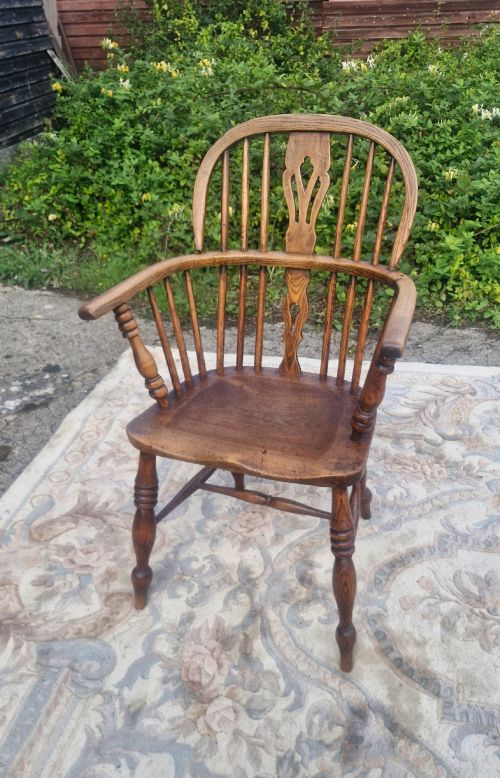
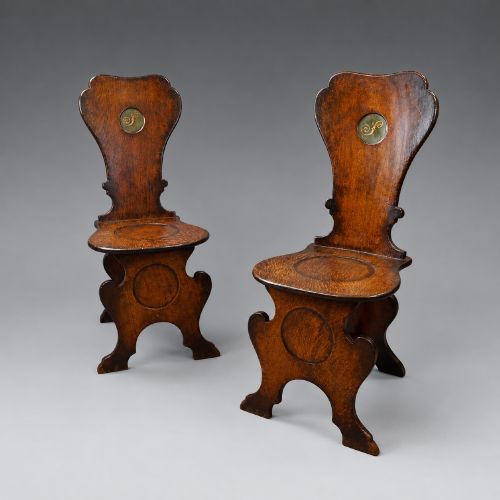
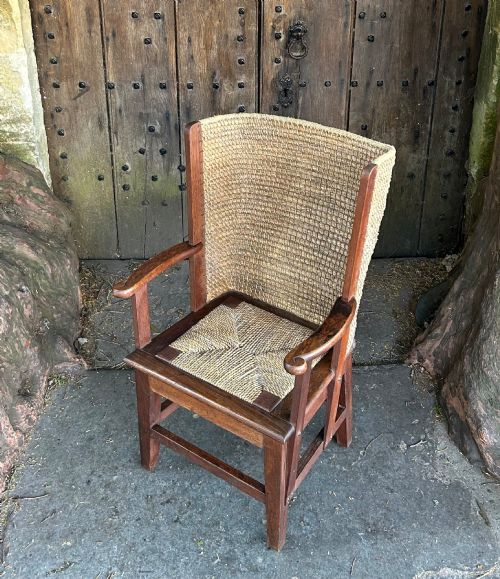
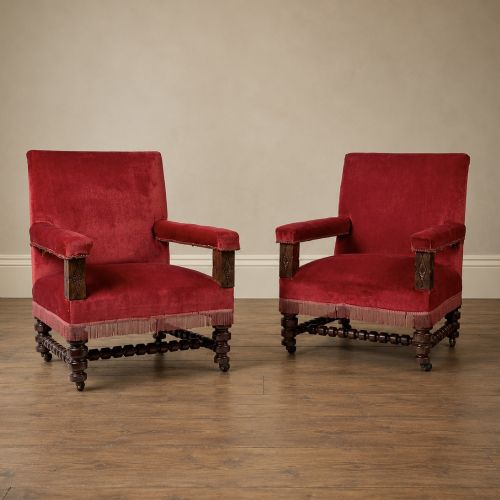
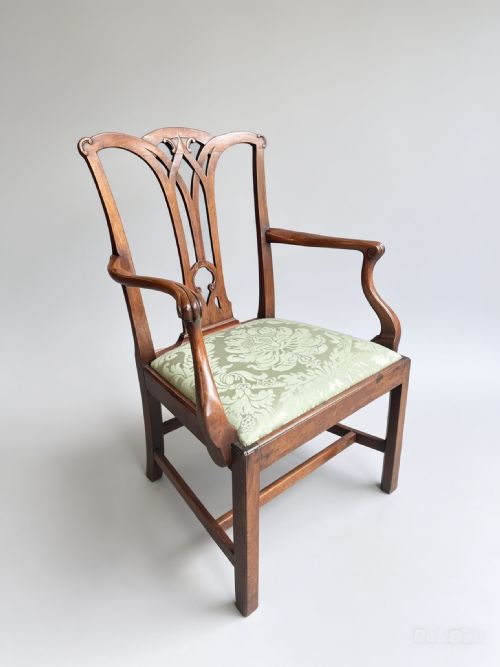
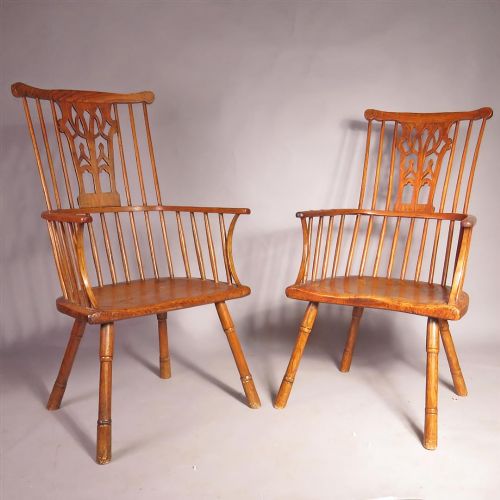
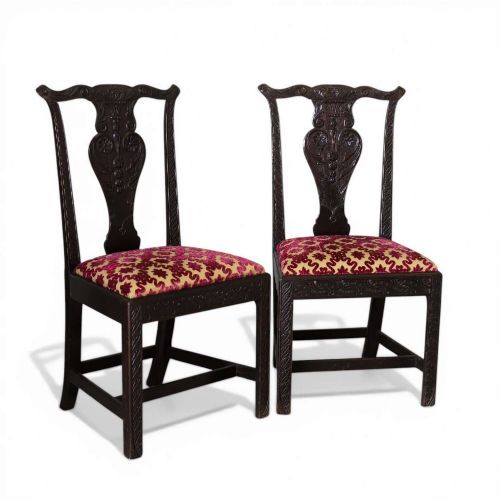
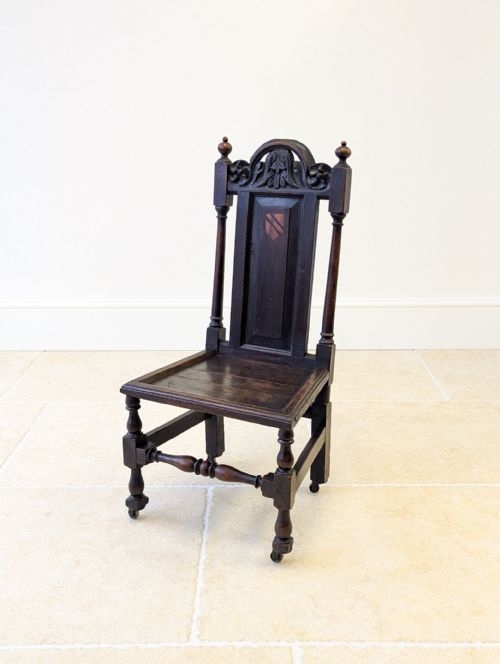
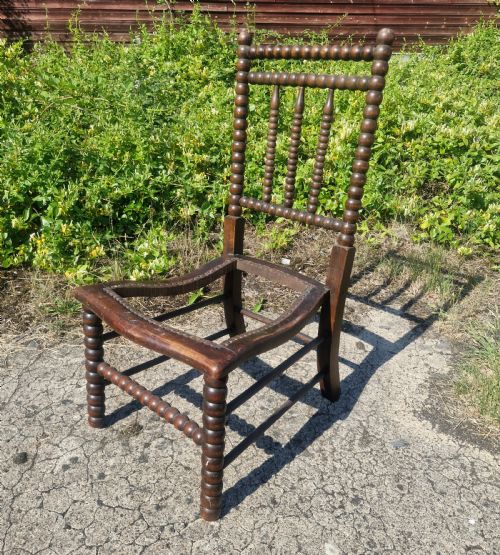
Traditional oak accent chairs encompass a variety of seating forms designed to anchor a space with character and historical presence. Buyers searching for traditional oak accent chairs will encounter pieces spanning from the eighteenth century through the twentieth century, reflecting centuries of cabinet-making traditions.
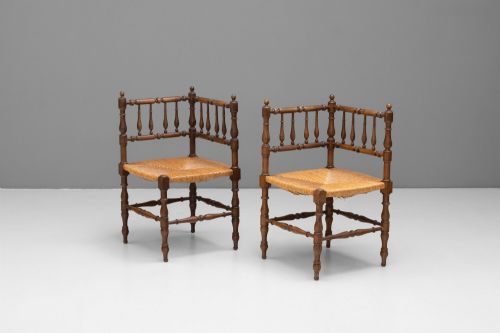
Most items appear in pairs or small sets rather than as isolated single pieces, offering symmetry for interior styling. These chairs combine utilitarian seating with distinct period aesthetics rooted in British furniture history.
Materials and construction
Construction relies primarily on solid oak, selected for its dense grain and structural strength. Workshops utilised traditional joinery techniques to frame these substantial pieces.
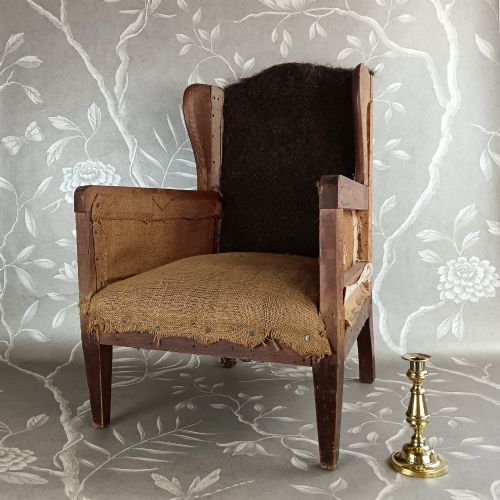
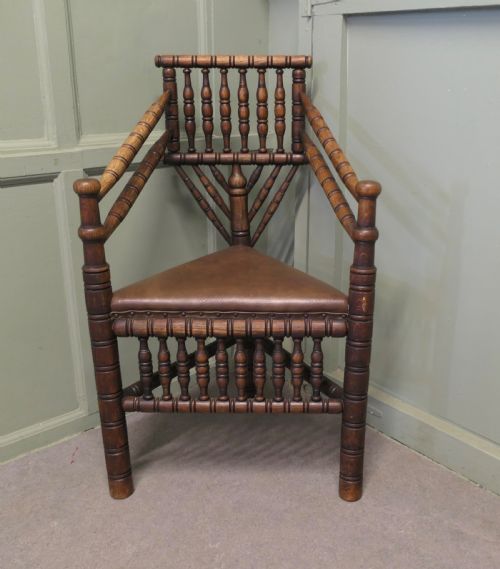
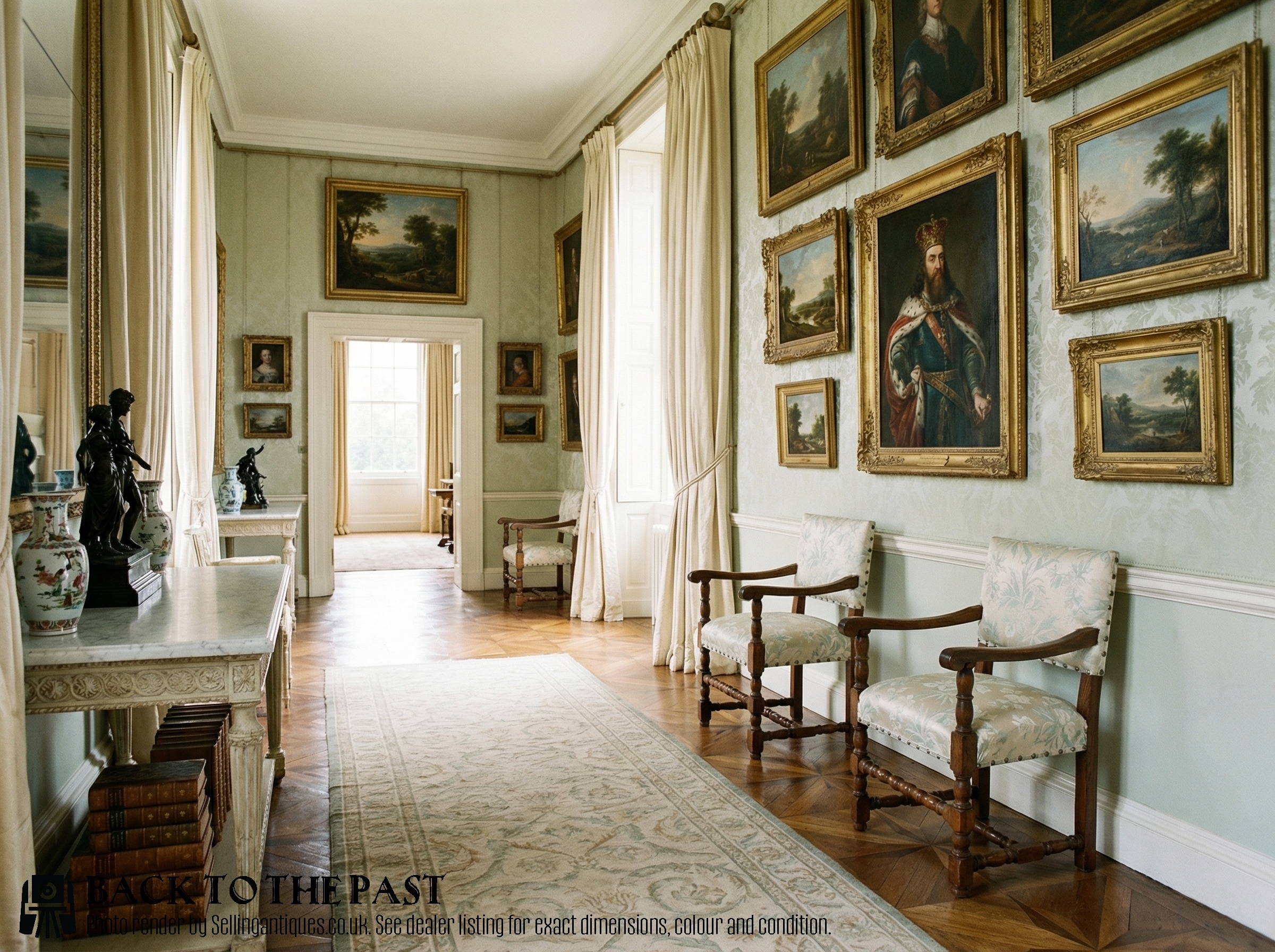
Upholstery fabric and metal studs appear on relevant seating forms, adding texture and finished detailing to the timber frames. These materials work together to create durable chairs built for daily use.
Retail Price Guide 2026
Typical UK retail prices for traditional oak accent chairs, calculated from the Sellingantiques database of over a million retail prices indexed since 2003. This retail price guide relies exclusively on Sellingantiques data; no external sources or auction records are used, so the figures do not describe the wider market.
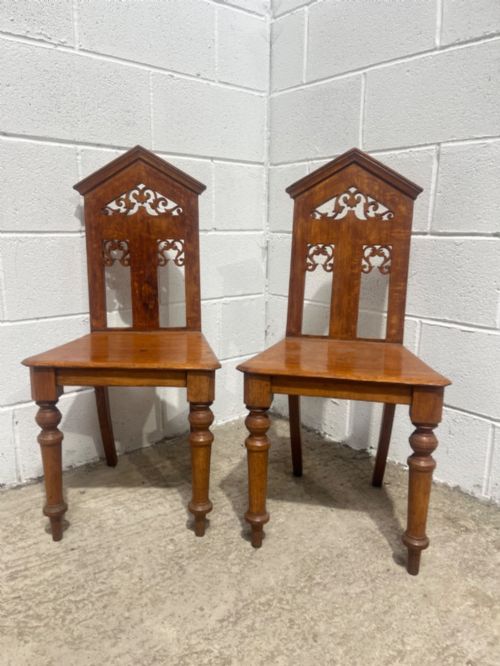
Several pairs of high back chairs in this selection practically demand an upright posture fit for a medieval court.
Distinguishing quality in oak seating
Quality in these chairs rests upon the fidelity of the period revival style and the depth of the timber's patination. Earlier pieces from the eighteenth century demonstrate hand-tooled joinery that differs from later nineteenth and twentieth-century interpretations.
The integrity of the frame and the retention of original elements, such as specific metal studs or upholstery choices, determine the standing of each piece. Superior examples maintain structural harmony alongside well-preserved wooden surfaces.
The Traditional Oak Accent Chairs Glossary
- Wainscot chair
- A heavy wooden armchair from the sixteenth or seventeenth century, constructed with panelled backs and solid timber seats. These sturdy seats represent early domestic comfort.
- Carver armchair
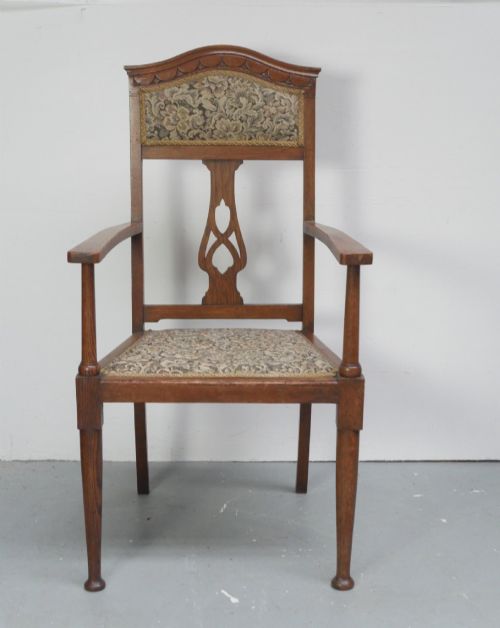
- An armchair traditionally placed at the head of a dining table or used as a prominent accent seat in a room. The term often distinguishes armed versions from standard side chairs.
- Patina
- The surface sheen and colour acquired by oak over decades of handling, exposure, and polishing. Collectors value this natural ageing process as a mark of authenticity.
Frequently Asked Questions
What defines a wainscot chair?
A wainscot chair is a heavy wooden armchair featuring a panelled back and a solid timber seat. These pieces originate from earlier domestic traditions where wood panelling was common.
They offer a distinct architectural silhouette compared to upholstered seating of later centuries.
How do I date an oak armchair?
Dating relies on examining the construction methods, tool marks, and overall style of the oak frame. Characteristics like Jacobean Revival details point to nineteenth or twentieth-century interpretations.
Comparing the timber's patination and joinery style helps place the piece within its historical period.
Are these chairs sold individually?
The listings here predominantly feature pairs and small sets rather than single chairs. This includes pairs of high back chairs and carver armchairs.
Such groupings suit symmetrical placement in traditional interiors.