

Edwardian Mahogany Display Stand
An edwardian mahogany display stand brings refined timber and glazed elegance to a room, offering a purposeful stage for cherished ornaments.
Edwardian Mahogany Display Stand
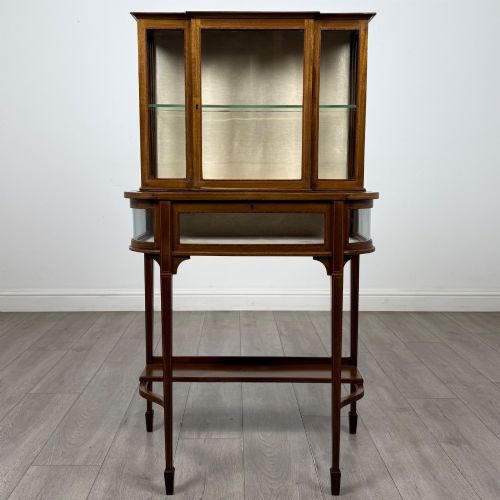
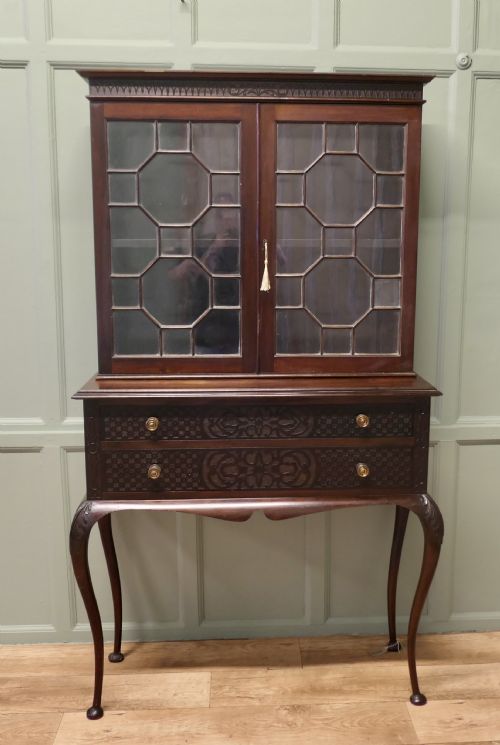
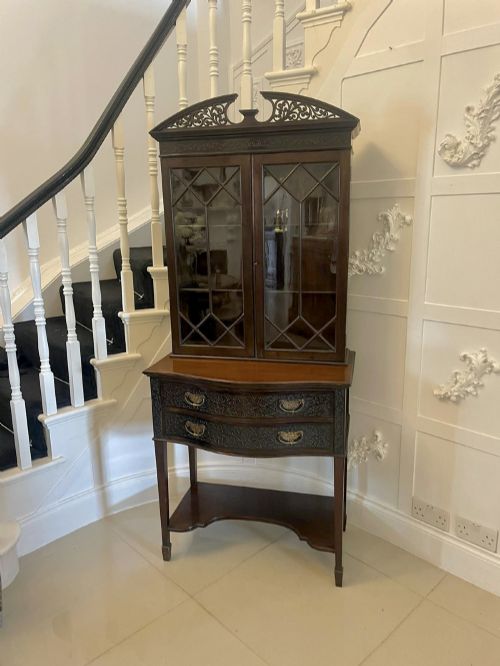
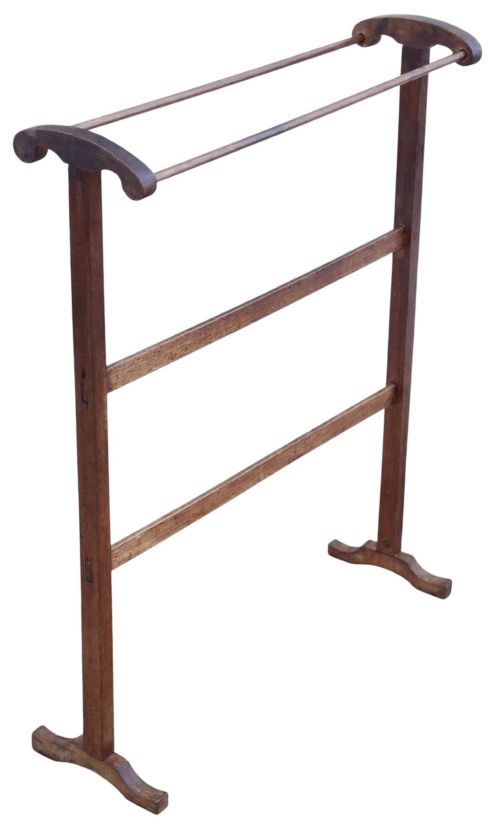
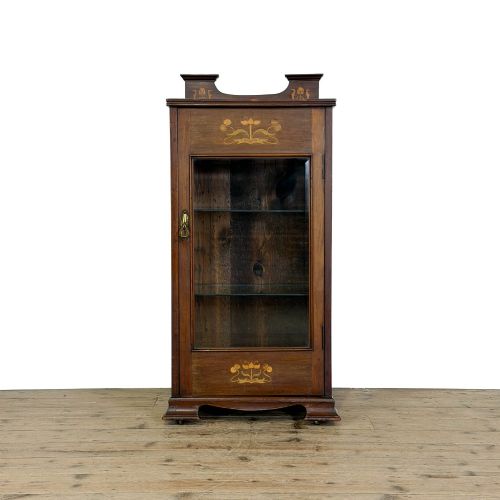
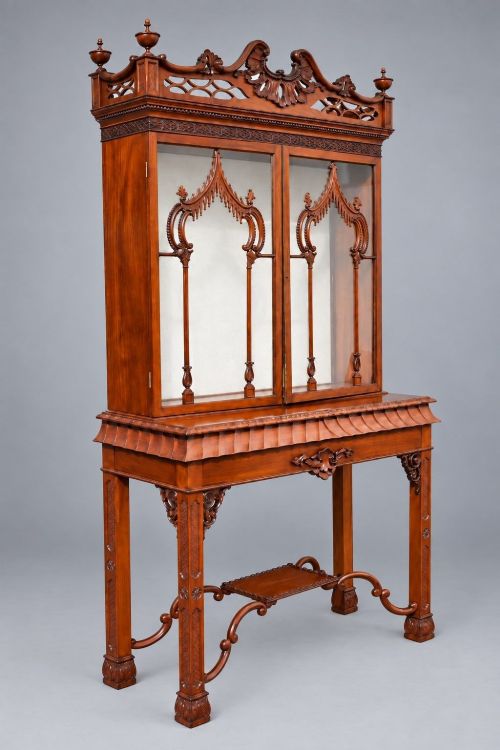
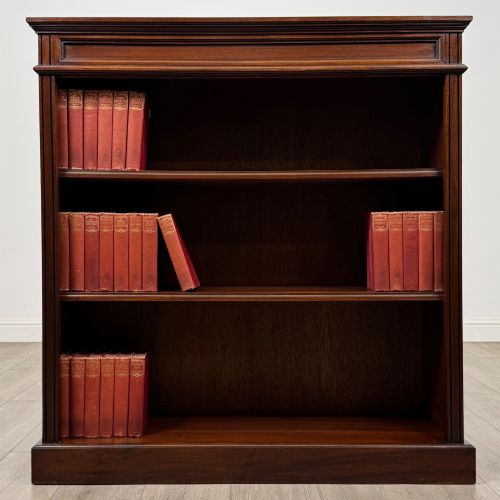
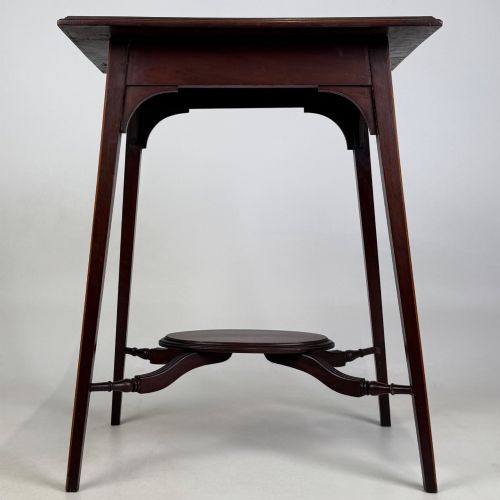
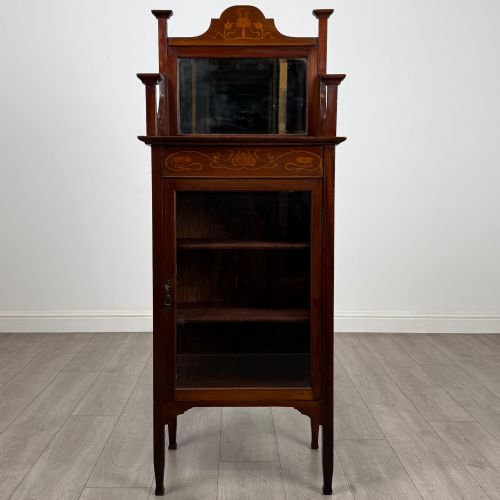
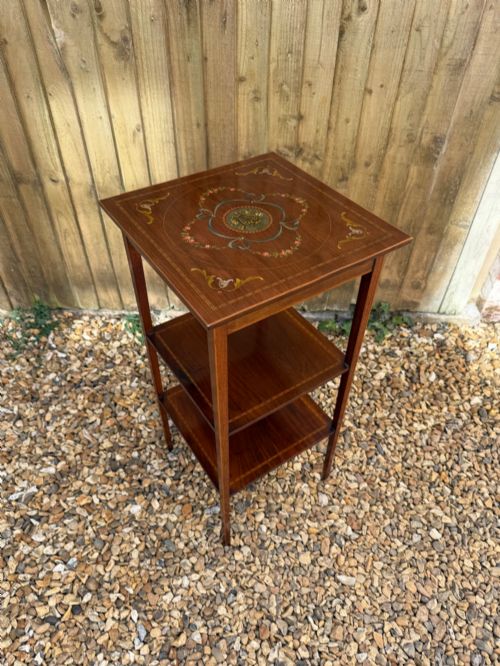
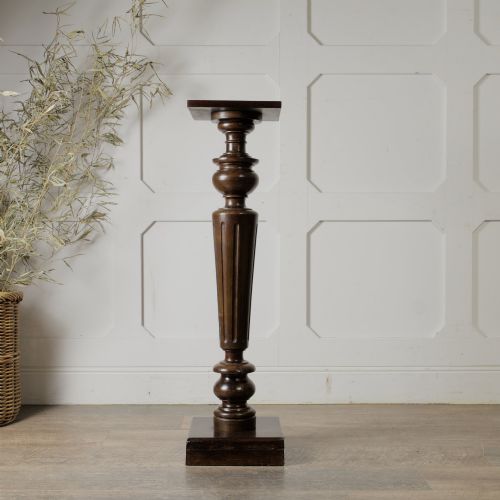
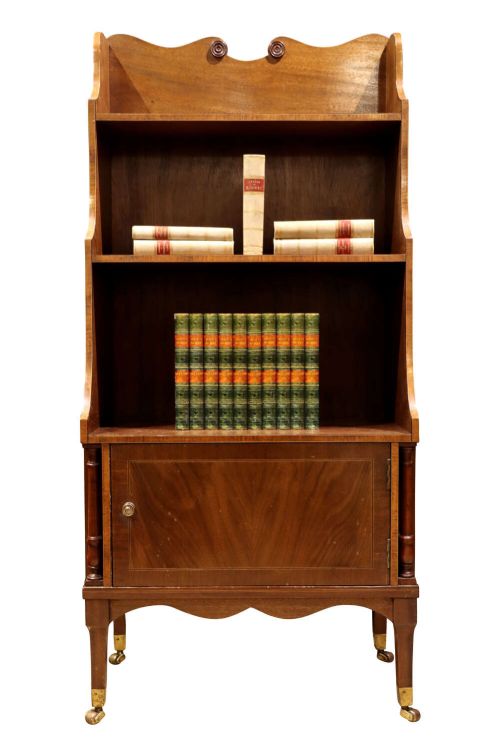
When searching for an edwardian mahogany display stand, a buyer encounters upright furniture designed to showcase ceramics, glass and small collectables. These pieces range from enclosed cabinets with glass doors and mirrored backs to open pedestals, plant stands and tiered tables.
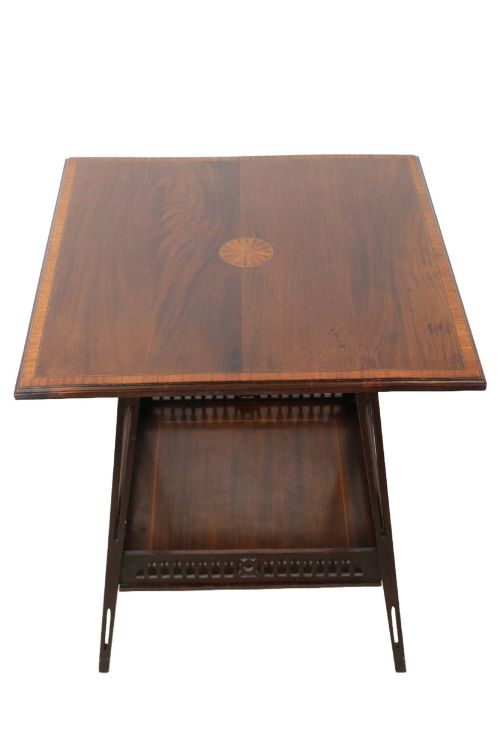
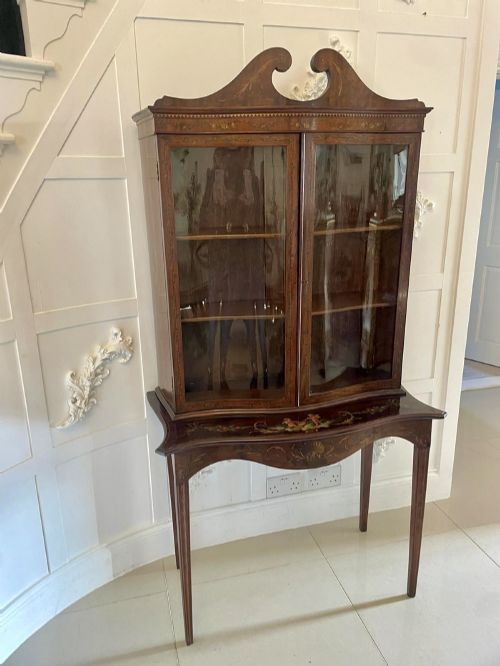
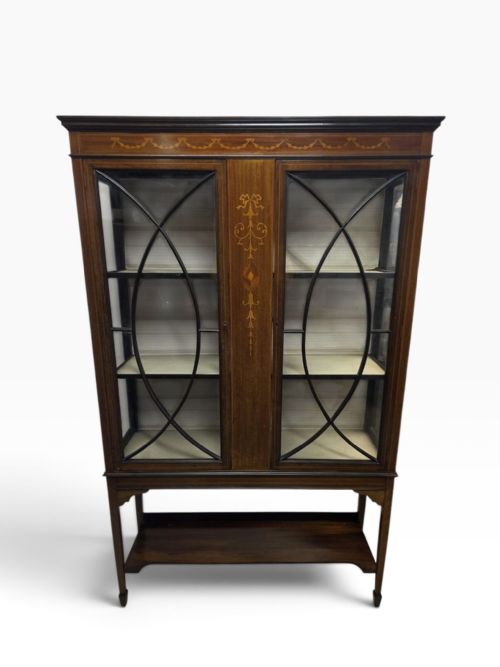
The version most commonly met on this page is the Edwardian display cabinet or stand, often elevated on slender legs and finished with delicate stringing. Alongside these are corner cabinets, occasional tables and plant stands sharing the same dark timber palette.
Materials and construction
Makers relied primarily on solid mahogany and mahogany veneers, frequently embellished with contrasting satinwood and boxwood inlay. Brass components appear regularly as hinges, handles, key escutcheons and occasionally as castors supporting the feet.
Glazing techniques define the display sections, utilising astragal bars to divide glass panels within cabinet doors. Structural joinery combines traditional framing methods with turned supports, painted highlights and marquetry motifs characteristic of the Sheraton Revival style.
Judging quality in construction and design
Quality reveals itself in the crispness of the cabinetmaker's inlay and the selection of figured mahogany timber for the primary visual surfaces. Finer examples display balanced proportions, meticulous glass astragals and well-executed painted or marquetry decoration.
The integration of original hardware, functioning locks with keys and preserved interior elements such as mirrored back panels and lined shelves elevate a piece. Structural integrity in the legs and joints ensures the stand supports its load securely.
Trevor Page & Co·Maple & Co·Edwards & Roberts
The Edwardian Mahogany Display Stand Glossary
- Astragal
- A narrow moulding used to hold glass panes within a door frame. These intersecting wooden strips create geometric patterns across display cabinet doors.
- Satinwood inlay
- A contrasting light yellowish wood inserted into darker mahogany surfaces to form geometric borders and decorative motifs. This technique defines much of the Sheraton Revival aesthetic.
- Torchere
- A tall, slender stand designed to support a lamp, plant or decorative object. Edwardian versions frequently utilise turned mahogany shafts and tripod or pedestal bases.
- Jardiniere
- A decorative container or stand intended to hold plants or flowers. In Edwardian furniture, these often feature waterproof liners or brass-bound wooden tubs.
- Marquetry
- An elaborate veneer technique where pieces of various coloured woods are fitted together to create pictorial designs. It appears on prominent panels of upscale Edwardian cabinets.
Edwardian Mahogany Display Stand: Frequently Asked Questions
Where should I place a display stand?
These stands suit reception rooms, drawing rooms or hallways where natural light can illuminate the items displayed inside. Corner units make effective use of neglected architectural angles without dominating the floor space.
Ensure the piece sits away from direct heat sources and strong sunlight to protect the mahogany timber and any delicate interior linings.
How do I care for mahogany furniture?
Maintain the finish by dusting regularly with a soft, dry cloth and avoiding silicone-based polishes. Occasional application of a quality beeswax helps nourish the timber and preserve its natural lustre.
Keep glass panels clean using standard glass cleaner applied to a cloth rather than sprayed directly, protecting the surrounding wood.
How do I distinguish Edwardian from Victorian?
Edwardian furniture generally exhibits lighter proportions, simpler lines and greater use of delicate satinwood inlay compared to heavier Victorian predecessors. The Sheraton Revival influence dominates Edwardian designs, favouring elegance over heavy carving.
Victorian pieces often display darker, denser timber with more robust turnings and elaborate, heavy mouldings.
Can these stands support heavy items?
Most Edwardian display stands and cabinets are engineered for lighter decorative objects, ceramics, glassware and books rather than heavy loads. The slender legs and fine framing require thoughtful weight distribution across the shelves.
Heavier items should sit on the lowest, most stable shelf or directly on the base platform of the unit.