

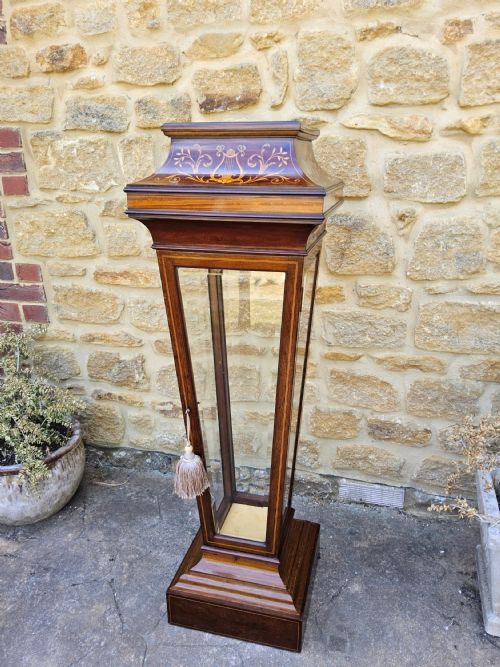
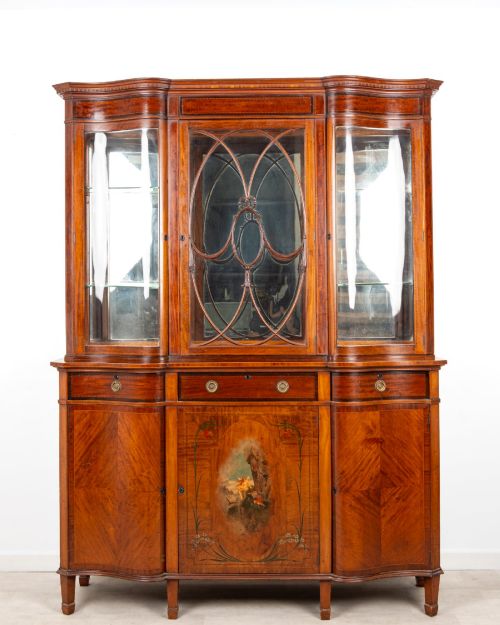
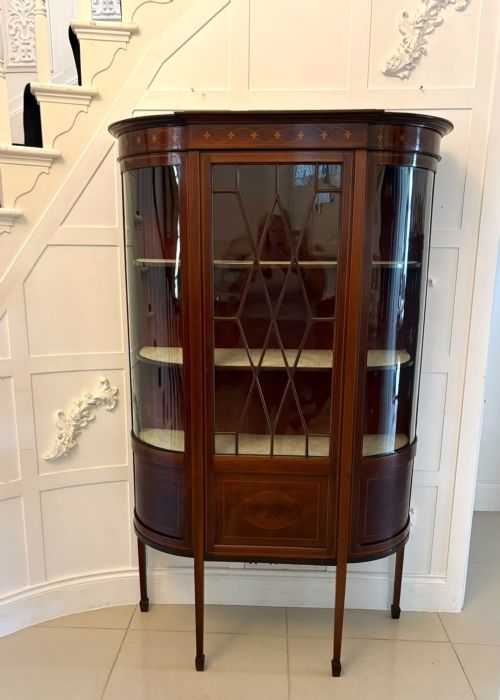
Edwardian Mahogany Display Case
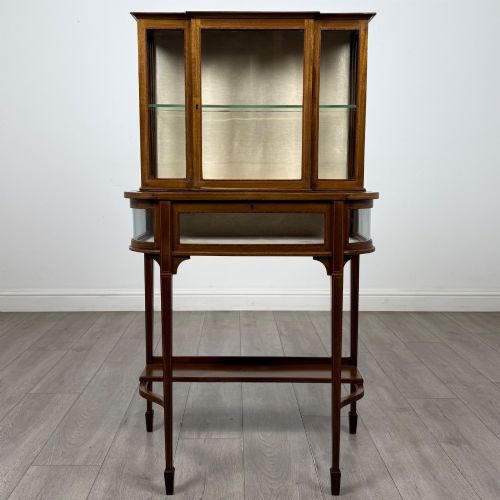
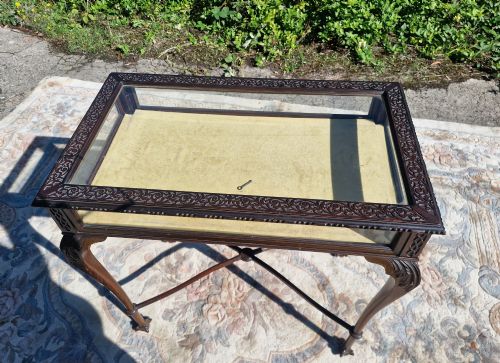
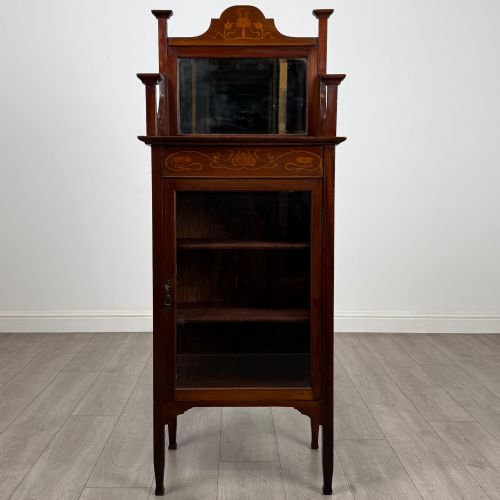
When you search for an Edwardian mahogany display case, you are looking at glazed cabinets and glazed tables built to show precious objects.
Edwardian Mahogany Display Case
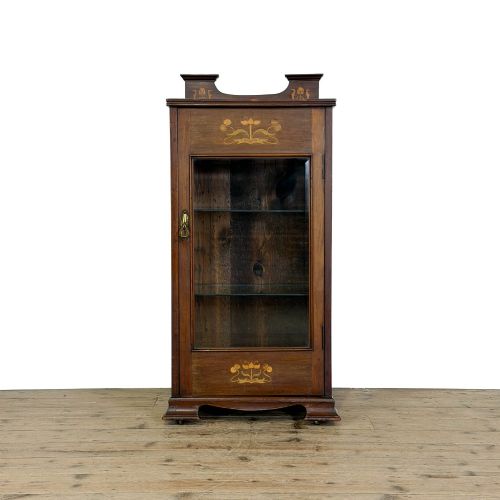
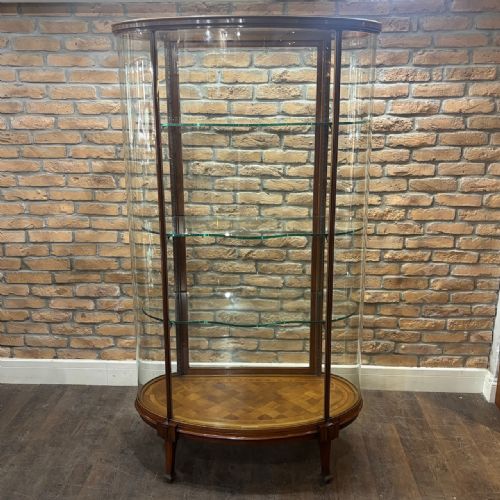
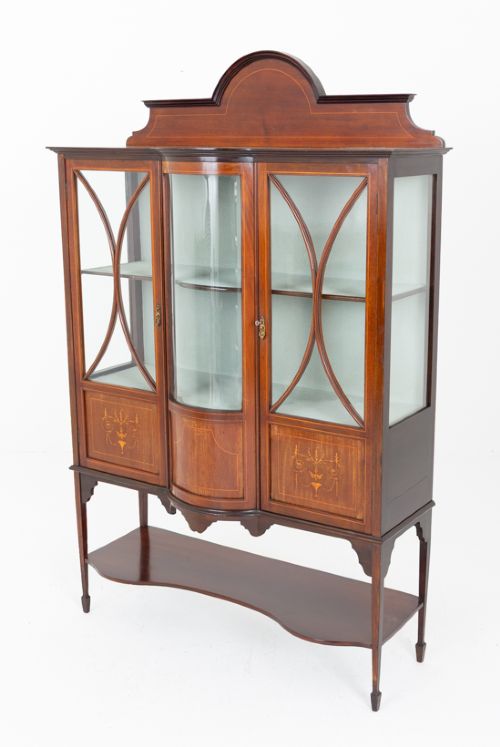
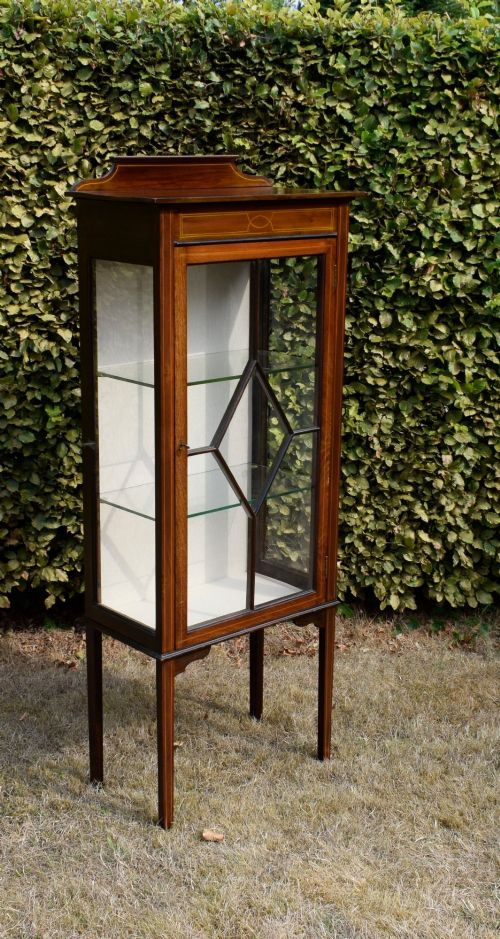
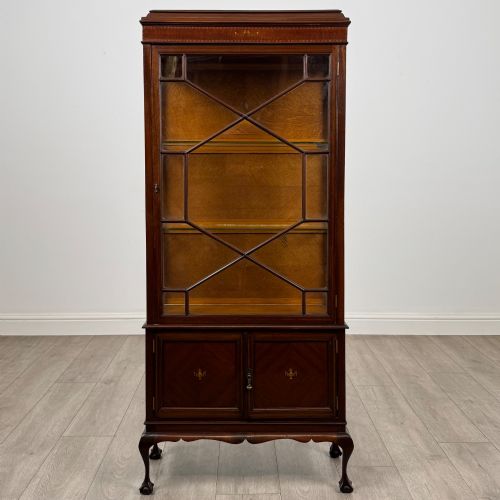
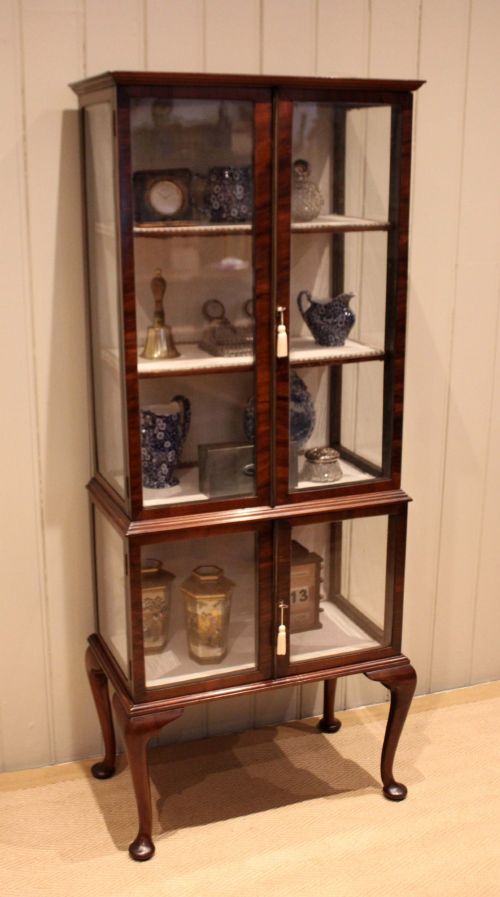
An Edwardian mahogany display case encompasses a wide variety of furniture forms designed for visibility and containment, ranging from tall freestanding bookcases and china cabinets to low bijouterie tables and countertop shop cases.
The pieces appearing in this category predominantly date from the Edwardian era and the early twentieth century, alongside examples stretching from the late nineteenth century up to the mid twentieth century.
Makers and workshops of this period utilised rich timber and extensive glass panels to create items intended for both domestic drawing rooms and commercial retail spaces.
Materials and Technique
Cabinet makers built these structures primarily using mahogany, frequently incorporating satinwood inlay, brass fittings, and painted decorations to enrich the external surfaces.
Transparency and reflection played central roles in the construction, achieved through large glass panes, adjustable glass shelves, and mirrored interior back panels.
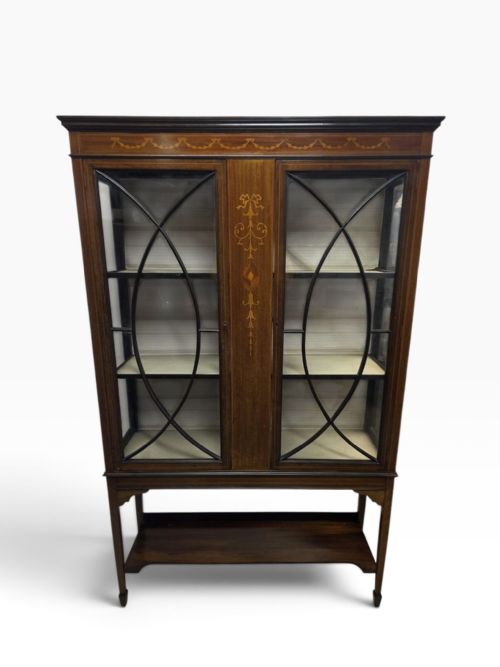
Workshops applied specialised glazing techniques, including astragal glazing bars, to secure the glass within doors and tabletops while maintaining a light aesthetic.
Chocolates once sat proudly inside specialised advertising cabinets alongside fine china.
Assessing Quality
Quality rests upon the selection of the timber, distinguishing plain wood from finely figured mahogany and intricate satinwood inlay work.
The refinement of the joinery and hardware separates standard production from exceptional pieces, evident in well-fitted brass mounts, original keys, and finely constructed internal shelving.
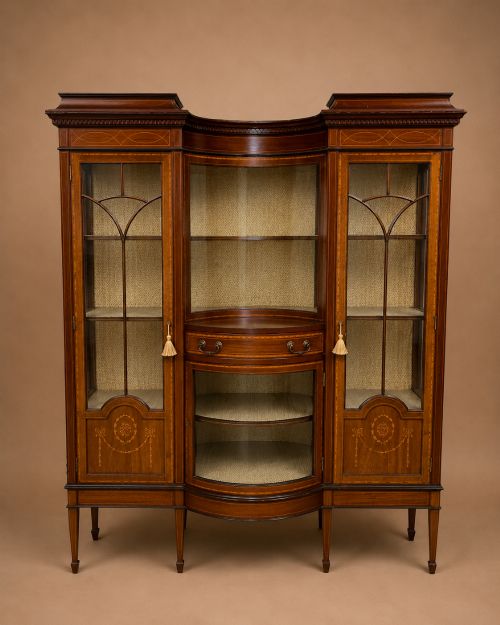
Design complexity marks the upper tier of the range, shifting simple rectangular boxes toward serpentine shapes, bow ends, and sophisticated revival styles.
F. Sage & Co·Maple & Co.·T. Inglesant & Sons Leicester
The Edwardian Mahogany Display Case Glossary
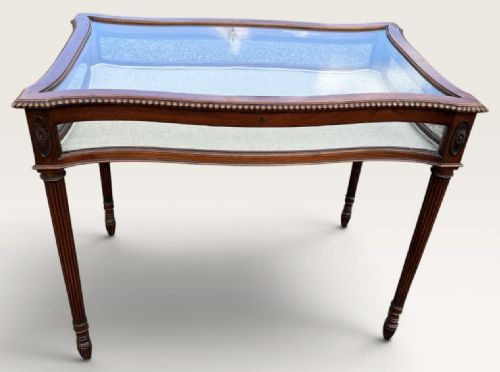
- Bijouterie table
- A glass-topped display table specifically designed for small valuables, medals, and jewellery. These pieces often stand on slender legs with glazed sides to allow all-round viewing.
- Astragal glazing
- A method of dividing a glass window or door into smaller panes using narrow wooden or metal bars. This technique creates a delicate lattice effect across cabinet doors.
- Satinwood inlay
- A decorative technique where contrasting light satinwood is set flush into the darker mahogany surface. It frequently forms geometric borders, swags, or floral motifs.
- Breakfront
- A cabinet design where the central section projects forward from the flanking wings. This architectural arrangement adds depth and visual rhythm to larger bookcases and display units.
- Pedestal display case
- A freestanding cabinet raised on a base or legs to elevate the viewing area. These items provide high visibility for objects placed within interior compartments.
Edwardian Mahogany Display Case: Frequently Asked Questions
What is a bijouterie table?
A bijouterie table is a specialised display case featuring a glass top and glazed sides, raised on legs. It was traditionally used in drawing rooms to exhibit small personal treasures and collectibles.
These tables allow viewers to inspect items from above while keeping them protected behind glass.
How do I identify Edwardian furniture?
Edwardian furniture dates from the reign of King Edward VII, spanning roughly from 1901 to 1910, though the style extends slightly either side. Pieces from this era often lighter in build than Victorian furniture, drawing heavily on eighteenth-century Sheraton and Chippendale revivals.
Look for refined mahogany construction, delicate satinwood inlay, and neoclassical motifs rather than the heavy proportions of the preceding century.
Were these cases used in shops?
Many surviving display cases originated in commercial retail environments rather than domestic homes. Haberdashers, jewellers, and general merchants utilised glazed countertop cabinets and tall freestanding shopfitting cases to present goods to customers.
These commercial pieces share the same fine mahogany framing as domestic cabinets but often feature adjustable shelving and mirrored backs tailored for retail display.
What does astragal glazed mean?
Astragal glazed refers to cabinet doors where the glass is held in place by a framework of narrow wooden mouldings called astragals. This creates a grid pattern that breaks up large expanses of glass.
This technique is a hallmark of classical revival styles, adding architectural detail to the front of a bookcase or display cabinet.