
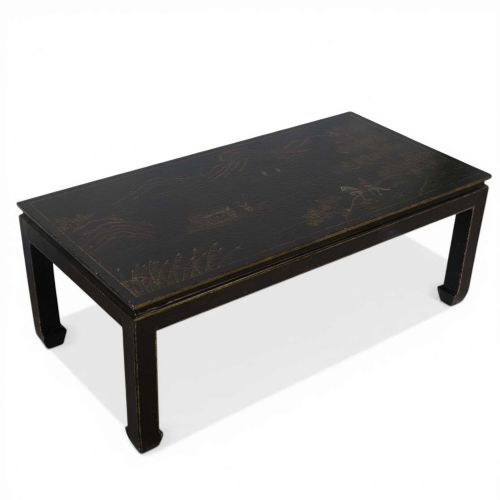
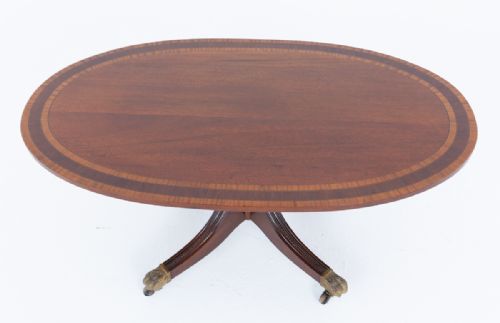


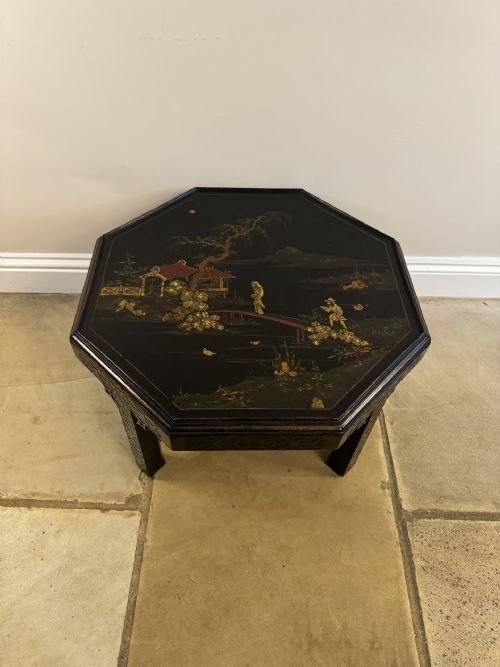
Edwardian Low Cocktail Table
An edwardian low cocktail table brings functional surface height and period character to a modern room.
Edwardian Low Cocktail Table
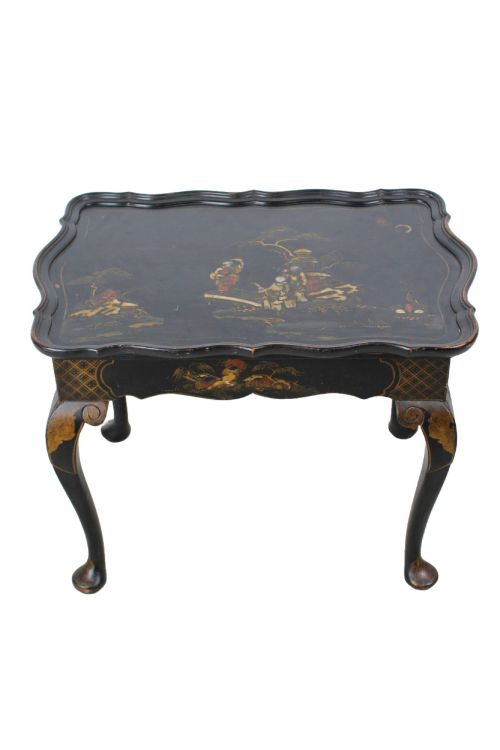
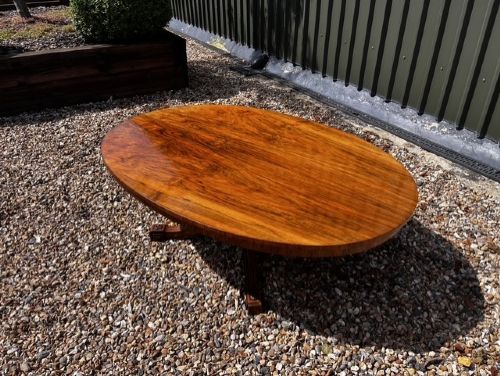
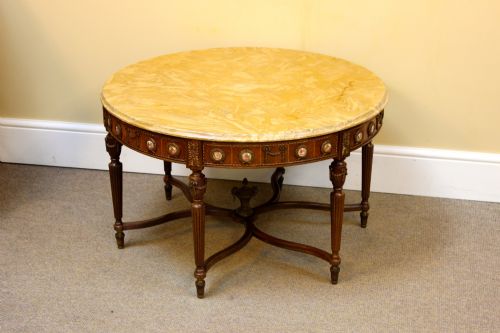
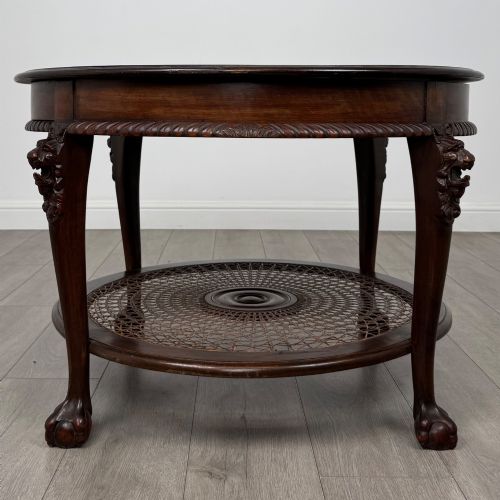
An edwardian low cocktail table spans forms derived from earlier furniture styles including Chippendale, Sheraton, and Regency revivals alongside distinctive Edwardian Chinoiserie interpretations. You will encounter circular, oval, and tray top formats resting on low frames.
The periods represented stretch from the Victorian era and the late nineteenth century through the Edwardian period into the 1920s and 1930s. Materials vary from mahogany and walnut to oak, yew wood, brass, lacquer, and cane.
Makers such as Holland & Sons and Whytock and Reid appear among the English pieces alongside japanned and painted surfaces with decorative scenes. These tables serve as low coffee surfaces adapted from earlier designs.
Construction and Materials
Cabinetmakers utilised timber construction featuring mahogany, walnut, oak, and yew wood, frequently finished with oyster veneers or painted lacquered schemes. Decorative elements include brass fittings and gilt details.
Surface treatments range from plain polished wood and marble tops to intricate Chinoiserie painted scenes on lacquer bases. Tray top edges and pie crust borders show specialised joinery and moulding techniques.
Revival styles span Chippendale, Sheraton, Regency, and Louis XVI influences applied to low table formats.
Assessing Quality
The calibre of an edwardian low cocktail table rests on the selection of timber figures, such as figured walnut or oyster veneer, and the crispness of carved details in revival styles. Superior examples display balanced proportions and refined maker execution.
Painted and lacquered pieces vary according to the hand of the artist executing the decorative scenes. The integrity of original surfaces and specific maker attributions distinguish exceptional pieces from standard workshops.
Holland & Sons·Whytock and Reid
The Edwardian Low Cocktail Table Glossary
- Chinoiserie
- European interpretations of Chinese and East Asian artistic traditions. This style frequently appears in lacquered finishes with painted scenes.
- Pie Crust
- A raised, scalloped edge carved around the perimeter of a circular table top. The profile resembles the crimped crust of a pastry pie.
- Sheraton Revival
- A furniture style drawing inspiration from the late eighteenth-century designs of George Sheraton. It emphasises neoclassical elegance and light proportions.
- Tray Top
- A table surface featuring a raised gallery edge designed to prevent items from sliding off. This form adapts serving trays into permanent furniture bases.
Edwardian Low Cocktail Table: Frequently Asked Questions
What defines an edwardian low cocktail table?
These pieces comprise low coffee tables produced during the Edwardian era and surrounding decades, often drawing on earlier revival styles or Chinoiserie decoration.
They adapt traditional furniture forms to the lower proportions required for modern seating arrangements.
How do I identify the period of these tables?
Dating relies on timber selection, construction methods, and stylistic revival markers associated with Victorian, Edwardian, and early twentieth-century workshops.
Specific finishes like japanned lacquer or oyster veneers point directly to the prevailing tastes of their respective decades.
Were these tables originally made as low tables?
Many examples began life as taller occasional tables or serving items before being adapted to low cocktail heights in later periods.
Others were constructed specifically as low tables to meet changing domestic habits during the early twentieth century.
How should I care for a lacquered or painted surface?
Lacquered and painted finishes require gentle dusting with a soft, dry cloth and protection from direct sunlight and moisture.
Avoiding harsh chemical cleaners preserves the delicate painted scenes and decorative details over time.
Can I use a tray top table for serving drinks?
Tray top designs with fixed or removable edges accommodate drinks and glassware securely during social gatherings.
Care should be taken with vintage surfaces to use coasters and prevent liquid spills from damaging the timber or lacquer.