

Edwardian Jardiniere Stand
An Edwardian jardiniere stand brings architectural elegance and period greenery into a room, designed specifically to elevate potted plants.
Understanding the Edwardian jardiniere stand
An Edwardian jardiniere stand serves as a dedicated support for household plants, holding heavy ceramic pots and wooden tubs safely off the floor. These pieces date from the early twentieth century, reflecting a domestic enthusiasm for indoor ferns and palms.
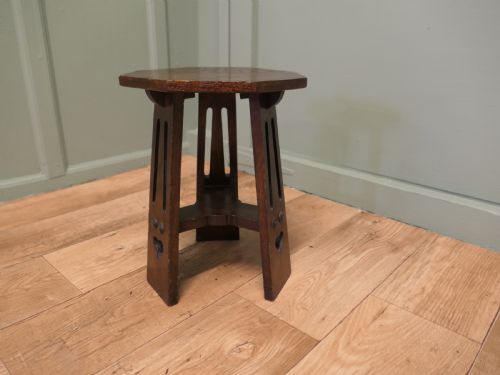
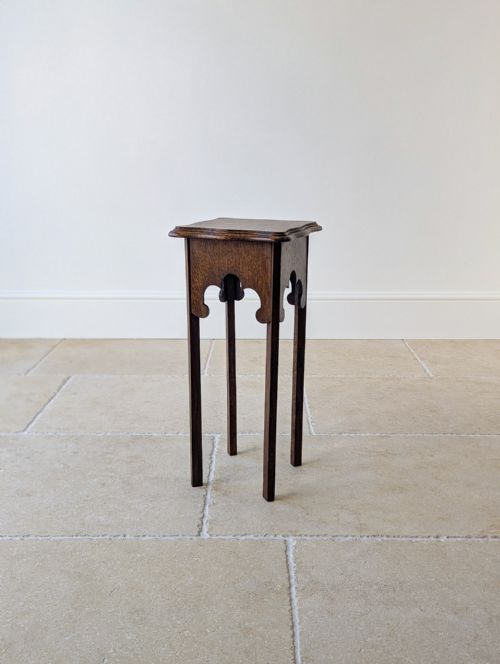
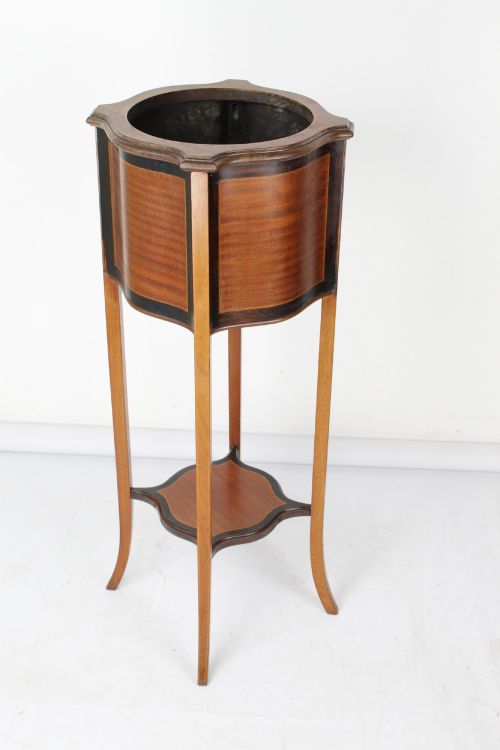
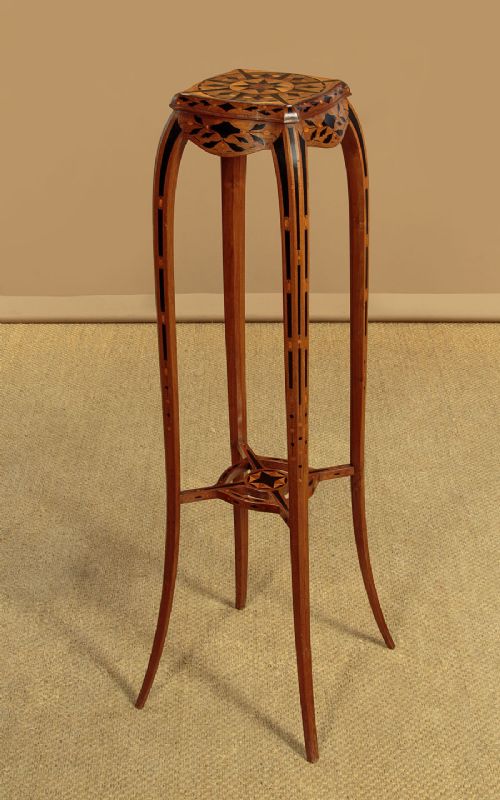
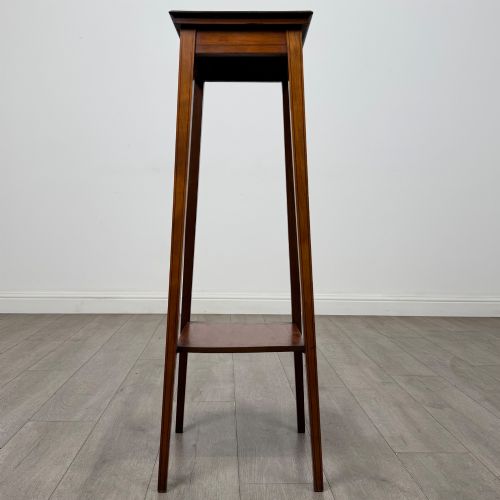
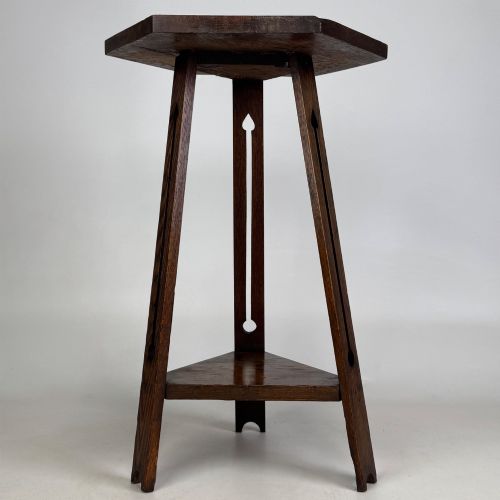
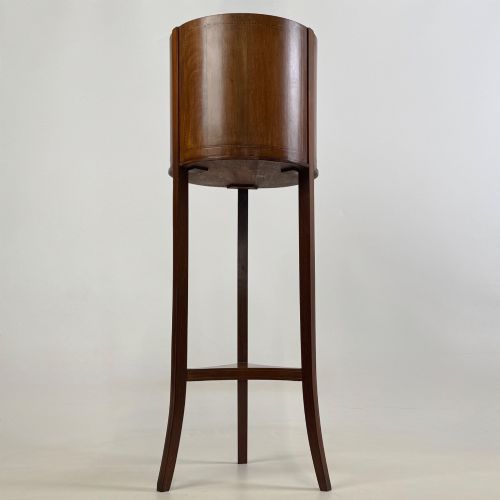
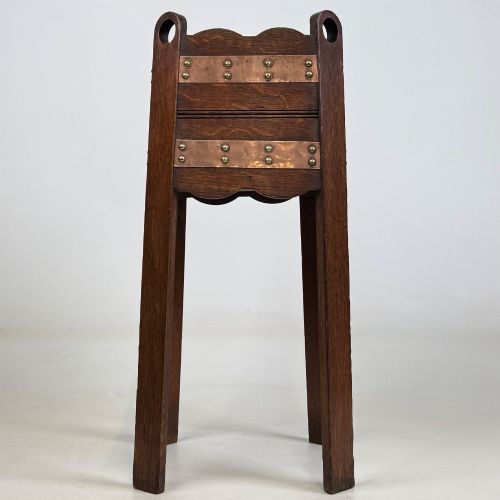
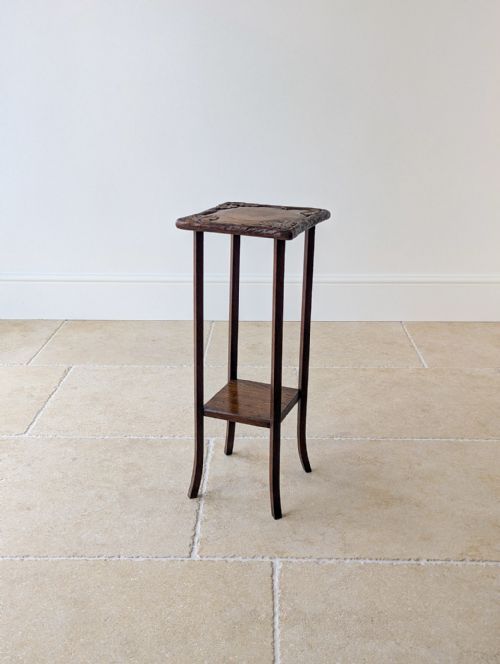
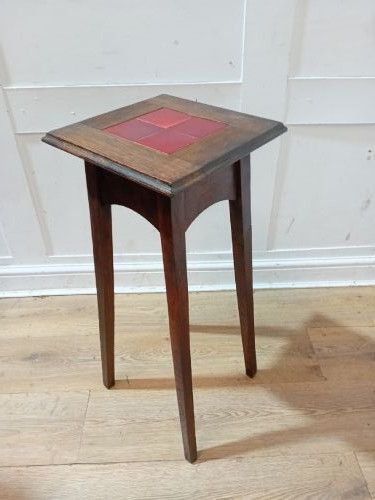
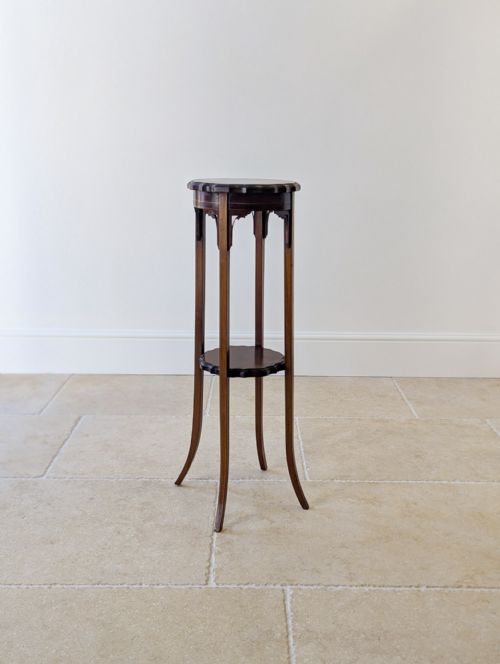
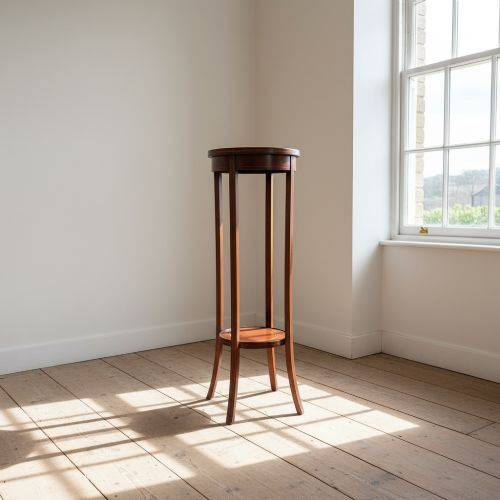
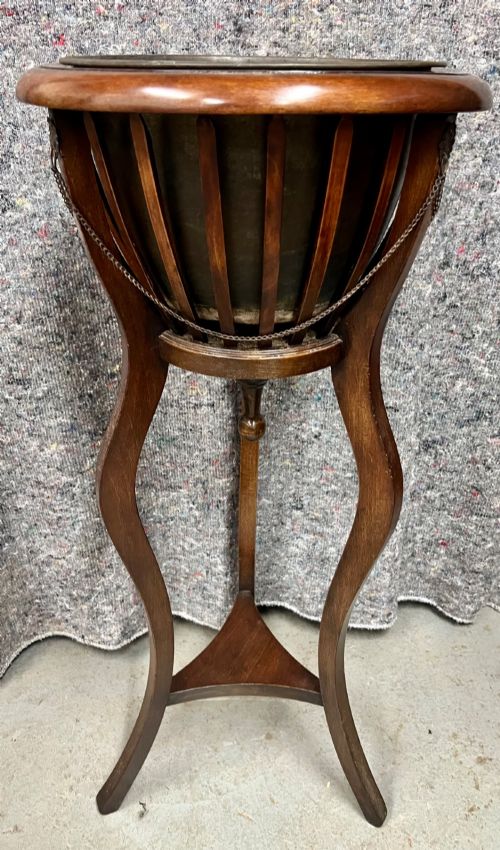
The most common form on this page is the slender wooden plant stand, frequently fashioned from mahogany with delicate tapering legs. Many examples incorporate round tops, sometimes lined with metal or brass to catch water, while others take the form of coopered oak barrels.
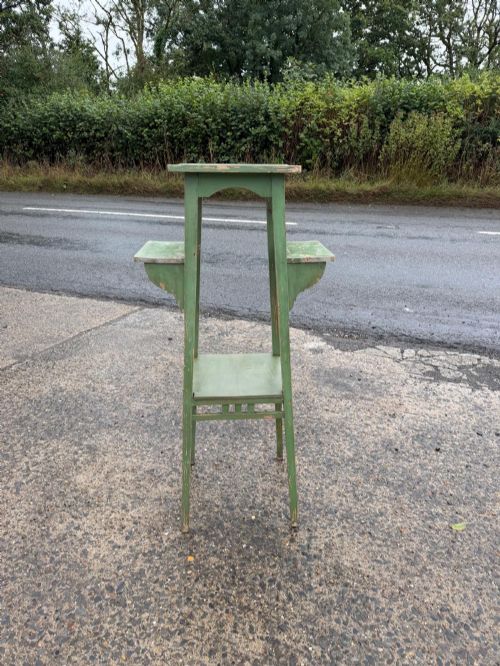
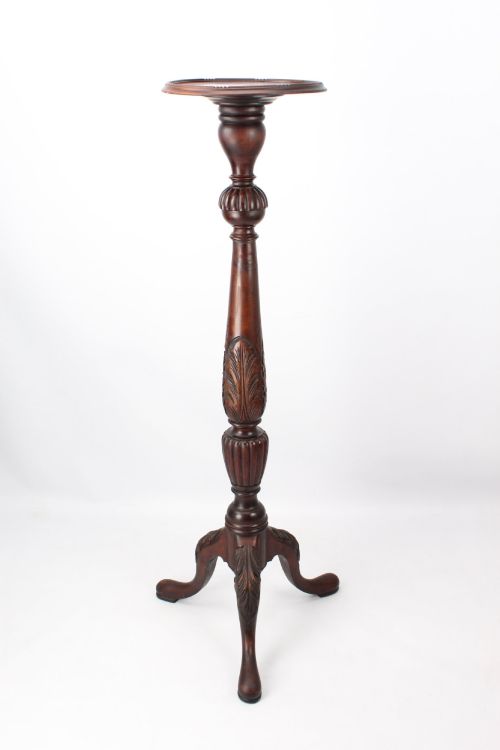
Makers of the period also produced multi-tiered versions and specialised torchere supports that doubled as display surfaces for busts or lamps. Satinwood variations appear alongside darker timbers, often embellished with marquetry or fine line inlay.
Materials and construction methods
Cabinetmakers relied heavily on mahogany and oak as the structural backbone for these stands, selecting dense timbers capable of supporting heavy loads of wet soil and foliage. Satinwood was also utilised for lighter, more decorative pieces destined for formal reception rooms.
Inlay work defined much of the surface ornamentation, utilising boxwood and contrasting veneers to create geometric patterns, floral motifs, or classical swags. Metal components such as brass liners and coopered bands provided both functional water resistance and structural integrity.
Coopered construction methods, borrowed from barrel making, allowed staves of solid oak to be bound together securely around a central cavity. Joinery techniques from the era ensured that tall, slender legs remained stable despite carrying top-heavy planters.
Retail Price Guide 2026
Typical UK retail prices for edwardian jardiniere stand, calculated from the Sellingantiques database of over a million retail prices indexed since 2003. This retail price guide relies exclusively on Sellingantiques data; no external sources or auction records are used, so the figures do not describe the wider market.
Markers of distinction and craftsmanship
Superior quality in an Edwardian jardiniere stand reveals itself through the crispness of the boxwood inlay and the careful selection of figured timber grain. Pieces boasting hand-painted floral panels or intricate Dutch marquetry sit firmly at the higher end of the period's output.
Structural refinement separates standard production pieces from finer workshop commissions, particularly in the precision of the coopered staves and the weight of the fitted brass liners. The grace of the tapering legs and the integration of lower shelves for added stability further distinguish better examples.
Lister and Co
The Edwardian Jardiniere Stand Glossary
- Jardiniere
- An ornamental pot or stand designed to hold a plant or floral arrangement. These vessels form the central purpose of the furniture types found in this category.
- Coopered
- Built from vertical wooden staves fitted together and bound with metal bands, much like a traditional barrel. This technique appears frequently in oak planters.
- Torchere
- A tall, slender stand originally designed to hold a light source but later adapted for display purposes. They frequently share categories with plant stands.
- Marquetry
- The art of applying pieces of veneer to a structure to form decorative patterns and pictures. This technique decorates the top surfaces of many mahogany stands.
- Line inlay
- Very narrow strips of contrasting wood set flush into the surface of a darker timber to create delicate borders. It is a hallmark of Edwardian cabinetwork.
Frequently Asked Questions
How were plant stands used historically?
In Edwardian homes, these stands occupied corners of drawing rooms and hallways to display large potted ferns, palms, and flowering plants.
They allowed homeowners to bring nature indoors while keeping heavy ceramic pots safely away from delicate carpets and floorboards.
How do I identify Edwardian style?
Edwardian furniture is characterised by lighter proportions, refined mahogany or satinwood timbers, and delicate inlay work rather than heavy Victorian bulk.
Designers of the period often drew inspiration from earlier Georgian and Sheraton styles while incorporating practical updates for modern domestic life.
Can I still use these for real plants?
Many original stands retain their metal liners, which were designed to catch excess drainage water and protect the surrounding wooden structure.
When using antique stands for live plants, placing a modern plastic saucer inside the liner adds an extra layer of protection against moisture.