
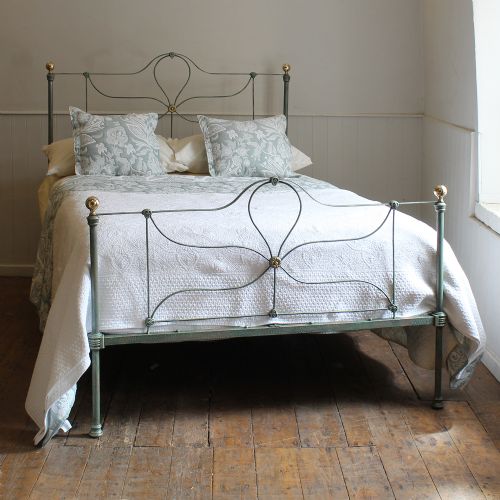
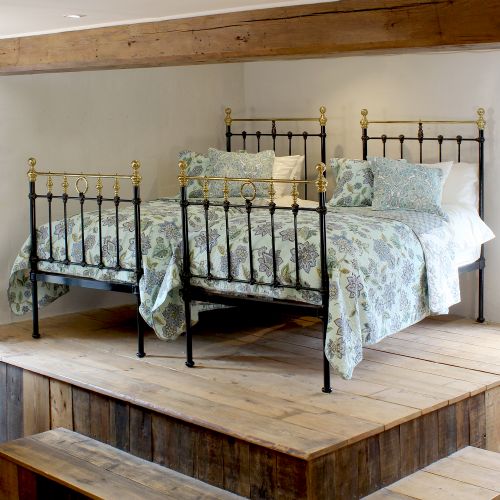
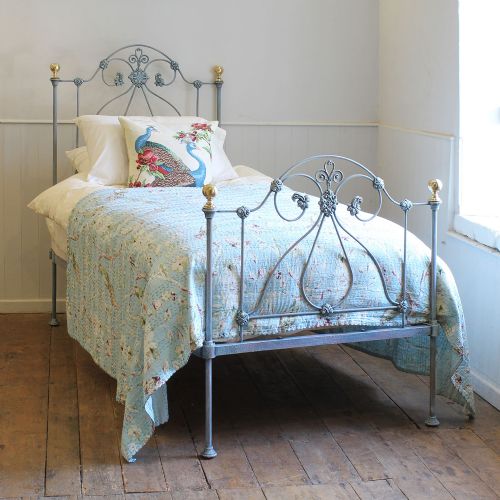
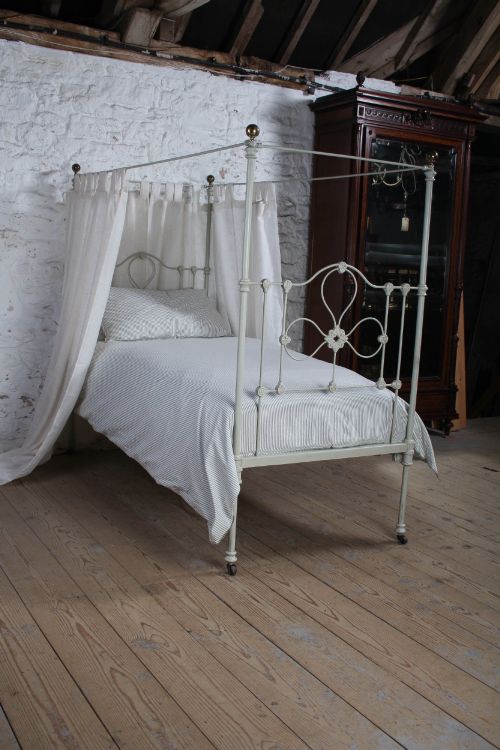



Edwardian Iron Bed Frame
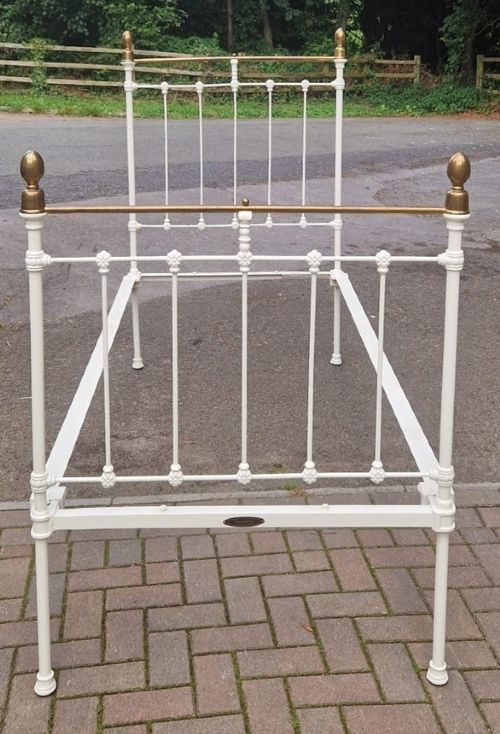
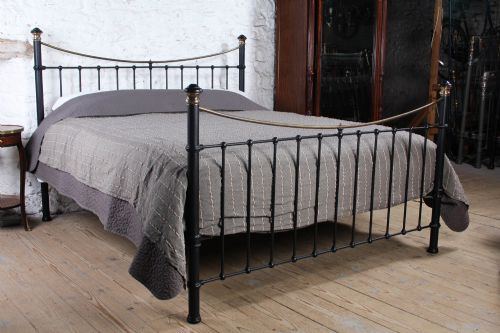
An edwardian iron bed frame brings robust structure and domestic warmth to a bedroom through its combination of sturdy metal work and polished brass finials.
Edwardian Iron Bed Frame
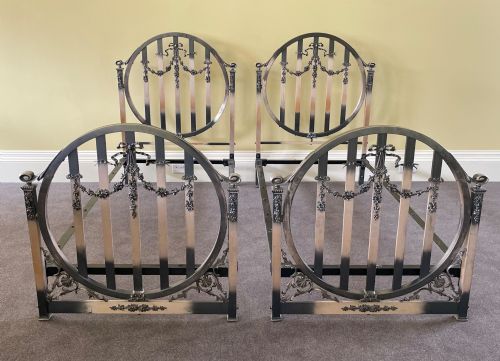
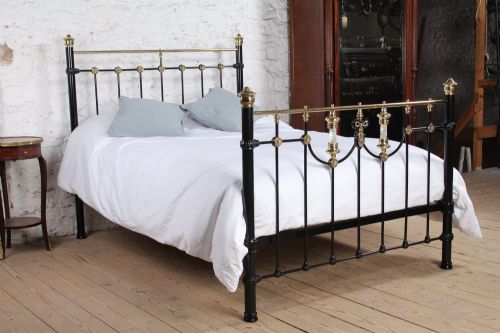
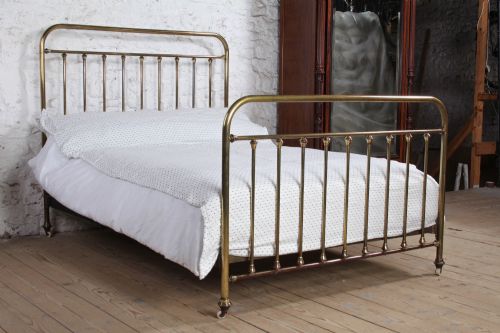
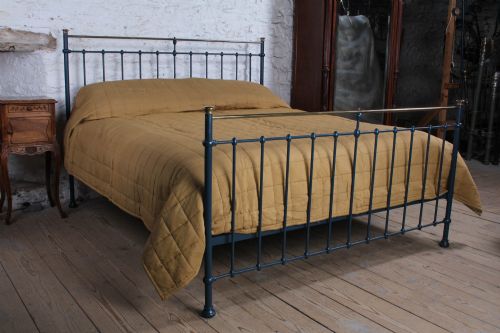
When you examine an edwardian iron bed frame, you are looking at sturdy domestic furniture designed to support a mattress while introducing period character into a chamber. The pieces on this page appear in various formats, from single berths to generous king size proportions, often utilising combination frames of iron and brass.
The most common examples you will meet combine cast and wrought iron frameworks with polished brass top rails, knobs, and corner mounts. These frames span the Edwardian era as well as adjoining Victorian periods, reflecting a durable manufacturing tradition built for daily household use.
Buyers seek these beds for their structural integrity and their capacity to anchor a bedroom scheme with authentic period craftsmanship. Whether configured as a simple single or a wide king size frame, each piece offers a distinct architectural silhouette.
How they were made
Makers constructed these frames using cast iron, wrought iron, and steel components joined to form rigid headboards, footboards, and side rails. Foundries shaped the metal using casting and hand-forging techniques, creating robust structural frames capable of enduring heavy daily use.
Makers accented the dark metal framework with bright brass components, nickel plating, and occasionally mother of pearl inlays for visual contrast. Surfaces received protective finishes such as dark paint or japanning to prevent oxidation while maintaining a uniform appearance.
Some single beds feature clever joining mechanisms so they can be locked together to form a double.
What varies in quality
Quality in these frames rests upon the integrity of the original joints, the crispness of the cast iron or brass ornamentation, and the preservation of the surface finish. Superior examples retain their original brass mounts and structural components without replacement parts.
The sophistication of the design, such as elaborate dip rails, ribbon reeds, or Art Nouveau motifs, distinguishes finer workshop production from standard utility models. Original painted finishes and authentic nickel plating also elevate the standing of a piece.
Winfield·Maple and Co
The Edwardian Iron Bed Frame Glossary
- Japanning
- A type of durable black varnish finish applied to metal surfaces to imitate Japanese lacquer work. It provides a glossy, protective coat across the iron framework.
- Dip rail
- A headboard or footboard rail that curves downwards in the centre to form a distinctive dipped profile. This design element characterises many Edwardian and Victorian bed frames.
- Brass finial
- A decorative knob or terminal screwed onto the top of a bed post. These elements are often polished to contrast with the dark iron structure.
- Platform bed
- A bed frame designed with a low base or integrated platform to support a mattress directly. These frames often feature straight rails and minimal footboard height.
- Cast iron
- Iron poured into a mould to create rigid structural or decorative components. It allows for detailed shaping in bed frames and decorative mounts.
Edwardian Iron Bed Frame: Frequently Asked Questions
How do I clean the metal frame?
Dust the iron work regularly with a dry cloth and apply a gentle metal cleaner to the brass components.
Avoid abrasive pads that might scratch the original japanned or painted surfaces on the iron frame.
Will modern mattresses fit these beds?
Many antique frames accommodate standard mattress sizes, but dimensions can vary slightly from contemporary measurements.
Check the exact width and length listed for each frame before sourcing a mattress.
Are these beds easy to assemble?
Most frames utilise standard side rail wedges and iron slots that lock together without complex mechanical tools.
Two people can easily slot the headboard, footboard, and side rails into place within minutes.
How do I distinguish Edwardian from Victorian beds?
Edwardian frames frequently display lighter proportions and softer decorative styles such as Art Nouveau curves.
Victorian examples often present heavier casting, more ornate brass ornamentation, and formal symmetry.