

Edwardian Inlaid Stand
When you look for an edwardian inlaid stand, you find refined display pieces and practical small furniture crafted with delicate decorative detail.
Edwardian Inlaid Stand
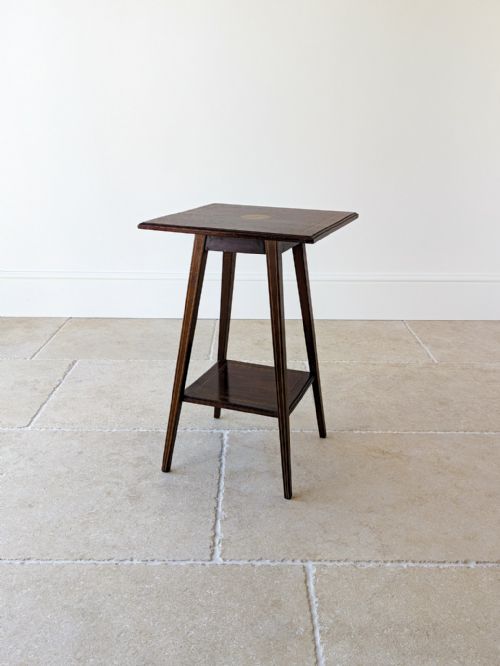
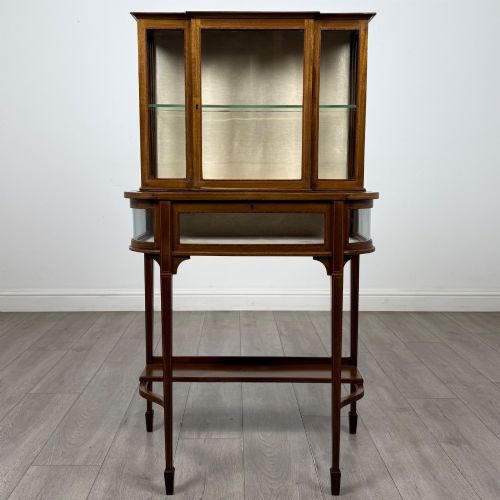
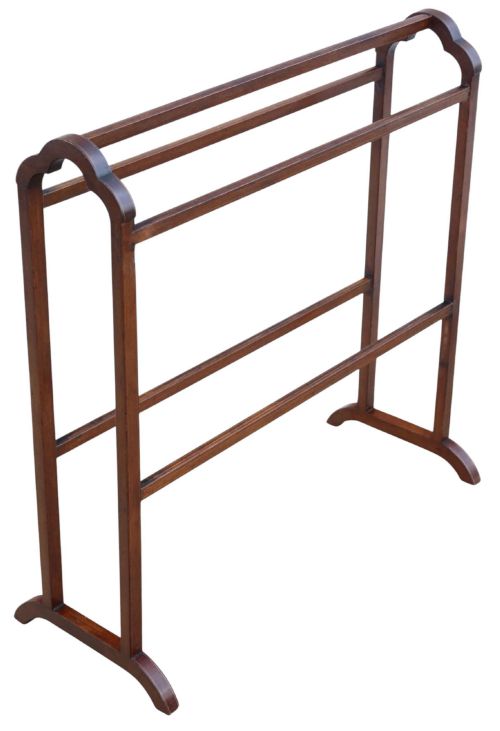
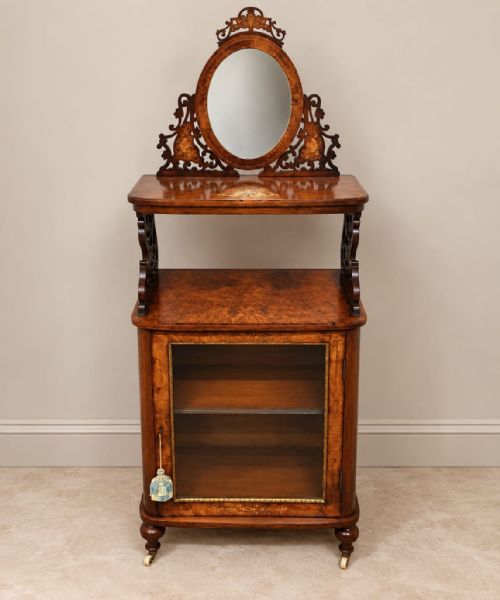
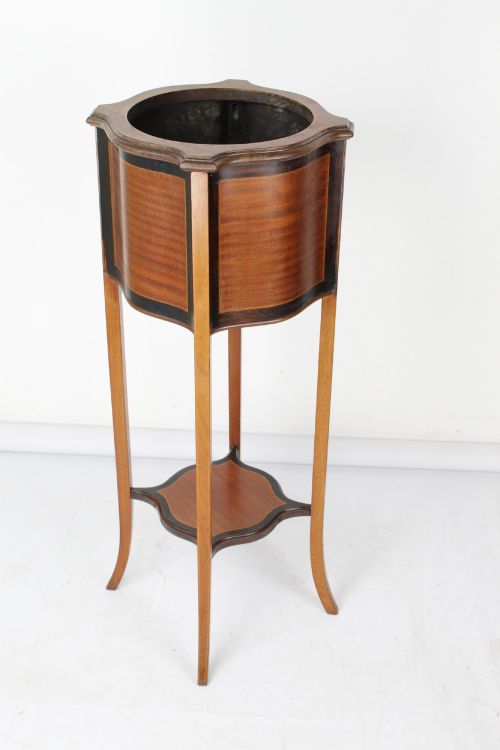
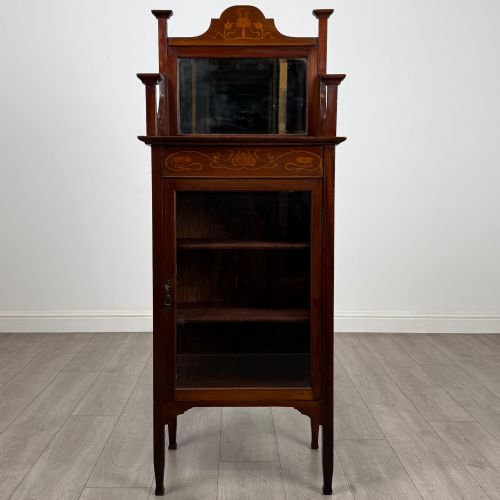
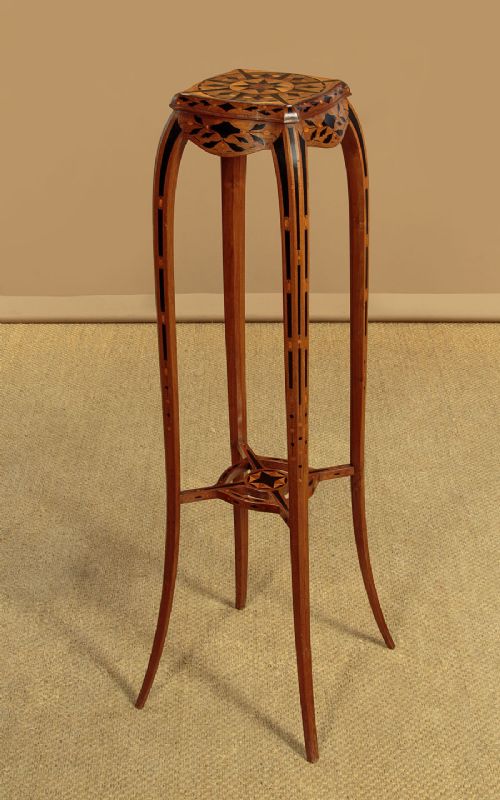
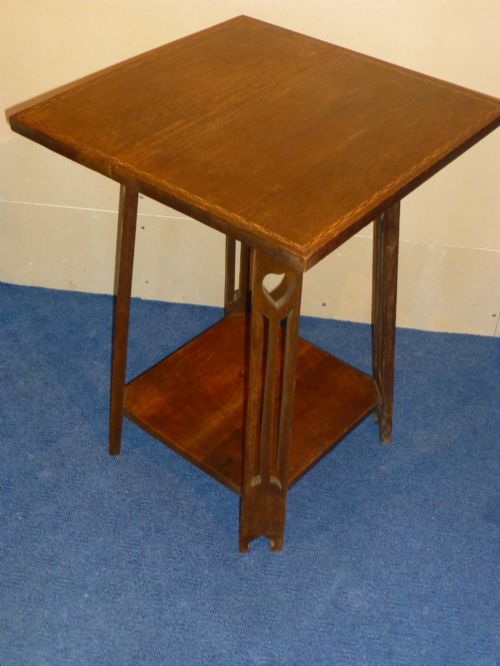
The edwardian inlaid stand encompasses a variety of elevated small furniture forms designed for display and utility, spanning plant stands, jardiniere stands, cake stands, and torchères.
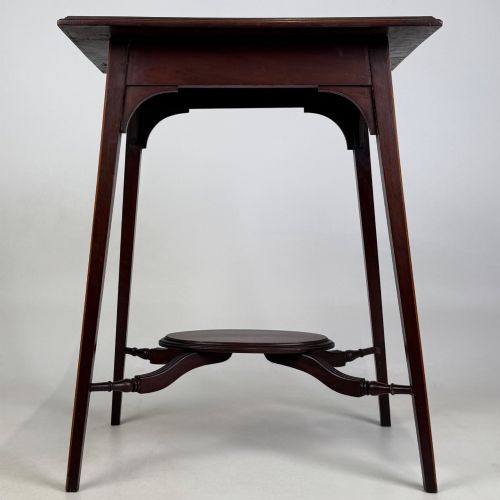
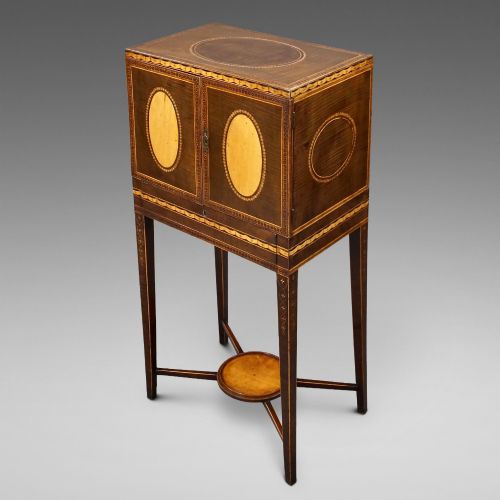
Most pieces seen here belong to the Edwardian period or share the lighter proportions of Sheraton Revival taste, often incorporating multiple tiers or slender upright supports.
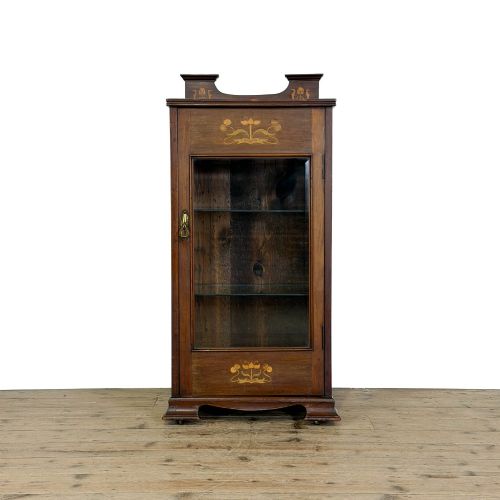
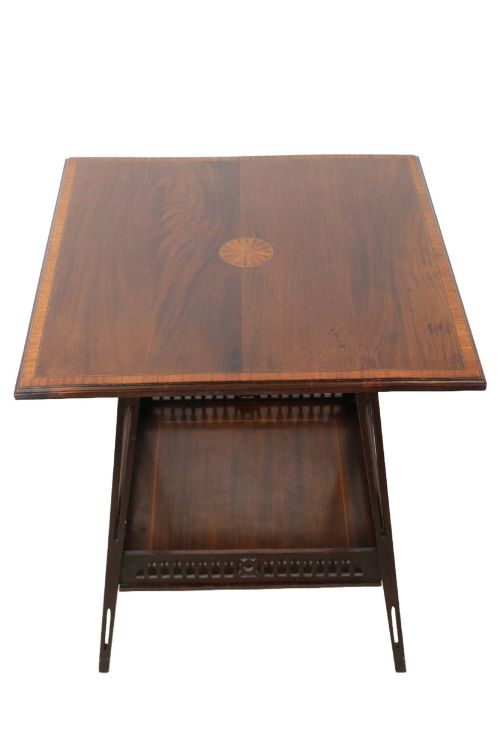
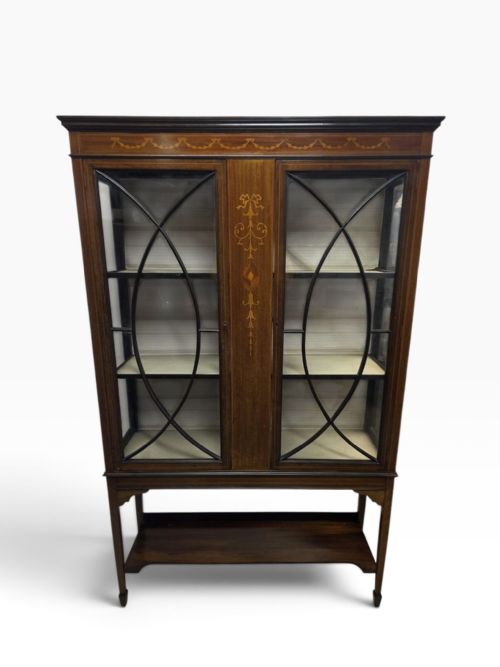
Makers utilised mahogany and satinwood as primary timber foundations, ornamenting surfaces with contrasting boxwood and wood inlay work.
Materials and construction
Cabinetmakers built these stands primarily using mahogany, walnut, and satinwood, frequently employing solid timbers alongside selected veneers for curved tiers and tops.
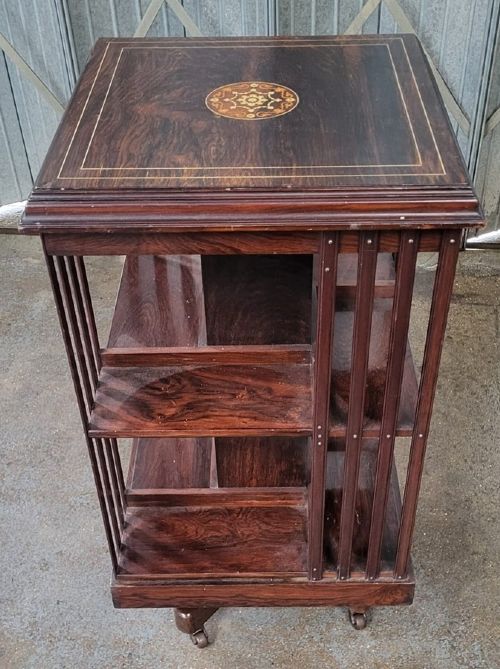
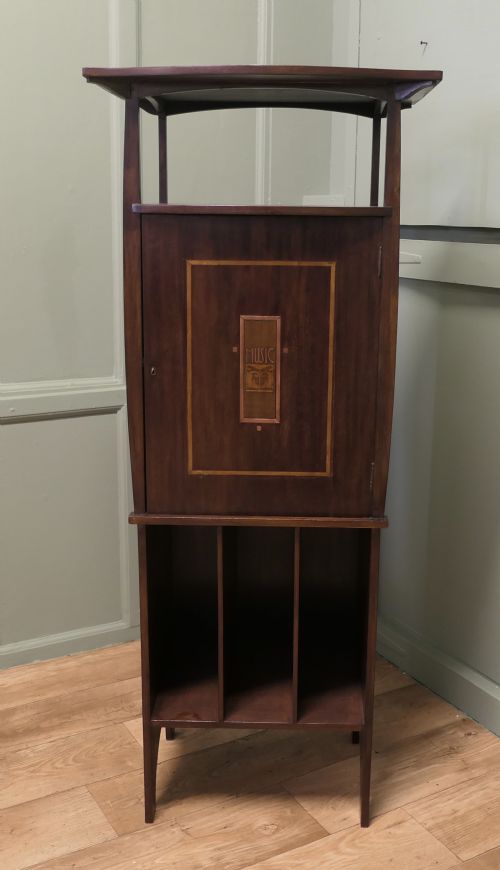
Decorative surface patterns relied on precision wood inlay, satinwood inlay, and boxwood inlay to create geometric lines, classical swags, or floral motifs.
Structural elements occasionally integrated brass fittings, such as liners for plant stands or castors on movable tables, combining functional utility with decorative metalwork.
Judging the range
Quality reveals itself in the crispness of the inlay work and the harmonious selection of timber grain, where superior examples feature tightly fitted contrasting woods without gaps.
The structural stability of slender legs, tiers, and joints dictates daily utility, distinguishing sturdier workshop output from lighter decorative pieces.
Design ambition separates basic utility stands from sophisticated examples displaying balanced proportions, refined edging, and integrated brass accessories.
Trevor Page & Co·GM Elwood for JS Henry·Liberty & Co·William Birch·Maple & Co
The Edwardian Inlaid Stand Glossary
- Inlay
- A decorative technique where contrasting strips or pieces of wood are fitted flush into a recessed surface to form patterns.
- Torchère
- A tall, slender stand designed specifically to hold a candle, lamp, or small decorative urn.
- Jardiniere
- A decorative container or stand intended to hold plants or flowers, often lined with brass to protect the timber underneath.
- Sheraton Revival
- A late nineteenth and early twentieth-century design movement that reinterpreted the light, neoclassical forms of the eighteenth-century designer Thomas Sheraton.
- Tier
- One of multiple horizontal surfaces arranged vertically on a stand or table to increase display capacity.
Edwardian Inlaid Stand: Frequently Asked Questions
What is an edwardian inlaid stand used for?
These versatile pieces served various domestic functions, holding potted plants, floral arrangements, books, or afternoon tea tiers within period drawing rooms.
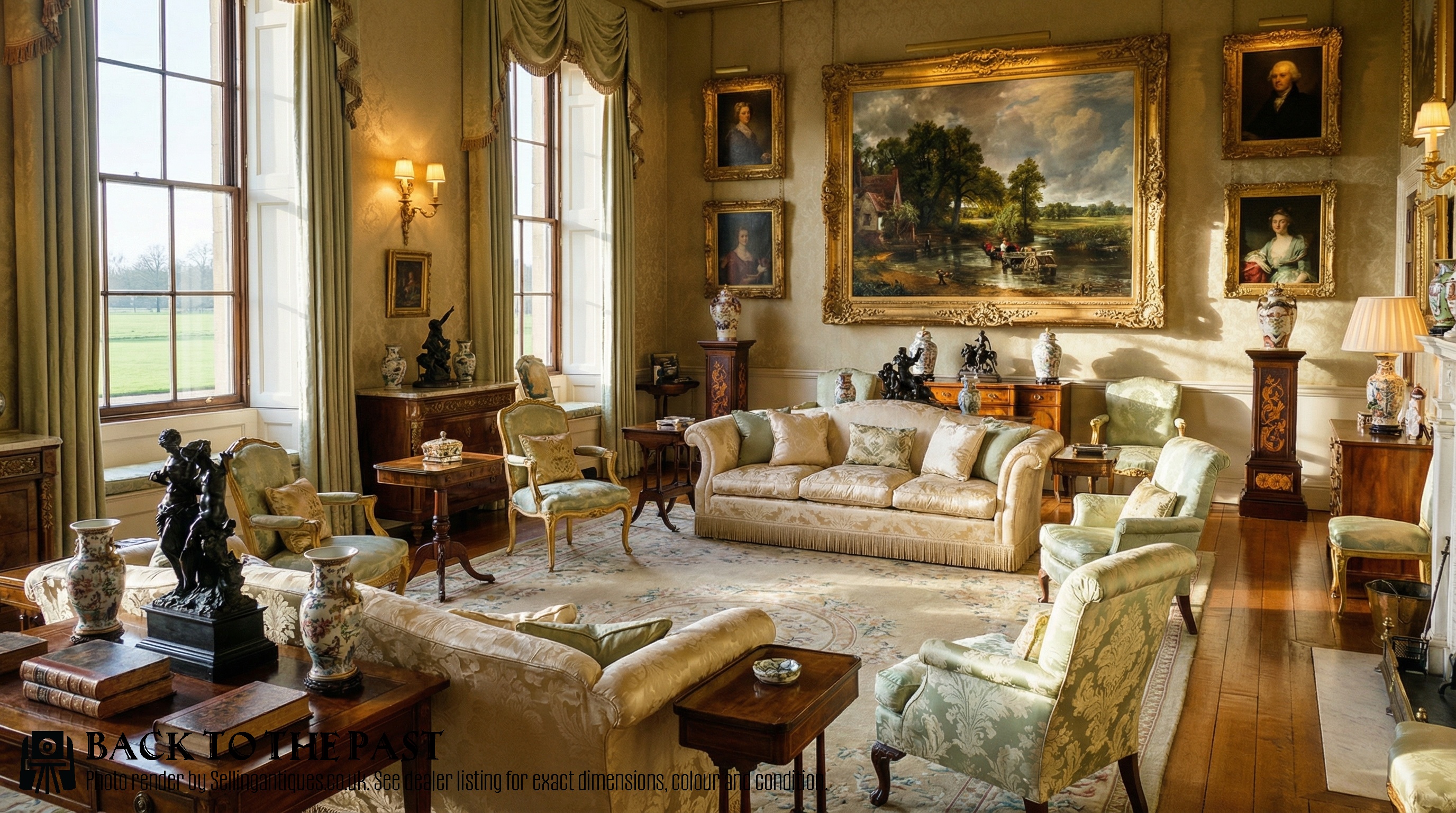
Today, they adapt easily to modern interiors as compact side surfaces, display pedestals for lamps, or decorative focal points in hallways and living spaces.
How do I identify an Edwardian piece?
Edwardian furniture generally exhibits lighter proportions, brighter mahogany or satinwood timbers, and refined decorative inlay inspired by earlier neoclassical revivals.
Comparing construction methods and timber maturity helps separate genuine early twentieth-century items from later mid-century reproductions.
What is Sheraton Revival style?
Sheraton Revival design draws direct inspiration from the neoclassical lightness, tapered legs, and balanced symmetry popularized by eighteenth-century cabinetmakers.
Edwardian interpretations of this style frequently employ delicate satinwood and boxwood inlay against a rich mahogany background.
How should I care for inlaid wood?
Inlaid wooden stands require stable indoor humidity away from direct heat sources and strong sunlight to prevent timber movement or veneer lifting.
Regular dusting with a dry, soft cloth and occasional application of appropriate furniture wax preserves the polish and protects the delicate inlay work.