





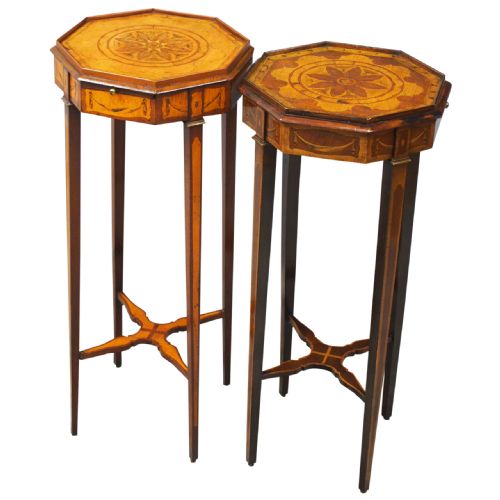


Marquetry Plant Pedestal
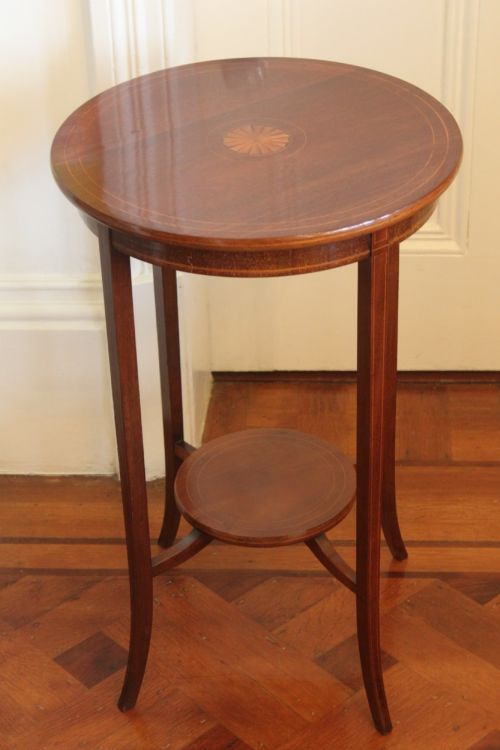
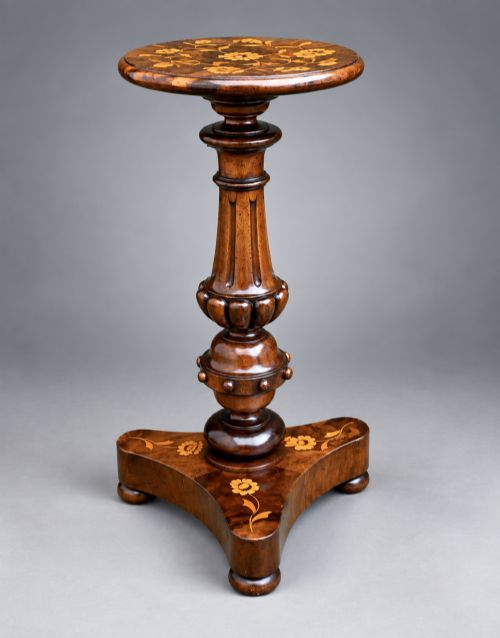
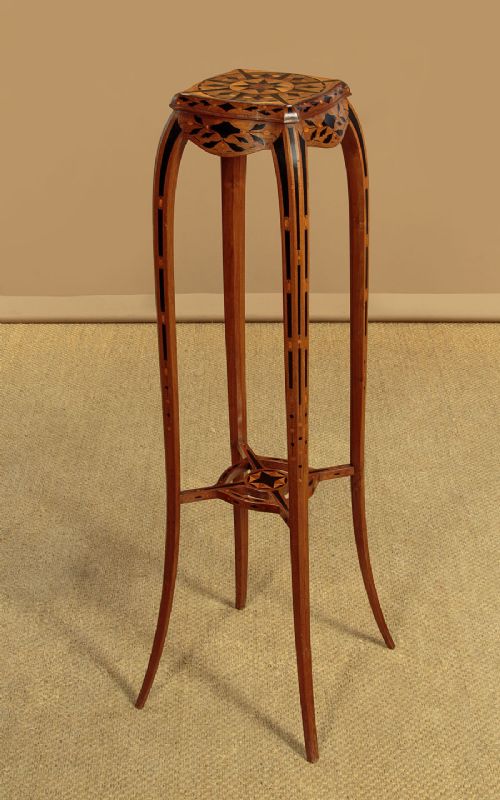
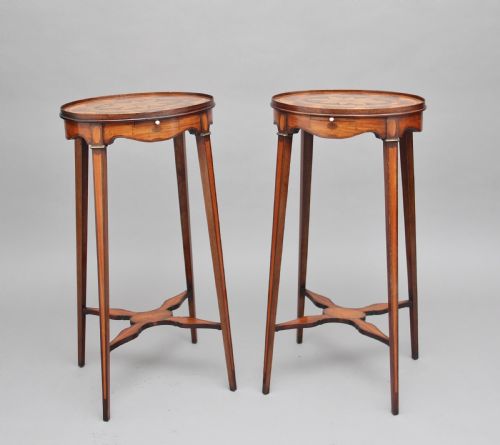
These marquetry plant pedestal pieces elevate greenery and sculpture inside a room, bringing rich timber surfaces and intricate inlay into living spaces.
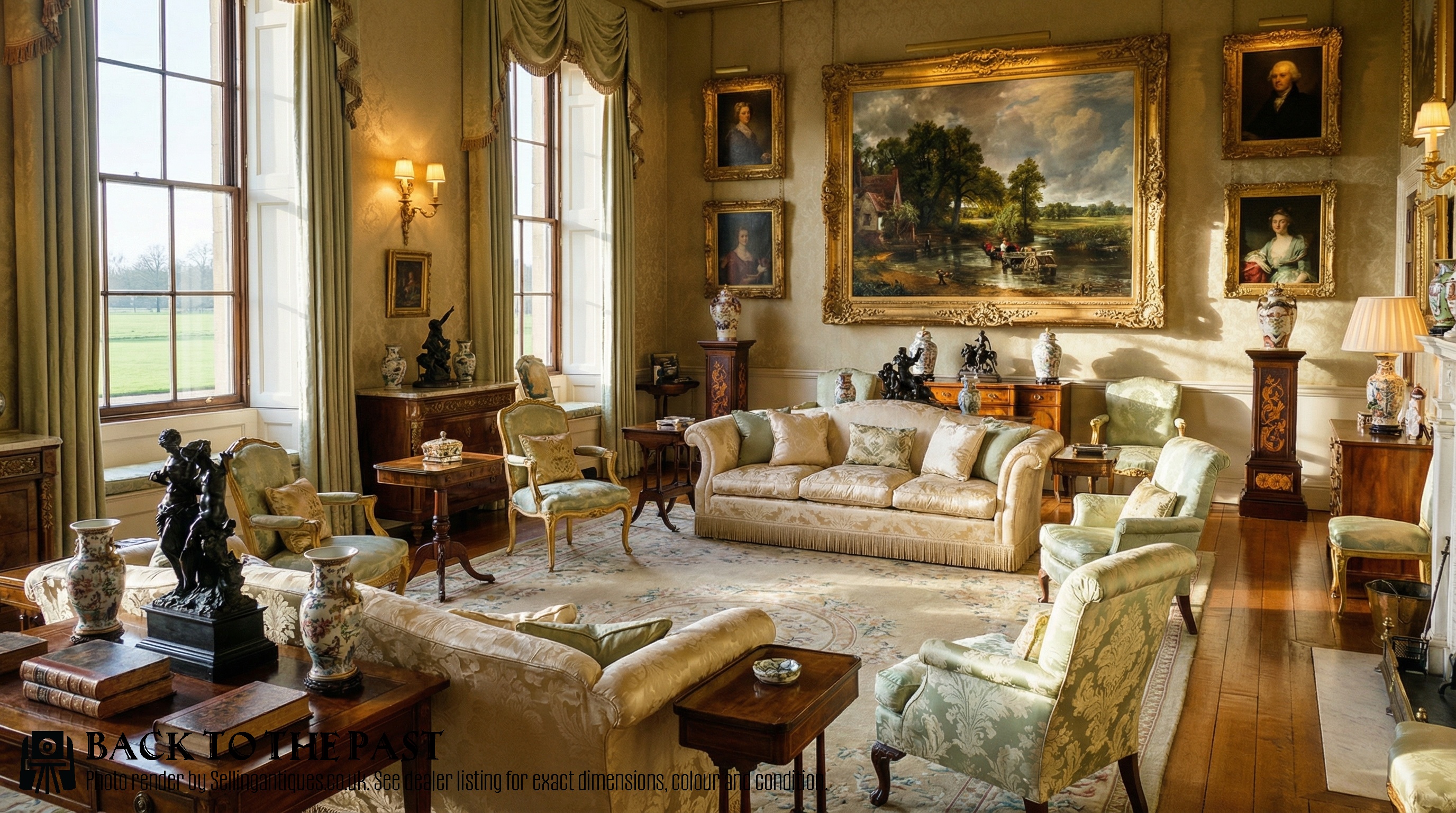
Marquetry Plant Pedestal
A marquetry plant pedestal serves as a raised platform for foliage, urns, and ornamental objects, combining utilitarian function with decorative timber work. When searching for a marquetry plant pedestal, buyers encounter elevated stands designed to display plants or decorative items at eye level within a room.
The selections span from Georgian and Victorian eras through to Edwardian and Art Deco periods, encompassing forms like torcheres, urn stands, and occasional tables. These pieces often feature circular or octagonal tops supported on slender columns or tripod bases, reflecting the prevailing taste of their respective decades.
Origins vary across English, French, and Dutch workshops, introducing diverse aesthetic traditions into the construction. Dutch marquetry and Sheraton revival influences appear frequently, alongside Italian ebonised examples featuring bone inlay.
Distinctions in craftsmanship and design
Quality rests in the precision of the veneer cutting and the tightness of the fit within the marquetry panels, where superior examples show seamless junctions between contrasting timbers. The complexity and depth of the floral or geometric patterns also separate standard production items from masterwork creations.
Structural integrity of the central column and base dictates daily utility, with finer pieces maintaining rigid stability despite slender proportions. The choice of secondary woods and the presence of supplementary materials like ormolu or bone further elevate a piece within the range.
Marquetry Plant Pedestal Retail Price Guide 2026
Typical asking prices for marquetry plant pedestal among the pieces listed under this phrase on Sellingantiques today, from the lower quarter to the upper quarter. They describe what is for sale here now, not the wider market.
Periods represented span from Georgian and Victorian eras through to Edwardian, Art Deco, and Belle Epoque designs.
The Marquetry Plant Pedestal Glossary
- Marquetry
- The art of applying small pieces of veneer to a structure to form decorative patterns and pictorial designs. Craftsmen cut these thin timber sections precisely to fit together on the surface of the stand.
- Torchere
- A tall, slender stand traditionally used to hold a candlestick or light source. In later periods, these forms adapted well to supporting potted plants and decorative urns.
- Veneer
- A thin slice of figured wood applied over a coarser base timber to provide a decorative exterior. This technique allows cabinetmakers to utilise expensive woods efficiently.
- Tripod base
- A three-legged support system commonly found on occasional tables and plant stands. This configuration ensures stability on uneven floor surfaces without requiring four points of contact.
- Ormolu
- Gilded bronze ornamentation applied to furniture and decorative stands. This metallic embellishment adds contrasting texture against dark or inlaid timbers.
Marquetry Plant Pedestal: Frequently Asked Questions
What is a marquetry plant pedestal?
A marquetry plant pedestal is a decorative elevated stand featuring inlaid wood patterns, designed specifically to display plants, urns, or sculptural objects.
These pieces combine functional height with ornamental surface design, utilising timbers like walnut, mahogany, and fruitwood veneers.
How do I style these stands at home?
These pieces suit corners, entryways, or flanking larger furniture items where vertical height breaks up flat room layouts. Placing a trailing plant or a ceramic urn upon the top surface highlights the inlaid woodwork below.
Keep the surrounding space uncluttered to allow the detailed timber patterns and slender columns to remain visible.
Are these stands stable enough for heavy pots?
Many of these pieces utilise tripod bases or weighted pedestals designed to distribute weight evenly across the footprint. However, the slender proportions of torcheres and plant stands mean they suit moderate weights rather than excessively heavy planters.
Balancing the load centrally helps maintain stability on solid flooring.
How do I identify a Georgian piece?
Georgian examples exhibit proportion and timber selection typical of the eighteenth and early nineteenth centuries, often featuring rich walnut or mahogany surfaces with floral marquetry. Construction details and joinery methods align with the cabinetmaking standards of that era.
Reference to Sheraton revival styles indicates later nineteenth-century interpretations of these earlier classical designs.