

Edwardian Inlaid Mahogany Seat
Edwardian inlaid mahogany seat designs range from compact piano stools to generous window settees, offering graceful lines and delicate decorative details.

Edwardian Inlaid Mahogany Seat
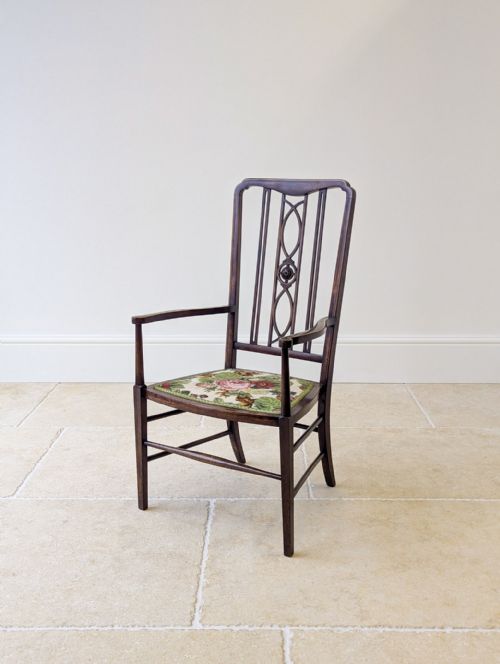
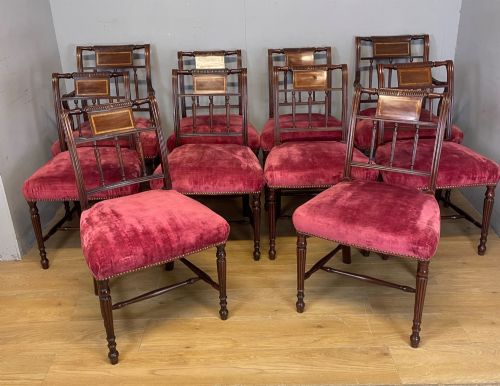
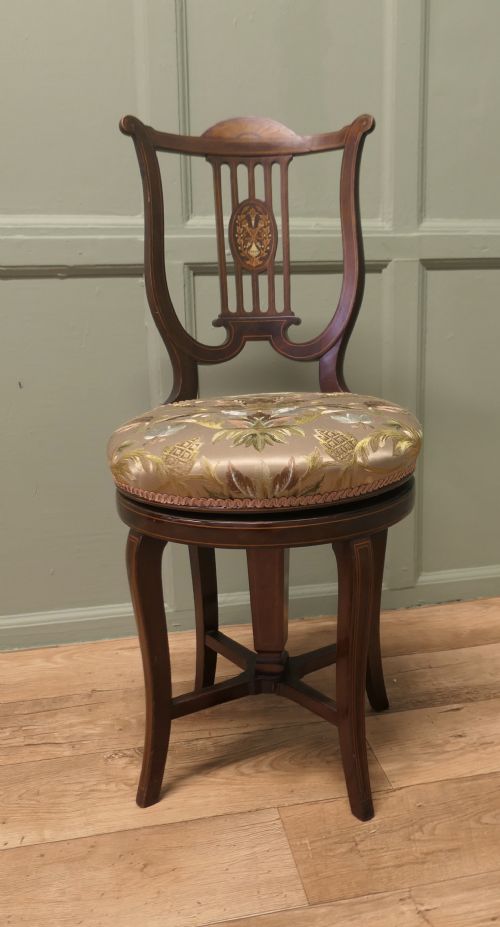
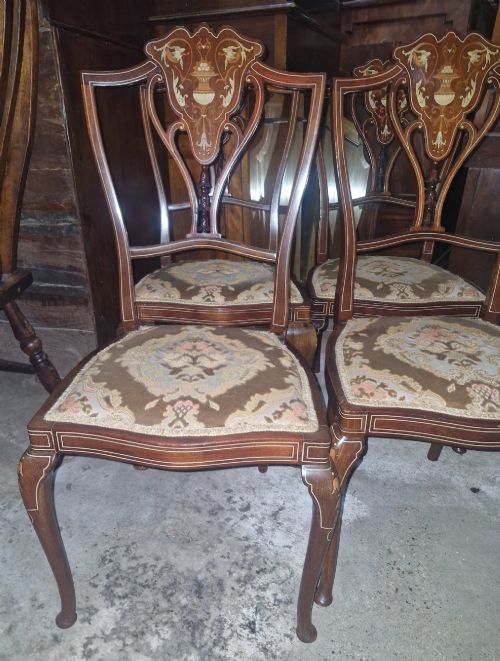
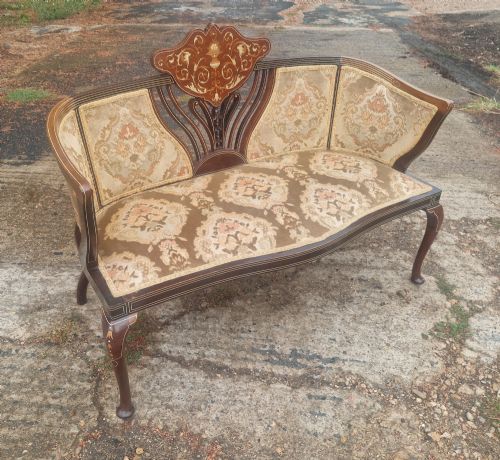
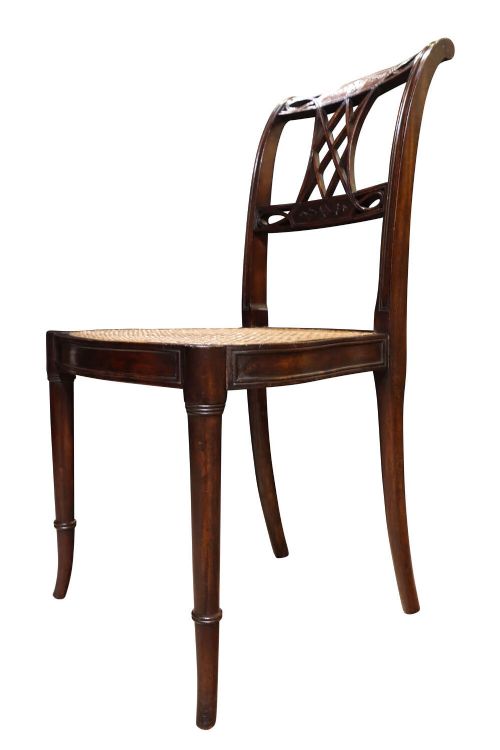
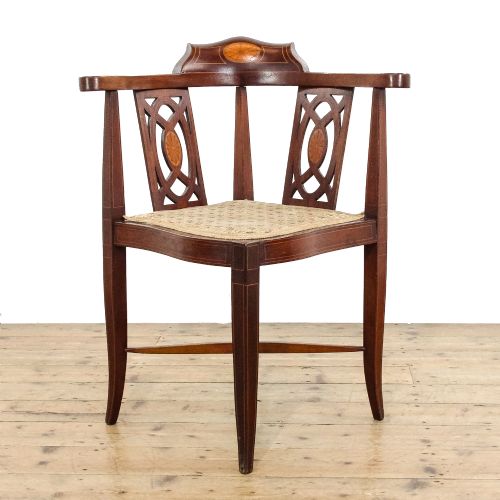
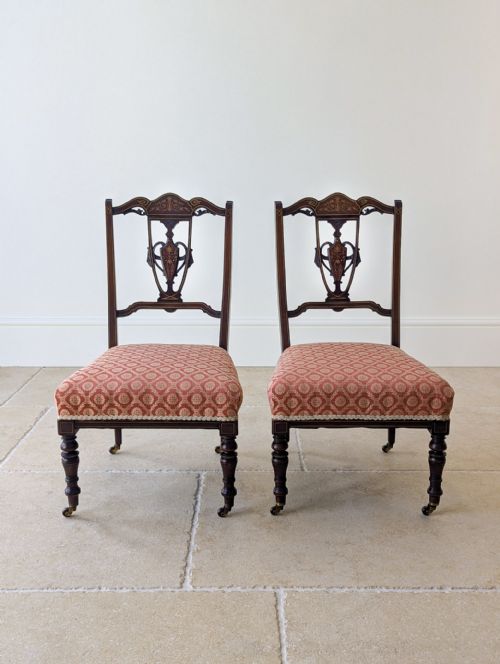
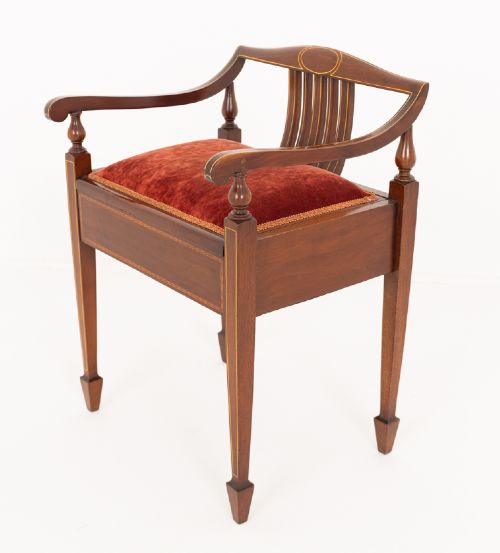
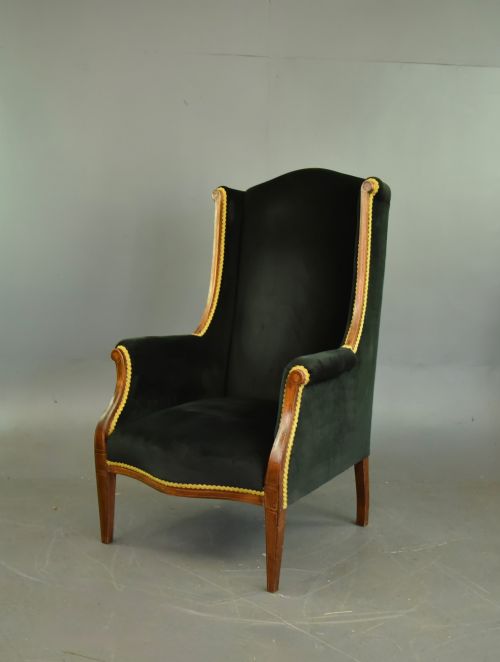
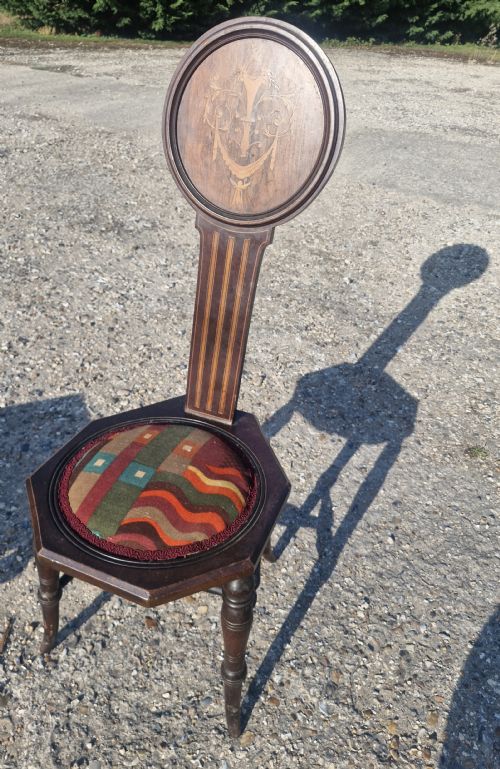
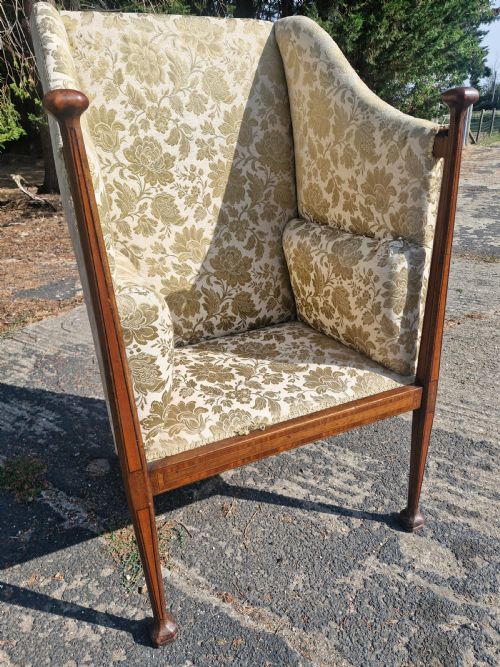
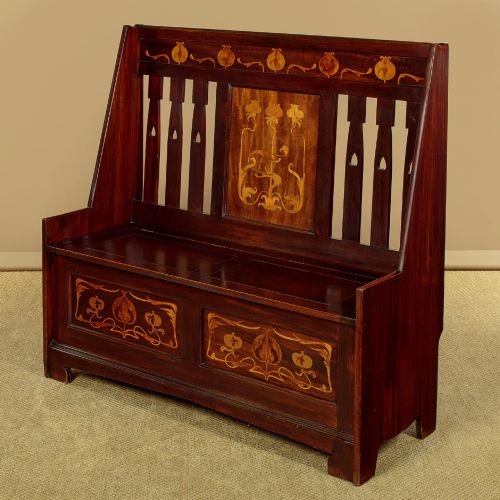
The search for an Edwardian inlaid mahogany seat reveals a diverse selection of chairs, settees, and stools produced primarily around the turn of the twentieth century. These furnishings span various domestic forms, including bedroom chairs, music stools, corner armchairs, and two-seater sofas designed for parlours and bedrooms.
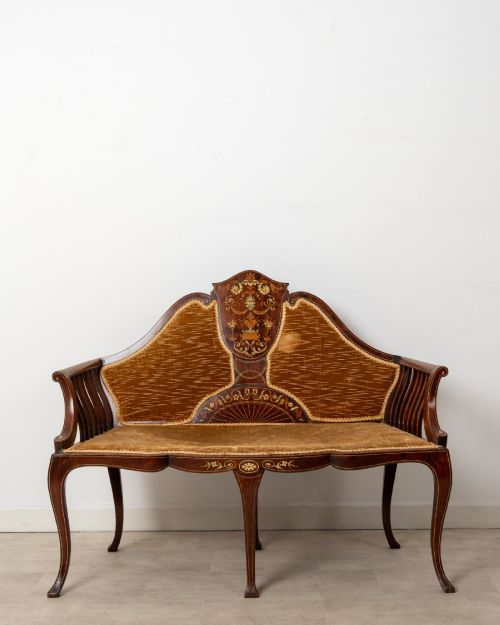
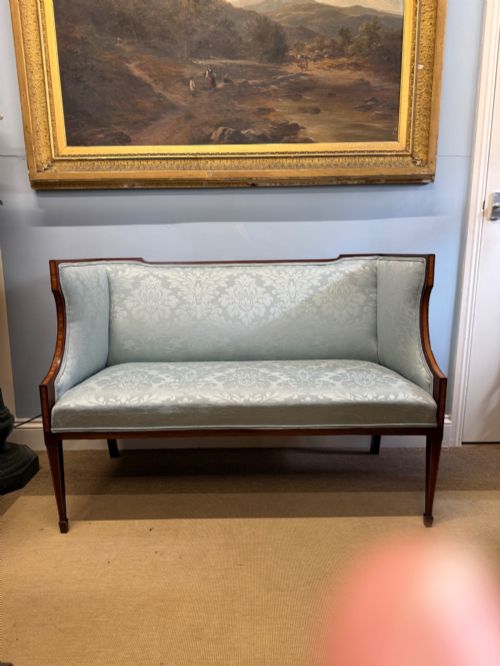
The most common examples encountered on this page are window seats and small settees, which reflect the lighter domestic tastes of the Edwardian era. These pieces frequently incorporate slender proportions and open backs, contrasting with the heavier upholstered furniture of the preceding Victorian period.
Makers and manufacturers of the time drew upon several prevailing aesthetics, leading to variations in outline from strict Sheraton Revival geometry to flowing Art Nouveau curves. Buyers will also find specialised seating such as revolving music chairs, library armchairs, and long foot-of-the-bed benches.
How They Were Made
Carpenters utilised solid mahogany and mahogany veneers as the primary structural and visual base for these frames, often pairing the timber with contrasting light woods for decorative effect. Satinwood, boxwood, and bone provided the pale linear contrast necessary for delicate stringing and complex botanical motifs.
Surface ornament relied heavily on inlay techniques, including marquetry panels depicting classical urns, ribbons, or floral swags, alongside geometric stringing. Metal components such as brass castors or hinges appeared on functional items like music stools and revolving chairs.
Upholstery completed the construction of these seats, employing traditional stuffing and webbing covered in contemporary textiles such as tapestry, silk, velvet, and patterned fabric. Certain forms, such as bedroom chairs, featured woven cane panels instead of padded cushions.
Spinning chairs offered low, comfortable seating specifically designed for domestic needlework and fireside textile tasks.
What Varies in Quality
The refinement of the timber selection and the precision of the inlay work largely determine the standing of an individual piece. Finer examples display meticulously cut satinwood and boxwood details set flush into the mahogany grain, whereas simpler items utilise painted imitations or sparse decoration.
Structural complexity and joinery integrity further separate standard production from superior craftsmanship. Elaborate frames such as revolving music chairs, multi-piece salon suites, or corner armchairs require sophisticated internal framing to remain stable over decades of use.
James Shoolbred and Co
The Edwardian Inlaid Mahogany Seat Glossary
- Satinwood
- A pale, hard exotic timber utilised extensively for contrasting stringing and inlay panels on Edwardian furniture. Its natural golden lustre catches the light effectively.
- Marquetry
- The art of forming decorative patterns using fitted veneers of various woods and materials. Craftsmen assemble these pictorial designs before gluing them onto the primary surface.
- Stringing
- Narrow strips of contrasting timber inlaid into shallow grooves on furniture frames. This linear technique outlines panels and legs with subtle precision.
- Settee
- A medium-sized upholstered seat with a back and arms designed for multiple occupants. Edwardian versions often feature slender cabriole legs and open woodwork.
- Spindle
- A turned, slender piece of wood forming part of a chair back or underframe. These elements lighten the visual weight of parlour and bedroom seating.
Edwardian Inlaid Mahogany Seat: Frequently Asked Questions
What is an end of bed sofa?
An end of bed sofa is a narrow, compact settee designed to sit neatly at the foot of a sleeping chamber. These pieces offered a private resting place within larger bedrooms.
They often incorporated upholstered seats and delicate inlaid mahogany frames matching the dressing furniture of the Edwardian period.
How do I identify Sheraton Revival pieces?
Sheraton Revival furniture emulates the neoclassical proportions and decorative motifs popularised in the eighteenth century. Look for symmetrical lines, tapered legs, and classical inlay motifs.
These designs experienced a significant resurgence during the late Victorian and Edwardian decades, particularly on parlour chairs and small settees.
Were music stools adjustable?
Many Edwardian piano and music stools featured mechanical mechanisms allowing the upholstered top to alter in height. Musicians required this adjustment to maintain correct posture.
Some examples also incorporated internal storage beneath the seat for sheet music and scores.
How do I care for inlaid mahogany?
Inlaid mahogany surfaces require gentle dusting with a dry, soft cloth to protect the delicate flush veneers and stringing. Avoid placing these pieces in direct sunlight or near heat sources.
Applying a traditional beeswax polish occasionally helps nourish the timber and maintain the natural lustre of the mahogany grain.