




Edwardian Childs Armchair
These small seats are edwardian childs armchair examples made for domestic use, bringing period character and diminutive scale into a room.
Edwardian Childs Armchair
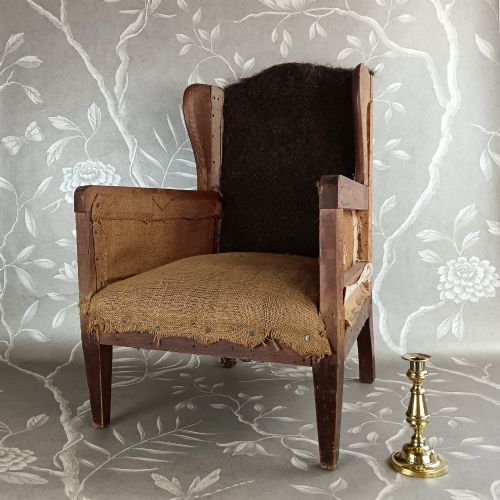
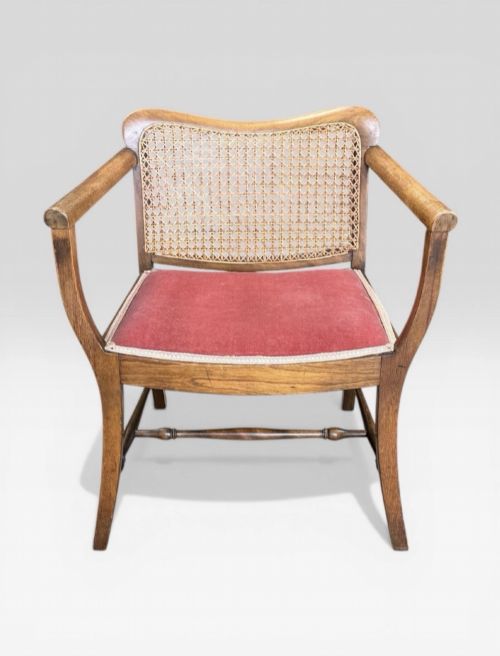
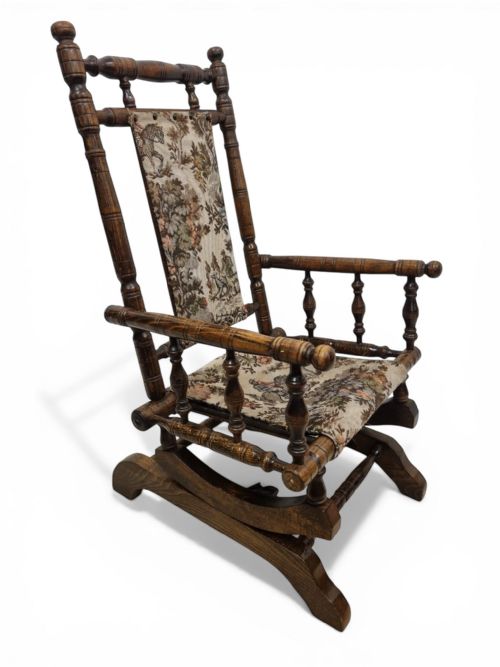
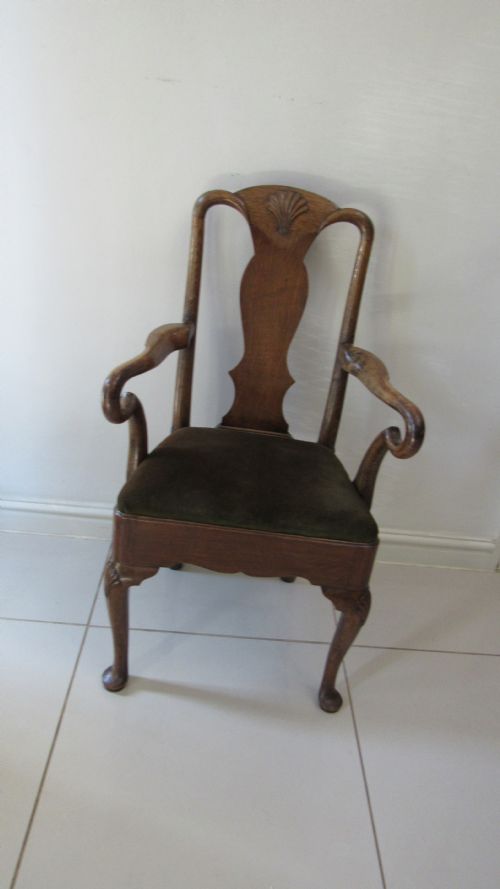
When searching for an edwardian childs armchair, buyers encounter diminutive seating spanning the nineteenth century through to the nineteen-twenties. These pieces take various forms, including wingback designs, rocking chairs, high chairs, and bergere models with cane seats.
Most items date from the Edwardian era and the early twentieth century, though nineteenth-century precedents and Victorian forms also surface. Buyers are most likely to meet mahogany, oak, and dark timber frames paired with upholstery such as velvet, fabric, hessian, and tapestry.

How they were made
Construction relies heavily on timbers such as mahogany and oak, shaped into sturdy frames to support small occupants. Techniques involve traditional joinery, steam bending for curved components like bentwood, and precise wood inlay.
Seating surfaces and backs utilise woven cane or textiles including velvet, hessian, and tapestry. Upholstered models combine internal stuffing with durable outer fabrics, while wooden rocking rails and high chair structures provide specific functional forms.
Someone once sat a very grumpy terrier in a nineteenth-century wingback armchair because it matched the parlour rug.
What varies in quality
Quality shows in the refinement of the timber work, from plain solid wood frames to finely figured mahogany with intricate inlay. The presence of decorative details such as Art Nouveau motifs or revival stylistic touches elevates certain pieces above standard utility items.
The execution of specialised elements like cane work, bentwood curves, or upholstered tapestry sections dictates the standard of craftsmanship. Pieces bearing attribution to established makers like James Shoolbred or J & J Kohn demonstrate superior workshop origin.
James Shoolbred·J & J Kohn
The Edwardian Childs Armchair Glossary
- Bergere
- A chair style featuring enclosed cane work on the back and sides, often paired with a drop-in seat cushion.
- Bentwood
- Wood softened by steam and bent into curved shapes, a technique famously utilised by Thonet and J & J Kohn.
- Wingback
- An armchair with side panels or wings attached to the back, designed to shield the occupant from draughts.
- Queen Anne Revival
- A design style drawing on early eighteenth-century forms, characterised by cabriole legs and mahogany construction.
- Tapestry
- A heavy, decorative woven fabric frequently employed for upholstery on period seating.
Edwardian Childs Armchair: Frequently Asked Questions
What periods do these chairs cover?
The pieces span from the late nineteenth century through the Edwardian period and into the nineteen-twenties. They capture shifting domestic styles across several decades.
Most examples cluster around the nineteen-hundreds and nineteen-tens, reflecting standard production eras for children's furnishings.
Were these chairs used daily?
These small seats served practical functions in nurseries and parlours for children of well-to-do families. Their robust timber frames handled active domestic environments.
Rocking versions and high chairs catered to younger infants, while armchair formats suited slightly older children.
How do I spot an Edwardian piece?
Edwardian examples often feature lighter mahogany framing, subtle wood inlay, and sometimes inlaid motifs reflecting the era's taste. They frequently combine traditional forms with refined domestic styling.
Earlier nineteenth-century pieces tend toward heavier construction and simpler lines without the decorative inlay typical of nineteen-hundreds production.
What materials were used?
Makers utilised hardwoods such as mahogany and oak, alongside general timber and dark wood. Upholstery materials included velvet, hessian, fabric, and tapestry.
Seating also incorporated woven cane panels, particularly on bergere models, while bentwood construction utilised steam-bent timber.
Are rocking versions common?
Rocking chairs appear regularly among the smaller seating options, featuring wooden rocking rails attached to the base. These provided motion for nursery use.
They sit alongside static armchairs, wingback designs, and high chairs within the broader category.