

Edwardian Inlaid Credenza
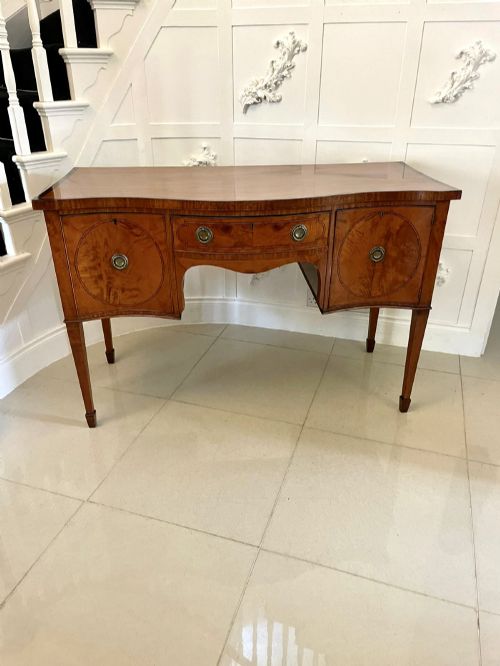
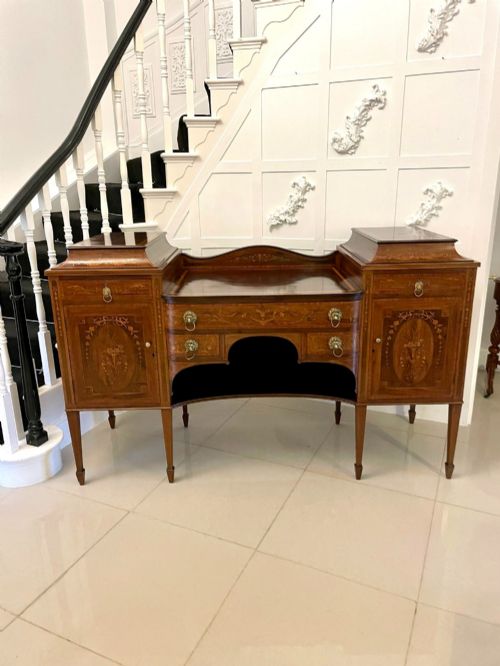
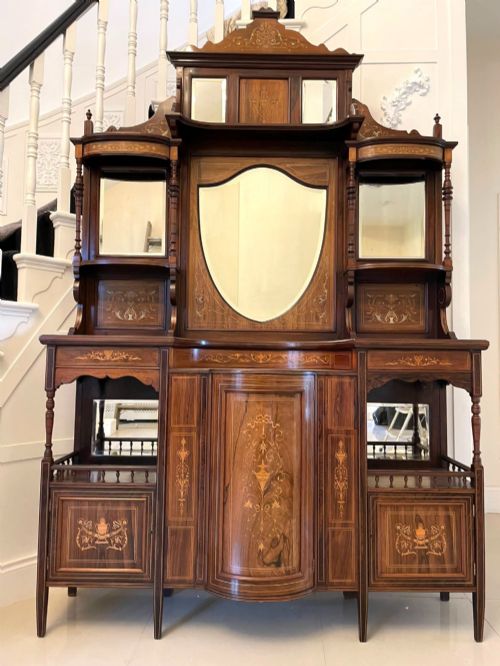
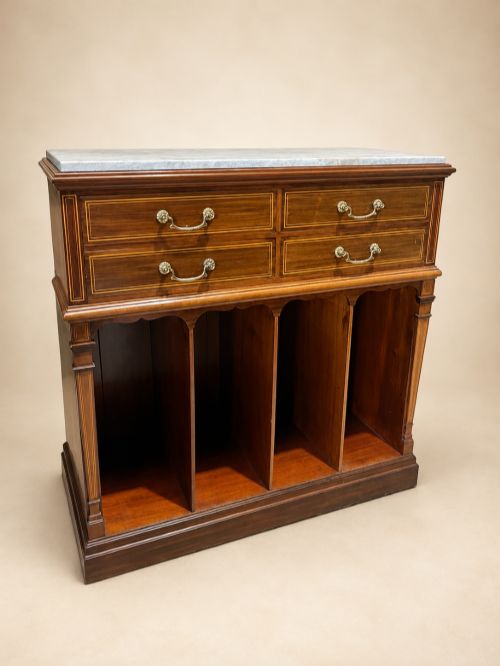
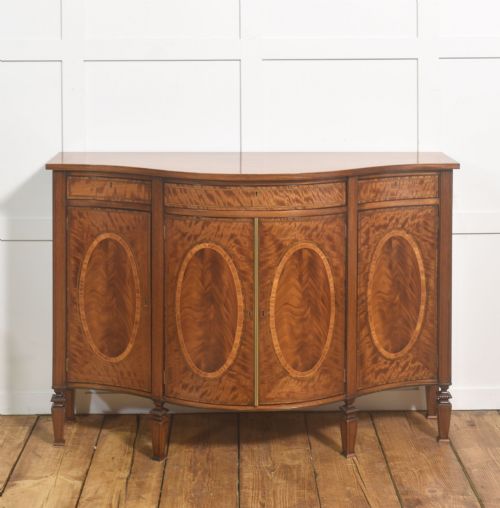
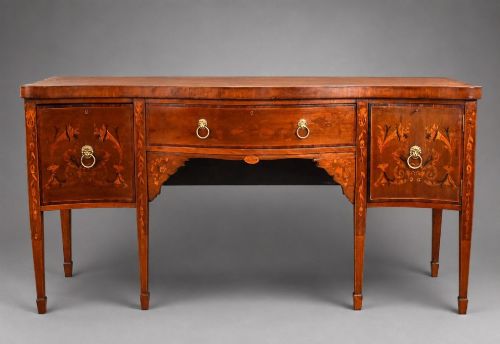
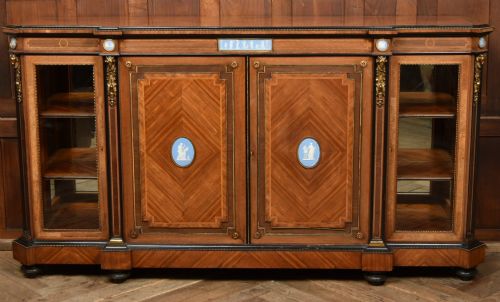
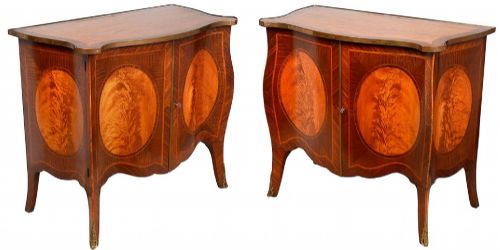
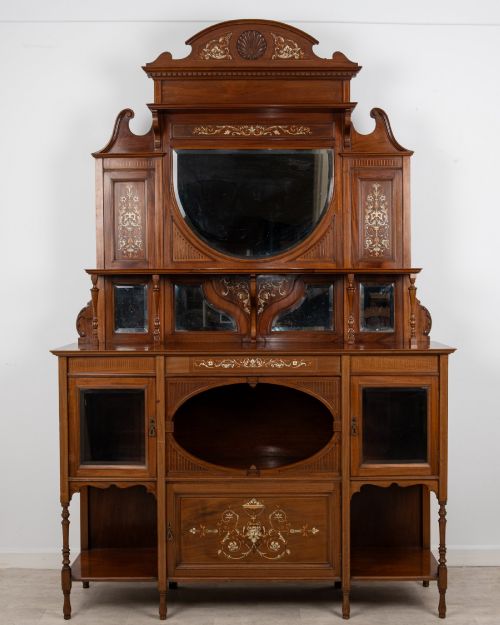
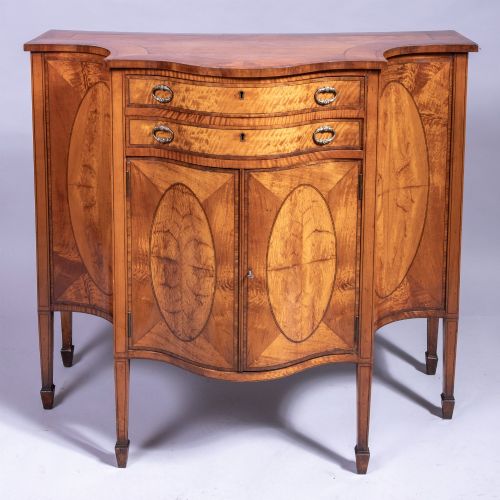
An edwardian inlaid credenza brings together fine marquetry and rich timber, offering both storage and display for the home.
Edwardian Inlaid Credenza
When buyers search for an edwardian inlaid credenza, they encounter a variety of sophisticated storage furniture from the Victorian, Edwardian, and late nineteenth-century periods.
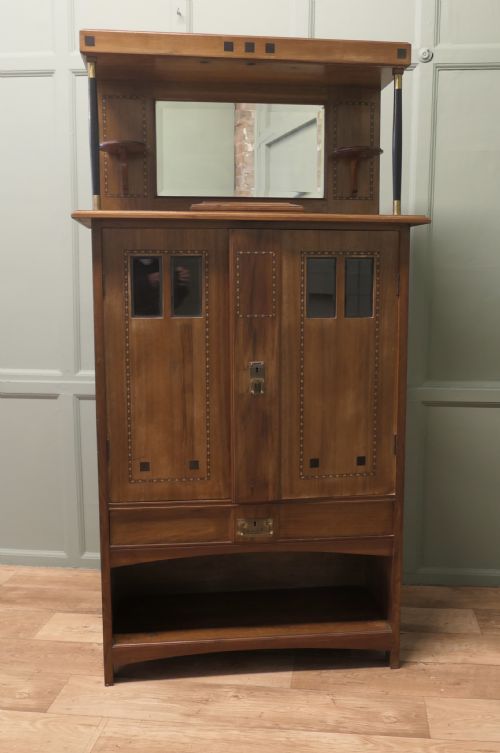
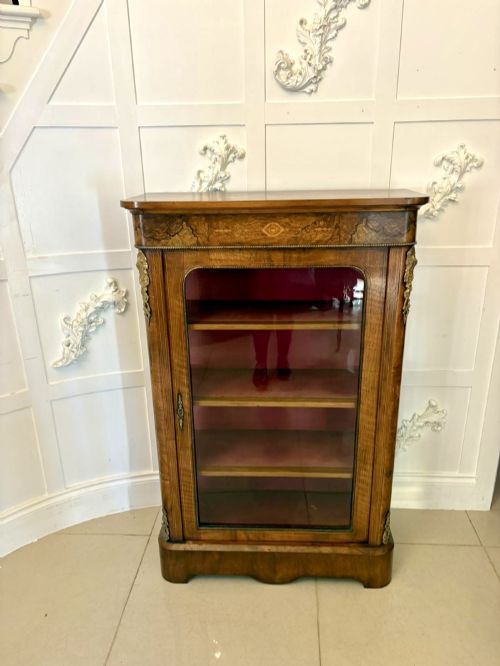
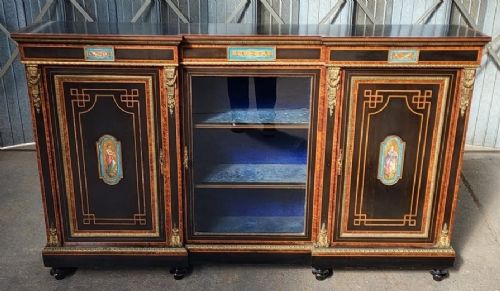
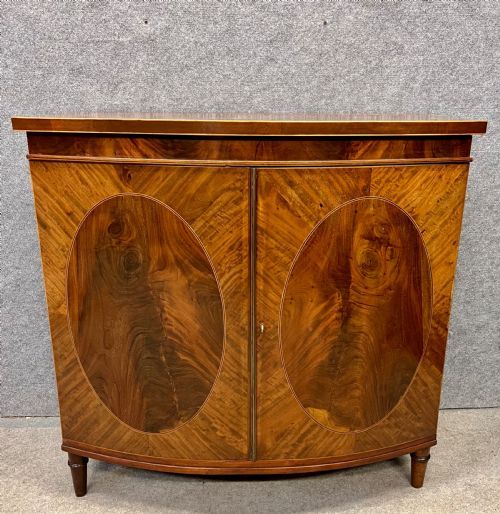
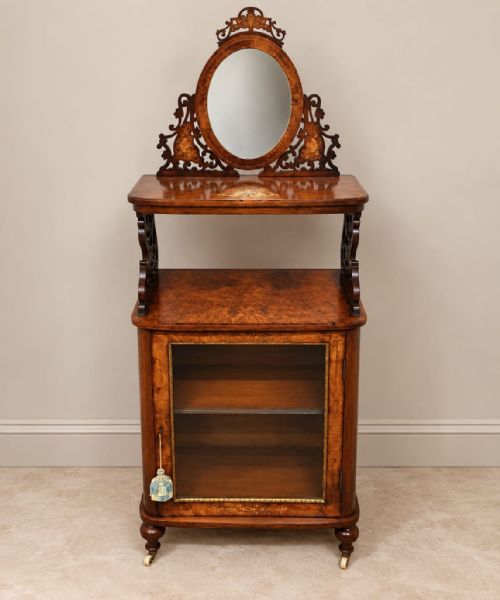
The selections on this page span several related forms, including side cabinets, sideboards, pier cabinets, and display cabinets that share similar decorative flourishes.
Makers utilised styles ranging from Sheraton Revival and Arts and Crafts to Secessionist designs, reflecting the diverse tastes of the eras represented.
Materials and construction
Craftsmen built these pieces using primary timbers such as mahogany, satinwood, rosewood, burr walnut, and oak, often enhanced by contrasting boxwood stringing.
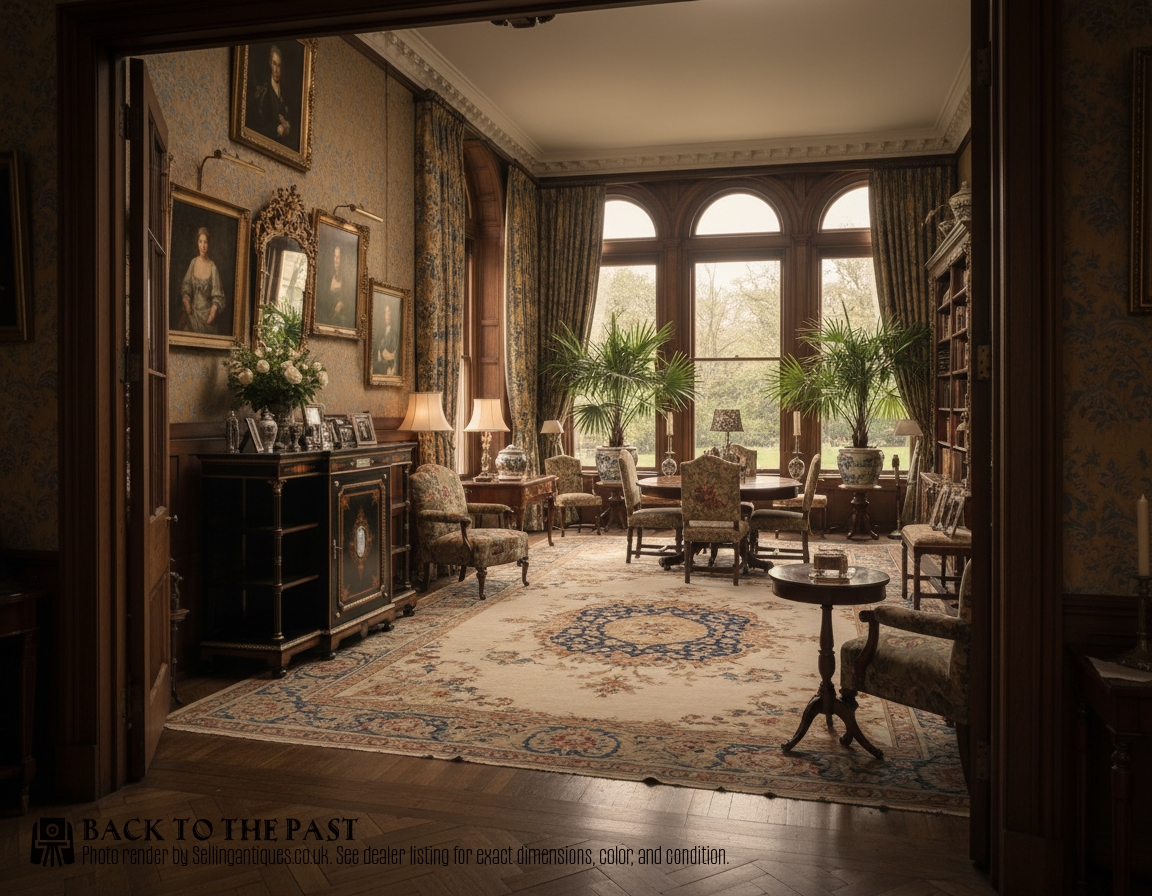
Decoration relied heavily on intricate marquetry and inlay work, complemented by brass handles, glass panels, and occasional ormolu mounts.
Edwardian Inlaid Credenza Retail Price Guide 2026
Typical asking prices for edwardian inlaid credenza among the pieces listed under this phrase on Sellingantiques today, from the lower quarter to the upper quarter. They describe what is for sale here now, not the wider market.
Listings feature mahogany, satinwood, rosewood, burr walnut, oak, and maple, paired with brass, glass, and ormolu mounts.
Assessing quality and craftsmanship
The distinction between tiers rests upon the precision of the cabinetmaking, particularly the crispness of the marquetry and the choice of figured veneers.
Finer examples display careful timber selection, such as flame mahogany or burr walnut, integrated harmoniously with delicate stringing and sound structural joinery.
Hewetsons London·James Hicks·Maple and Co·Shapland and Petter
The Edwardian Inlaid Credenza Glossary
- Marquetry
- Decorative patterns formed by fitting together thin veneers of wood, shell, or ivory onto a structural surface. This technique allows for complex floral or geometric designs across cabinet doors and drawer fronts.
- Credenza
- A sideboard or cabinet designed for storage and display, often featuring glass doors or central shelving. The form evolved through the Victorian and Edwardian eras into various configurations.
- Crossbanding
- A border of veneer laid around the edge of a panel with the wood grain running perpendicular to the centre. It provides a neat framing effect on tabletops and cabinet doors.
- Ormolu
- Gilded bronze mounts applied as decorative ornaments to furniture. Makers used these metallic accents to highlight corners, feet, and friezes.
- Serpentine
- A gently curved front shape undulating inward and outward in a continuous wave. This contour adds movement and elegance to sideboards and commodes.
Edwardian Inlaid Credenza: Frequently Asked Questions
What is an edwardian inlaid credenza?
An edwardian inlaid credenza is a sophisticated cabinet piece combining surface ornamentation with practical storage. These items typically feature decorative wood veneers and contrasting stringing.
They serve well in dining rooms or living spaces for storing tableware while displaying decorative objects on top.
How do I care for inlaid wood furniture?
Maintain these pieces by keeping them away from direct sunlight and steady temperature fluctuations. Regular dusting with a soft, dry cloth preserves the polished surface.
Apply a quality wax sparingly when the timber appears dry, buffing gently to maintain the natural sheen without harming the delicate marquetry.
Where were these cabinets placed in a home?
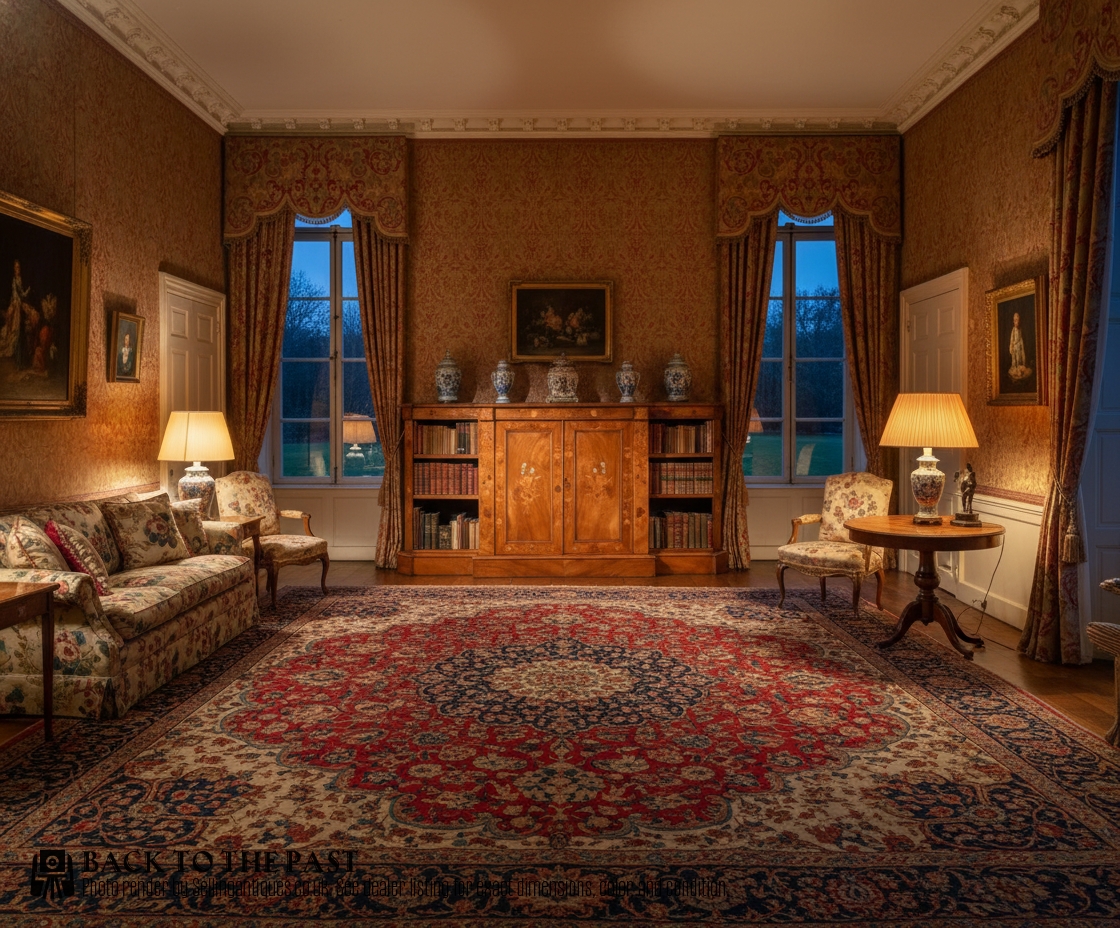
Historically, such cabinets found homes in reception rooms, drawing rooms, and formal dining spaces. They acted as central focal points for serving food or displaying prized possessions.
Today, they adapt easily to modern interiors as statement pieces in hallways, living rooms, or dining areas.
How do I distinguish Edwardian from Victorian styles?
Victorian pieces often display heavier proportions, darker timbers like rosewood or walnut, and more ornate carving. Edwardian designs generally lean towards lighter satinwood, airier proportions, and delicate Sheraton Revival influences.
Examining the construction methods, secondary woods, and specific inlay patterns helps clarify the period of manufacture.