

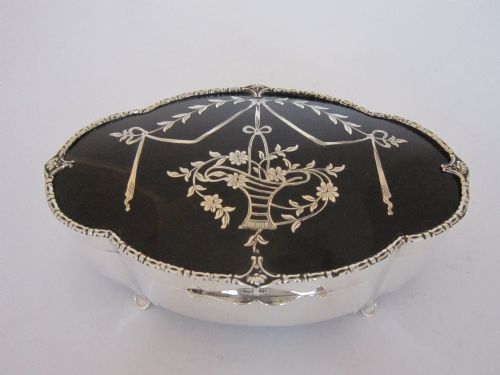
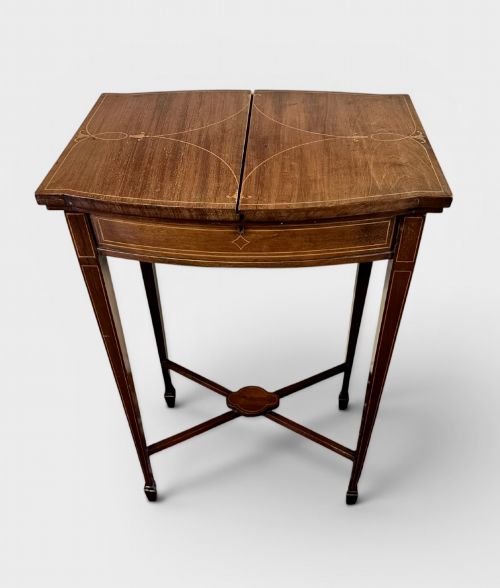
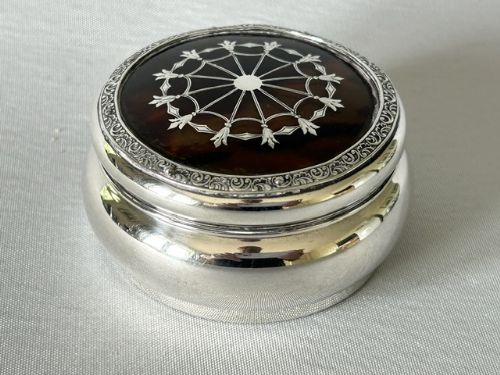
Edwardian Inlaid Box
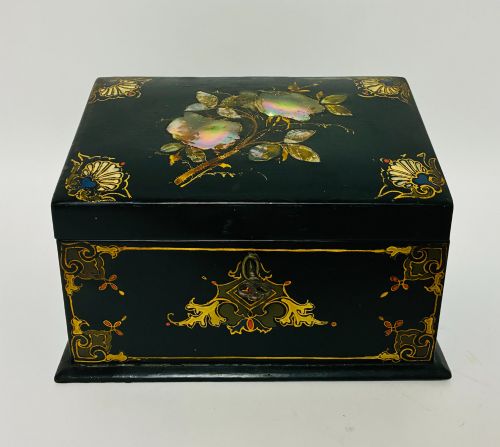
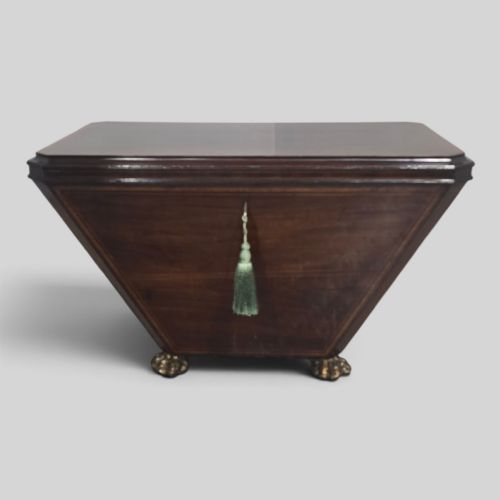
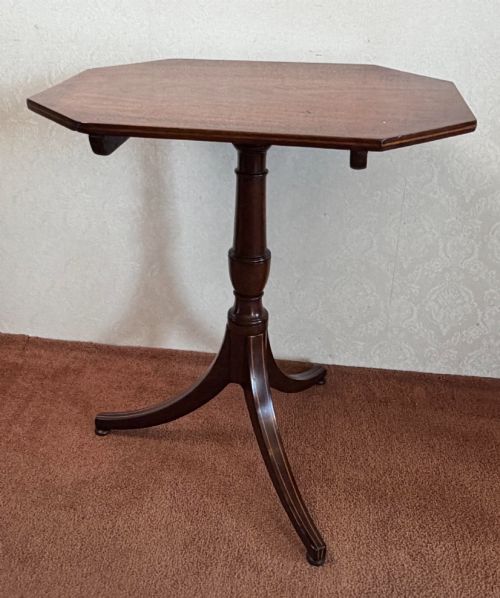
An edwardian inlaid box brings together fine cabinet-making and subtle surface ornament, offering a practical place to store keepsakes while adding character to a room.
Edwardian Inlaid Box
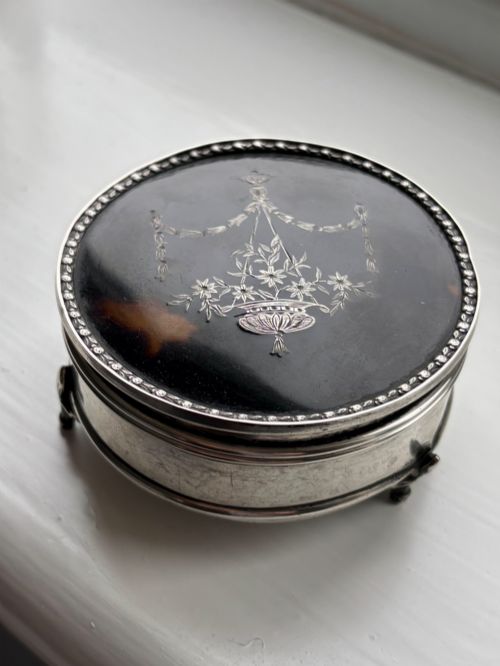
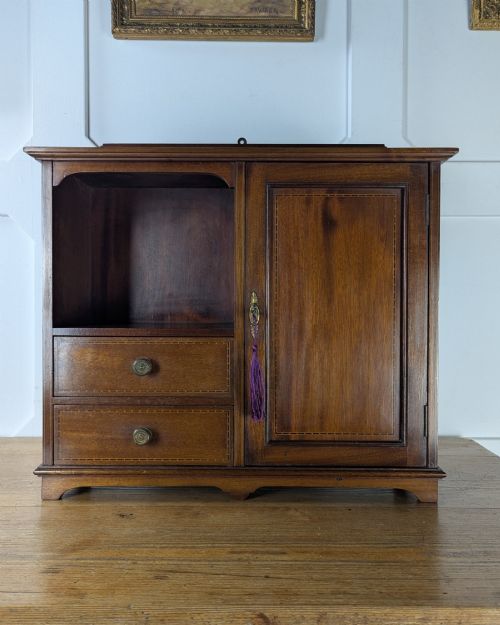
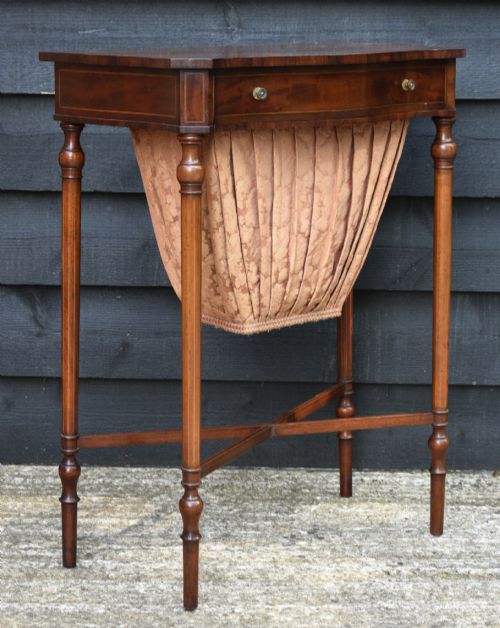
When searching for an edwardian inlaid box, a buyer encounters a diverse group of lidded containers, stationery cabinets, and writing slopes created during the early twentieth century.
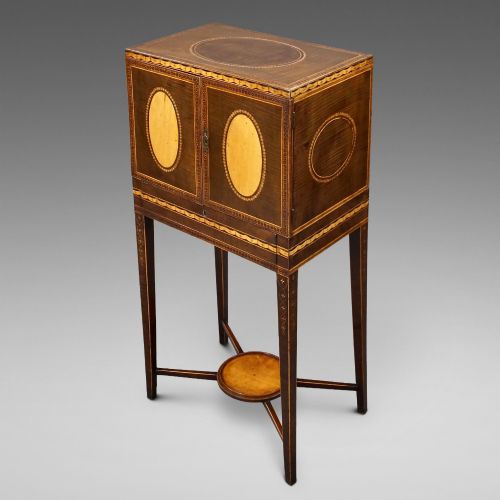
Mahogany and rosewood form the primary bodies of these pieces, frequently enhanced by contrasting satinwood and boxwood decorative motifs.
The selection ranges from small tabletop trinket cases to larger fitted games and stationery containers reflecting Sheraton Revival influence.
Materials and Construction
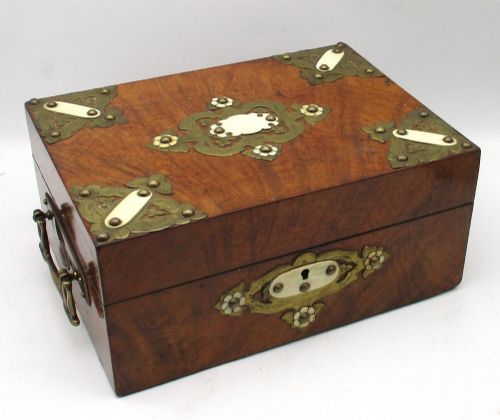
Cabinet-makers built the carcasses from dense hardwoods like mahogany and rosewood, applying thin veneers of satinwood across the exterior surfaces.
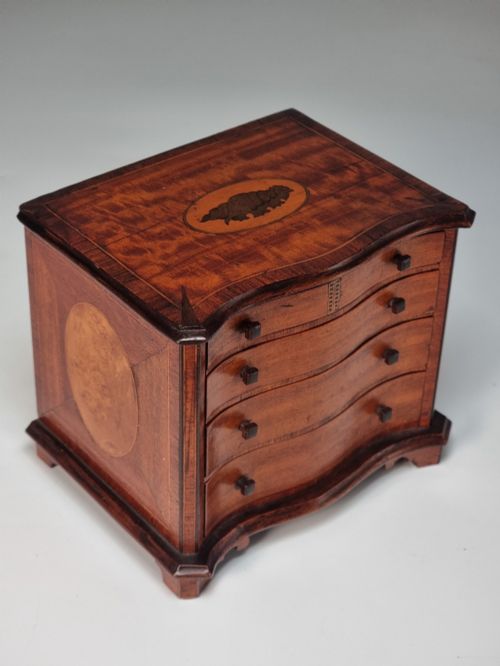
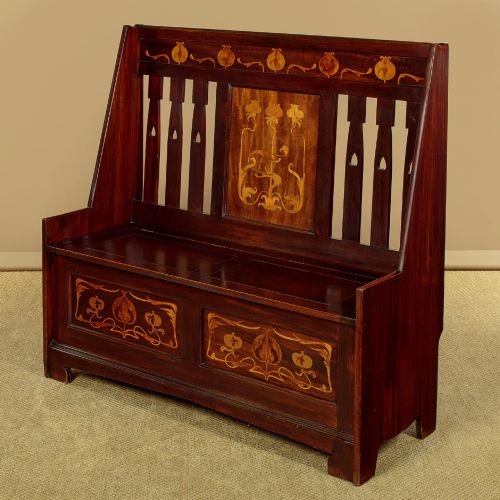
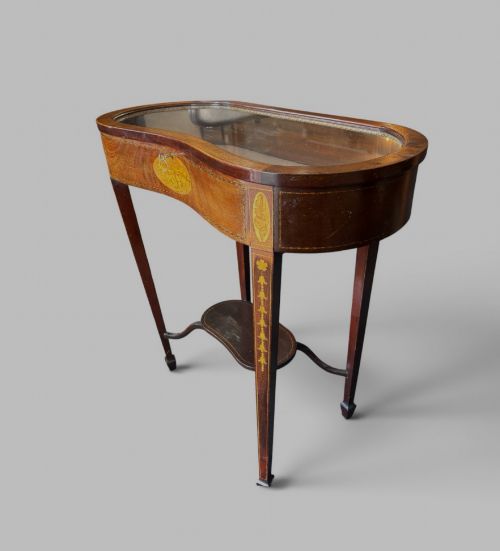
Detailed marquetry and stringing utilised light boxwood strips inlaid into routed channels to define geometric borders and floral panels.
Interiors often featured fitted compartments lined in velvet or silk, accompanied by brass hinges and locks.
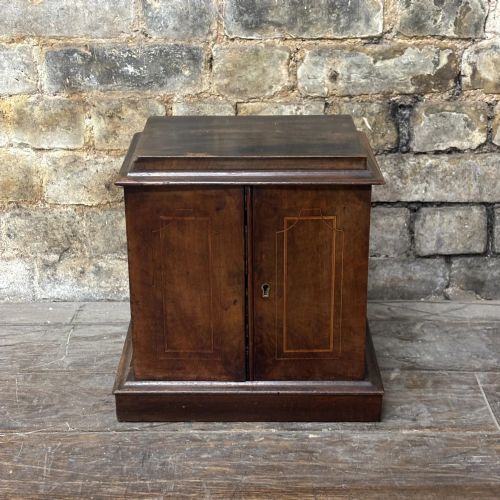
Listings feature mahogany, rosewood, and satinwood combined with boxwood inlay across writing slopes, stationery cabinets, and trinket boxes.
Distinctions in Quality
The precision of the woodwork and the crispness of the contrasting inlay separate standard examples from finer studio pieces.
Fitted interiors with intact silk linings, original brass hardware, and working locks elevate the desirability of a container.
The balance of the proportions and the subtlety of the botanical or linear marquetry dictate the overall success of the design.
Ollivant and Botsford·Edwards and Roberts·A. F. Lloyd·James Shoolbred and Co·Asprey and Co·Erhard and Sohne
The Edwardian Inlaid Box Glossary
- Marquetry
- A decorative technique where small pieces of varied wood veneer are assembled to form pictorial or geometric patterns on a surface.
- Stringing
- Thin, narrow strips of contrasting wood embedded into grooves on a furniture surface to create linear borders.
- Satinwood
- A durable, yellowish timber prized for its smooth texture and reflective sheen, frequently used for contrasting veneers.
- Boxwood
- A dense, pale wood employed for delicate inlay work and stringing due to its uniform colour and fine grain.
- Writing Slope
- A portable desk featuring a slanted, hinged lid that opens to reveal compartments for paper, inkwells, and pens.
Edwardian Inlaid Box: Frequently Asked Questions
What were edwardian inlaid boxes used for?
These containers served specific domestic purposes, holding writing materials, correspondence, jewellery, or household games.
Larger variations functioned as stationery cabinets on desks or portable writing slopes for travellers.
How do I identify an edwardian piece?
Pieces from this era typically display lighter proportions, refined satinwood veneers, and precise boxwood stringing influenced by eighteenth-century Sheraton designs.
Construction methods inside the compartments, such as hand-dovetailed joints, also point to the early twentieth-century manufacturing period.
Where should I place an inlaid box at home?
These lidded containers sit well on top of desks, side tables, or chest drawers where their decorative surfaces remain visible.
They provide functional storage for small daily items while contributing period detail to a room scheme.
Are the interiors usually original?
Many examples retain their fitted wooden dividers, compartments, and original paper or fabric linings.
Complete sets often include working brass locks and keys that match the period of the outer cabinet.