



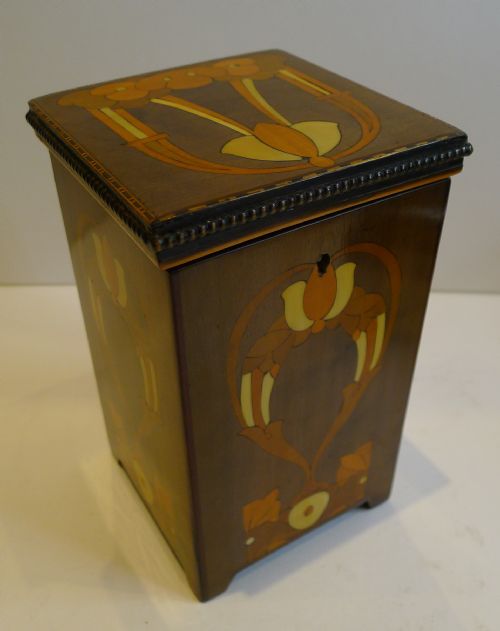


Floral Inlaid Caddy
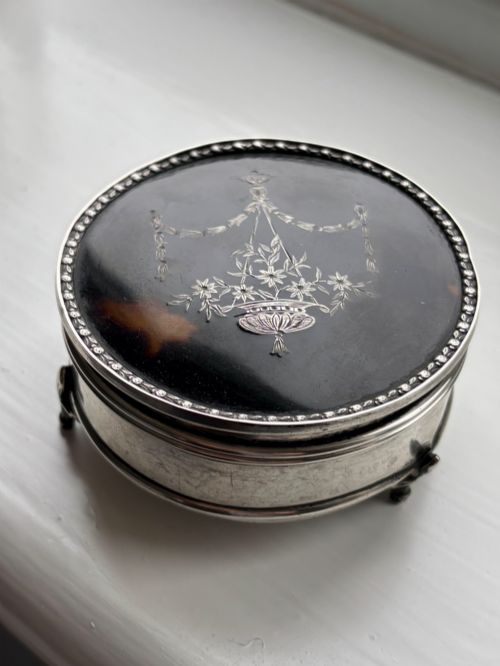
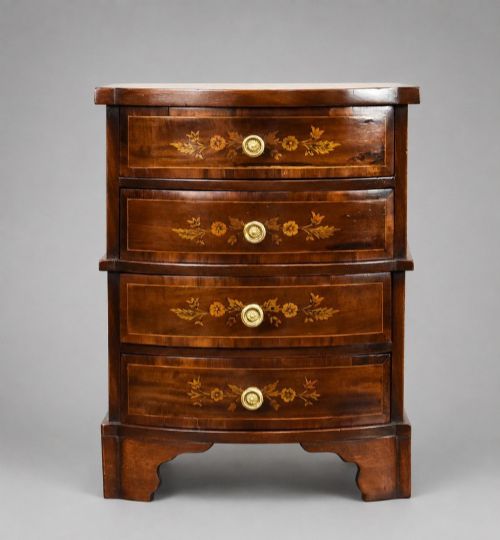
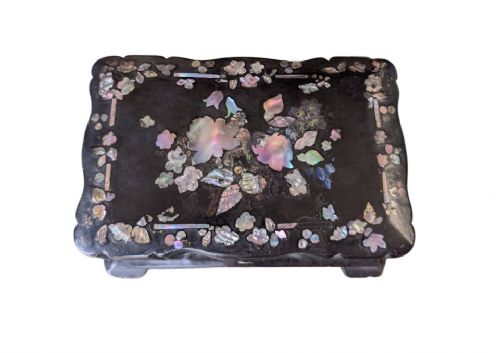
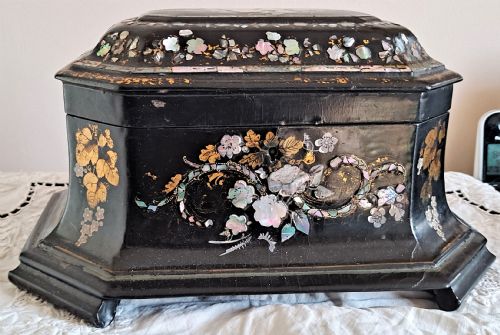
These floral inlaid caddy examples are small wooden containers decorated with floral marquetry and Tunbridge Ware, prized for their intricate botanical ornamentation and period charm.
Floral Inlaid Caddy
When you search for a floral inlaid caddy, you are looking at wooden tea caddies and decorative boxes featuring botanical designs created through marquetry and wood inlay. The pieces seen here span the Georgian, Victorian, and Edwardian periods, stretching from the late eighteenth century into the early twentieth century.
Origins range from Georgian workshops to Victorian production centres, with styles shifting from classical Sheraton ovals to later Art Nouveau interpretations. Each piece demonstrates the enduring appeal of floral motifs in British cabinet making.
What varies in quality
The precision and complexity of the marquetry define the upper tiers of quality in these caddies. Master craftsmen achieved remarkable shading in wood veneers to render petals and foliage with convincing depth, whereas lesser examples rely on simpler, blockier geometric cutting.
The choice of primary timber and secondary veneers also dictates the standing of a piece. Selecting highly figured burr yew or rich harewood elevates a box far above standard mahogany constructions of the same era.
Floral Inlaid Caddy Retail Price Guide 2026
Typical asking prices for floral inlaid caddy among the pieces listed under this phrase on Sellingantiques today, from the lower quarter to the upper quarter. They describe what is for sale here now, not the wider market.
Ollivant & Botsford
The Floral Inlaid Caddy Glossary
- Marquetry
- The art of forming decorative patterns by fitting together small pieces of wood veneer. This technique allows for complex pictorial representations of flowers and foliage.
- Harewood
- Sycamore wood that has been stained grey, frequently utilised in Georgian cabinet making. It provides a cool, silvery background that makes inlaid floral designs stand out.
- Tunbridge Ware
- Woodworking characterised by tiny mosaic tiles formed from naturally coloured woods. These tiny pieces are assembled to create detailed geometric and floral pictures.
- Caddy
- A small container or box originally designed for storing tea leaves. Eighteenth and nineteenth-century examples often featured locks to protect expensive contents.
- Satinwood
- A durable hardwood with a lustrous, yellow sheen. Craftsmen prized this timber for banding and contrasting details on high-end boxes.
Floral Inlaid Caddy: Frequently Asked Questions
What was a floral inlaid caddy used for?
These containers were originally built to hold loose tea leaves securely under lock and key when tea was an expensive luxury. Wealthy households kept them in the parlour or dining room to dispense tea safely.
Over time, many of these boxes transitioned into general storage for jewellery, trinkets, or letters as social customs changed. Today they function primarily as decorative decorative objects on sideboards and desks.
How do I date a floral inlaid caddy?
Dating relies on examining the underlying timber, the construction of the interior compartments, and the prevailing style of the floral marquetry. Georgian examples often feature symmetrical Sheraton shapes in harewood, while Victorian pieces lean towards heavier rosewood and papier-mâché.
Hardware such as hinges and locks also offer clues, as machine-made screws and modern brass alloys point towards later nineteenth or twentieth-century production. Comparing the veneer types against known period pieces helps confirm the decade.
How do I care for my caddy?
Keep wooden caddies away from direct sunlight and strong heat sources to prevent the delicate veneers and wood inlay from drying and splitting. Maintaining a stable indoor humidity protects both the timber carcase and the brass fittings.
Dust the surface gently with a dry, soft cloth and avoid applying modern liquid polishes or silicone sprays. Natural wax can be applied sparingly if the wood appears dry, following the grain of the timber.
What is the difference between inlay and marquetry?
Inlay involves setting pieces of wood or other materials into depressions carved directly into the solid wood surface of the box. This creates a flush design where the decorative element sits within a pre-cut recess.
Marquetry, by contrast, assembles an entire picture from various veneer pieces on a backing sheet before applying the whole assembly to the carcase. This allows for far more intricate floral compositions across the lid and sides.