
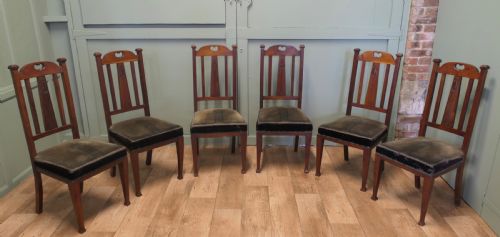


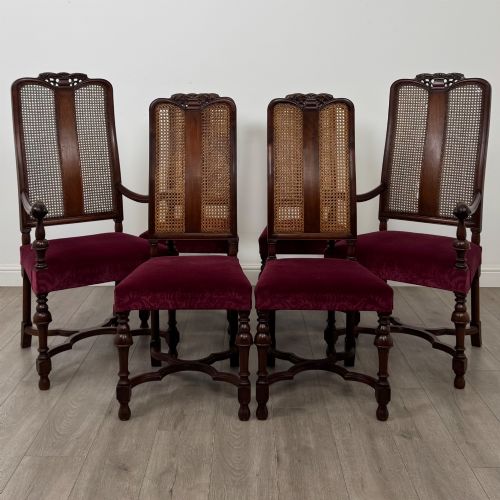
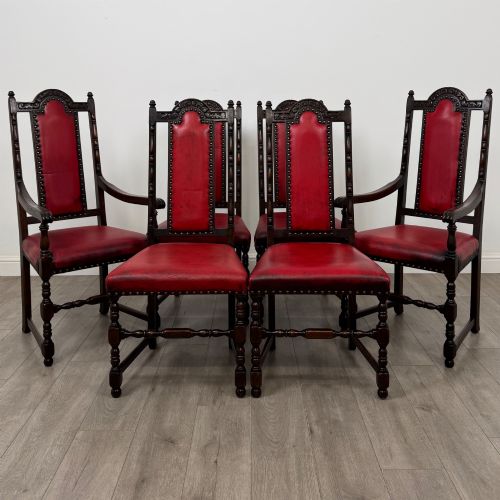
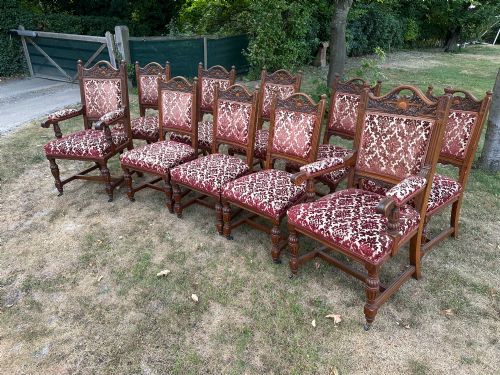
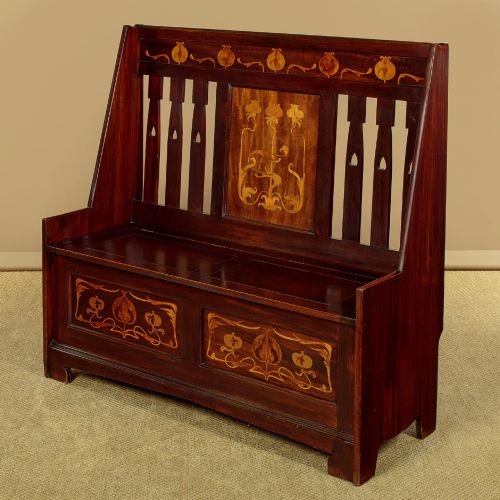
Edwardian High Chair
An edwardian high chair brings the clever engineering and domestic practicality of the early twentieth century directly into a modern interior.
Edwardian High Chair
When searching for an edwardian high chair, a buyer encounters pieces originating primarily from the Edwardian era, alongside related items from the wider nineteenth and early twentieth centuries. The selection encompasses practical child seats, including clever metamorphic designs that convert into low play chairs, as well as tall seating solutions intended for domestic use.
The pieces appearing under this heading range from solid oak nursery furniture to mahogany salon chairs and specialised seating featuring elevated frames. Domestic items from the period often display the functional versatility expected by households of the time, whether through folding mechanisms or sturdy dining heights.
Materials and Construction
Makers of the period relied heavily on hardwoods such as oak and mahogany, often selecting them for structural integrity in pieces subject to daily domestic service. Joinery techniques combined traditional framing with turned components, sometimes incorporating cane panels, leather upholstery, or inlaid wood details to suit contemporary tastes.
The surface finishes applied to these frames typically involved traditional polishing methods that highlighted the natural grain of the timber. Structural stability was paramount, particularly in items designed for children or elevated seating, leading to robust bracing and secure joints.
A few miniature chairs survived centuries of enthusiastic toddlers by simply being too sturdy to break during mealtime tantrums.
Distinguishing Quality
The distinction between standard utility items and finer examples lies in the crispness of the timber carving, the subtlety of any inlay work, and the integrity of the original mechanism in metamorphic pieces. Superior examples exhibit balanced proportions and careful selection of figured wood.
Condition and originality heavily influence the standing of a piece, with surviving original hardware, intact cane or leather, and minimal replacement parts marking the more desirable specimens. The retention of maker marks or the quality of secondary woods further separates mass-produced items from superior workshop output.
Liberty Morris And Co·James Shoolbred And Co·Dryad Of Leicester·Whytock And Reid·Howard And Sons
The Edwardian High Chair Glossary
- Metamorphic
- Describing furniture designed to transform from one functional form into another, such as a high chair converting into a low armchair and play table. This clever engineering was especially popular in Edwardian nurseries.
- Bergère
- A type of enclosed upholstered armchair featuring cane work panels to the back and sides. The style derives from earlier French models but appears frequently in Edwardian seating.
- Inlay
- A technique where pieces of contrasting timber, shell, or metal are inserted into depressions in the base wood to form decorative patterns. Mahogany Edwardian pieces frequently utilise this method.
- Barley Twist
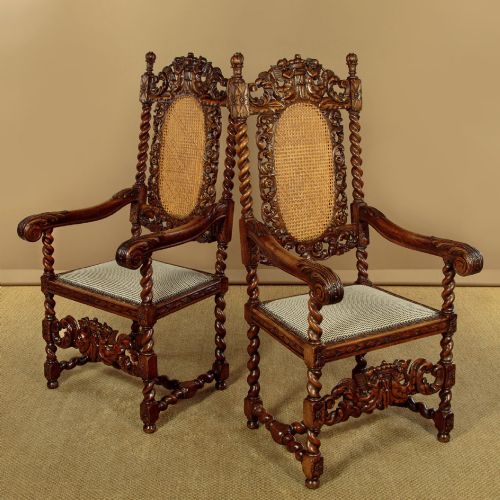
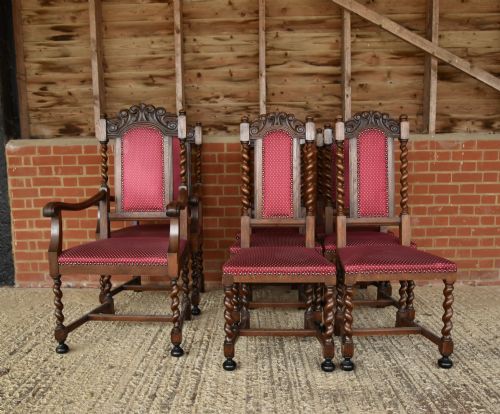
- A type of turning shaped to resemble a twisted rope or column, common in furniture legs and structural supports during various revival periods. It adds strong vertical visual rhythm.
- Wingback
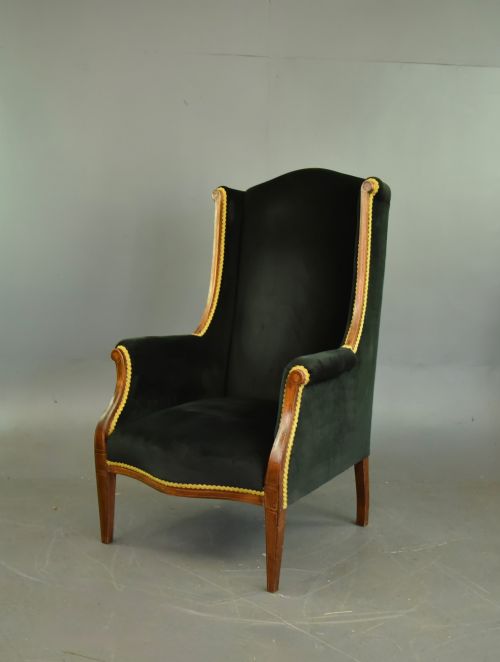
- An armchair featuring side panels attached to the back armrests, originally designed to shield the sitter from drafts. Edwardian iterations often refined these proportions for domestic parlours.
Edwardian High Chair: Frequently Asked Questions
What is a metamorphic high chair?
A metamorphic high chair is a dual-purpose piece of nursery furniture engineered to transform from an elevated seating position into a low chair and table combination. This design allowed families to maximise utility in the home.
Such pieces often utilise sliding hinges, pivots, or locking pins to secure the frame in each configuration. They represent the practical ingenuity applied to domestic child-rearing objects during the early twentieth century.
Were these chairs used for children?
Many items listed under this description were specifically built for infants and toddlers to sit safely at family dining heights. Others refer to tall domestic seating intended for adults, such as bar stools or porter chairs.
Examining the scale, footrests, and safety restraints usually clarifies whether a particular specimen served a nursery or an adult workspace. The variety reflects the diverse domestic requirements of Edwardian households.
How do I date an Edwardian piece?
Dating relies on stylistic markers, construction methods, and materials typical of the years between eighteen eighty and nineteen twenty. The presence of specific revival styles, machine-assisted joinery alongside hand finishing, and characteristic timbers helps narrow the timeframe.
Comparative study with dated pieces in archive records provides further chronological context. Makers' stamps or retailer labels, when present, offer the most precise verification.
How should I clean the wood?
Maintenance requires gentle cleaning with a soft, dry cloth to remove dust without disturbing the historic polish or patina. Avoid modern silicone sprays or harsh chemical detergents that can penetrate and soften the timber finish.
Application of microcrystalline wax can periodically nourish older hardwoods like oak and mahogany. Maintaining stable indoor humidity prevents the timber from drying out or splitting.