

Edwardian Hallmarked Silver Case
When you handle an edwardian hallmarked silver case, you hold a functional object made to protect personal items.
Edwardian Hallmarked Silver Case
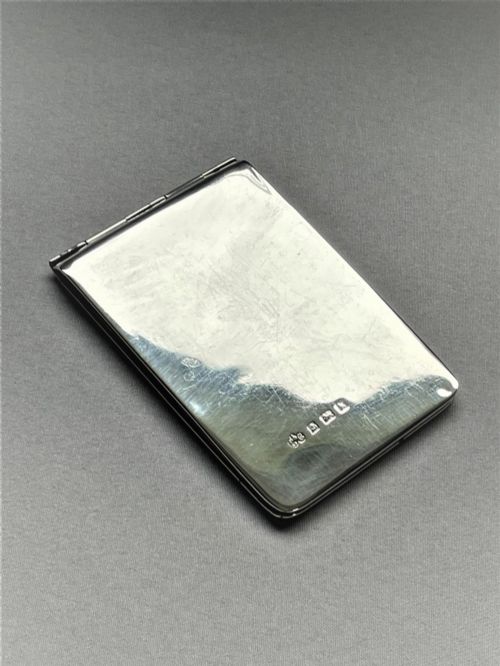
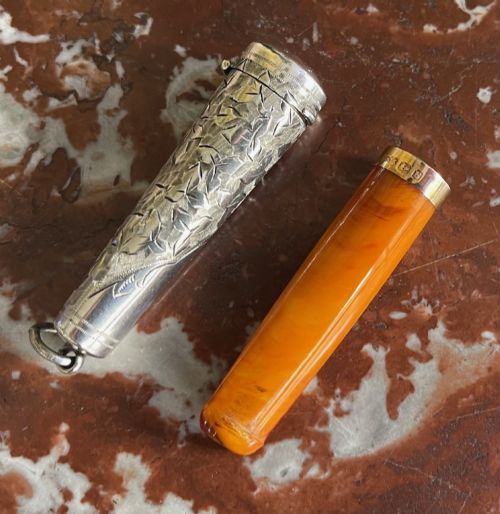
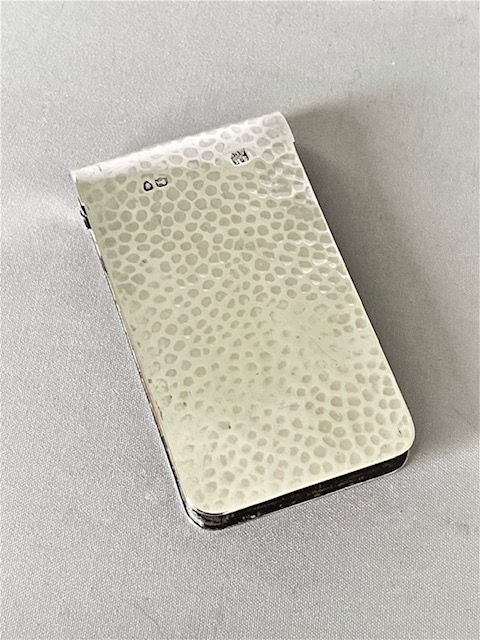
An edwardian hallmarked silver case encompasses a wide variety of personal receptacles produced around the early twentieth century, including vesta cases, card cases, stamp cases, and cigarette cases. Many of these items were designed to fit neatly into a pocket or handbag, serving daily social rituals involving tobacco, correspondence, or currency.
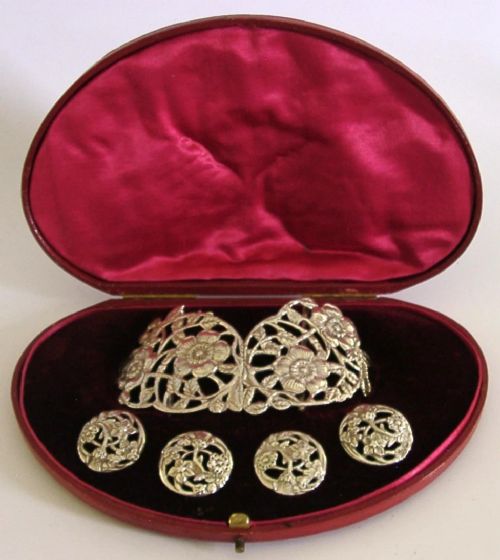
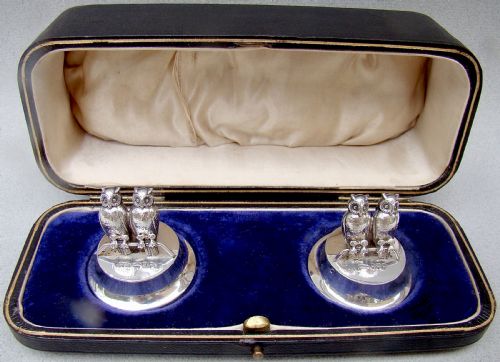
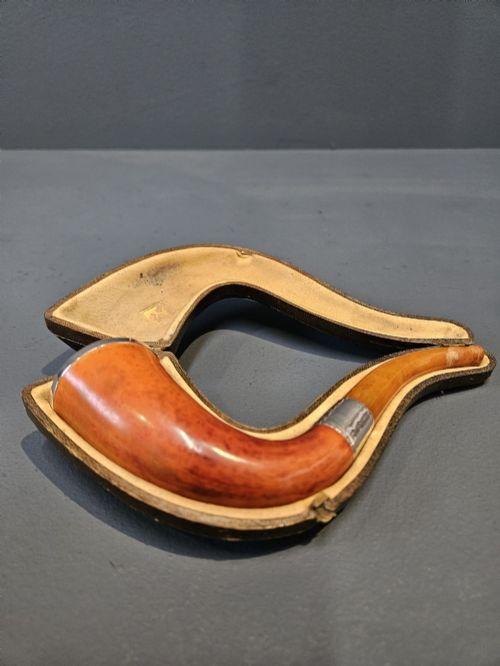
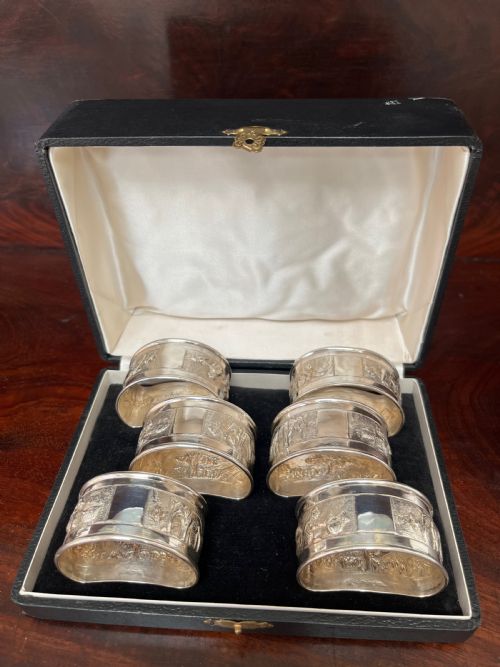
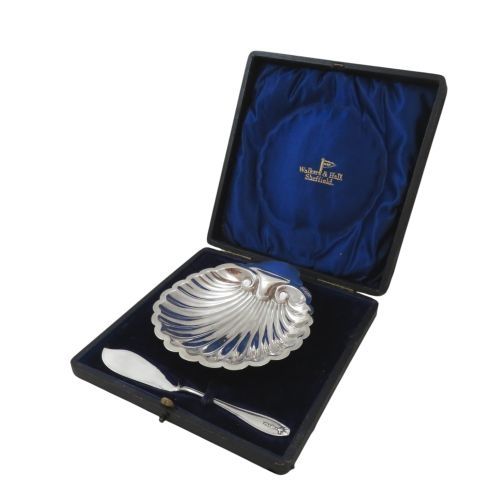
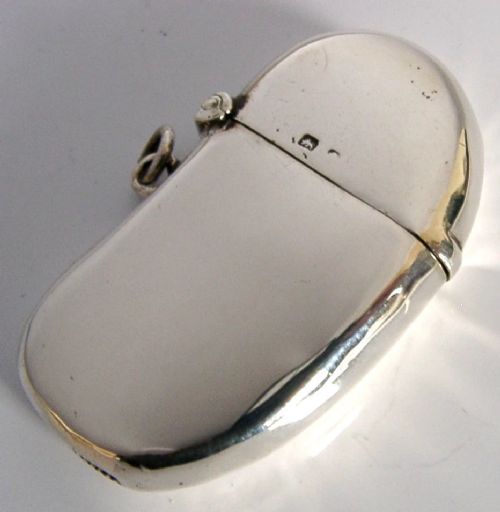
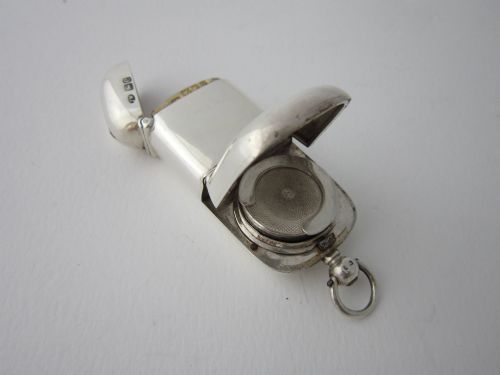
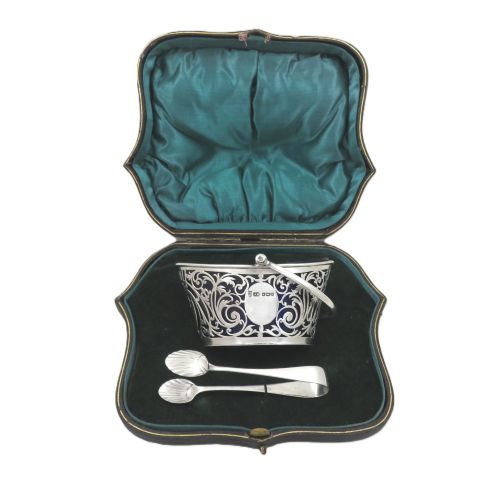
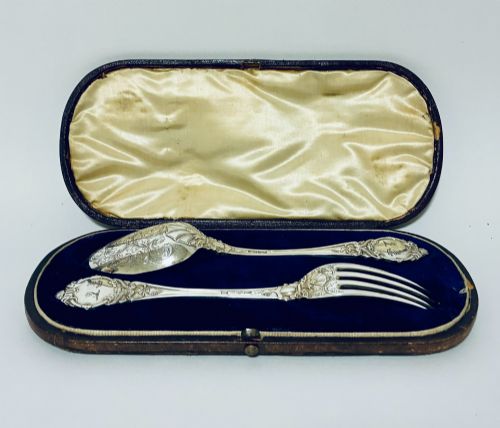
The pieces appearing on this page span several decades, reaching from late Victorian and Edwardian examples into George V production, often accompanied by fitted presentation boxes lined with silk or velvet. While some items are standalone protective shields like kidney bean shaped vestas and double sovereign cases, others form parts of cased dining or christening sets.
How They Were Made
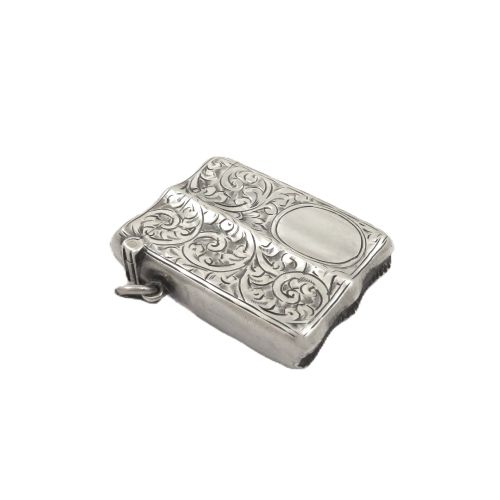
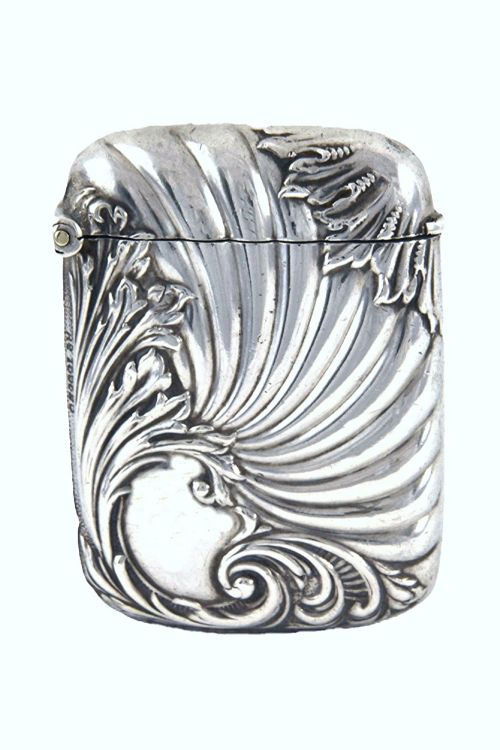
Silversmiths utilised sterling silver sheet metal, shaping bodies through pressing, stamping, or hand beating, and marked each piece with standard British hallmarks denoting the assay office, standard, and date letter. Engraving and embossing were frequently applied to the exterior surfaces, creating floral patterns, scrolls, or geometric motifs.
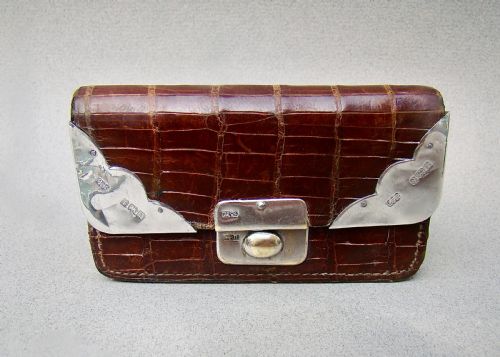
Interiors were often lined with materials such as silk, velvet, or leatherette to cushion delicate contents like pocket watches, buttons, or cutlery. Additional elements like glass, amber, tortoiseshell, and crocodile skin appear combined with the silver mounts.
Listings feature sterling silver combined with amber, glass, tortoiseshell, and crocodile skin across the Edwardian and George V periods.
What Varies in Quality
The distinction between standard production and superior craftsmanship lies in the crispness of the hallmarking, the depth of the hand engraving, and the structural integrity of the hinges and closures. Pieces produced by notable makers display finer attention to detail in balancing the weight of the silver with the utility of the item.
The condition and completeness of the original fitted case also influence the character of the piece, particularly where silk linings and velvet beds remain intact to house items such as button sets, menu holders, or christening cutlery.
Charles Penny Brown·Aaron Lufkin Dennison·Levi & Salaman·Sampson Morden·The Goldsmiths & Silversmiths·C.T. Burrows & Sons·Albert Ernest Jenkins·Charles Horner
The Edwardian Hallmarked Silver Case Glossary
- Hallmark
- Official stamps applied to precious metals indicating the purity, the maker, and the year of assay. These marks provide a precise historical record for British silver.
- Vesta case
- A small pocket container specifically designed to hold matches and keep them dry. They usually feature a striking strip integrated into the bottom.
- Sovereign case
- A small circular container engineered to hold British gold sovereign coins securely. They often include internal spring mechanisms.
- Chatelaine
- A decorative belt hook worn with a series of suspended chains carrying everyday household and personal items. Miniature silver cases were frequently hung from these.
- Assay office
- A statutory body responsible for testing the purity of precious metals and stamping them with official hallmarks. Birmingham and Chester are common assay locations seen here.
Edwardian Hallmarked Silver Case: Frequently Asked Questions
What is an edwardian hallmarked silver case used for?
These protective containers were made to hold small personal belongings such as matches, stamps, calling cards, cigarettes, or coins during daily life.
Many were carried in pockets or attached to chatelaines, while others remained on dressing tables or desks as refined storage vessels.
How do I read the hallmarks?
British hallmarks typically show a lion passant for sterling silver, a city mark for the assay office, and a specific letter corresponding to the year of testing.
By comparing these stamped symbols against standard assay records, you can identify the exact year and location of manufacture.
Are these cases lined with original materials?
Many surviving pieces retain their fitted interior linings made of silk, velvet, or leatherette, often housed within a matching presentation box.
These delicate internal fabrics were designed to cradle items securely, ranging from silver napkin rings to button sets and cutlery.
Can I use a vesta case today?
While these silver containers were originally built for daily pocket use with matches, modern collectors generally treat them as decorative display objects.
The mechanical spring hinges and lids remain functional, though care should be taken to preserve the historic silver and interior fittings.