

Edwardian Hall Console
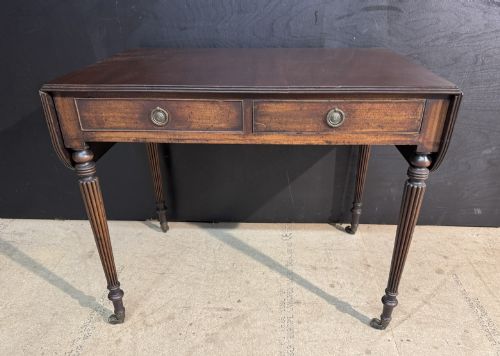
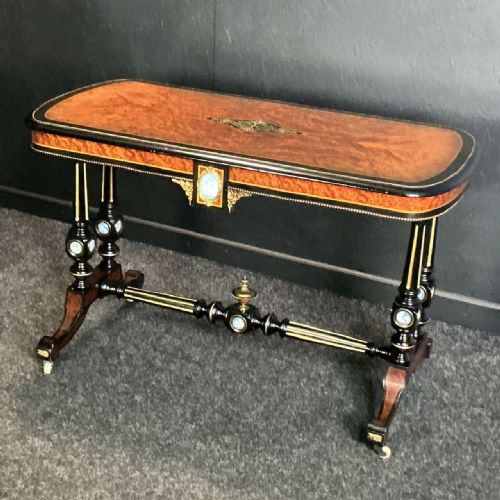
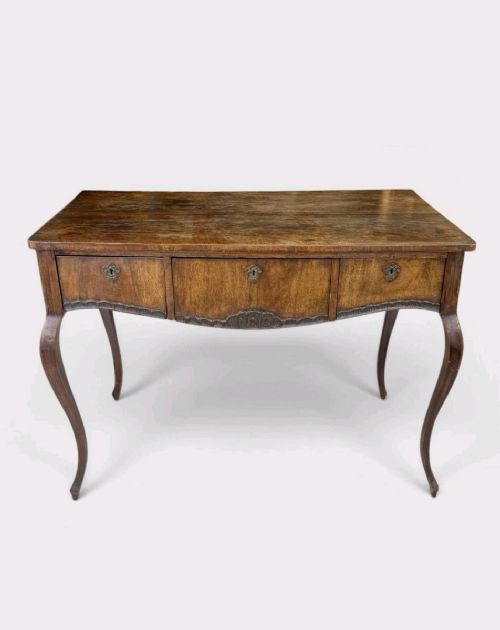
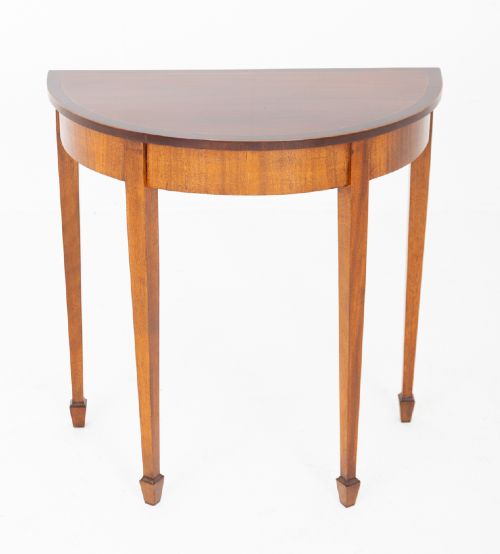
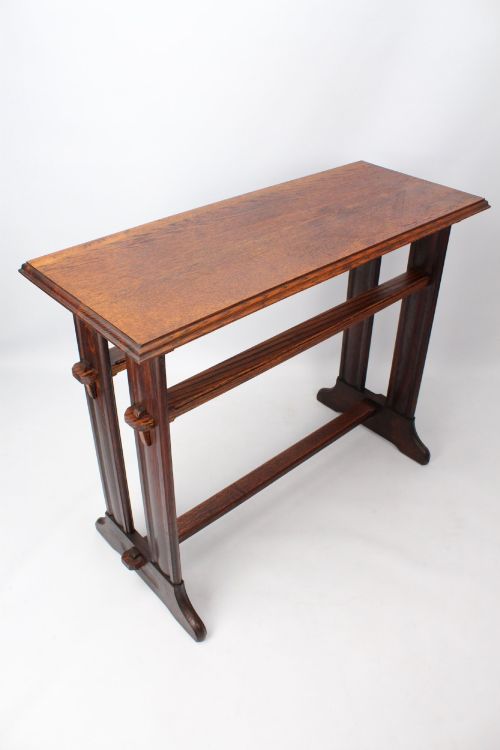
An edwardian hall console offers a narrow surface for an entranceway, combining timber frames with practical proportions.
Edwardian Hall Console
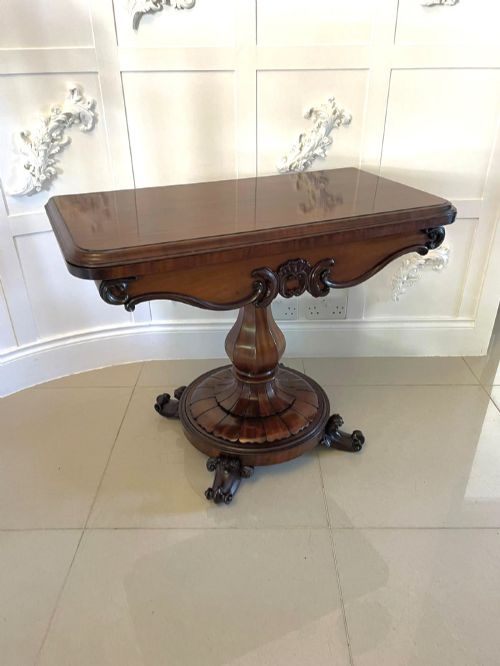
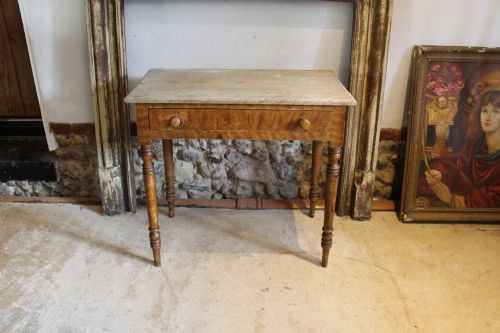
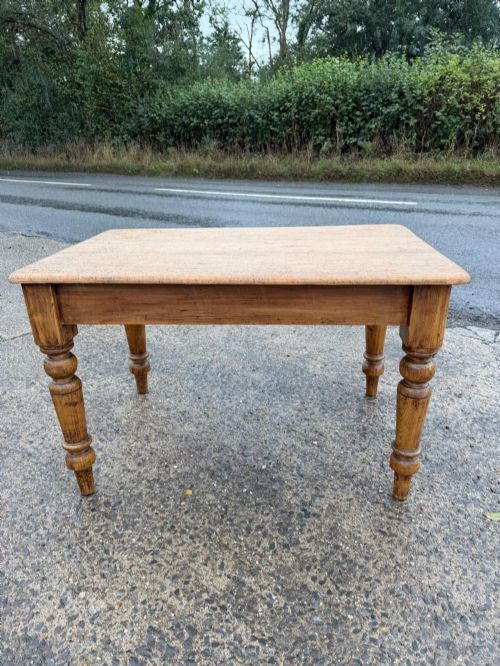
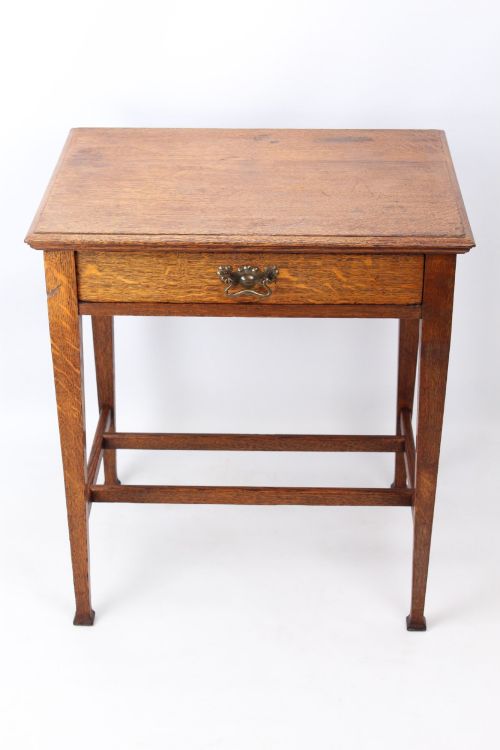
An edwardian hall console appears primarily in Edwardian pieces alongside Victorian, nineteenth-century, and twentieth-century examples, spanning periods like 1900, 1910, 1920, and 1930. These tables frequently take the form of side tables, console tables, writing tables, desks, and sofa tables.
Makers and workshops referenced in the evidence include Heal and Son, Edward’s And Robert’s, James Schoolbred & Co, and Beresford & Hicks. Alongside standard forms, related items such as card tables, centre tables, washstands, and dresser bases emerge in the listings.
Styles range across Edwardian, Victorian, Regency, Jacobean Revival, Georgian, Queen Anne Revival, Victorian Country, Arts and Crafts, Gothic Revival, Adam style, Sheraton style, and Louis XV Revival.
Materials and Construction
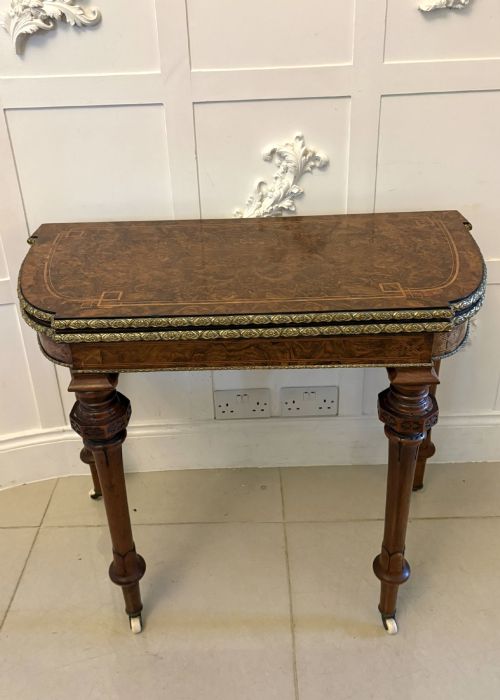
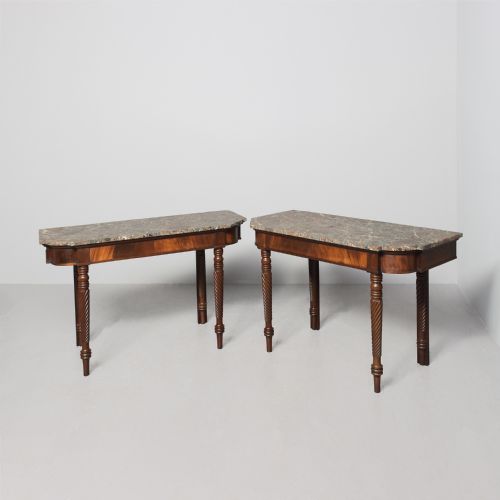
Cabinetmakers constructed these tables using solid and veneered timbers including mahogany, oak, burr walnut, walnut, satinwood, and pine. Decorative surfaces incorporate marble tops, brass mounts, ormolu details, inlay, leather writing surfaces, and scumble paint.
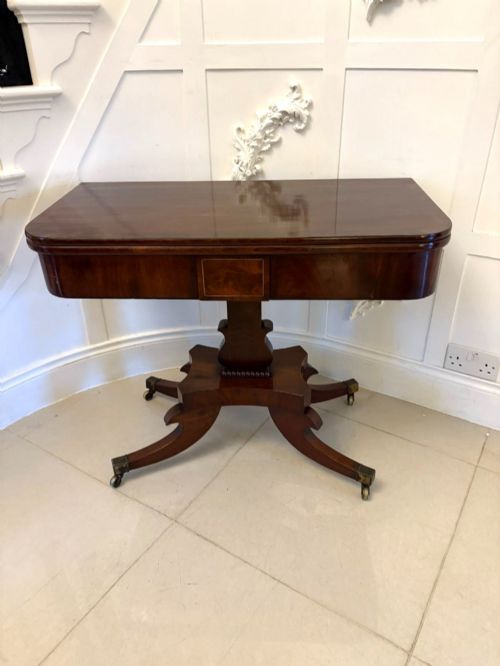
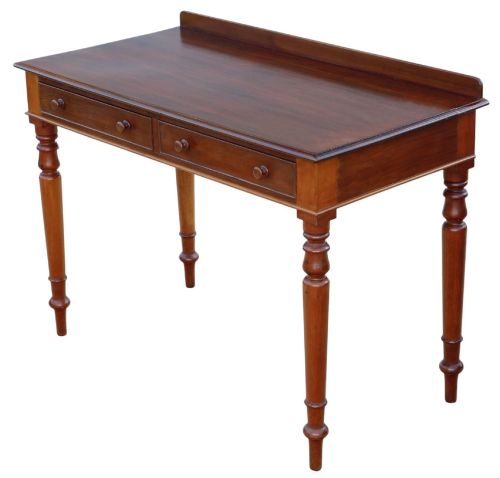
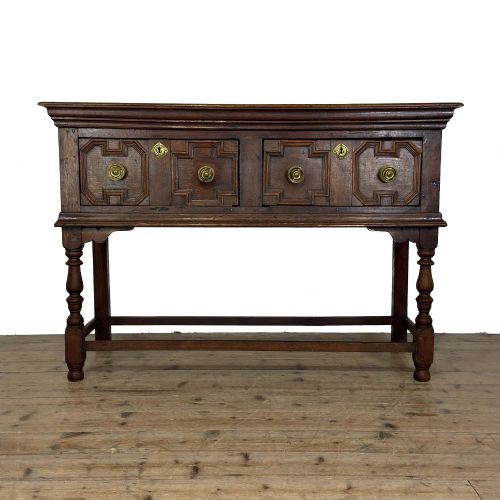
Joinery techniques support the structural forms of drop leaves, break-front designs, demi-lune shapes, and single or double drawers fitted to front friezes.
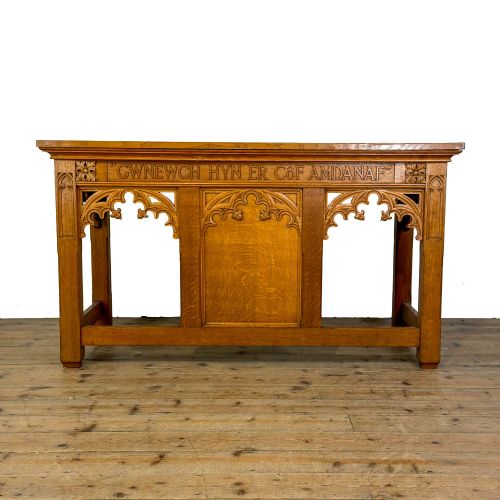
Several tables doubling as washstands or altar tables remind us that Victorian hallways held quite varied daily duties.
Evaluating the Pieces
Quality rests upon the selection of timber figures, such as figured mahogany or burr walnut, and the precision of inlaid details or carved ornamentation. Secondary elements like ormolu mounts, brass fittings, and inset leather surfaces distinguish finer examples from plain utility pieces.
Structural integrity shows in the execution of drawers, the matching of grain across demi-lune or break-front shapes, and the integration of marble tops where fitted.
Heal and Son·Edward’s And Robert’s·Beresford & Hicks
The Edwardian Hall Console Glossary
- Demi-lune
- Having a half-moon shape with a curved front and flat back edge, often found on small console tables placed against walls.
- Ormolu
- Gilded bronze ornamentation applied to furniture as mounts, feet, or decorative highlights.
- Frieze
- The horizontal band running directly beneath the top surface of a table, frequently housing one or more drawers.
- Satinwood
- A durable, yellowish timber prized for its smooth grain and used extensively for fine inlay and veneering.
- Scumble
- A decorative paint technique used to imitate the grain of more expensive timber on a simpler wood base.
Edwardian Hall Console: Frequently Asked Questions
What is an edwardian hall console?
An edwardian hall console is a slender table designed for narrow entrance spaces and hallways, providing a surface for lamps, letters, or decorative items.
These pieces typically date from the early twentieth century and frequently feature mahogany or oak construction with simple drawers or inlaid decoration.
How were these tables used originally?
Historically, households placed these tables in hallways and entrance passages to receive callers, hold visiting cards, or support a lighting source.
Many designs incorporate drawers for storing keys and small household documents close to the front door.
How do I fit one into a modern hallway?
Their shallow depth makes them suitable for narrow corridors and tight spaces where standard furniture would block movement.
Pairing the surface with a wall mirror or a small lamp creates a functional focal point near an entryway.
How do I distinguish Edwardian from Victorian tables?
Edwardian examples generally lean towards lighter proportions, satinwood inlay, and Sheraton or Arts and Crafts revival aesthetics.
Victorian pieces often display heavier timber sections, darker finishes, and more robust carved ornamentation such as Gothic or Jacobean details.