

Edwardian Glass Shade
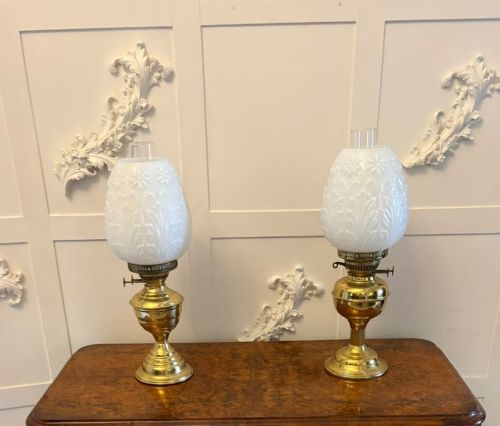
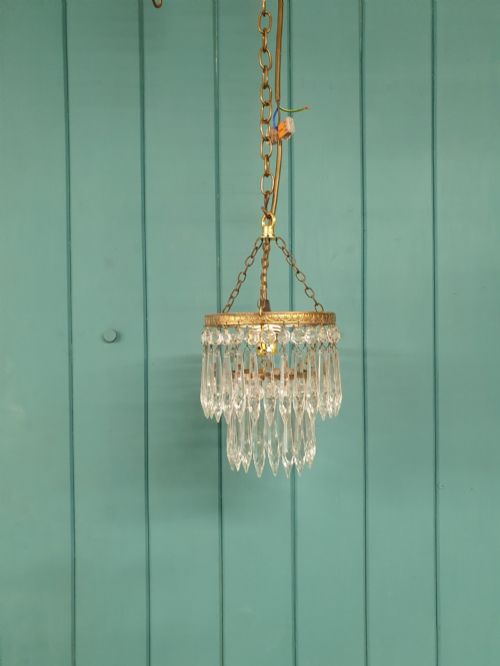
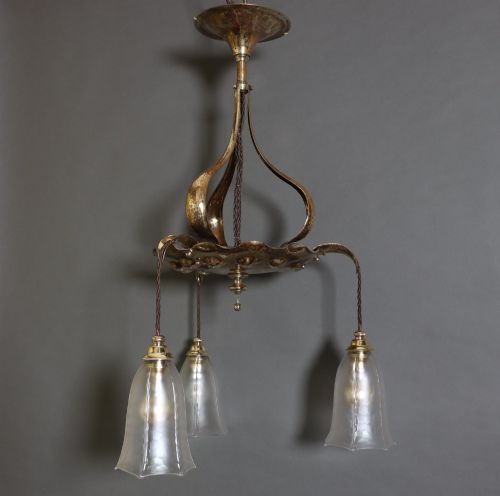
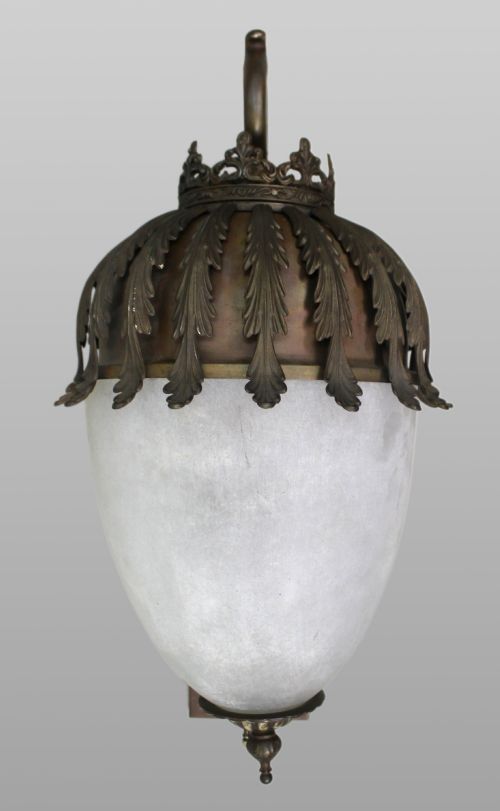
These edwardian glass shade selections bring period character and warm illumination to a room, offering distinct tactile charm for interior projects.
Edwardian Glass Shade
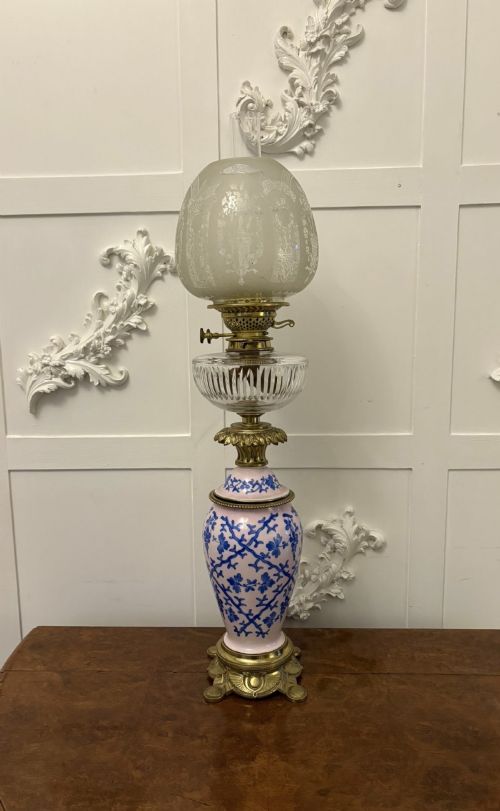
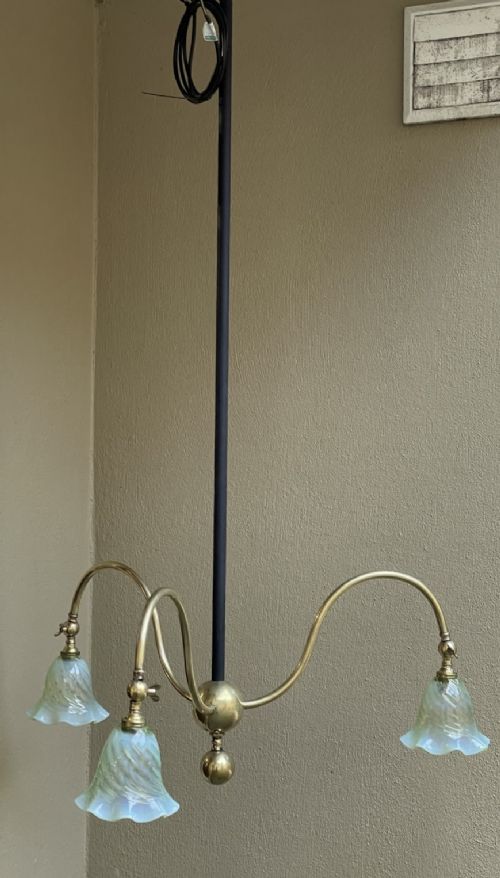
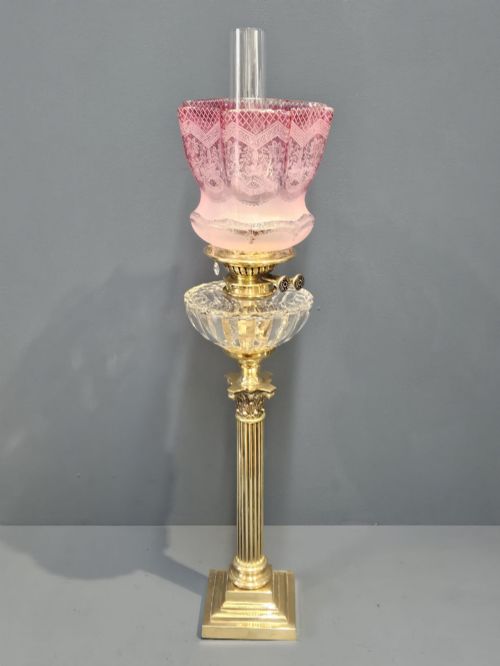
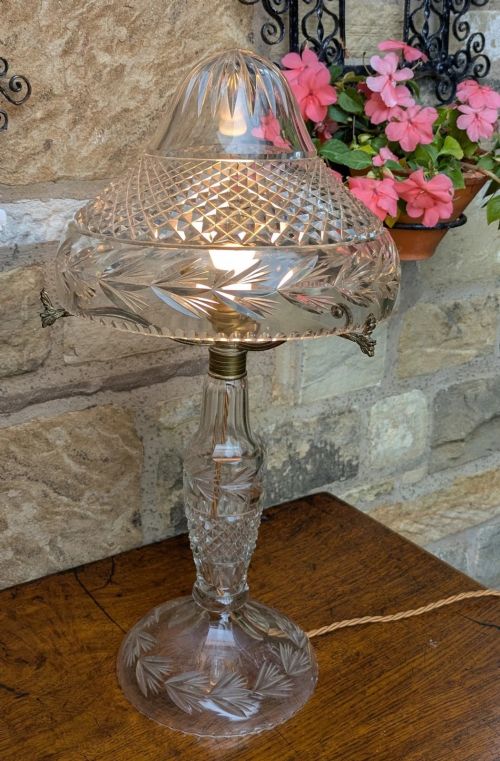
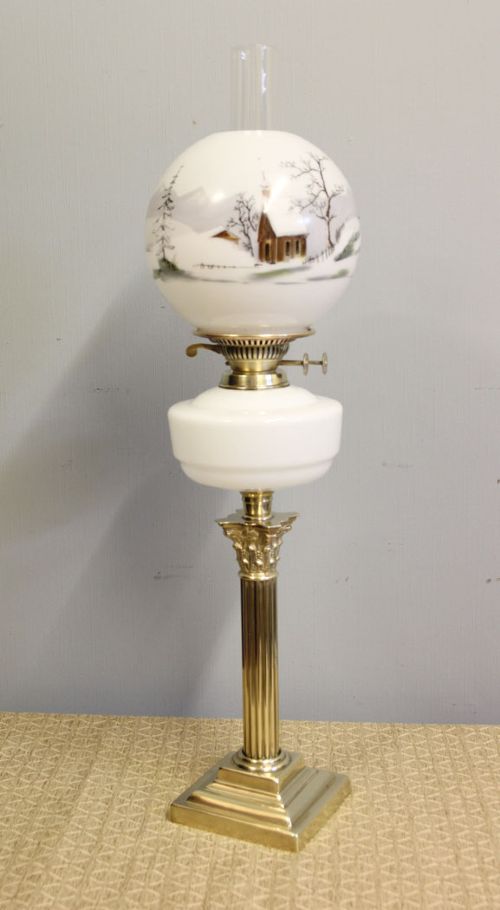
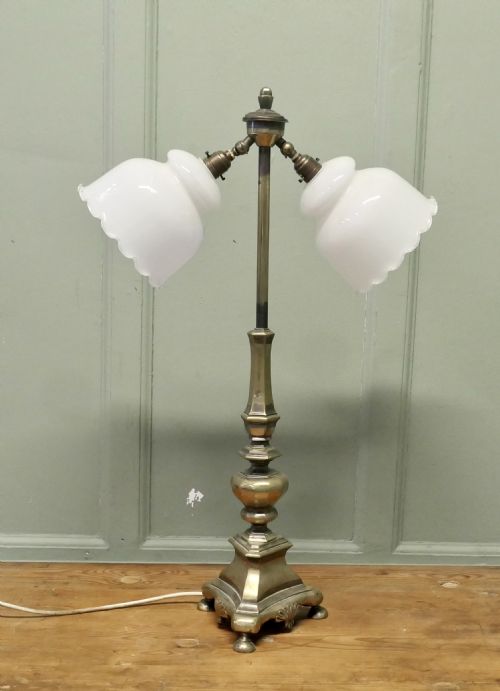
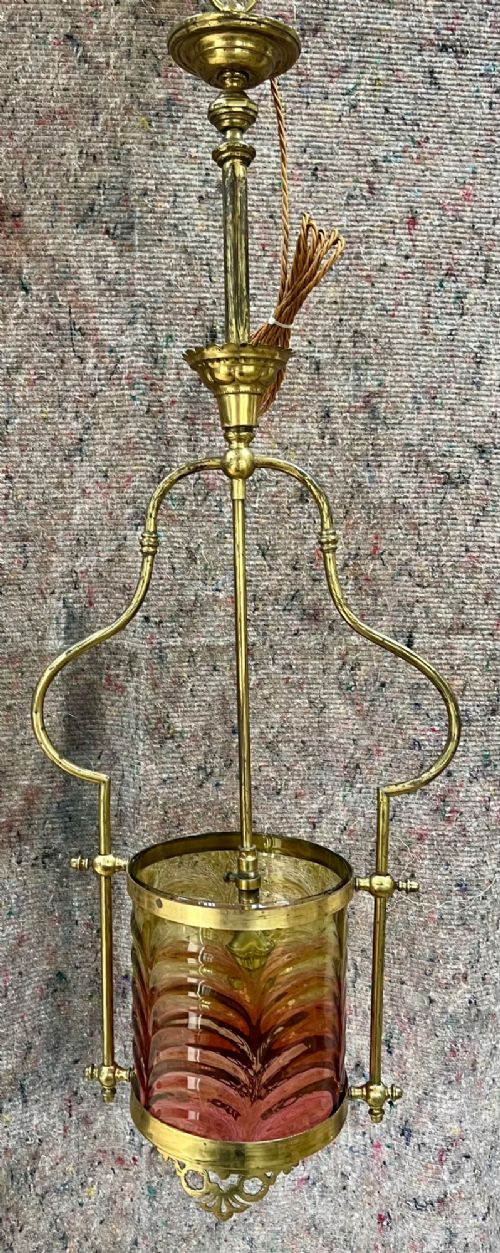
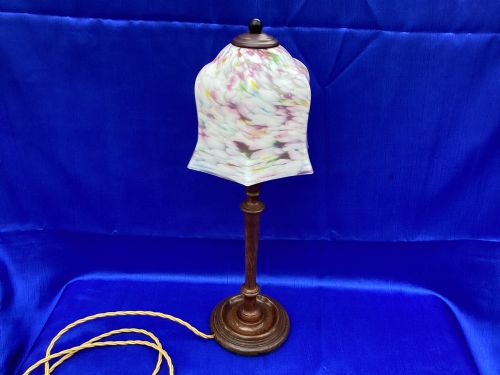
When you search for an edwardian glass shade, you are looking at functional lighting components designed to diffuse light softly while adding decorative interest to ceiling pendants, table lamps, and wall brackets. The selections on this page span the Edwardian era alongside Victorian and early twentieth-century pieces, reflecting the domestic lighting styles of the period.
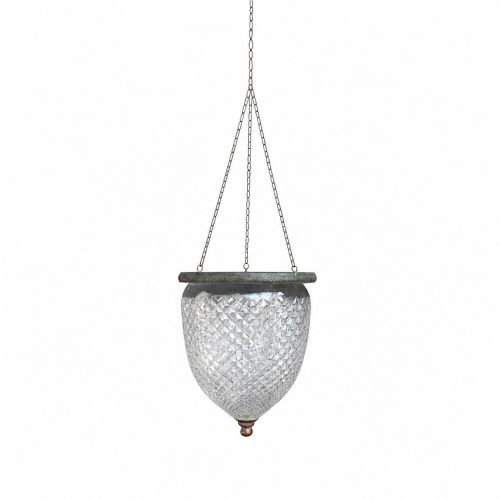
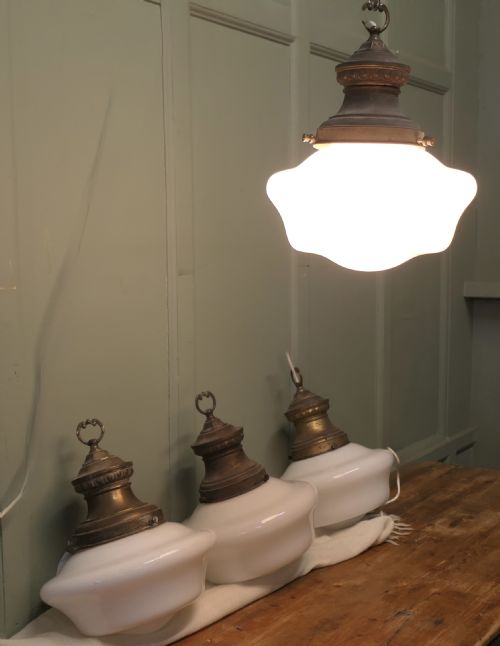
The most common versions you will meet include moonstone glass shades, cut glass crystals, opaline finishes, and crinkle edge vaseline glass. These pieces frequently pair with brass galleries, holders, and mounts, forming complete pendant lights or replacement shades for period lamps.
Materials and construction methods
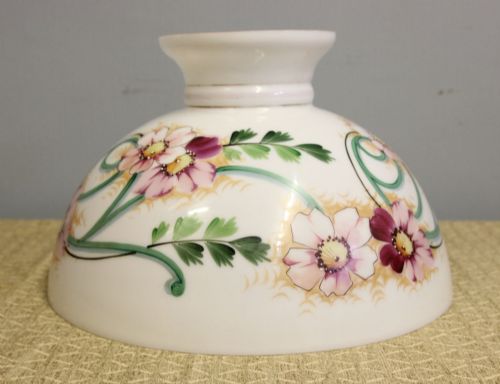
These items combine blown or pressed glass with brass and metal hardware. Makers utilised techniques such as acid etching, hand painting, and cutting to shape the glass, producing frosted, opaline, or crystal finishes that manipulate light effectively.
Metal components, particularly brass galleries and chains, secure the glass shades to suspension fixtures. The integration of leaded glass and moulded patterns demonstrates the diverse manufacturing practices of the early twentieth century.
Some vaseline glass shades still hold enough uranium to catch a distinct neon green glow under a stray blacklight.
Markers of distinction and craftsmanship
Quality in these items rests upon the depth of the glass cutting, the clarity of the material, and the weight of the supporting brass hardware. Finer examples display crisp moulding, unblemished surfaces, and original galleries that fit the glass snugly.
The distinction between standard production items and superior pieces often lies in the subtlety of the etchings, the richness of the opaline or vaseline colouring, and the preservation of the original fixtures without replacement parts.
Taylor Tunnicliff·F. & C. Osler·Hinks
The Edwardian Glass Shade Glossary
- Moonstone glass
- A type of semi-translucent white glass that diffuses light with a soft, milky appearance. It was widely used in pendant lights and shades during the early twentieth century.
- Vaseline glass
- Glass containing uranium dioxide, which imparts a distinctive yellow-green hue and glows under ultraviolet light. This material appeared frequently in decorative Edwardian lamp shades.
- Gallery
- The metal ring or collar that grips the top of a glass shade and connects it to the suspension chain or lamp body. Original brass galleries are often chased or pierced with decorative patterns.
- Plafonnier
- A ceiling light fixture where the glass shade sits flush or close against the ceiling mount. These fixtures often feature moulded or cut glass bowls.
Edwardian Glass Shade: Frequently Asked Questions
How do I clean an antique glass shade?
Wash the glass gently in lukewarm water with mild soap, avoiding harsh abrasives that might damage etched or painted surfaces. Dry thoroughly with a soft cloth before rehanging.
Take care with brass galleries and mounts, keeping moisture away from metal components that retain aged lacquers or patinas.
Are these shades compatible with modern fittings?
Many Edwardian shades fit standard modern fitter sizes, though older openings can vary slightly due to historic manufacturing tolerances. Check the fitter diameter carefully against your lamp holder.
Using appropriate shade rings ensures the glass mounts securely without risking damage to the rim during tightening.
What is vaseline glass?
Vaseline glass is a distinct pressed or blown material named for its yellowish-green colour, which resembles petroleum jelly. It reacts to ultraviolet light by glowing brightly.
This material was popular for domestic lighting and tableware during the late Victorian and Edwardian periods.
How do I identify an Edwardian shade?
Edwardian glass shades typically feature softer pastel tones, opaline finishes, or delicate etched patterns rather than the bolder geometric motifs of later art deco designs. They frequently incorporate brass galleries with period screw fittings.
Examining the weight and minor irregularities in the glass helps confirm period production methods.