


Art Nouveau Glass Shade
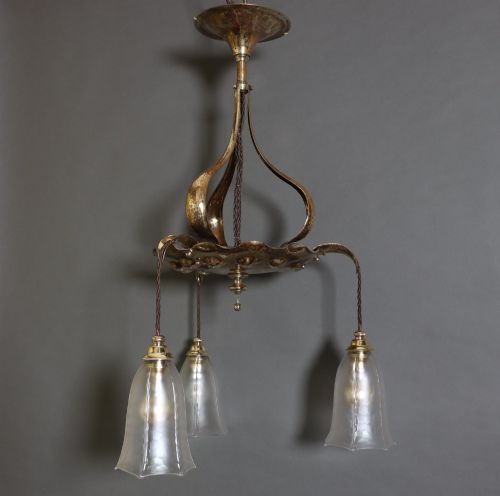
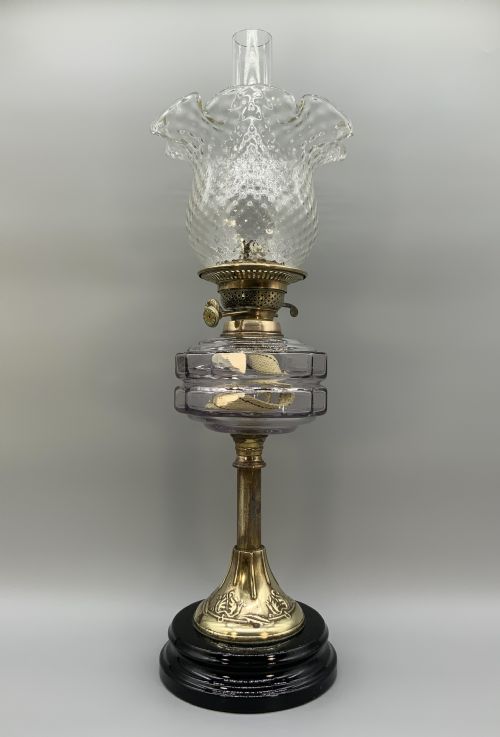
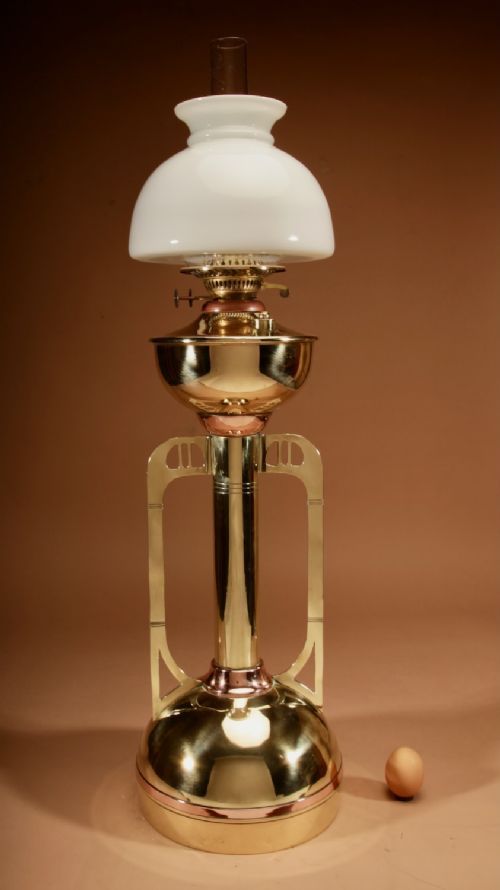
An art nouveau glass shade brings organic curves and coloured light to a room, fitting neatly onto period brass or bronze mountings.
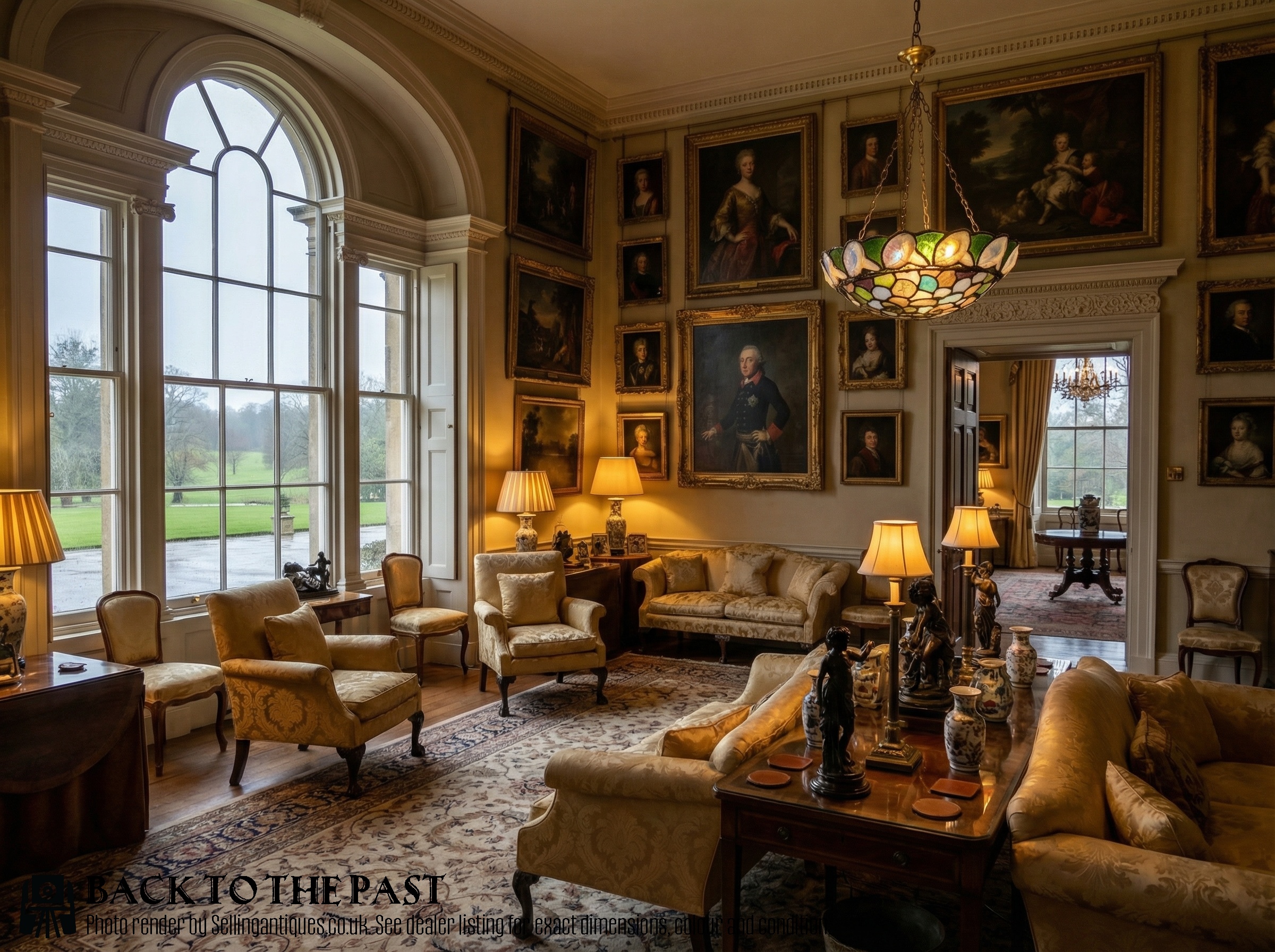
Art Nouveau Glass Shade
When you search for an art nouveau glass shade, you find fittings that transformed gas and oil illumination into electric or soft ambient light around nineteen hundred. These pieces range from simple frosted glass shades to complex iridescent bubbles paired with brass, copper or bronze frames.
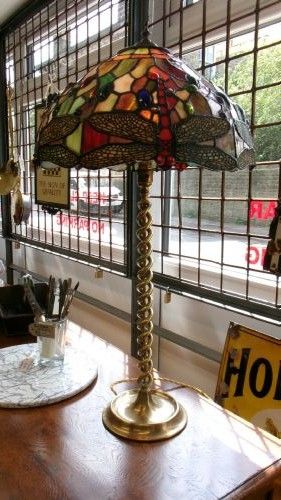
You will frequently meet table lamps, ceiling lights, and wall sconces spanning the late nineteenth century through to the nineteen thirties. The designs draw heavily upon natural forms like flowers, dragonflies and curling stems, executed in glass that diffuses the bulb's glare.
French and English workshops produced the majority of these items, often combining hand-blown glass with metalwork from the Arts and Crafts or Secessionist movements. Every surviving shade shows how domestic lighting shifted from pure utility to decorative art during the Edwardian era.
How they were made
Makers shaped the glass through hand-blowing and moulding, introducing metallic oxides while hot to achieve iridescent surfaces or layered cameo effects. Glasshouses like those in the Vosges and specialised makers created forms that caught light differently depending on whether the material was frosted, cranberry, or vaseline glass.
The supporting metal components rely heavily on cast and spun brass, beaten copper, and patinated bronze. Artisans assembled stained and leaded glass panels by hand, soldering joints to hold complex geometric or floral compositions together.
Materials across these listings include frosted glass, lead, bronze, and copper paired with styles from the Victorian era to the nineteen thirties.
What varies in quality
The distinction between standard commercial production and finer work lies in the depth of the glass colour and the crispness of the organic modelling. Better examples display careful control over iridescent chemical treatments and heavier, more substantial metal mountings.
Artisanal execution separates mass pieces from workshop pieces, visible in the hand-finishing of brass fittings and the delicate graduation of shades in cameo or etched glass.
Gustave Serrurier Bovy·The Charles Parker Company·Tiffany Studios NYC·Palme Konig·Verrerie Des Vosge
The Art Nouveau Glass Shade Glossary
- Vaseline glass
- A transparent yellowish-green glass containing uranium dioxide that glows under ultraviolet light. It was widely utilised for lampshades and bowls in the late nineteenth and early twentieth centuries.
- Iridescent glass
- Glass treated with metallic salts while hot to produce a rainbow sheen mimicking natural mother-of-pearl. This technique was a hallmark of advanced art glass production.
- Frosted glass
- Glass rendered opaque through acid-etching or sandblasting to diffuse light evenly. It softens the glare of early electric bulbs in ceiling fittings and table lamps.
- Spelter
- An alloy of zinc and other metals cast into decorative figures and lamp bases, often given a bronze or silvered finish. It provided a cheaper alternative to solid bronze during the Edwardian period.
- Cameo glass
- Glass formed of multiple fused layers of different colours, carved away to create a raised design. It represents some of the most labour-intensive work in glass manufacturing.
Art Nouveau Glass Shade: Frequently Asked Questions
How do I hang a heavy glass shade?
Most ceiling fittings require a solid brass gallery with three thumbscrews that grip the collar of the glass securely. Ensure the weight rests entirely on the metal chain or cord grip rather than the glass itself.
Check that your ceiling rose and wiring can support the combined weight of the metal fixture and the glass shade safely.
Can I use modern LED bulbs with these shades?
Modern LED bulbs work well because they generate very little heat, which protects fragile antique glass from thermal stress. Choose a warm white bulb to replicate the soft glow of early lighting.
Keep an eye on the physical dimensions of the bulb to ensure it fits comfortably inside closed or narrow shade designs.
Were these shades made for gas or electricity?
Many early pieces were engineered for oil or gas before being converted to electricity as domestic wiring spread. You will often see thumb turns or burner galleries adapted to hold modern lamp holders.
Inspect the fitter rim of the glass to determine its original mounting style and ensure compatibility with modern electrical hardware.