





Antique Tulip Shade
An antique tulip shade brings floral elegance to period lighting, offering a delicate shape that diffuses a warm, inviting glow.
Antique Tulip Shade
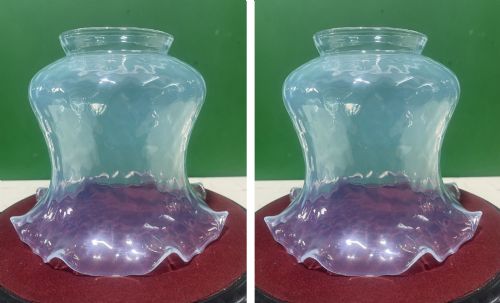
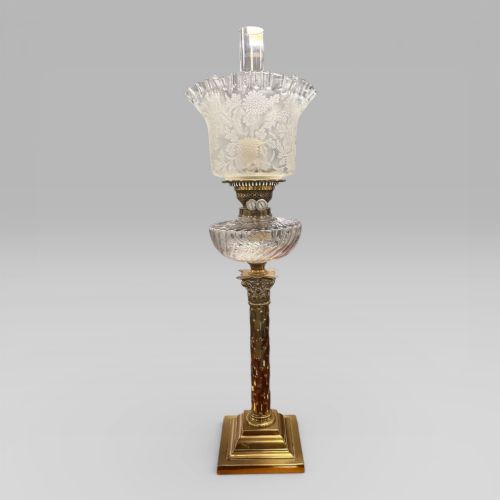
An antique tulip shade is a distinct form of glassware designed to sit atop oil lamps, desk lamps, or chandeliers. The records show these pieces appearing across the Victorian, Edwardian, and Art Nouveau periods, taking the likeness of an unfolding flower.
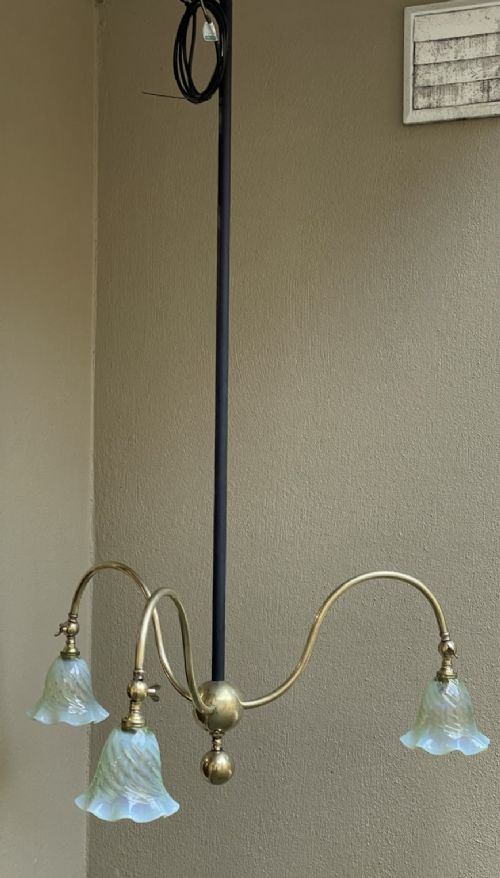
Most examples encountered on this page date from the late nineteenth century through to the 1930s. They turn up in forms such as individual globes for oil lamps, pairs of pendant shades, and components of larger brass chandeliers.
The profile mimics the petals of a tulip, sometimes with frilled rims or etched surfaces. They appear alongside fittings made of brass, gilt bronze, and porcelain.
How they were made
Glassmakers produced these pieces using blown or moulded glass techniques, often employing frosted, opaline, or coloured glass to achieve the desired translucency. Green and ruby hues feature prominently in the record, alongside plain frosted finishes.
Mounts and holding fixtures utilise brass, gilt bronze, and other metals shaped into columns, swan necks, or cherub arms. Etching and gold leaf applied to the glass surface provide finer detail on select examples.
Antique Tulip Shade Retail Price Guide 2026
Typical asking prices for tulip shade among the pieces listed under this phrase on Sellingantiques today, from the lower quarter to the upper quarter. They describe what is for sale here now, not the wider market.
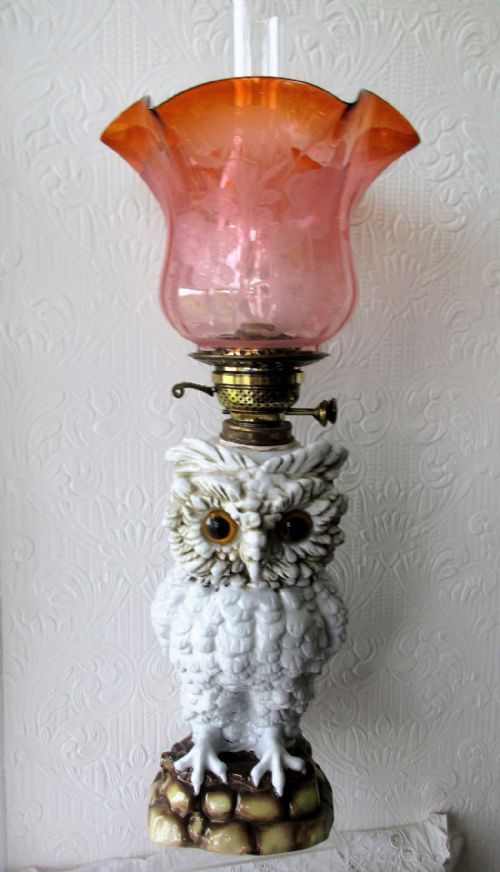
An owl-shaped porcelain oil lamp sits among the glassware, watching over the brass columns.
What varies in quality
Quality rests in the crispness of the glass moulding and the depth of any hand-etched decoration. Heavier glass stock and refined floral shaping distinguish better examples from simpler utilitarian covers.
The integrity of the accompanying metalwork, whether cast brass or gilt bronze, influences the overall standard of the piece. Matching sets of shades or those retaining original period fittings command greater interest from collectors.
Sitzendorf
The Antique Tulip Shade Glossary
- Opaline Glass
- A semi-opaque glass with a milky appearance, frequently utilised for soft light diffusion in period shades.
- Etched Glass
- Glass decorated by acid or abrasive application to create permanent surface patterns, commonly floral motifs in this category.
- Duplex Burner
- A double-wick mechanism found on nineteenth-century oil lamps that often paired with large tulip globes.
- Swan Neck
- A curved metal arm holding a lamp fitting, appearing on early twentieth-century desk and table lamps.
- Corinthian Column
- A classical architectural column style adapted for the stems of heavy table and oil lamps.
Antique Tulip Shade: Frequently Asked Questions
What fits an antique tulip shade?
These shades suit period oil lamps, compatible desk lamps, and multi-arm chandeliers designed with standard fitter rims. Proper sizing ensures the glass seats securely in the brass gallery.
Measuring the fitter rim diameter helps confirm whether a replacement shade matches an existing antique base or gas-light fitting.
How do I clean an antique glass shade?
Warm water and mild soap remove dust and soot accumulation safely from glass surfaces without harming historic finishes. Avoid harsh scrubbing on frosted or gilt areas.
Gentle handling is necessary around frilled rims and delicate etched patterns during maintenance.
Are these shades blown or moulded?
Makers employed both techniques depending on the desired design and production period. Moulded pieces allowed for consistent floral shaping.
Blown glass versions often display individual character through slight variations in thickness and bubble distribution within the material.
How to date an antique shade?
Dating relies on glass colour, manufacturing method, and the style of accompanying brass or bronze mounts. Victorian examples often feature rich green or ruby hues with deep etching.
Twentieth-century pieces tend to show simpler frosted or opaline finishes paired with Arts and Crafts or Edwardian metalwork.