

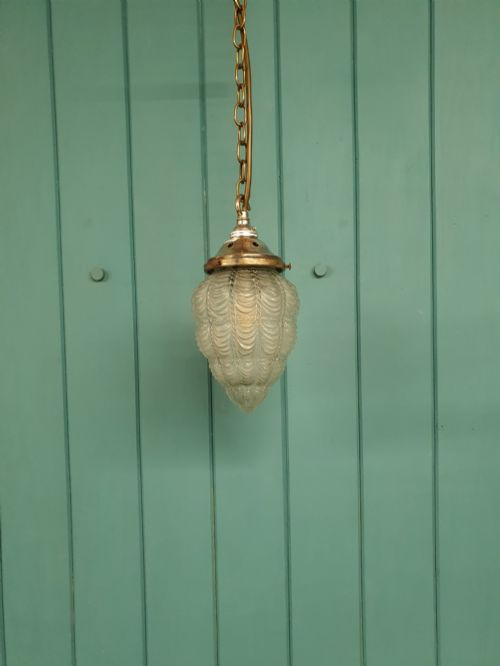


Victorian Glass Lampshade
These victorian glass lampshade examples bring rich colour and patterned light to a room, offering genuine period charm.
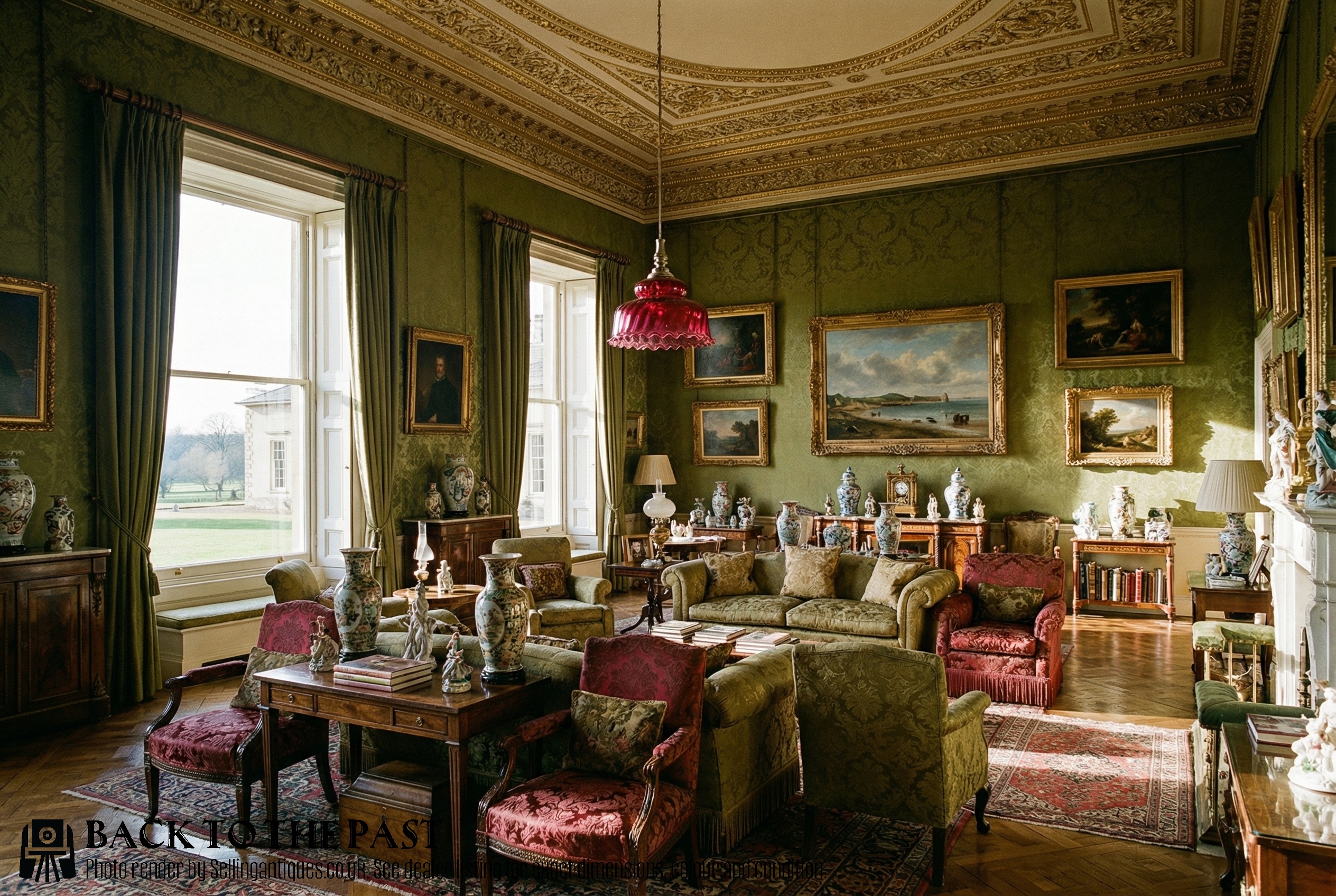
Victorian Glass Lampshade
A victorian glass lampshade is a functional light cover designed to diffuse illumination while adding a decorative focal point to a ceiling pendant, table lamp, or oil lamp. These pieces span from the late nineteenth century into subsequent Edwardian and later periods, reflecting the shifting tastes in domestic lighting.
You will encounter various forms across this selection, ranging from large ceiling pendant shades to smaller table and desk lamps. Materials vary from deep cranberry and ruby glass to amber and etched designs, often paired with brass or metal mounts.
The aesthetic stretches from traditional nineteenth century shapes to French chateau styles and later decorative iterations. Each piece demonstrates how historical interiors managed artificial light through coloured and textured glass.
How they were made
Makers utilised coloured glass techniques, producing rich tones of cranberry, ruby, and amber directly within the molten material. Etched glass treatments created surface patterns that softened the glare from oil or early electric light.
Metal components such as brass provided structural support for hanging pendants and adjustable desk lamps. Pressed glass methods allowed for patterned relief work across the shades, while beaded elements added texture to specific Edwardian chandelier designs.
Victorian Glass Lampshade Retail Price Guide 2026
Typical asking prices for victorian glass lampshade among the pieces listed under this phrase on Sellingantiques today, from the lower quarter to the upper quarter. They describe what is for sale here now, not the wider market.
The listings feature glass in cranberry, ruby, amber, and etched finishes, paired with brass and metal components.
What varies in quality
The depth of colour and saturation within the glass sets finer examples apart, particularly in rich cranberry and ruby pieces where hue consistency matters. Etched detailing demonstrates the hand of a skilled artisan through crisp lines and balanced composition.
The integration of metal hardware, such as brass galleries and adjustable mechanisms, indicates the original grade of manufacture. Better examples maintain harmonious proportions between the glass shade and its accompanying metal fittings.
The Victorian Glass Lampshade Glossary
- Cranberry Glass
- A rich red transparent glass coloured with gold chloride during production. It remains a defining material for nineteenth century lighting.
- Etched Glass
- Glass decorated by applying acid to create frosted patterns against a clear background. This technique diffuses light effectively in domestic settings.
- Pendant Light
- A hanging light fixture suspended from the ceiling by a cord, chain, or metal rod. These often feature decorative glass shades.
- Ruby Glass
- A deep red glass variety utilised for dramatic illumination in Victorian interiors. It absorbs harsher light wavelengths to create a warm glow.
Victorian Glass Lampshade: Frequently Asked Questions
What rooms suit a victorian glass lampshade?
These coloured glass pieces work well in spaces where warm, diffused lighting creates a cosy atmosphere. They suit hallways, dining areas, and studies.
Matching the shade to an appropriate ceiling pendant or desk lamp mount ensures the piece functions as intended while retaining its period character.
How do I mount an antique lampshade?
Most shades require standard brass or metal galleries that secure the top rim of the glass. Ensuring the fitter size matches your lamp or pendant wiring is essential.
Professional installation is recommended for older hanging fixtures to meet modern electrical safety standards.
How do I clean coloured glass shades?
Warm soapy water and a soft cloth safely remove dust and grime from most glass surfaces. Avoid harsh chemical cleaners that might damage etched details or aged brass.
Removing the shade from its fitting before cleaning prevents accidental slips and damage to the material.