

French Glass Light Shade
A french glass light shade brings a soft, diffused glow to a room, pairing patterned or frosted textures with period brass and ironwork.
French Glass Light Shade
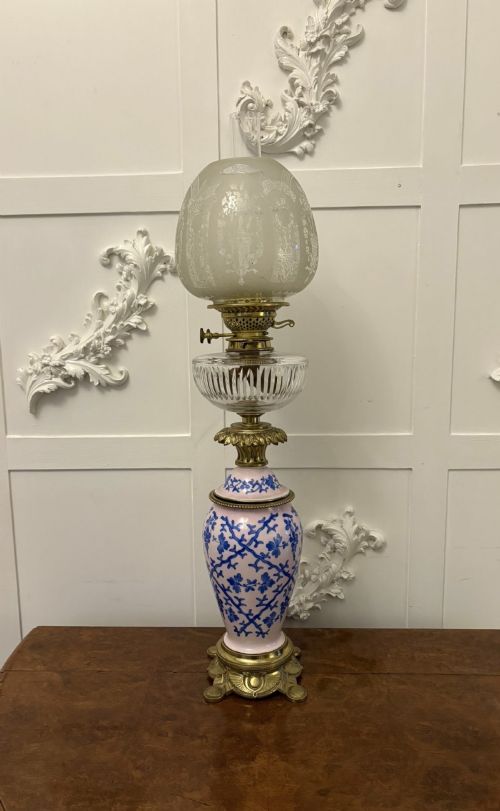
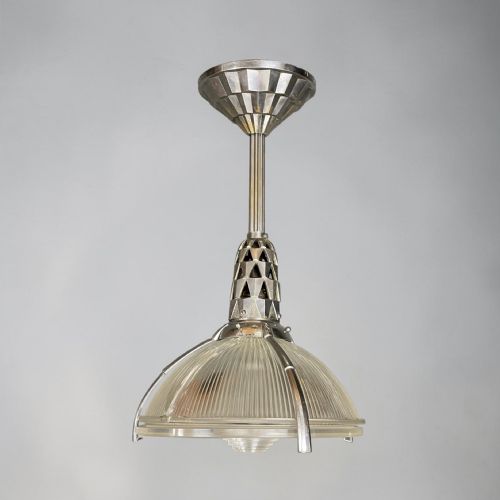
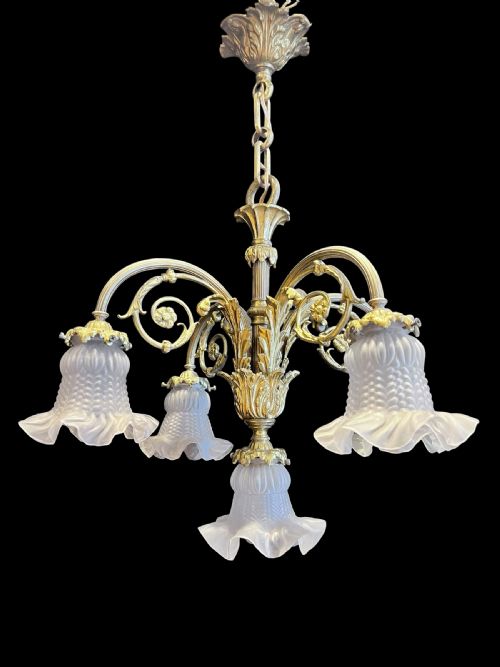
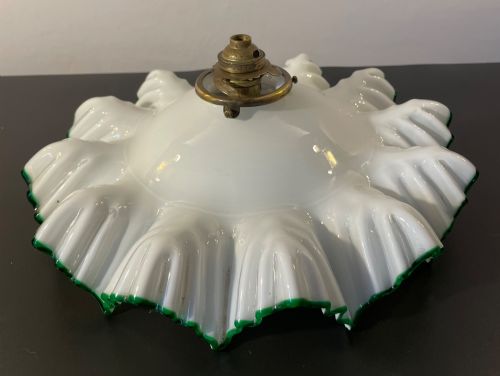
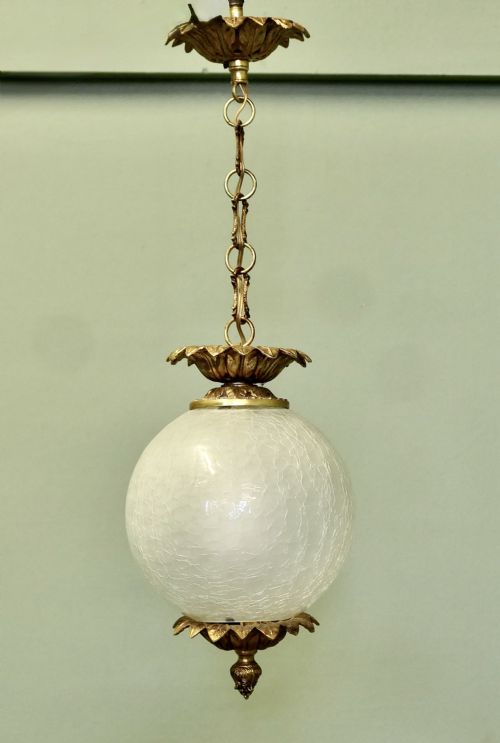
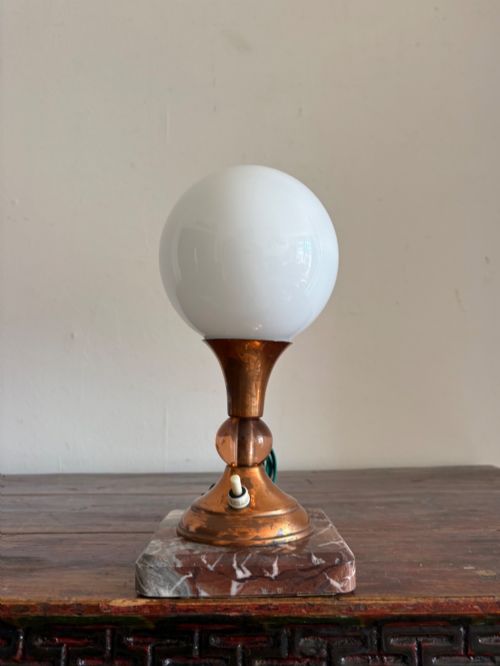
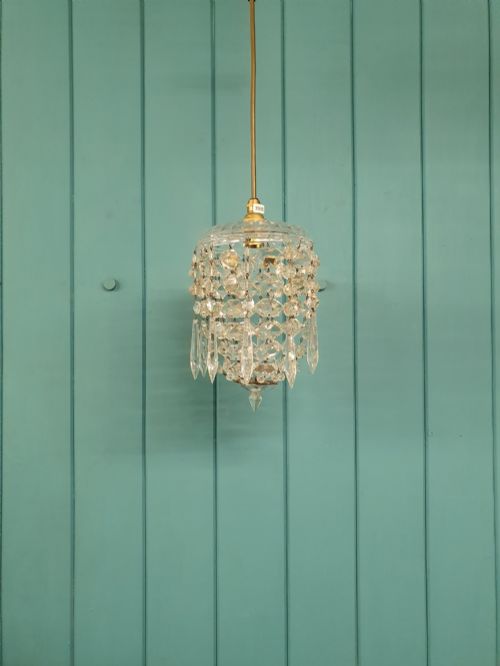
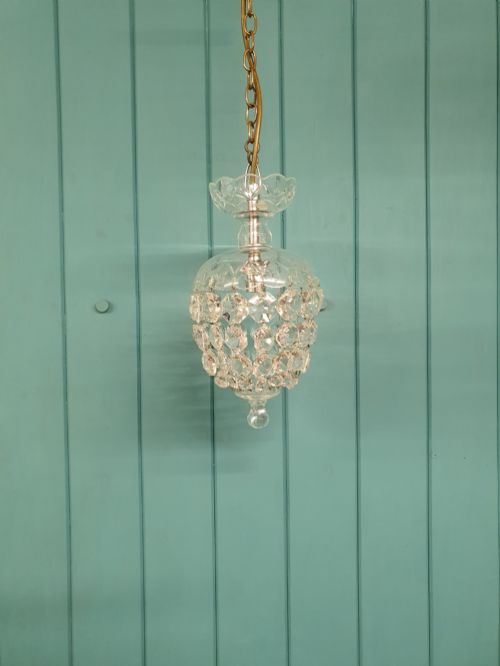
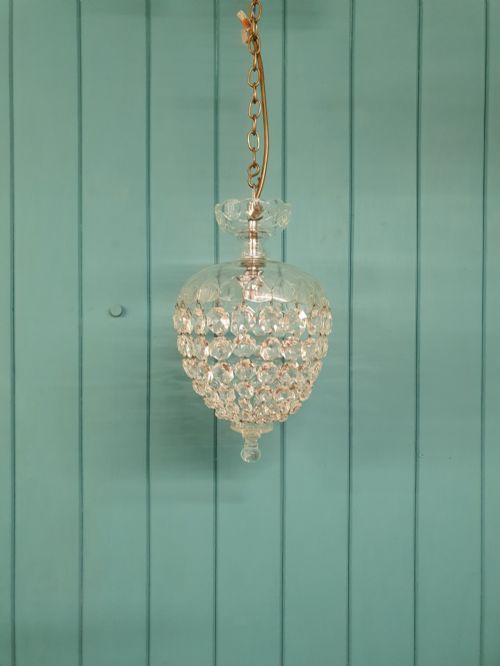
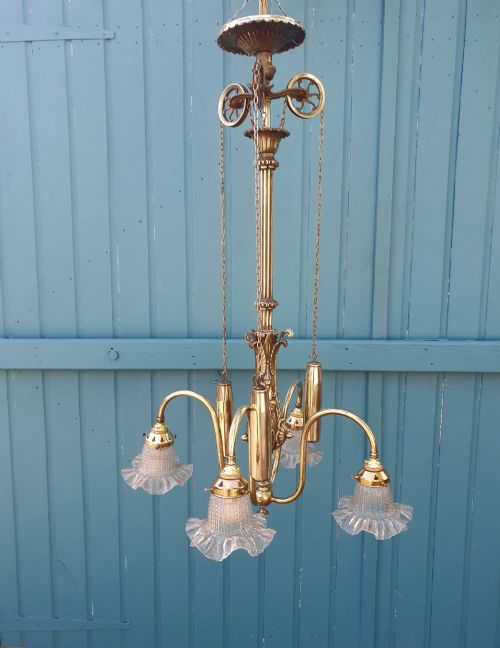
A french glass light shade is typically found paired with ceiling pendants, wall sconces, and table lamps originating from the late nineteenth century through the nineteen-thirties. Buyers searching this phrase encounter fixtures defined by distinct historical movements, ranging from ornate Victorian and Edwardian fittings to geometric Art Deco designs.
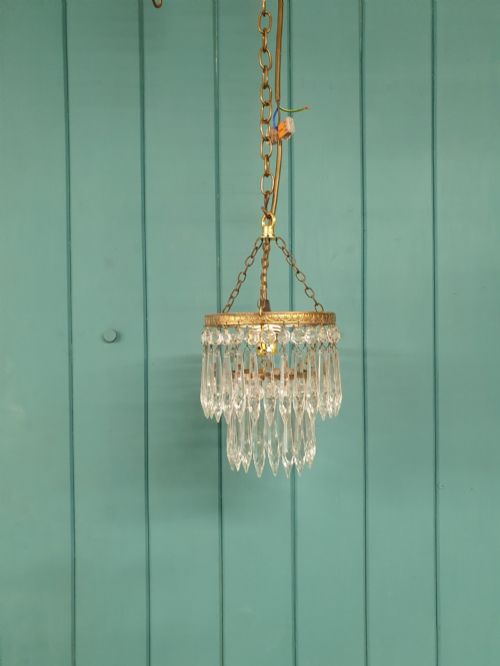
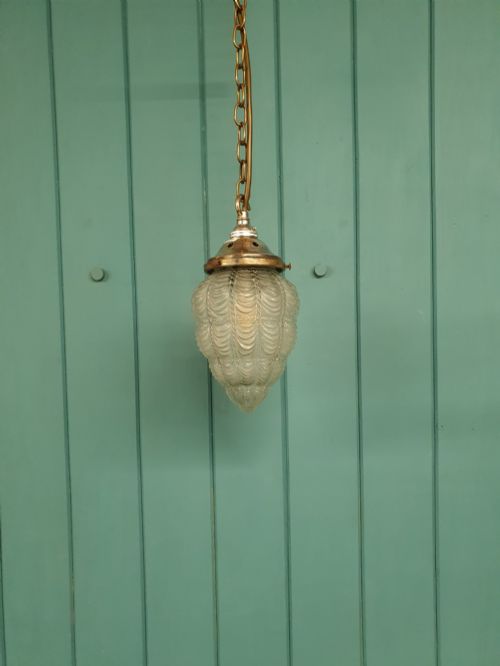
The selection on this page centres on items utilising moulded, frosted, opaline, or cut glass, mounted on brass, copper, marble, or wrought iron bases. Common forms include hanging globes, conical pendants, and plafonniers, often designed to soften harsh interior illumination.
Makers and period studios frequently signed their work directly onto the glass surface, providing a clear indication of origin for collectors. These shades function as both practical illumination and decorative focal points within period interiors.
How they were made
Makers shaped these shades using techniques such as mould-blowing, pressing, and acid-frosting to achieve tactile surfaces and opaque finishes. Glasshouses worked molten material into metal moulds to create geometric patterns or organic floral motifs.
Metal components like brass, copper, and wrought iron were cast, spun, or hand-forged to hold the glass securely. These mounting elements frequently display patination accumulated over decades of use.
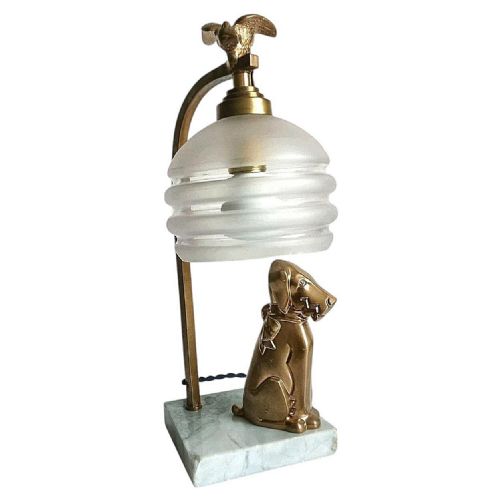
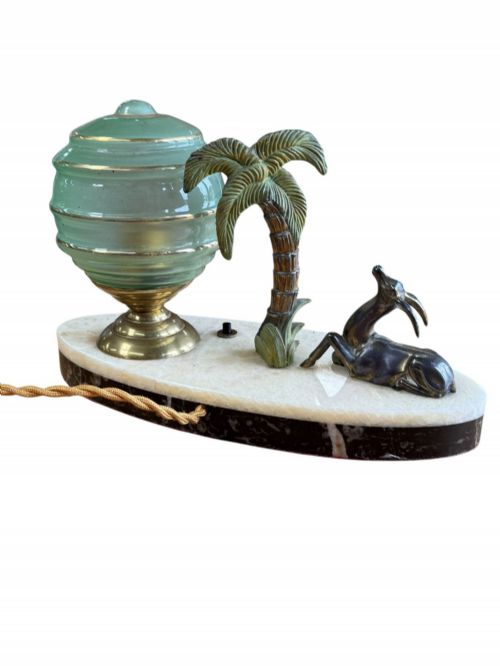
Several playful table lamps feature novelty dogs and parrots alongside hand-moulded glass shades.
What varies in quality
Quality rests upon the depth of the glass moulding, the crispness of any acid-etched signature, and the weight of the supporting metalwork. Heavier brass mounts and thick, uniform glass walls indicate superior manufacture compared to thinner, mass-produced alternatives.
The integrity of the decorative details, such as hand-finished mounting brackets and intact period screws, dictates the overall standard of the piece. Well-preserved signatures from known glasshouses elevate the desirability of the shade.
Émile-Jacques Ruhlmann·Daum·Muller Bros·Degue
The French Glass Light Shade Glossary
- Plafonnier
- A ceiling-mounted bowl light that sits flush against or closely suspended below the ceiling. This form directs illumination downward through frosted or moulded glass.
- Opaline glass
- A milky, semi-translucent glass that diffuses light evenly without harsh glare. It appears frequently in twentieth-century pendant and table lamp production.
- Art Deco
- A design style spanning the nineteen-twenties and nineteen-thirties characterised by geometric symmetry and stylised motifs. Pieces from this era often utilise frosted and coloured glass.
- Cut glass
- Glass decorated by hand-grinding facets into the surface to reflect light. This technique adds brilliance and weight to chandeliers and wall sconces.
French Glass Light Shade: Frequently Asked Questions
How do I clean an antique shade?
Wash the glass gently in warm soapy water using a soft cloth, avoiding abrasive pads that might damage frosted or etched surfaces. Dry thoroughly before reattaching it to the metal mount.
Keep metal components dry and dust them with a soft brush to preserve the existing patination without stripping the historical finish.
How do I identify an Art Deco shade?
Look for symmetrical geometric patterns, stylised floral reliefs, and frosted surfaces paired with nickel, chrome, or wrought iron fixtures. These pieces typically date from the nineteen-twenties or nineteen-thirties.
Signatures etched directly into the glass surface often attribute the work to prominent glasshouses of the period.
What is opaline glass?
Opaline glass is a pale, opaque material formulated to diffuse light into a soft, even glow rather than a direct beam. It gained popularity in nineteenth and early twentieth-century lighting.
This glass type ranges from pure white to pastel hues, depending on the mineral oxides added during the melting process.