
Edwardian Glass Bottle
When you handle an edwardian glass bottle, you hold the refined vanity and dining vessels of the early twentieth century.
Edwardian Glass Bottle
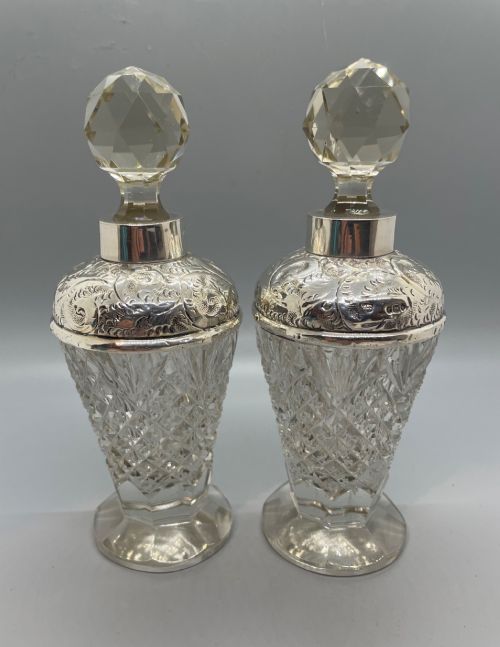
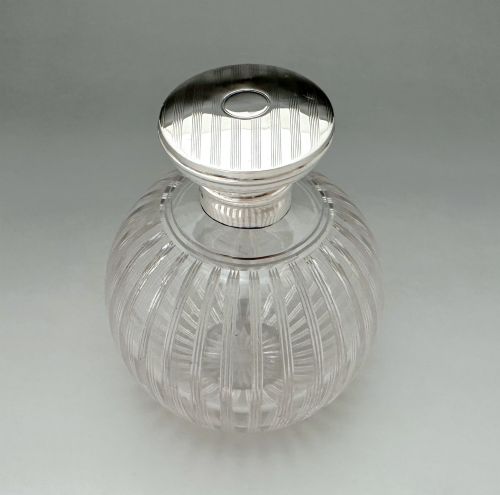
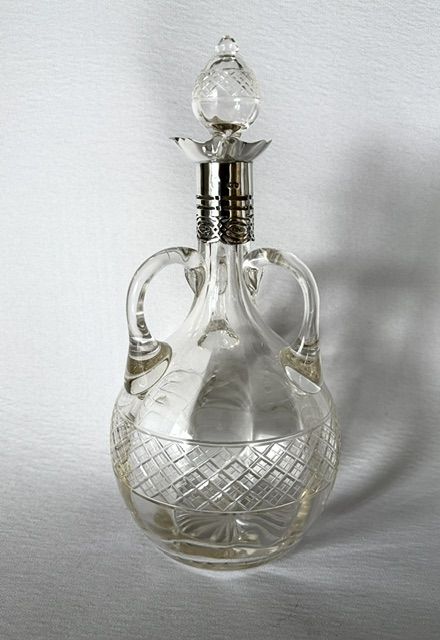
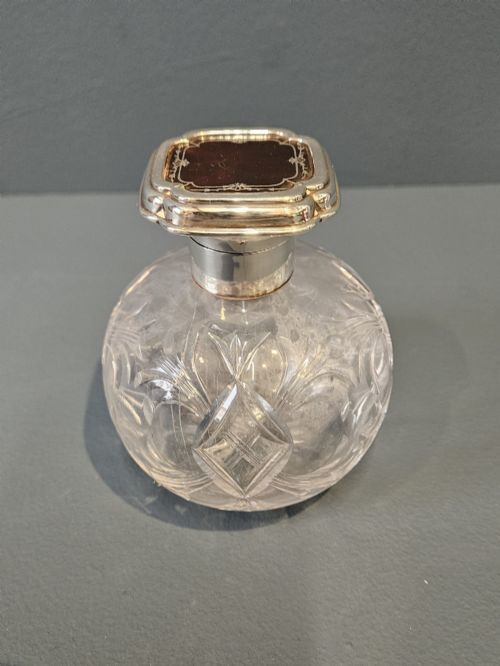
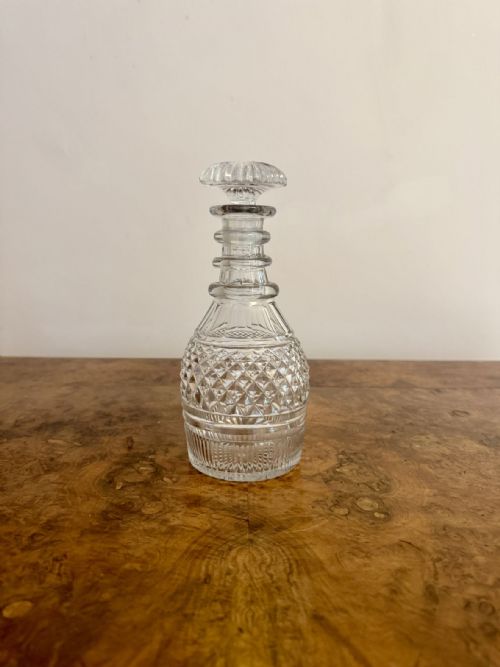
The edwardian glass bottle encompasses practical domestic vessels and decorative dressing table items produced primarily around the turn of the twentieth century. Collectors frequently encounter heavy cut glass decanters, coloured scent bottles, and pharmaceutical jars from this era.
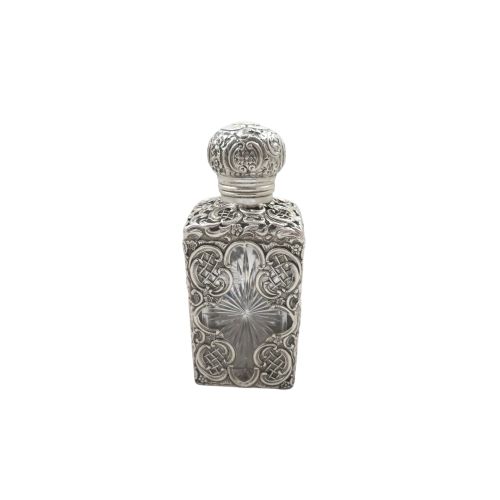
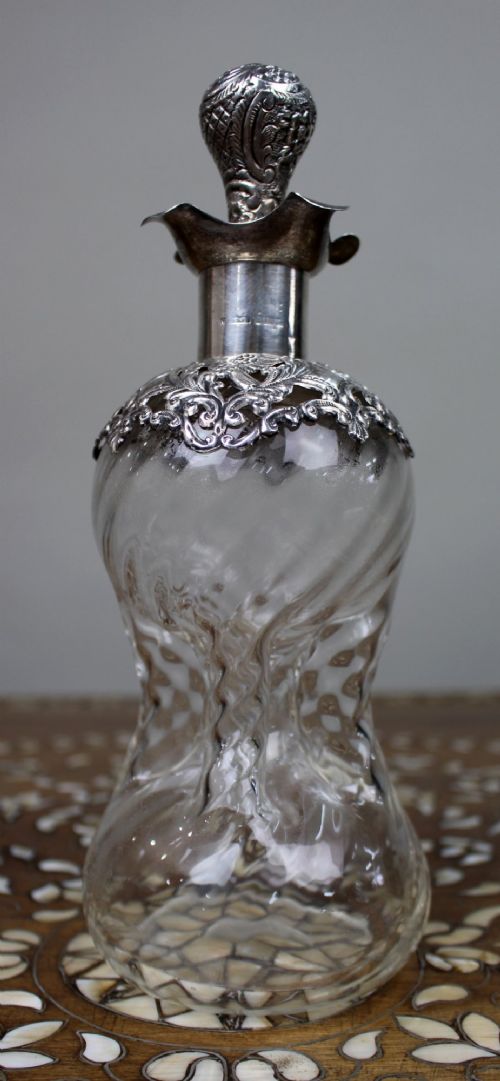
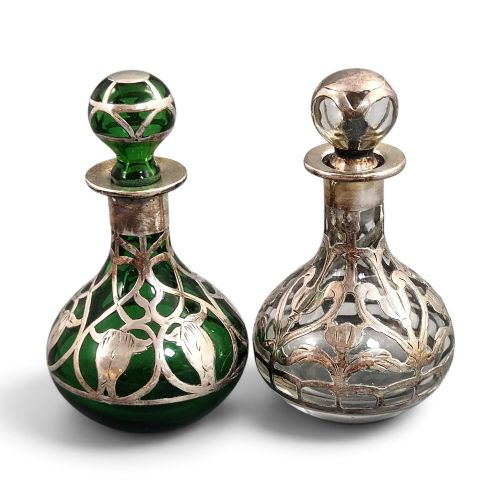
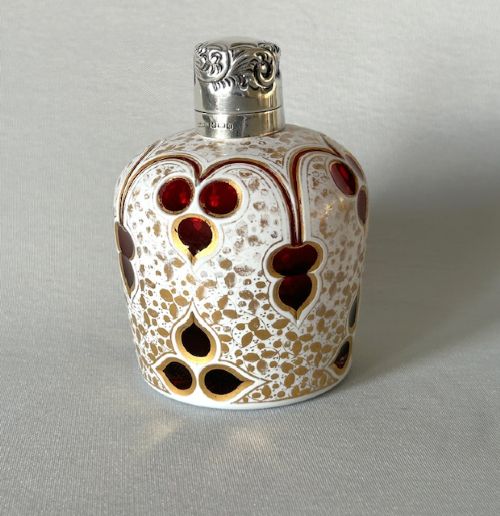
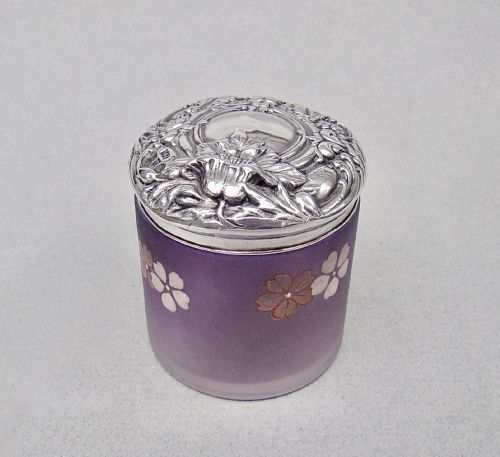
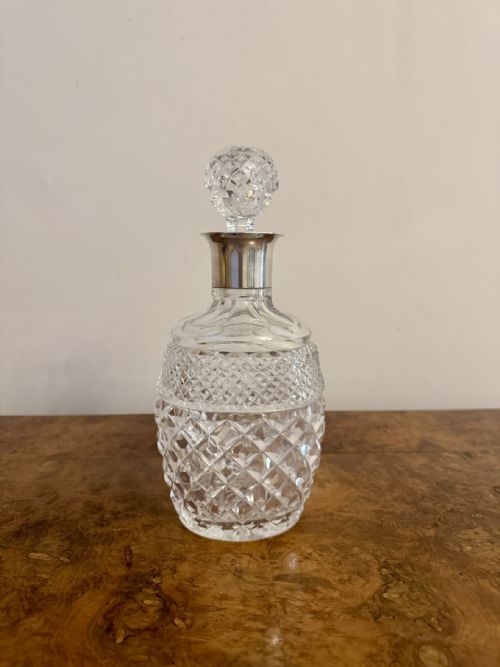
Many examples combine transparent or vibrant glass bodies with hallmarked sterling silver collars, hinged lids, or pierced overlays. These pieces reflect the formal entertaining habits and elaborate grooming rituals characteristic of the period.
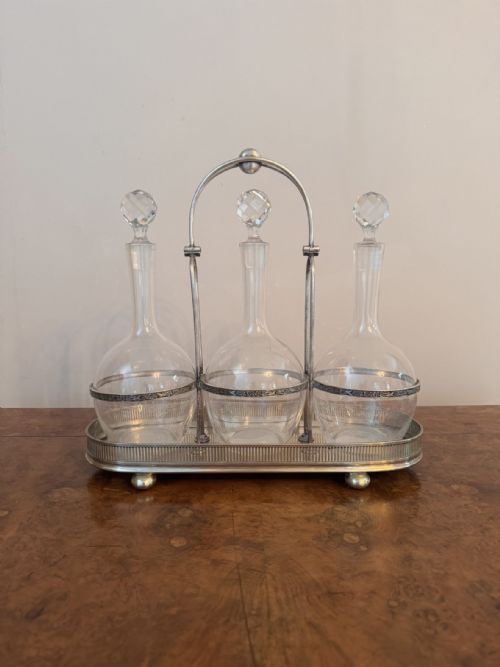
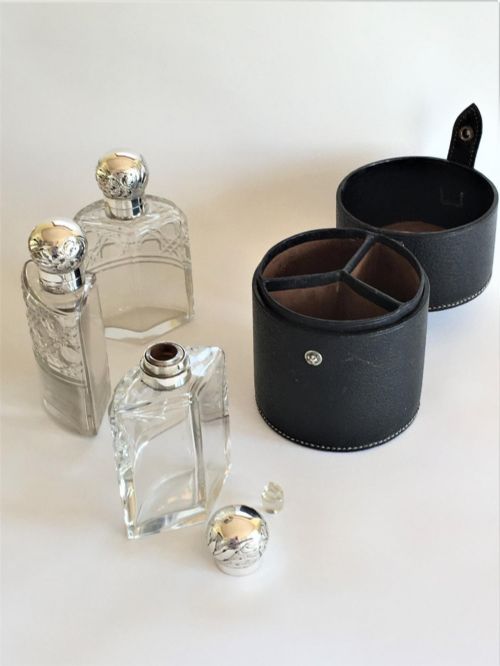
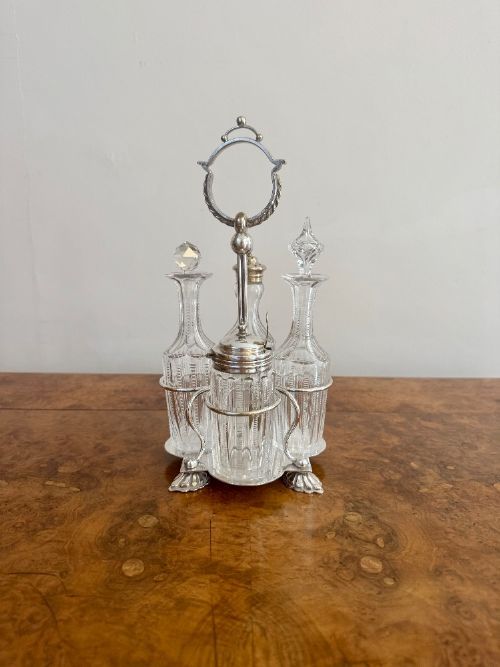
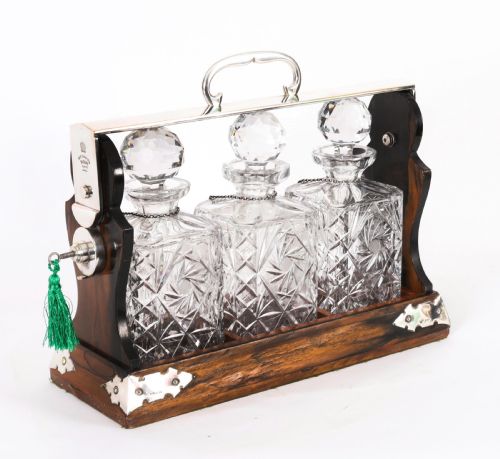
The selection ranges from single travelling cologne flasks to matched sets housed in wooden tantalus frames or leather cases. Each form demonstrates the period's emphasis on utility combined with decorative display.
How They Were Made
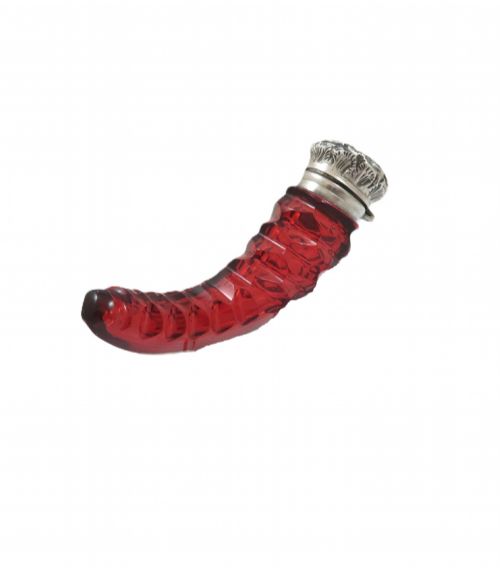
Manufacturers produced these vessels using heavy lead crystal or blown glass, often employing moulds to shape intricate fluting, panels, or hobnail patterns before hand-polishing. Coloured pieces incorporated mineral oxides into the molten batch to achieve rich tones like cranberry, ruby, or emerald.
Silversmiths then fitted the glass bodies with custom-cast or spun sterling silver collars, mounts, and hinged lids secured by internal cork seals. Overlay techniques involved encasing the glass in pierced silver sheets or cutting back coloured surface layers to reveal contrasting glass underneath.
Listings feature cut glass, sterling silver, and coloured variants including cranberry and ruby glass.
What Varies in Quality
The thickness and clarity of the glass vessel dictate the baseline standard, with deep, sharp wheel-cutting indicating superior craftsmanship over shallow pressed moulding. Weight serves as a reliable indicator, as finer lead crystal pieces feel substantially heavier.
The integration and weight of the silver mounts distinguish standard production from exceptional pieces. Hallmarks confirming specific makers and assay offices add documentary value to the metalwork.
Gorham·Betjemann·Harold Bushell and Co·Walker and Hall·W.G. Sothers and Co·The Boots Company·Britton Gould and Co·Charles May·George Edwin Walton·Griffith and Co·Henry Matthews·Arthur Fenwick·J. Grinsell and Sons·Sanders and Aguilar·Synyer and Beddoes·J. Gloster·J and R Griffin·Hart and Sons·Arthur Willmore Pennington
The Edwardian Glass Bottle Glossary
- Lead crystal
- Glass containing a high proportion of lead oxide, which increases brilliance, weight, and suitability for deep cutting.
- Sterling silver overlay
- A fine layer of silver bonded or pierced around a glass body in decorative floral or geometric motifs.
- Tantalus
- A locked wooden frame holding decanters securely to prevent unauthorised access to the spirits inside.
- Cranberry glass
- Transparent red glass created by adding gold chloride to the molten batch during production.
- Hobnail cut
- A raised, faceted pattern cut into the surface of glassware resembling the head of a traditional roofing nail.
Edwardian Glass Bottle: Frequently Asked Questions
How do I clean inside an old glass bottle?
Fill the vessel with warm water and mild detergent, avoiding harsh abrasives that might scratch the interior or damage remaining silver collars.
For stubborn residue, use non-scratch cleaning beads rather than wire brushes which can crack fragile vintage glass.
Were these bottles meant for travel?
Certain specialised forms, such as cased cologne trios and travelling scent bottles, featured secure screw caps or locking collars specifically designed for luggage.
Larger decanters and dressing table jars remained stationary in dining rooms or on vanity surfaces.
How can I date the silver mounts?
British silver mounts carry clear hallmarks indicating the assay office, standard mark, and a specific date letter corresponding to the year of manufacture.
Matching these stamps against official assay records provides the exact year the metalwork was tested and finished.
What is a tantalus used for?
A tantalus secures spirit decanters within a locked wooden or metal framework while keeping the contents visible to guests.
The locking mechanism earned its name because the stoppers cannot be removed while the frame remains secured.