



Edwardian Gentleman Portrait
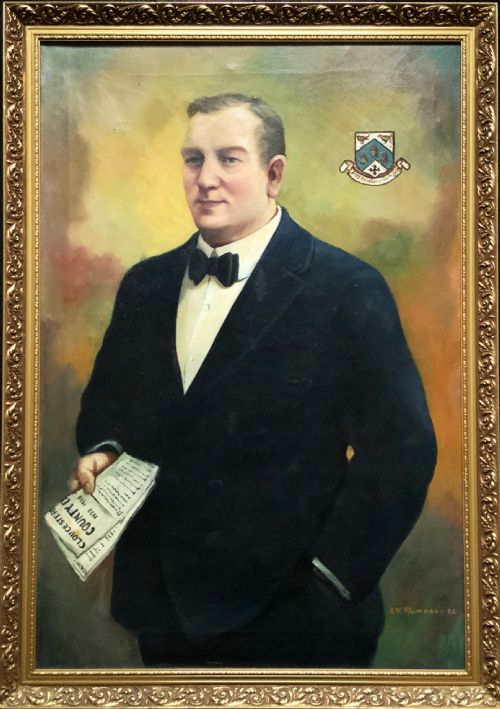
An edwardian gentleman portrait captures the distinct character and sartorial weight of an earlier era through traditional painted and sculpted likenesses.
Edwardian Gentleman Portrait
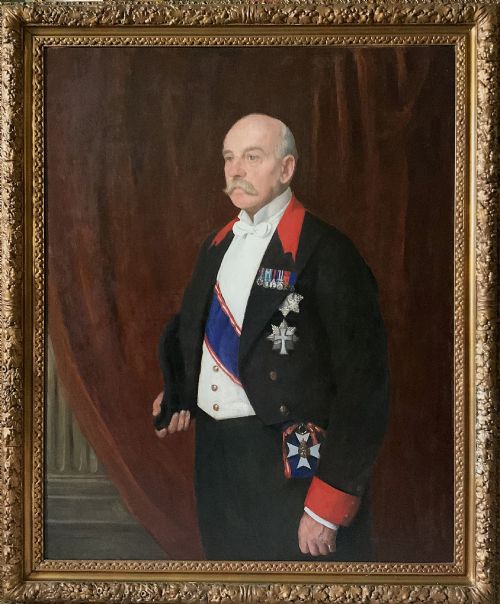
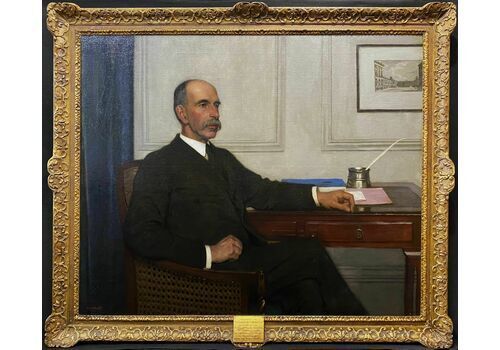
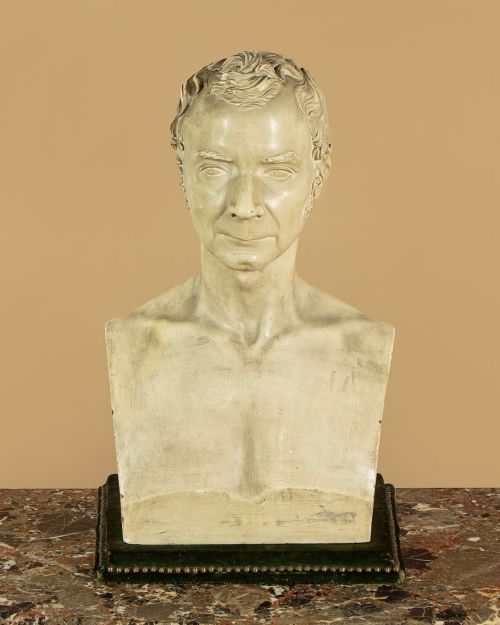
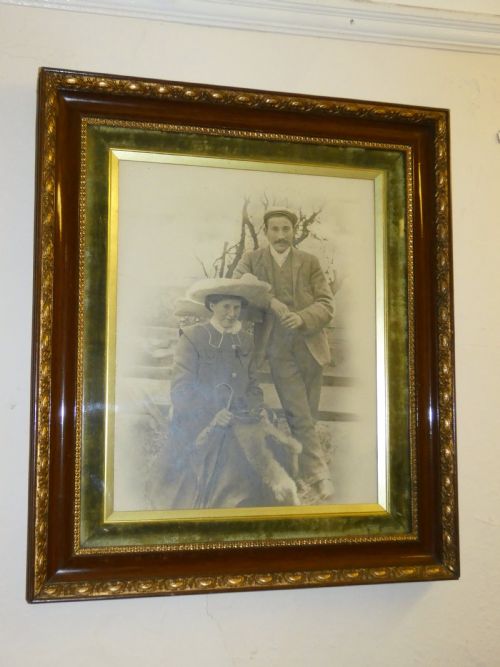
An edwardian gentleman portrait encompasses oil paintings on canvas, framed prints, photographs, and sculptural busts that record male subjects from the nineteenth and early twentieth centuries. The selection leans heavily toward oil paintings from the Edwardian period and the broader early twentieth century, alongside Victorian precursors and sculptural representations in plaster, bronze, and marble.
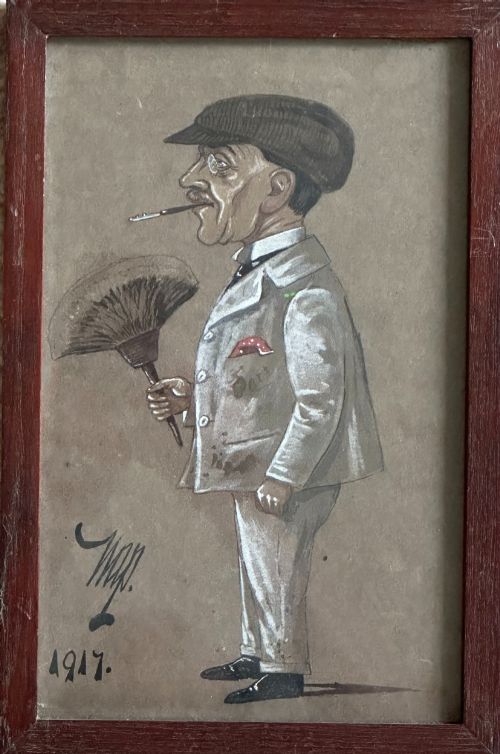
Subjects range from named figures such as military officers, industrialists, and explorers to caricatures and anonymous sitters. Framed art formats predominate, supported by sculptural portrait busts that offer a three-dimensional record of the same demographic.
Materials and Technique
Canvases carry layers of oil paint applied by portraitists working within academic realism and traditional schools, frequently housed in gilt wood frames. Sculptural pieces utilise materials such as cast bronze, carved marble, and moulded plaster to shape individual likenesses.
Paper supports accommodate prints and photographs, capturing subjects through mechanical and lithographic processes alongside hand-drawn caricatures.
Materials recorded across the inventory include oil on canvas, gilt wood, plaster, paper, and glass.
Quality and Execution
The standard of an edwardian gentleman portrait rests upon the skill of the artist in rendering bone structure, expression, and fabric texture with conviction. Works executed by named academic painters demonstrate superior brushwork and anatomical precision compared to anonymous trade output.
Materials contribute to the hierarchy of pieces, with cast bronze or carved marble busts and large oil paintings on canvas representing more substantial craftsmanship than paper prints or basic plaster casts.
Harold Knight·Lance Calkin·Giuseppe Moretti·John McGhie·John F.H. Dutton·William Woodhouse·Charlotte Blakeney Ward·John A.A. Berrie·Sir James Guthrie·Frank Thomas Copnall·John Seymour Lucas·Ernest Borough Johnson·John Dalziel Kenworthy·Neville Stephen Lytton·Sir Hubert Von Herkomer·Frank Samuel Eastman
The Edwardian Gentleman Portrait Glossary
- Oil on Canvas
- Pigment mixed with drying oil applied to a stretched cloth surface. This medium forms the primary surface for traditional portraiture.
- Portrait Bust
- A sculpted or cast representation of a person from the chest up. These pieces utilise bronze, marble, or plaster.
- Academic Realism
- A style of painting and sculpture produced under the influence of European academies of art. It prioritises precise anatomical accuracy and traditional techniques.
- Gilt Wood
- Wood treated with gold leaf or gold paint. This finish frequently decorates the frames enclosing oil paintings.
Edwardian Gentleman Portrait: Frequently Asked Questions
What periods do these portraits cover?
The works span from the mid-nineteenth century Victorian era through the Edwardian period and into the early twentieth century, with dates reaching up to the nineteen-thirties.
Most items concentrate around nineteen-ten, reflecting the height of the Edwardian era and traditional academic portraiture.
How were these portraits used?
Painted portraits and large canvases typically hung in institutional boardrooms, civic halls, and private family homes to record prominent figures, merchants, and military leaders.
Smaller prints, photographs, and caricatures served as domestic wall decoration or illustrated contemporary publications.
Are the subjects usually identified?
Many of the oil paintings and busts record specific historical individuals, including military generals, explorers, industrialists, and political figures whose names appear in the titles.
Other works depict anonymous sitters or form part of caricature series and print collections without naming individuals.
What materials are common?
Oil paint on stretched canvas supported by wooden frames forms the most frequent medium across the collection.
Sculptural examples utilise cast bronze, carved marble, and moulded plaster, while works on paper include prints and photographs.