


Edwardian Fretwork Table
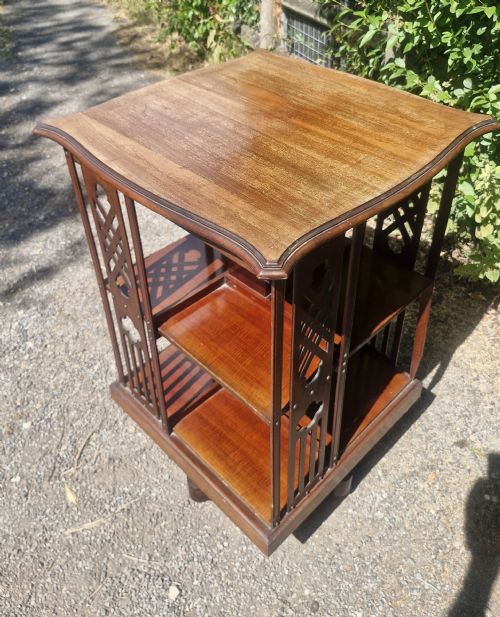
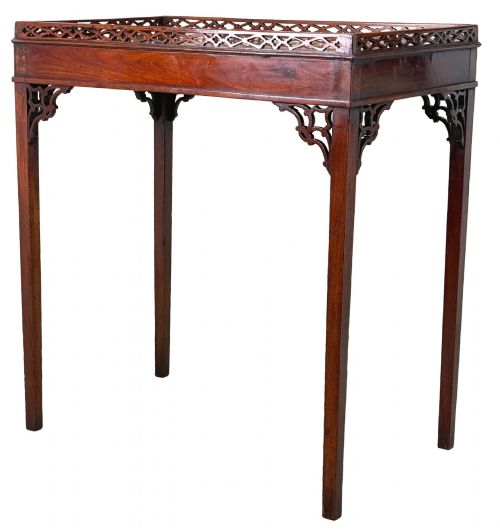
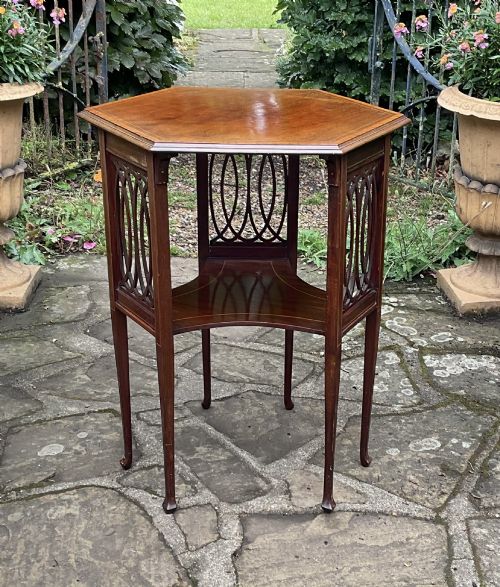
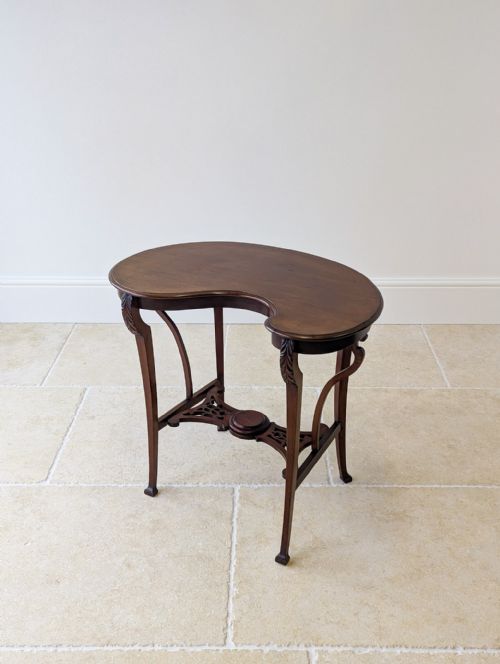
An edwardian fretwork table brings delicate pierced woodwork and lighter proportions into a sitting room.
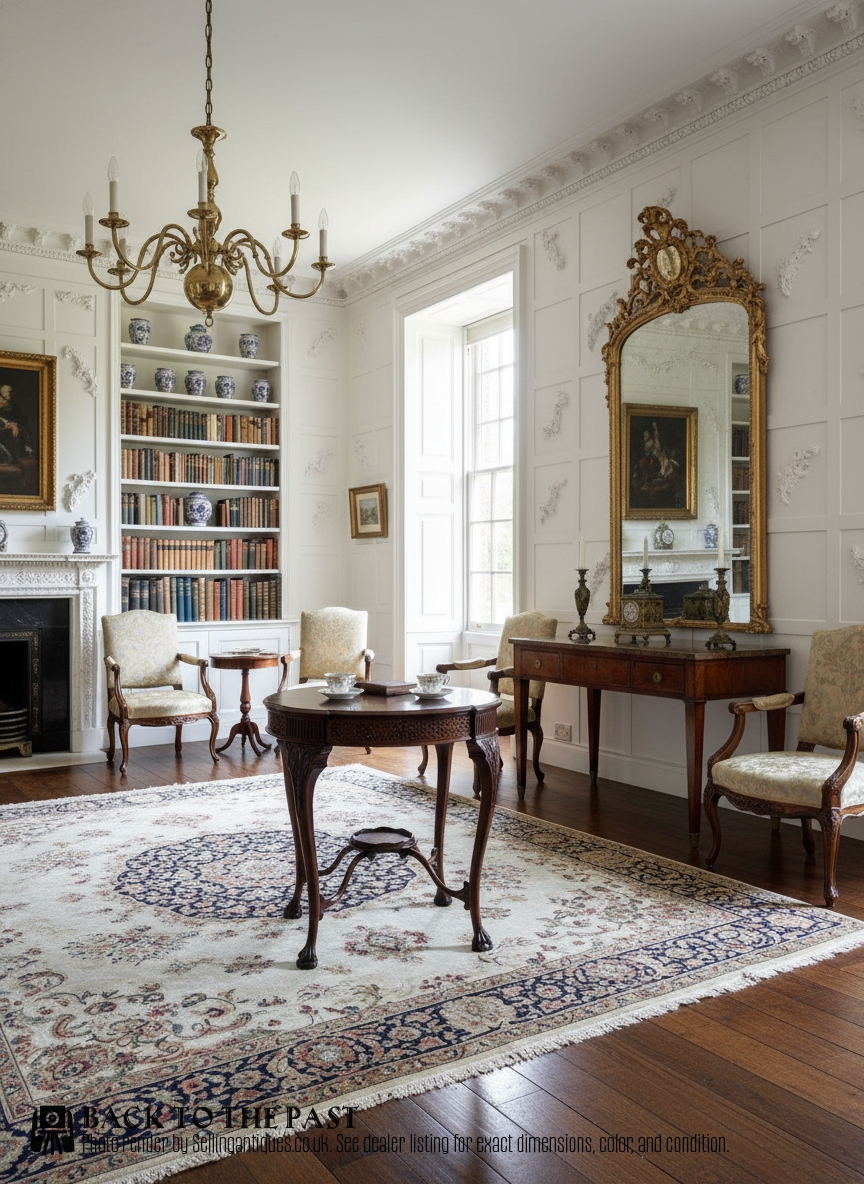
Edwardian Fretwork Table
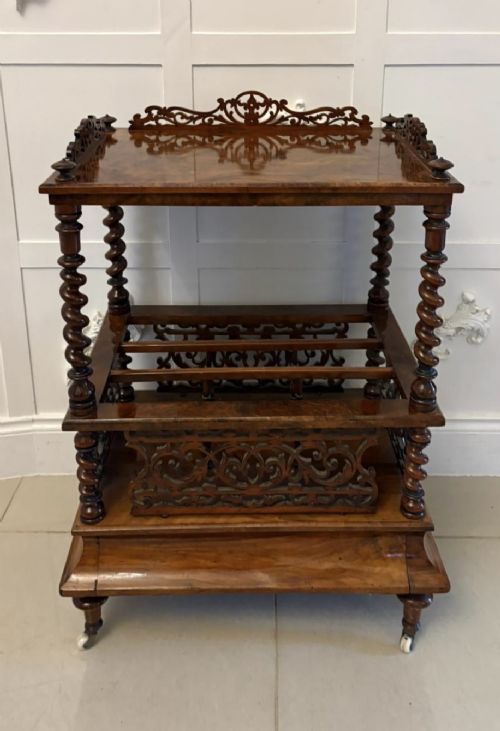
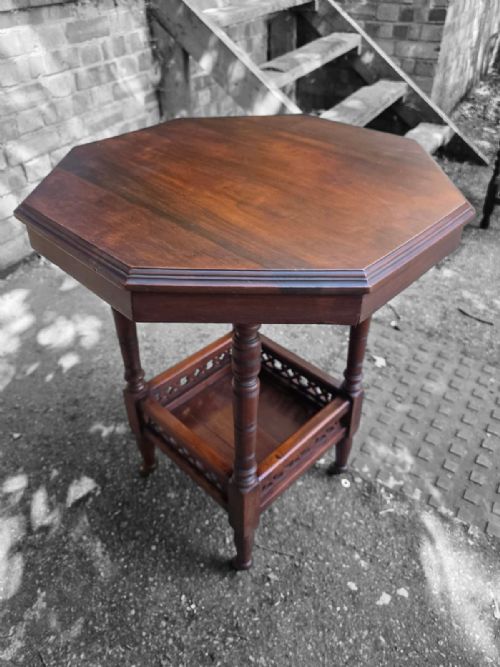
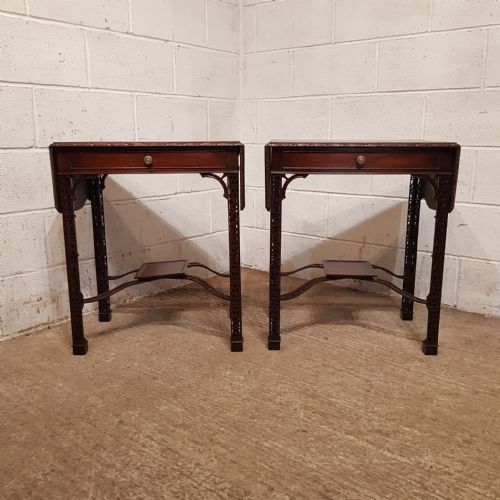
An edwardian fretwork table is a lightweight occasional piece designed for display and convenience in the home. These tables frequently appear alongside related Edwardian and Victorian side tables, lamp tables, and occasional forms.
The material vocabulary centres on mahogany and oak, often shaped with open fretwork brackets or pierced galleries. Makers drew inspiration from Chippendale Revival and Arts and Crafts styles, producing forms that sit easily beside larger seating.
While the search points specifically to Edwardian examples, the listings also reveal related pieces spanning the nineteenth century up to the nineteen-twenties. Buyers will find variations ranging from simple lamp tables to two-tier occasional designs.
How they were made
Makers relied primarily on mahogany and oak, selecting close-grained timbers that could sustain fine pierced cutting without splintering. These woods were chosen for stability and responsiveness to hand-carved detailing.
Fretwork panels were pierced using scroll saws or fretsaws to create intricate geometric or organic motifs. Joinery typically combined traditional mortise and tenon framing with subtle corner blocking to maintain rigidity in slender legs.
Some fretwork panels are so finely pierced they resemble frozen lace.
What varies in quality
The refinement of the pierced fretwork separates standard production from finer examples. Crisp edges along the openwork and clean symmetry indicate skilled hand-working rather than hurried mechanical stamping.
Timber selection and grain continuity across table tops and aprons reveal the maker's intent. Superior pieces display matched mahogany boards and tight, flush joints that withstand decades of everyday use.
The Edwardian Fretwork Table Glossary
- Fretwork
- Openwork ornamentation created by cutting patterns through thin wood with a saw. This technique defines the light, decorative character of these tables.
- Chippendale Revival
- A decorative movement drawing on eighteenth-century designs. Pieces in this style often incorporate carved cabriole legs or pierced brackets.
- Occasional Table
- A small, movable table designed for a specific, transient purpose in a room. These forms include lamp tables, wine tables, and small display stands.
- Inlay
- The technique of inserting contrasting materials into depressions within a wood base to form decorative patterns. It frequently adds linear or floral detail to tabletops.
Edwardian Fretwork Table: Frequently Asked Questions
What is an edwardian fretwork table used for?
An edwardian fretwork table serves as a light surface for lamps, books, or decorative objects in a drawing room. Its compact proportions allow it to move easily beside armchairs or sofas.
These pieces were originally intended for polite entertaining and domestic display rather than heavy clerical work. Their openwork frames prioritise visual lightness over rugged utility.
How do I date an edwardian fretwork table?
Dating relies on examining timber preparation, joinery methods, and stylistic influences such as Arts and Crafts or Chippendale Revival. Edwardian examples typically display lighter scantlings and machine-assisted precision alongside hand finishing.
Comparing the turned or square tapered legs with related side tables and occasional stands helps narrow the decade of production. Secondary woods inside the frame also provide clues to the period of manufacture.
Are these tables sturdy enough for daily use?
Most pieces handle everyday placement of lamps and small items without difficulty. The slender legs and pierced brackets require sensible placement away from heavy traffic.
Careful handling preserves the delicate fretwork panels beneath the tabletop. Regular dusting keeps the pierced recesses free from accumulated grit.
How do I tell revival styles apart from originals?
Revival pieces adopt eighteenth-century vocabulary like carved fretwork and blind tracery but utilise nineteenth or twentieth-century timber preparation and secondary woods. Machine-cut elements often appear alongside hand-carving in revival furniture.
Examining the underside and interior joints reveals tool marks and construction habits specific to later workshops. Hardware and screw types further distinguish a revival piece from an older prototype.