


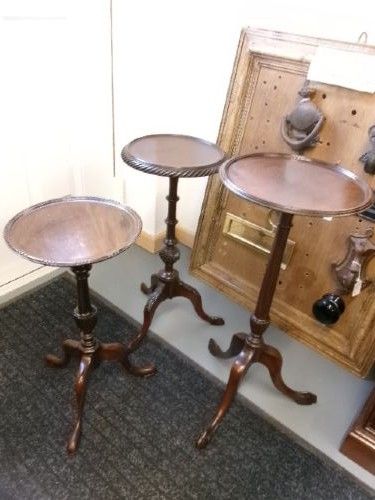
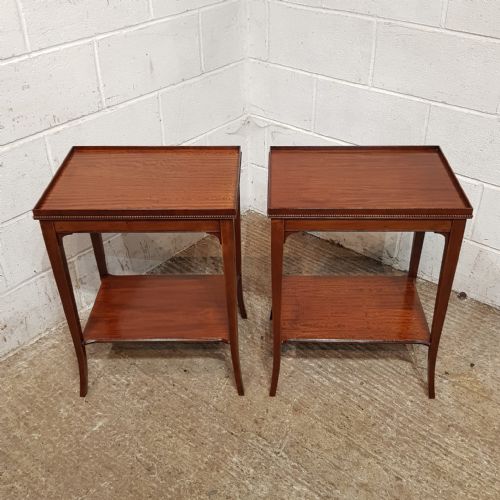
Edwardian Mahogany Tier Table
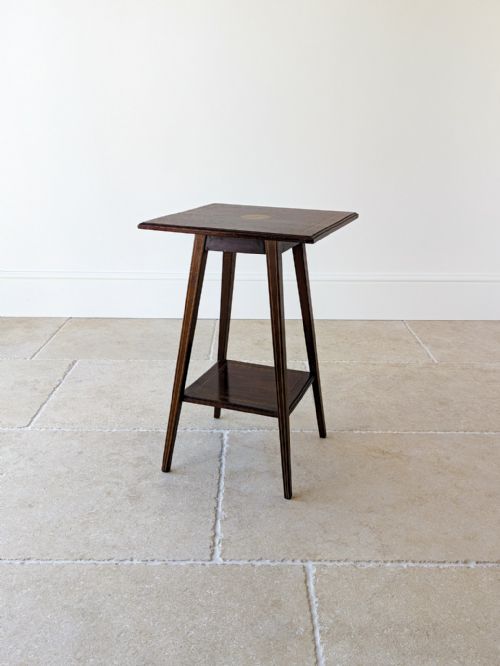
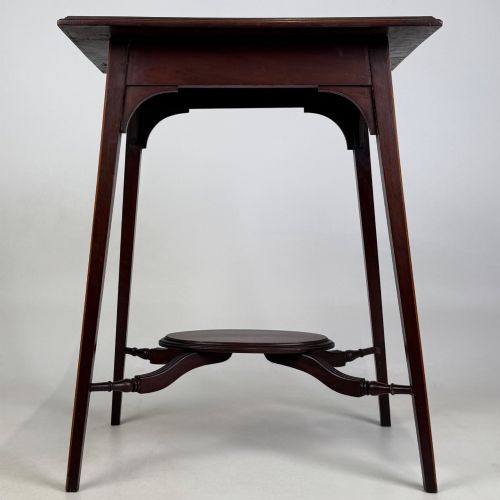
An edwardian mahogany tier table offers stacked surfaces in rich timber, designed for compact display and afternoon tea.
Edwardian Mahogany Tier Table
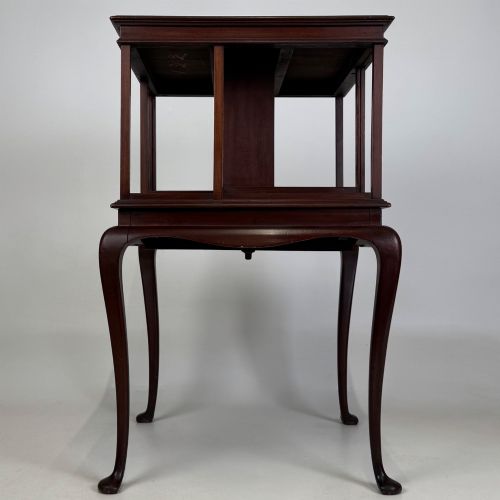
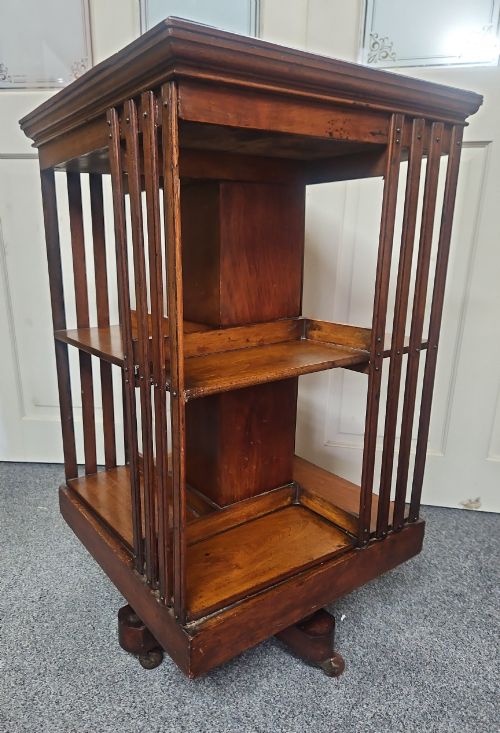
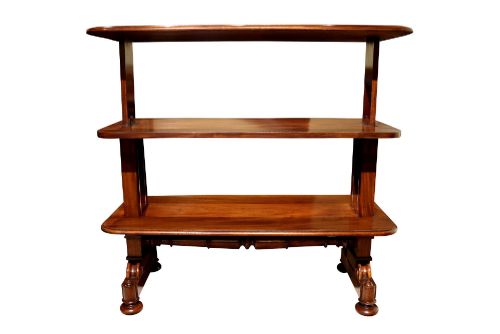
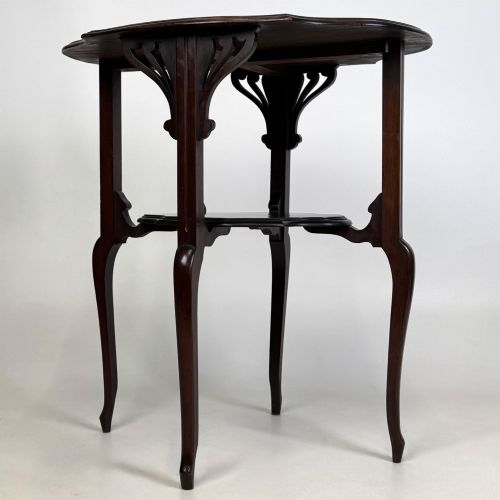
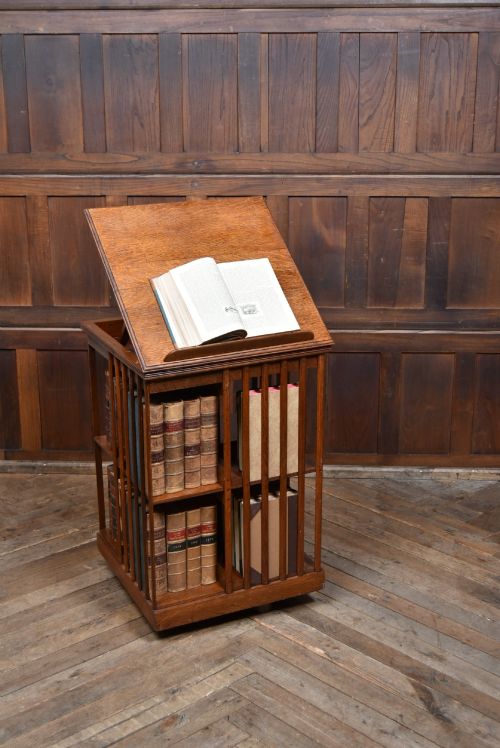
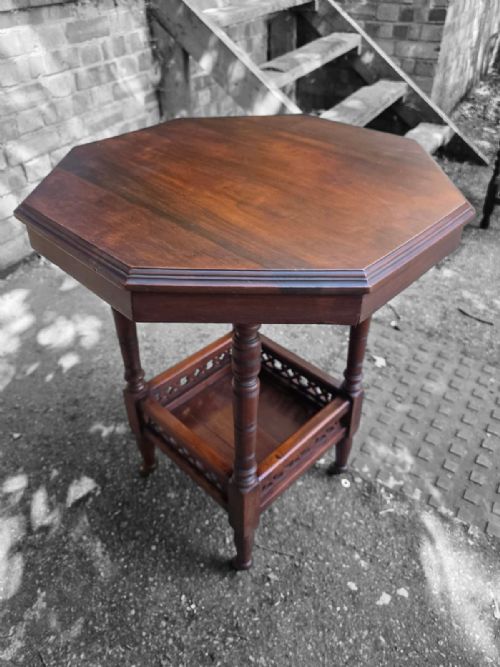
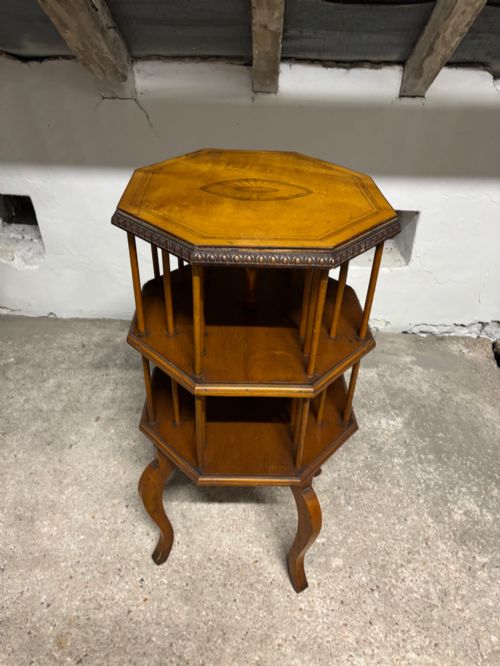
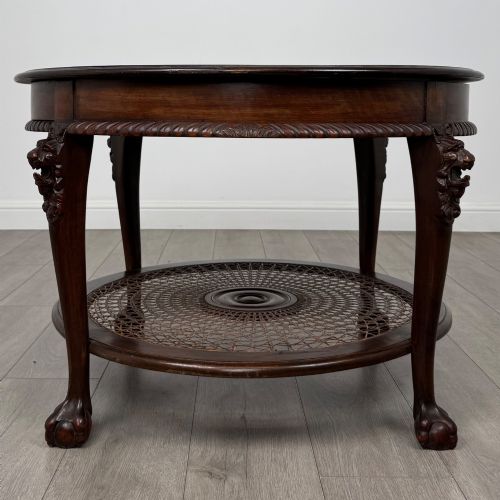
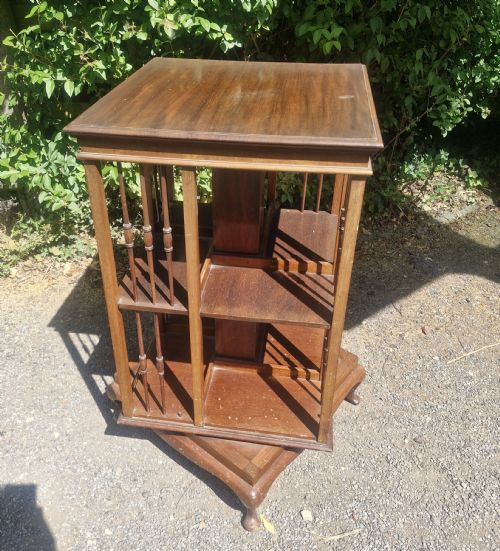
The search for an edwardian mahogany tier table brings up multi-level occasional furniture designed for compact spaces and practical display. The examples seen here span circular, oval, and octagonal forms with two or three distinct shelves or trays.
Most pieces date to the Edwardian era, featuring the characteristic lighter frames and tiered shelving used for plants, lamps, or tea service. Alongside standard two-tier lamp tables, the archive shows taller dumb waiter styles and occasional stands with satinwood detailing.
Materials and Construction
Makers utilised solid mahogany and flame mahogany veneers, often supported by slender turned legs or tripod bases. Structural joints relied on traditional cabinet-making techniques to keep multi-level frames stable without excessive bulk.
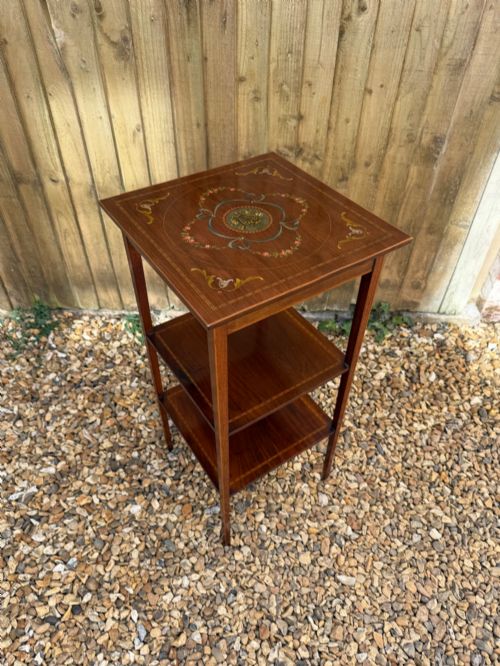
Surface enrichment frequently includes satinwood and boxwood inlay, creating delicate contrasting borders along the edge of each tier. Brass castors, folding mechanisms, and galleried trays appear on select pieces to enhance daily utility.
Some Edwardian tier tables doubled as folding cake stands, ready to deploy extra tiers whenever unexpected tea guests arrived.
Assessing Quality
The standard of timber selection sets individual pieces apart, with rich grain patterns and matched flame mahogany marking out superior examples. Plain or unfigured secondary woods generally indicate simpler domestic utility pieces.
Execution of the inlay also defines the tier table hierarchy, where crisp boxwood and satinwood stringing demonstrates higher workshop skill. Finer items incorporate shaped gallery edges and robust structural joinery that prevents the tiers from sagging over time.
The Edwardian Mahogany Tier Table Glossary
- Tier table
- A multi-level occasional table featuring two or more stacked surfaces connected by columns or legs. These were traditionally used for serving afternoon tea or displaying decorative objects.
- Etagere
- A piece of furniture consisting of a set of open shelves for displaying small ornaments. The term is frequently applied to lighter multi-tiered occasional tables.
- Satinwood inlay
- A decorative technique using contrasting light-coloured exotic wood set into the mahogany surface. This detail was especially popular during the Sheraton Revival and Edwardian periods.
- Dumb waiter
- A tiered stand or serving table designed to hold food or tableware without requiring a servant present. Edwardian examples often feature three graduated circular trays.
- Tray top
- A tabletop finished with a raised rim or gallery edge to prevent items from sliding off. These edges are sometimes pierced to form handles.
Edwardian Mahogany Tier Table: Frequently Asked Questions
What was an edwardian mahogany tier table used for?
These pieces served multiple domestic purposes in early twentieth-century drawing rooms and parlours. They held afternoon tea accessories, reading lamps, indoor plants, or small decorative items.
The stacked design allowed households to maximise surface space in smaller sitting rooms without cluttering the floor plan. Many versions featured lightweight frames so occupants could easily reposition them around the room.
How do I identify an Edwardian tier table?
Edwardian pieces typically combine lightweight mahogany frames with delicate satinwood or boxwood stringing. The proportions tend to be slender and refined compared to heavier Victorian furniture.
Construction details also help confirm the period, including the use of edwardian-era brass fittings and specific turning styles on the upright supports. Archival records show these tables frequently appeared alongside inlaid plant stands and tea trolleys.
Are two-tier or three-tier tables more common?
Two-tier occasional tables appear most frequently across domestic listings, usually functioning as lamp or plant stands. Three-tier versions, sometimes referred to as dumb waiters or etageres, occur less often.
Three-tier variants often incorporate graduated shelves that narrow toward the top, creating a tiered pyramid effect. Both formats rely on central columns or slender corner uprights for support.
How do I care for antique mahogany furniture?
Keep mahogany tables away from direct sunlight and strong heat sources to prevent the wood and veneer from drying out. Regular dusting with a soft, dry cloth helps maintain the polished surface.
A light application of traditional beeswax can nourish the timber and preserve the natural sheen of the grain. Avoid chemical sprays or excessive moisture, which can damage polished finishes and inlaid borders.