
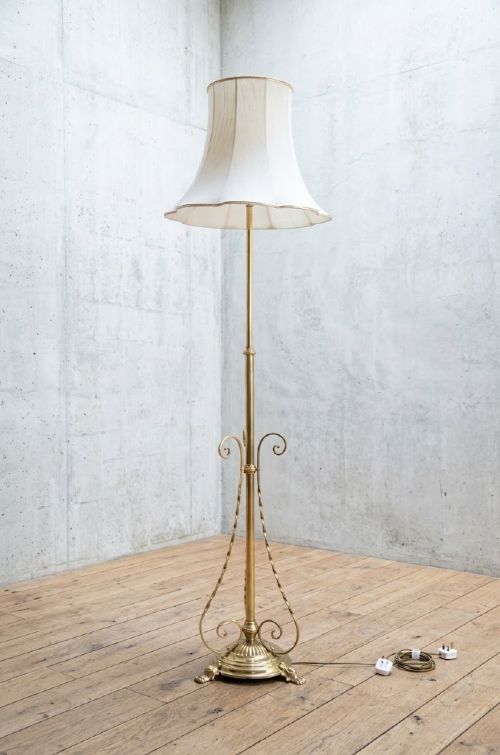
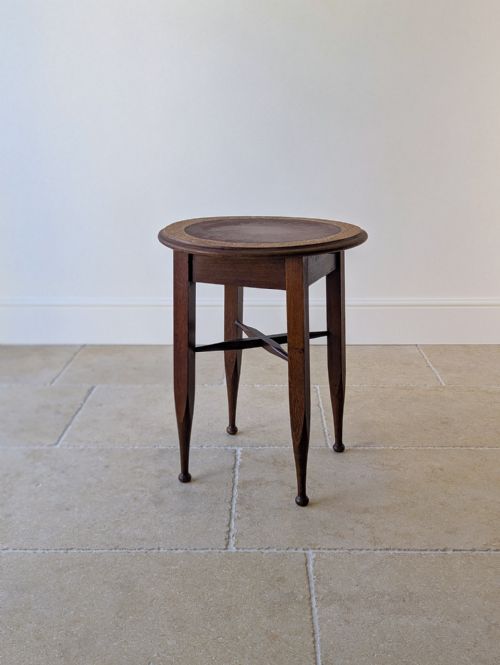
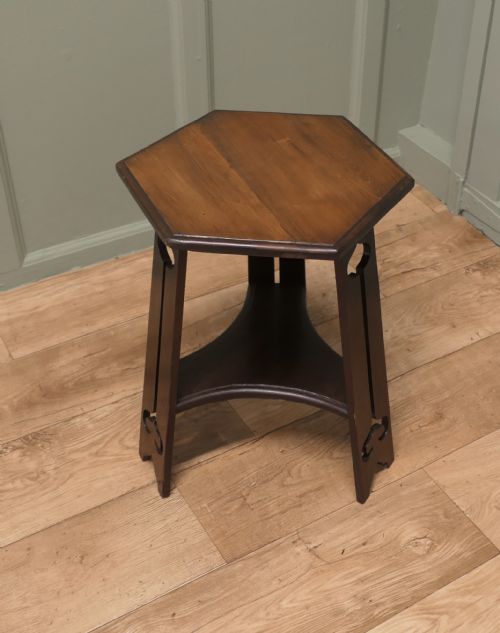
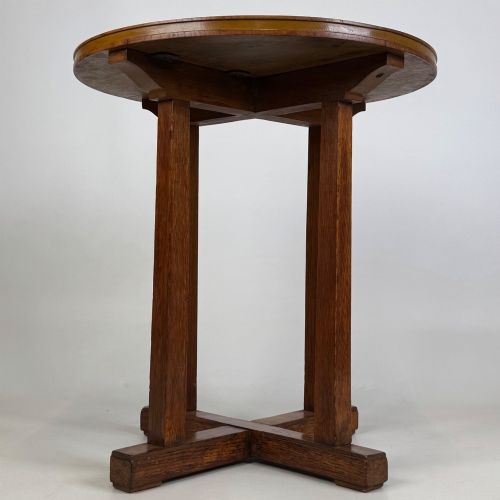
Arts and Crafts Lamp Stand
When you search for an arts and crafts lamp stand, you seek utilitarian British lighting and small furniture grounded in honest construction.
Arts and Crafts Lamp Stand
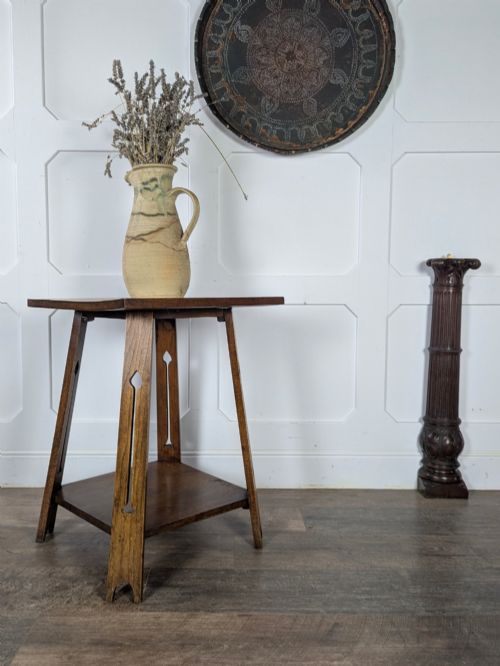
The arts and crafts lamp stand category encompasses vertical floor lighting alongside auxiliary tables designed to hold illumination, plant pots, or decorative objects. Surviving pieces emerge primarily from the late Victorian, Edwardian, and early twentieth-century eras, reflecting the philosophy of functional utility championed by the movement.
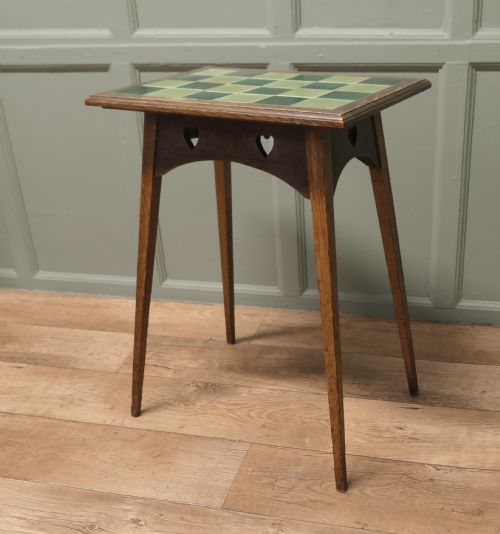
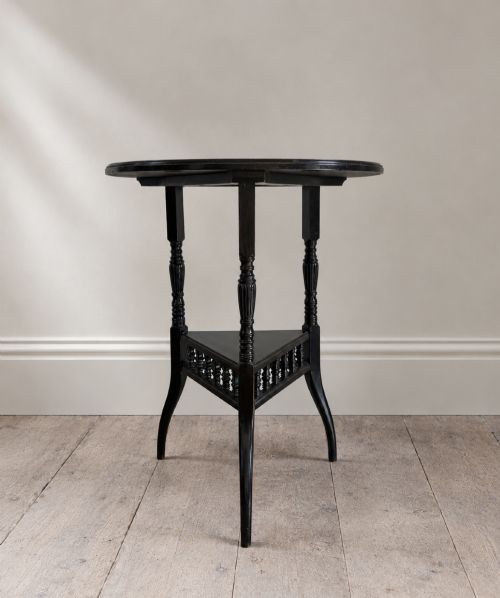
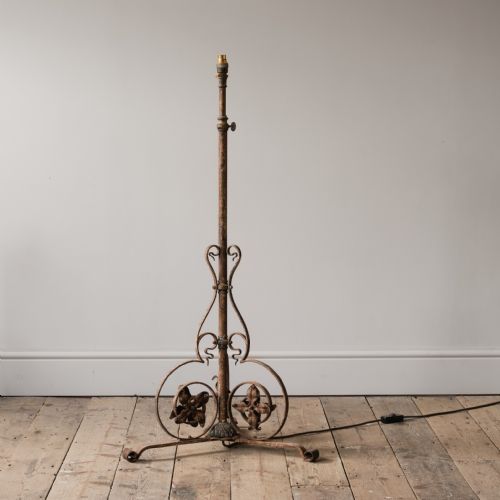
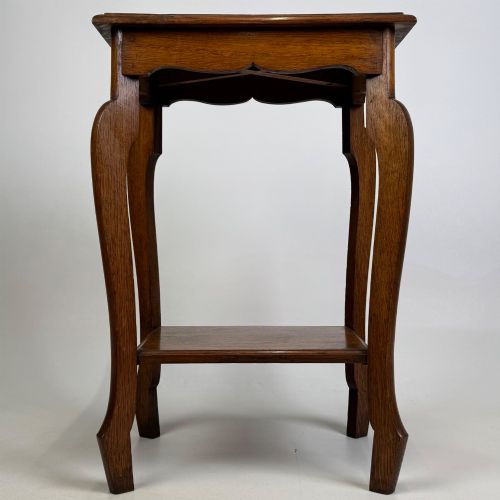
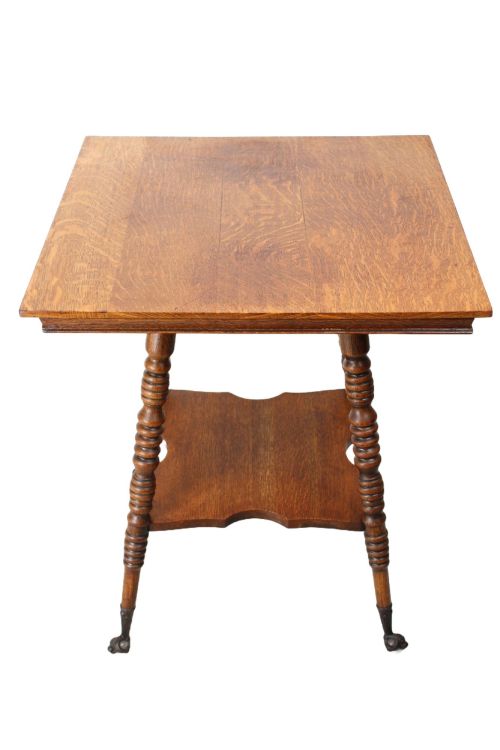
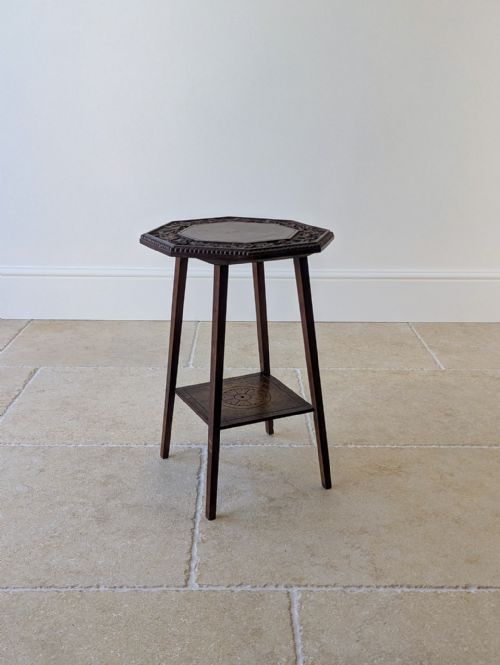
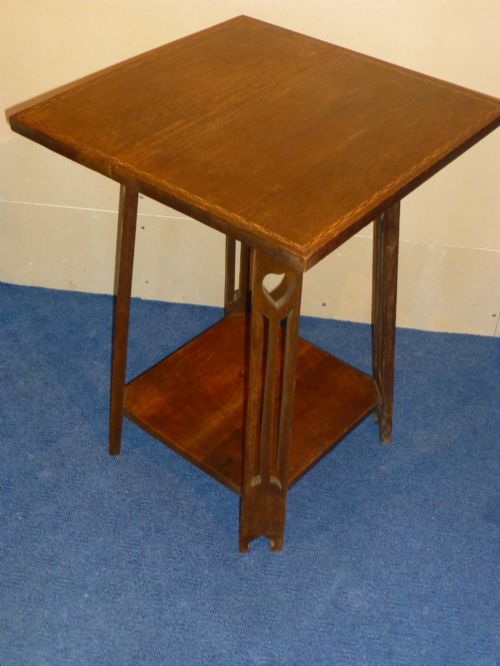
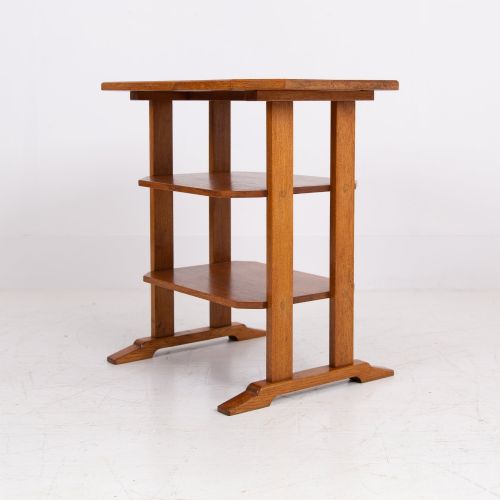
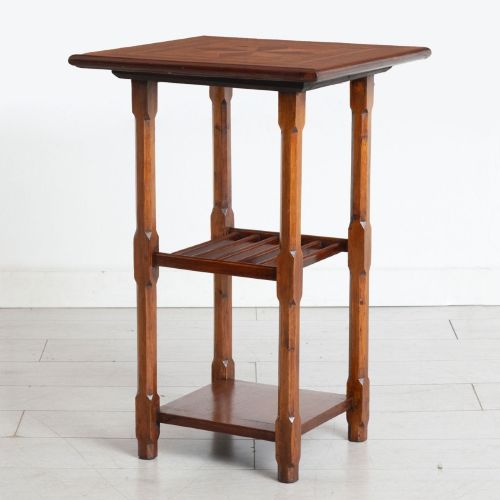
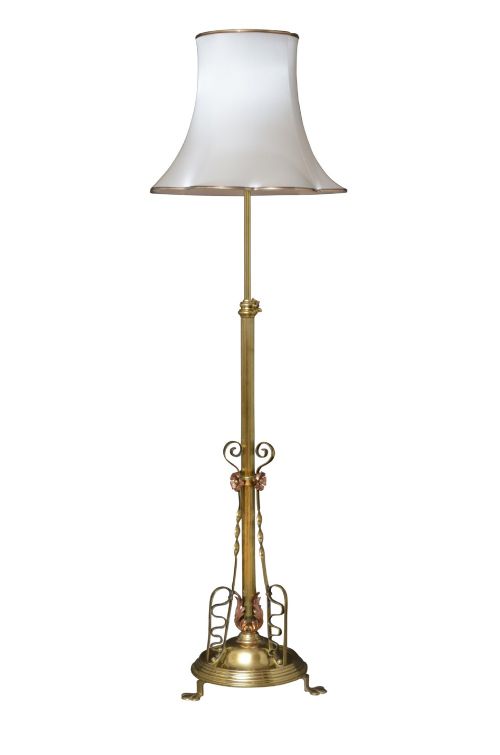
Floor-standing lighting fixtures appear predominantly in hammered brass and copper, or forged wrought iron, frequently featuring telescopic shafts for height adjustment. Alongside them, low occasional tables, plant stands, and multi-tiered side tables in solid oak or walnut serve identical domestic functions within period interiors.
Construction and Materials
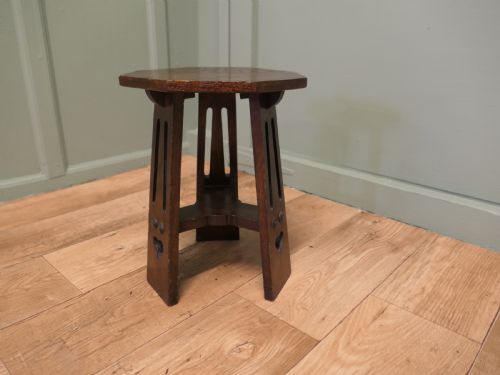
Makers relied heavily on unadorned native timbers, utilising solid oak and walnut for tables, plant stands, and multi-tiered tiers. Joinery remained visible and robust, prioritizing structural honesty over concealed fastenings.
Metalwork forms utilised durable combinations of brass, copper, and wrought iron. Artisans employed hand-beating techniques on sheet metal and adjustable mechanisms on floor standards, ensuring functionality matched the utilitarian aesthetic.
Materials span solid oak, walnut, wrought iron, beaten copper, and brass, paired occasionally with decorative ceramic tiles.
Judging Quality
Quality differentiates itself through the integrity of materials and the presence of workshop attribution rather than surface ornamentation alone. Solid timber construction with thoughtful grain selection outshines veneered alternatives, while substantial gauge metals on standard lamps provide stability absent in lighter substitutes.
Execution of detail sets exceptional examples apart, such as hand-beaten texturing on copper shafts, precise chequered inlays, or integrated ceramic tile surfaces. Pieces bearing documented connections to notable designers or prominent commercial firms display superior proportion and structural finish.
Liberty & Co.·William Birch·Baillie Scott·Shapland and Petter
The Arts and Crafts Lamp Stand Glossary
- Standard Lamp
- A floor-standing lighting fixture designed to illuminate a room from a vertical post. These often feature adjustable height mechanisms or telescopic columns.
- Plant Stand
- A tall, narrow piece of furniture intended to elevate greenery or display decorative vessels. They share geometric top shapes with small occasional tables.
- Occasional Table
- A small, movable table utilised for specific secondary tasks within a room. Examples in this category frequently incorporate lower tiers or tiled surfaces.
- Telescopic Standard Lamp
- A lighting stand featuring a sliding shaft secured by a thumbscrew or key. This allows the user to raise or lower the height of the light source.
- Beaten Copper
- Sheet metal worked manually with hammers to create textured, light-catching surfaces. This technique appears widely on the collars and reservoirs of floor lamps.
Arts and Crafts Lamp Stand: Frequently Asked Questions
How do I identify a genuine period lamp stand?
Examine the construction methods, material weights, and wear patterns. Genuine period examples utilise solid timbers, heavy gauge brass or wrought iron, and traditional joinery rather than modern fasteners.
Look for hand-beaten tool marks on metal components and natural patination accumulated over decades of domestic use. Maker stamps or retailer labels further confirm authenticity.
Were these floor lamps originally electric?
Many surviving floor-standing standards began as oil lamps before undergoing conversion to electricity during the twentieth century. Burner mechanisms were replaced with lampholders, while retaining the original telescopic brass or copper columns.
Untouched examples sometimes preserve their oil reservoirs, offering direct evidence of their nineteenth-century origins. Converted wiring requires professional inspection to ensure modern safety standards.
Where should I place an occasional table?
These compact pieces suit living spaces, hallways, and reception rooms where surface area is required without dominating the floor plan. Multi-tiered oak tables work effectively beside armchairs or as display points for ceramics and lamps.
Avoid placing antique timber in direct sunlight or beside active heat sources to protect the wood and polished finishes. Regular gentle dusting maintains the natural lustre of the oak or walnut.
What defines the Cotswold School style?
The Cotswold School emerged from the arts and crafts philosophy, emphasising unpretentious design and visible craftsmanship. Tables and stands from this tradition showcase straightforward construction in solid oak.
Pieces usually lack heavy ornamentation, allowing the natural grain and hand-planed surfaces to define the aesthetic. This restrained approach creates enduring stability and simple utility.