


Edwardian Flower Stand
An edwardian flower stand brings architectural height and living greenery indoors, elevating potted plants to catch the best light.
Edwardian Flower Stand
When searching for an edwardian flower stand, buyers encounter a variety of elevated display pieces designed to hold potted plants, jardinières and floral arrangements within domestic interiors. These furnishings range from slender wooden pedestals to multi-tiered stands and heavy brass vessels intended for conservatories and parlours.
Beyond standard plant pedestals, the selection includes related display forms such as epergnes, centrepieces and wine coasters that serve similar ornamental functions on tables and corner floors. These pieces reflect the period's domestic enthusiasm for indoor greenery and decorative floral arrangements.
How they were made
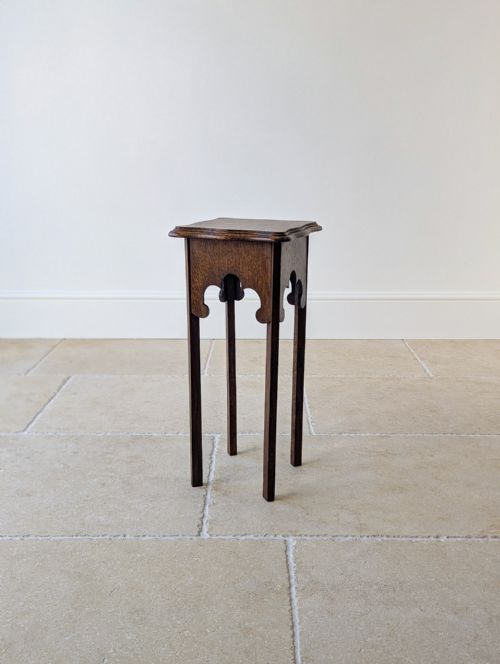
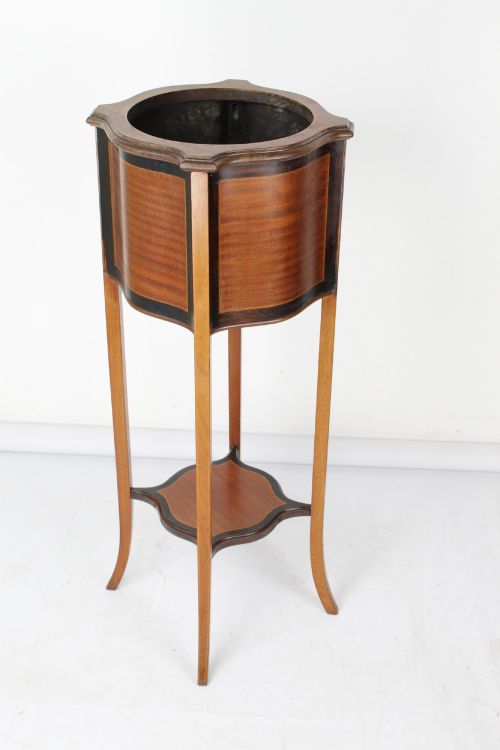
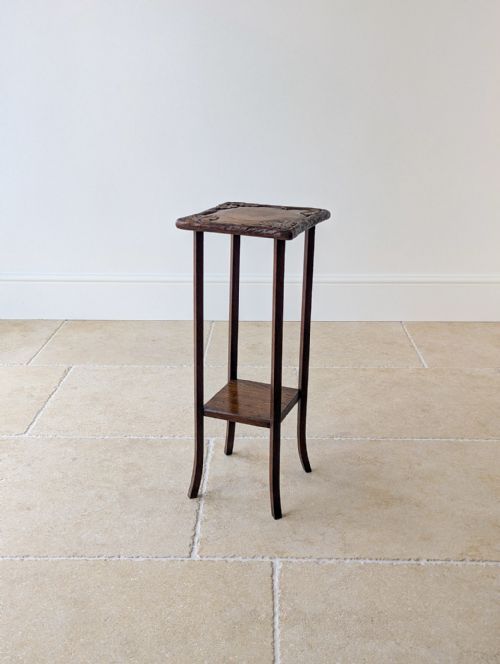
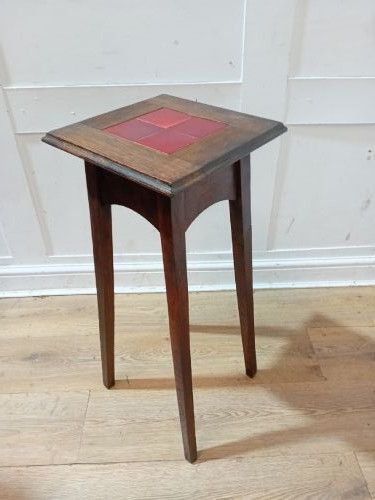
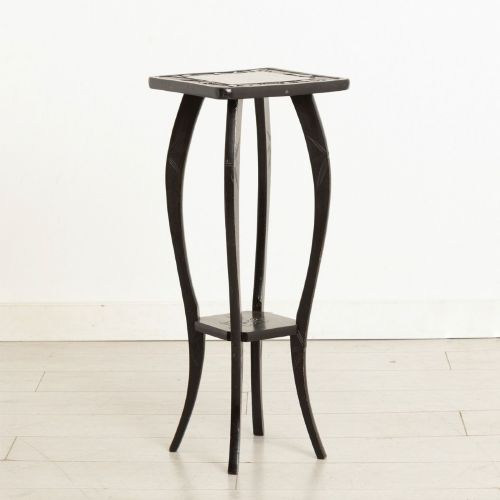
Makers constructed these stands using solid timbers such as oak, mahogany and walnut, frequently employing turned legs, carved detailing and inlaid marquetry to enrich the surfaces. Ebonised wood and satinwood also appear, showing a range of cabinet-making techniques from simple slatted construction to detailed hand carving.
Metal components involved silver plating, brass, wrought iron and riveted iron, creating robust frames for heavy ceramic pots and damp garden environments. Glass elements, including cranberry glass, were shaped into complex epergnes for tabletop floral displays.
Structural methods included barley twist turnings, multi-tiered platforms and corner adaptations, allowing stands to fit specific interior layouts while supporting the weight of soil and ceramic planters.
Listings feature oak, mahogany, brass, wrought iron, and silver plate across Edwardian and Victorian periods.
What varies in quality
Quality in these pieces rests upon the integrity of the timber selection, the crispness of any hand-carved ornamentation, and the stability of the overall construction. Pieces featuring superior cabinet work, such as precise inlay or well-turned barley twist legs, demonstrate a higher grade of manufacture than plain utility stands.
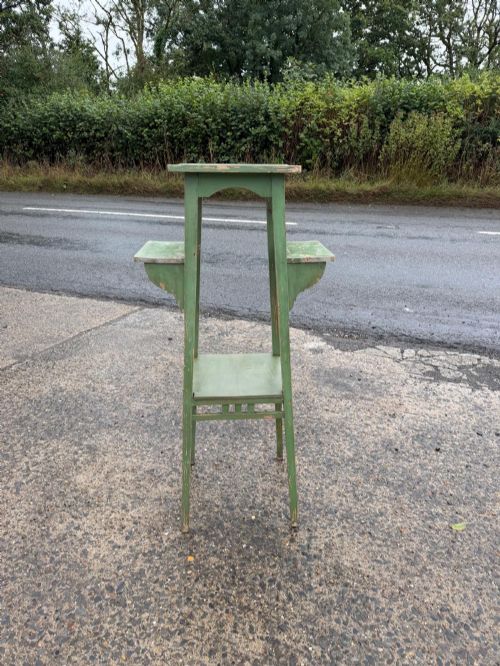
The choice of materials significantly shifts the standing of an item, distinguishing standard domestic pine or basic metal frames from richly figured burr walnut, satinwood, or heavy silver-plated mounts paired with quality ceramic pots. Original painted surfaces or patinated metalwork also contribute to the distinction between basic utility items and finer decorative examples.
Liberty of London·Schierholz Plaue·Royal Worcester
The Edwardian Flower Stand Glossary
- Jardiniere
- An ornamental stand or large pot designed to hold a plant or floral display inside the home. These vessels sit directly on the floor or on dedicated stands.
- Epergne
- A tabletop centrepiece featuring multiple branching holders for fruit, sweets or flowers. They are frequently made from silver plate and coloured glass.
- Pedestal
- A tall, slender architectural support designed to elevate a sculpture, vase or plant stand. They provide vertical interest in a room corner or hallway.
- Barley Twist
- A type of furniture turning shaped like a spiral or helix. This technique appears frequently on the legs of Edwardian and earlier wooden stands.
- Marquetry
- The art of applying decorative pieces of veneer to a structure to form intricate designs. This technique decorates the surfaces of finer mahogany and satinwood stands.
Edwardian Flower Stand: Frequently Asked Questions
What is the difference between a plant stand and a jardiniere?
A plant stand generally refers to a tall piece of furniture designed to elevate a potted plant off the floor. The top surface supports a separate pot or container.
A jardiniere is the actual planter vessel itself, though the term often describes the combined unit when the stand and pot form an integrated piece.
How do I style a flower stand in a modern room?
These stands work well in empty room corners, hallways or beside windows where plants receive adequate daylight. Pairing the wood or metal finish with existing furniture helps integrate the piece.
Selecting a trailing plant or a fern allows the foliage to soften the architectural vertical lines of the stand.
Were these stands meant for indoor or outdoor use?
Most domestic stands in oak, mahogany and walnut were intended strictly for interior drawing rooms, halls and heated conservatories. Exposure to damp outdoor conditions would damage the polished wood surfaces.
Stands built from iron, brass or heavy silver plate handled humid greenhouse environments more resiliently, though delicate examples remained indoor ornaments.
How can I tell an Edwardian stand from a Victorian one?
Edwardian stands often feature lighter proportions, simpler lines and influences from the Arts and Crafts or Art Nouveau movements. Inlays and satinwood finishes are typical of this lighter aesthetic.
Victorian pieces tend to be heavier, employing darker timbers like burr walnut and robust proportions associated with Rococo Revival or Jacobean styles.