


Wooden Flower Pedestal
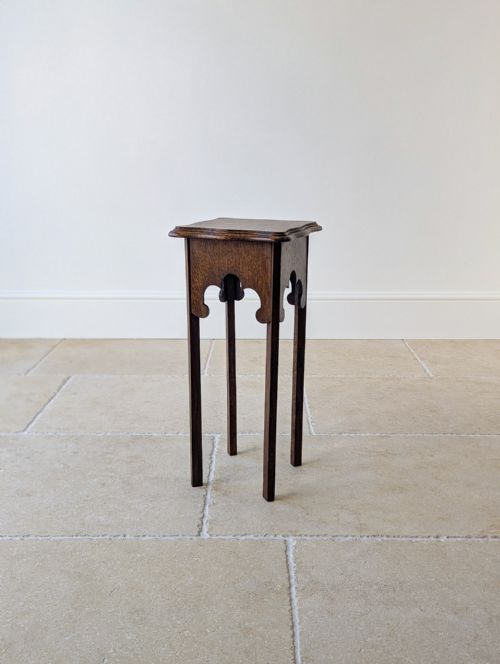
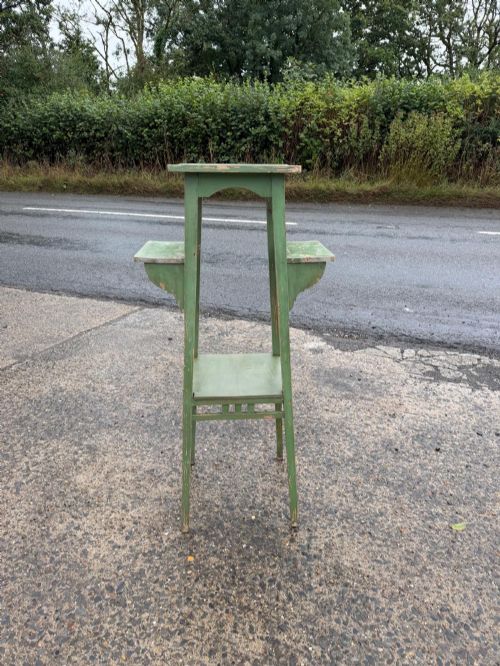
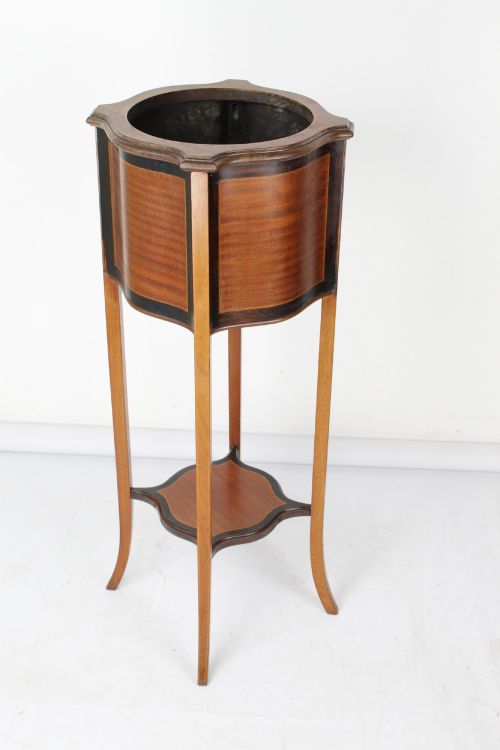
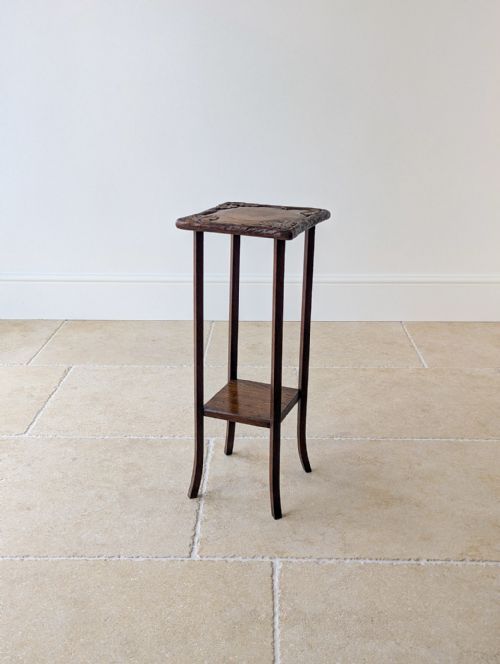
A wooden flower pedestal elevates botanical displays and jardinières, offering structural height and decorative presence to interiors.
Wooden Flower Pedestal
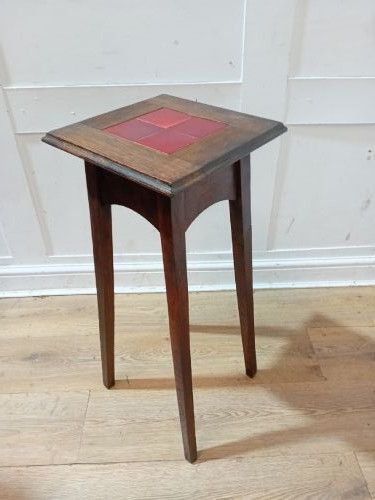
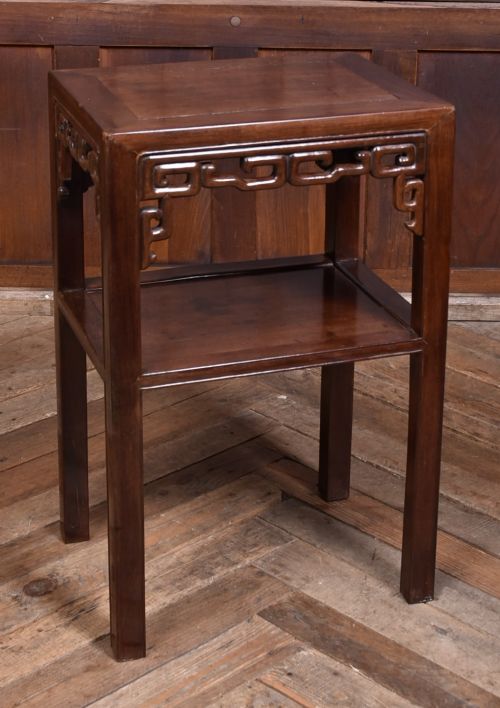
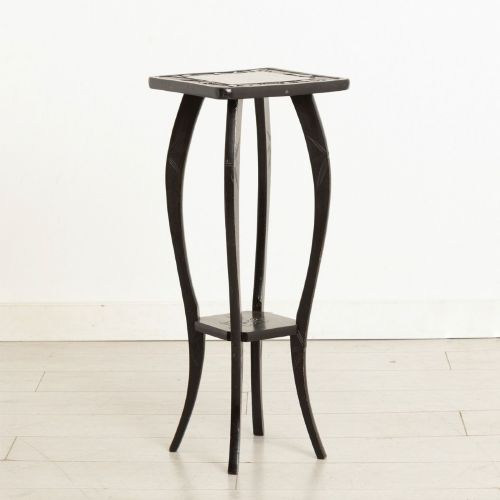
A wooden flower pedestal serves primarily as a display surface for plants, urns, and vases within domestic spaces. The selection ranges from compact occasional tables to tall torchères and multi-tiered plant stands.
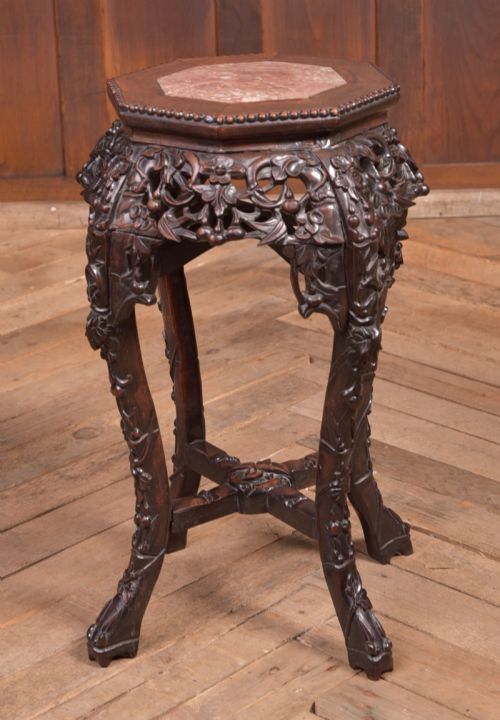
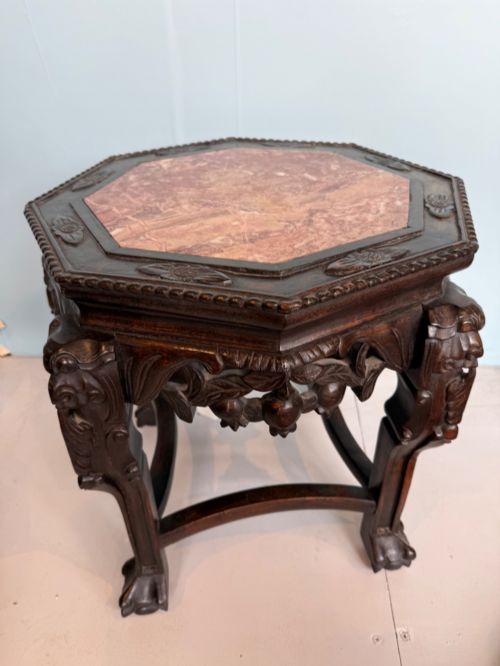
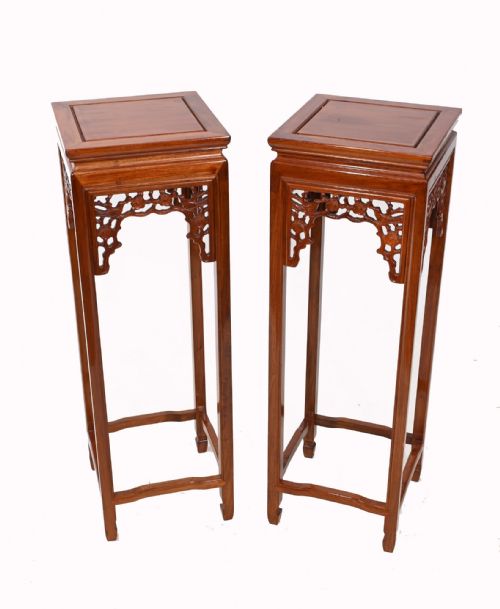
English and European examples appear in oak, mahogany, and walnut, often reflecting Edwardian, Victorian, or Arts and Crafts sensibilities. Alongside these, traditional Chinese carved hardwood and marble-inset stands from the Qing dynasty provide a distinct aesthetic.
Materials and Construction
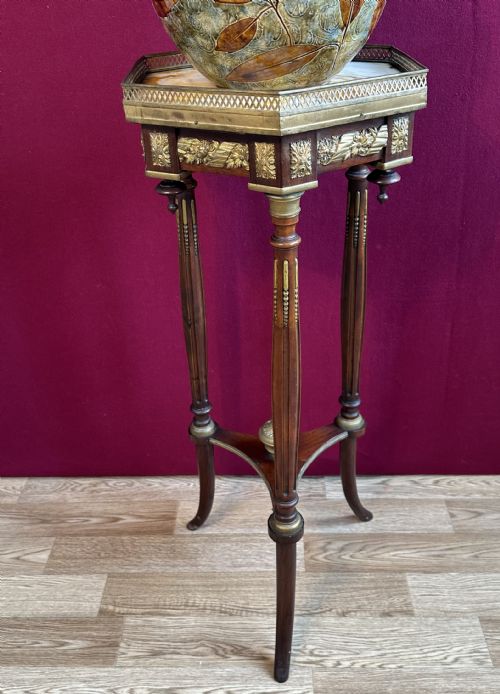
Cabinet makers utilised dense timbers such as mahogany, rosewood, oak, and hongmu, often shaping them through traditional joinery and detailed hand carving. Certain oriental and European pieces incorporate inset marble tops or original painted and lacquered finishes.
Structural variations include barley twist legs, inlaid details, and multi-tier configurations that provide stability for heavy ceramic planters and jardinières.
Several stands double as wine tables or lamp holders, proving that Victorian ferns were not the only things needing elevation.
Distinctions in Execution
The distinction between standard utility items and exceptional pieces rests upon the depth of the carving and the choice of timber. Finely figured rosewood, Hongmu, and substantial marbles indicate a higher order of manufacture than plain softwood or simpler turned legs.
Proportion and structural integrity dictate the success of the silhouette, particularly in tall torchères and heavy plant stands where balance is essential.
Liberty of London
The Wooden Flower Pedestal Glossary
- Jardiniere stand
- A tall piece specifically designed to support a decorative flower pot or planter. These stands often feature water-resistant tops or raised edges.
- Torchere
- A tall ornamental stand originally intended to carry a torch or candle lamp, now commonly utilised for vases and plants. They provide significant vertical emphasis in a room.
- Hongmu
- A dense, dark traditional Chinese hardwood valued for its strength and fine grain. It frequently appears in Qing dynasty pedestal tables.
- Barley twist
- A turned wooden furniture leg resembling a spiral rope. This technique appears widely on English oak stands from the late nineteenth and early twentieth centuries.
Wooden Flower Pedestal: Frequently Asked Questions
What is a wooden flower pedestal used for?
These pieces elevate potted plants, ceramic vases, and jardinières to create varied heights within a room. They also function as occasional tables for lamps and decorative objects.
Their narrow footprint allows them to occupy awkward corners or empty hallway spaces effectively.
How do I identify a Qing dynasty stand?
Qing dynasty stands typically utilise dense hardwoods such as hongmu or rosewood, paired with inset marble panels. The carving is deeply relief-cut with traditional motifs.
European interpretations of Asian styles often lack the specific timber density and traditional joinery found in authentic export pieces.
Are marble top stands durable?
The inset marble provides a cool, water-resistant surface designed to catch spillages from potted plants and damp flower pots. This protects the underlying wooden structure from water rings and rot.
While robust, the stone requires careful handling during relocation to prevent cracking across the inset joins.
Where should I place a torchere stand?
A torchère requires a stable floor surface due to its slender proportions and elevated height. Placing them away from heavy foot traffic prevents accidental tipping.
They work well in corners or framing doorways where vertical lines enhance the spatial composition.