
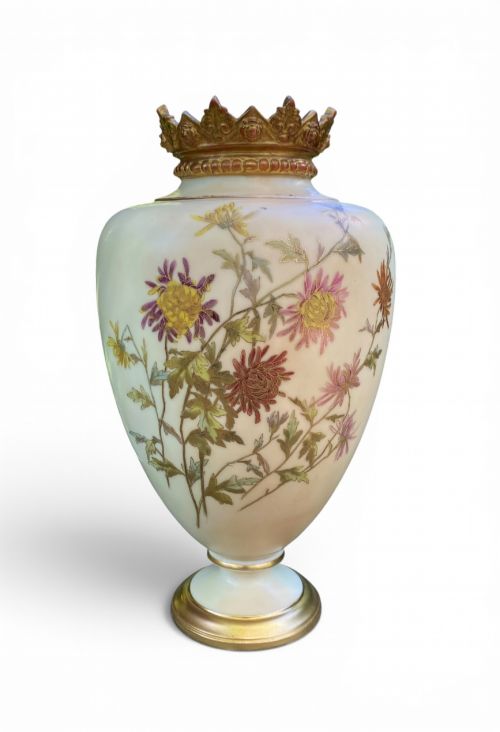


Edwardian Floral Ceramic Vases
These edwardian floral ceramic vases bring painted botanicals, rich glazes, and sculptural forms into domestic spaces.
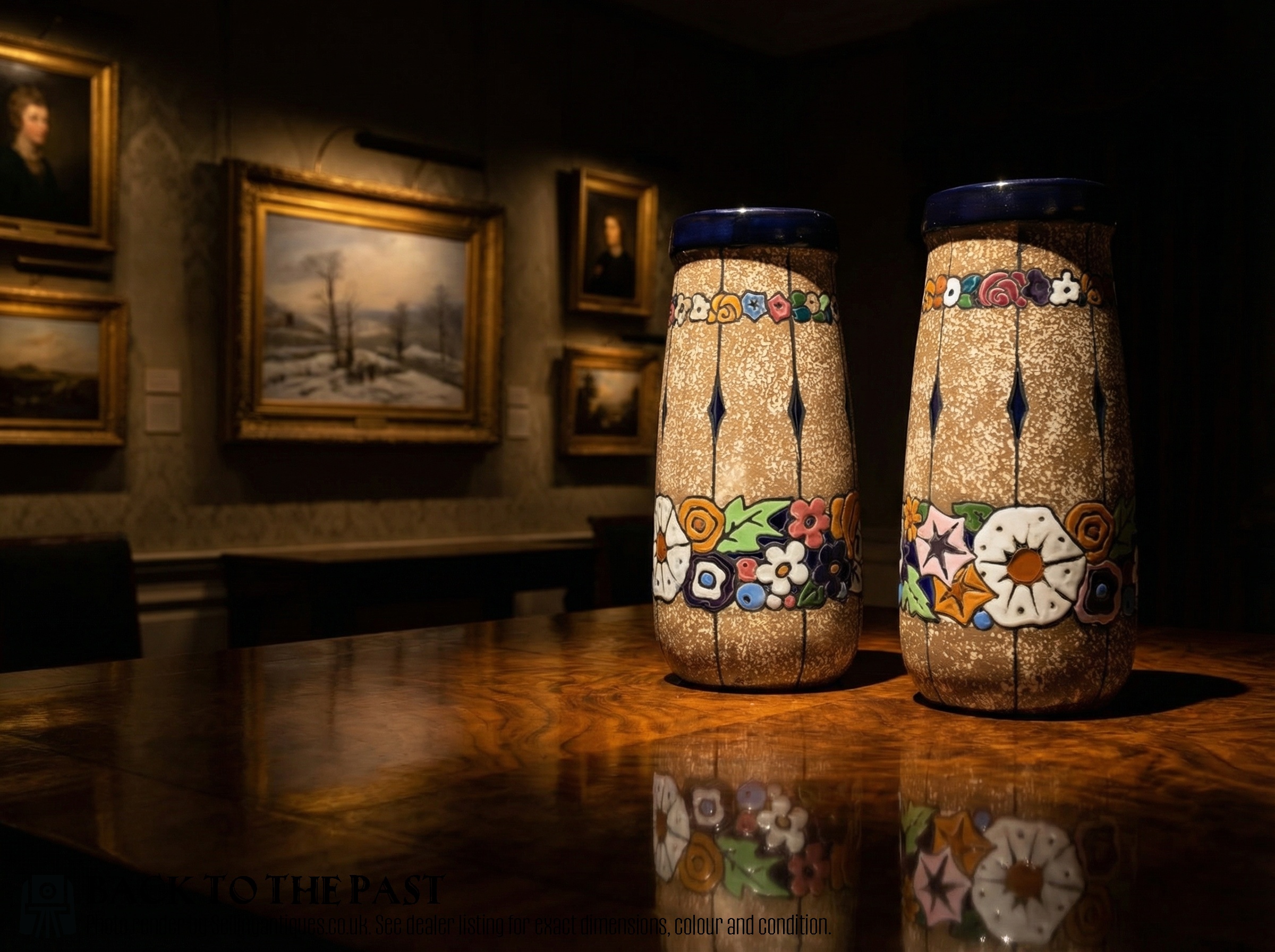
Edwardian Floral Ceramic Vases
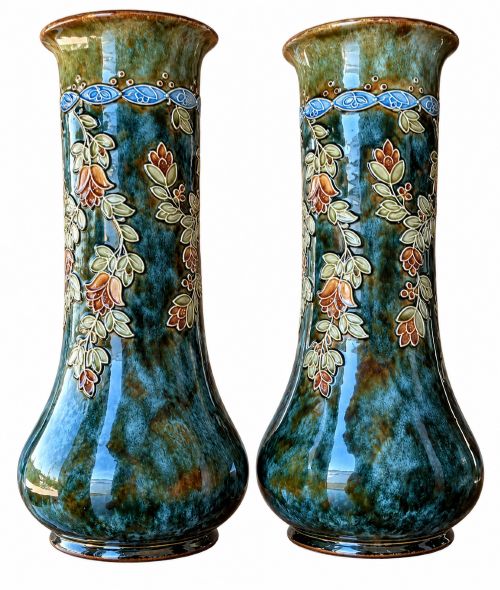
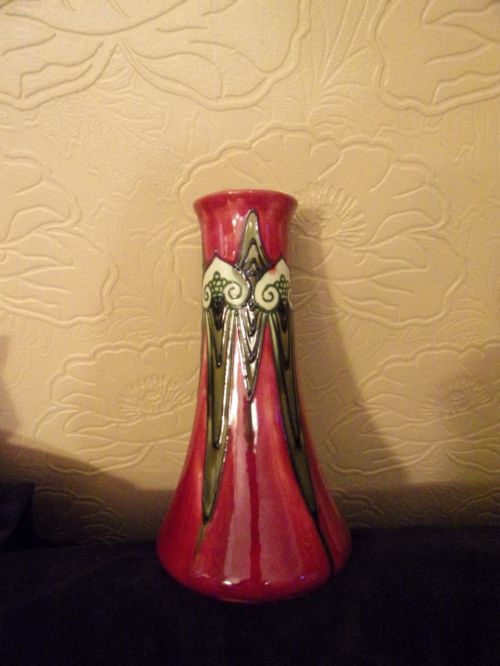
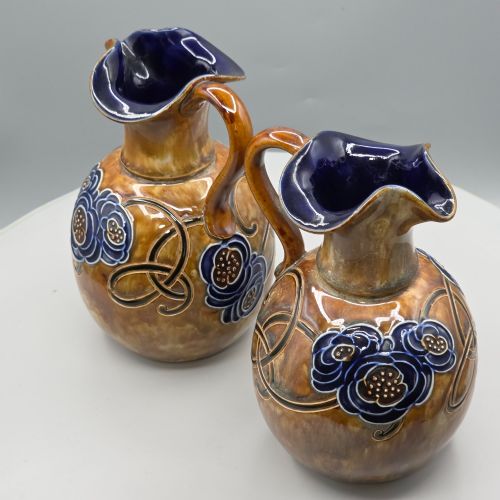
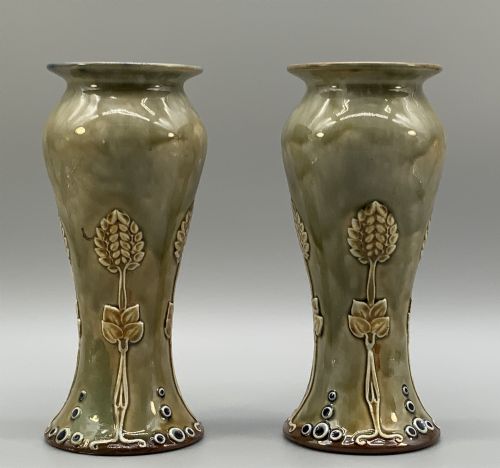
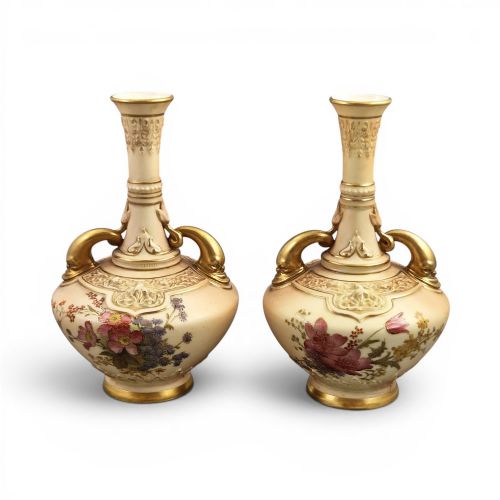
Edwardian floral ceramic vases span diverse forms such as baluster vessels, jugs, pots, and urns produced around the turn of the twentieth century. These pieces reflect prevailing design movements including Art Nouveau, Arts and Crafts, and traditional floral aesthetics across porcelain, earthenware, and stoneware bodies.
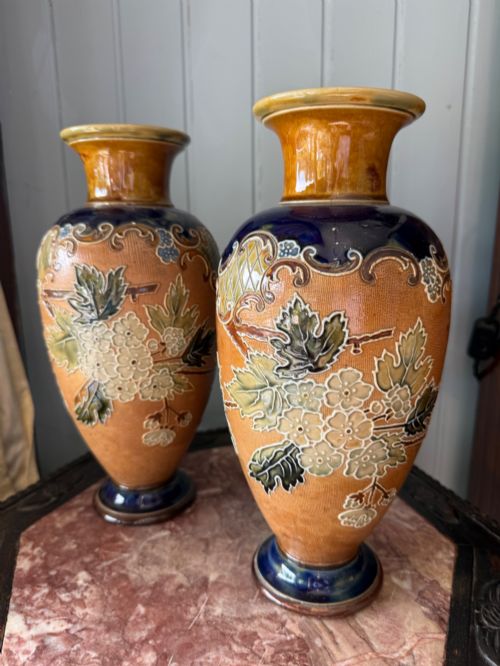
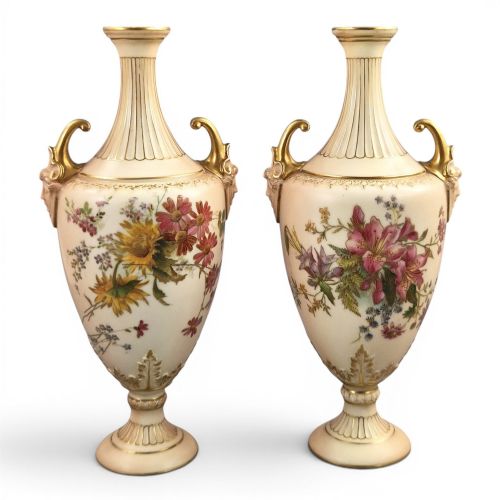
The pieces on this page heavily feature works by prominent British potteries like Royal Doulton, Royal Worcester, and Minton, alongside international porcelain works. Buyers regularly encounter matched pairs and individual decorative items carrying hand-painted or tube-lined floral motifs.
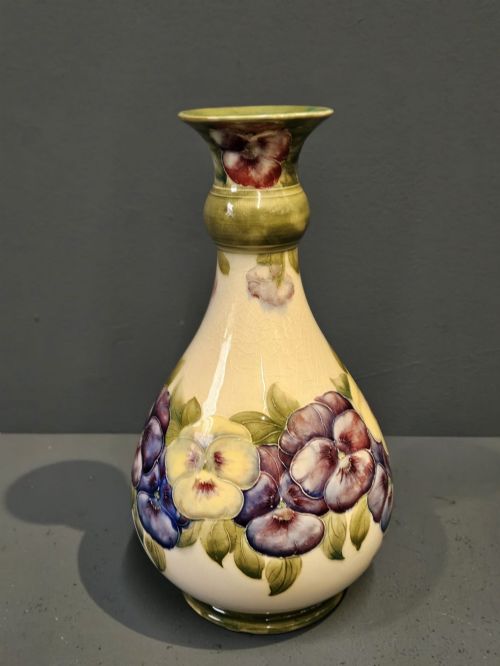
Objects range from small cabinet bud vases and scent bottles to large floor-standing stoneware pieces decorated with chrysanthemums, pansies, and exotic birds. Their forms bridge late Victorian ornamentation and the cleaner, stylised lines of the Edwardian era.
How They Were Made
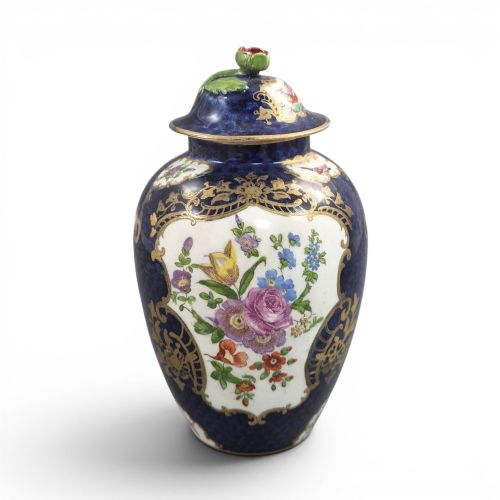
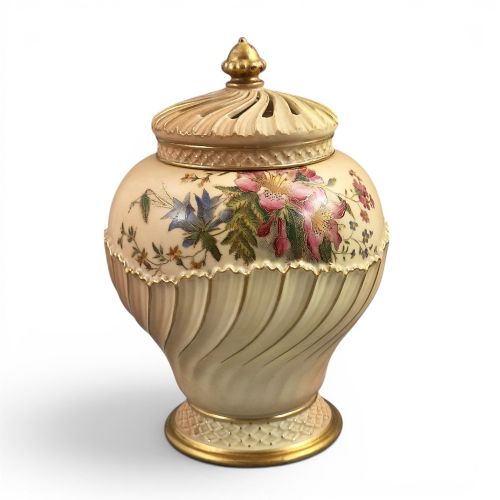
Potters utilised ceramic bases of porcelain, earthenware, and heavy stoneware, shaping them on the wheel or casting them in moulds to create ovoid bodies, fluted surfaces, and pierced handles. Many bodies received ground colours in scale blue, blush ivory, or vibrant yellow before receiving detailed ornamentation.
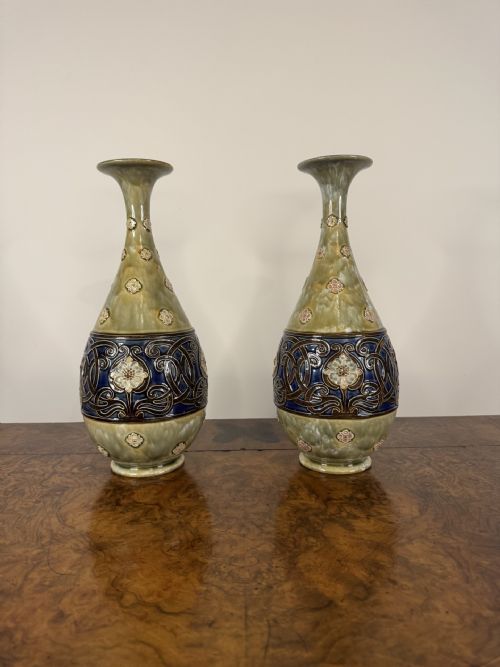
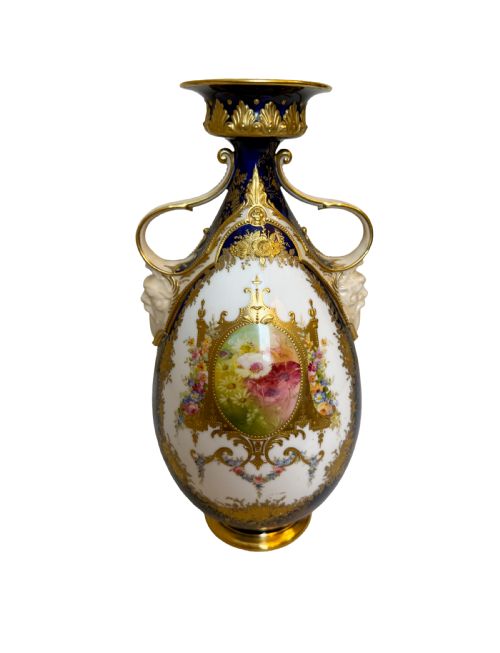
Decoration relied heavily on hand-painting, enamel highlights, and tube-lining, where raised clay lines created compartments for coloured glazes to sit within. Gilt accents and gold leaf were frequently applied to rims and handles, while some stoneware utilised specialised patent glazes like Slater's patent textures.
Some miniature Edwardian scent bottles doubling as vases prove that makers understood the irresistible charm of tiny, perfectly detailed flowers.
What Varies in Quality
Quality depends heavily on the execution of the painting and the complexity of the decorative technique, such as the precision of tube-lined designs or the delicacy of hand-painted floral panels. Pieces decorated by named artists or produced in specific trial patterns demonstrate superior artistic investment.
The ambition of the form and the crispness of the mould or throwing determine a piece's standing, with balanced pairs and unusual structural elements commanding greater interest. The stability of the glaze finish and the careful application of gilding further separate standard production items from exceptional studio outputs.
Royal Doulton·Royal Worcester·Minton·Moorcroft·Booths·Crown Staffordshire·Royal Crown Derby·Wileman Intarsio·Alexandra Porcelain Works Ernst Wahliss
The Edwardian Floral Ceramic Vases Glossary
- Tube-lined
- A ceramic decoration technique where a thin line of liquid clay is squeezed through a nozzle onto the surface to outline a pattern before glazing. This creates raised barriers that separate different coloured enamels.
- Blush Ivory
- A smooth, creamy-coloured ceramic ground finish popularised by Royal Worcester in the late nineteenth and early twentieth centuries. It provides a soft, matte backdrop for delicate hand-painted floral sprays.
- Stoneware
- A robust, vitrified ceramic body fired at high temperatures until impervious to liquid. It accepts heavy salt-glazes, impressed textures, and vibrant enamel colours without requiring a porous earthenware base.
- Imari
- A decorative style inspired by Japanese export wares featuring a distinctive palette of underglaze blue, iron red, and gilt detailing. Edwardian interpretations often adapt these traditional panels to European ceramic shapes.
- Secessionist
- A decorative ceramic style associated with the early twentieth century, marked by stylised floral motifs and organic, flowing geometric forms. It reflects the broader continental Art Nouveau and Jugendstil design movements.
Edwardian Floral Ceramic Vases: Frequently Asked Questions
How do I identify Edwardian ceramic vases?
Look for factory backstamps, registration numbers, and specific pattern codes stamped or painted on the unglazed base. These marks often narrow the production date down to a specific year or narrow decade.
Style also offers strong clues, as Edwardian pieces frequently combine late Victorian floral richness with the flowing, organic lines characteristic of early Art Nouveau design.
Were these vases meant for daily use?
Most of these ceramic and porcelain pieces were created primarily as decorative mantel or cabinet items rather than practical utility vessels. Delicate hand-painted surfaces and applied gilding meant they functioned largely to display interior taste.
Larger stoneware and ironstone pieces, however, possessed sturdier bodies capable of holding heavy seasonal flower arrangements without sustaining damage.
How should I clean antique ceramic vases?
Dust these pieces gently with a soft, dry brush to prevent accumulating dirt in crevices, tube-lined channels, or pierced handles. Avoid submerging antique ceramics in water, particularly pieces with delicate overglaze enamel or gold leaf that may flake.
If washing is essential for heavier stoneware, use lukewarm water and mild soap, drying the piece thoroughly with a lint-free cloth immediately afterwards.
What is the difference between porcelain and stoneware?
Porcelain is a fine, translucent ceramic fired at extremely high temperatures, resulting in a white, vitrified body that rings when struck. It typically carries smooth, delicate hand-painted decoration and a refined glaze.
Stoneware is denser, heavier, and opaque, often possessing a textured or speckled finish. It was favoured for robust, sculptural vessels featuring tube-lined patterns and rich coloured glazes.