






Amphora Pottery Vases
Amphora pottery vases are striking vessels spanning the nineteenth and twentieth centuries, sought after for their organic forms and distinctive glazes.
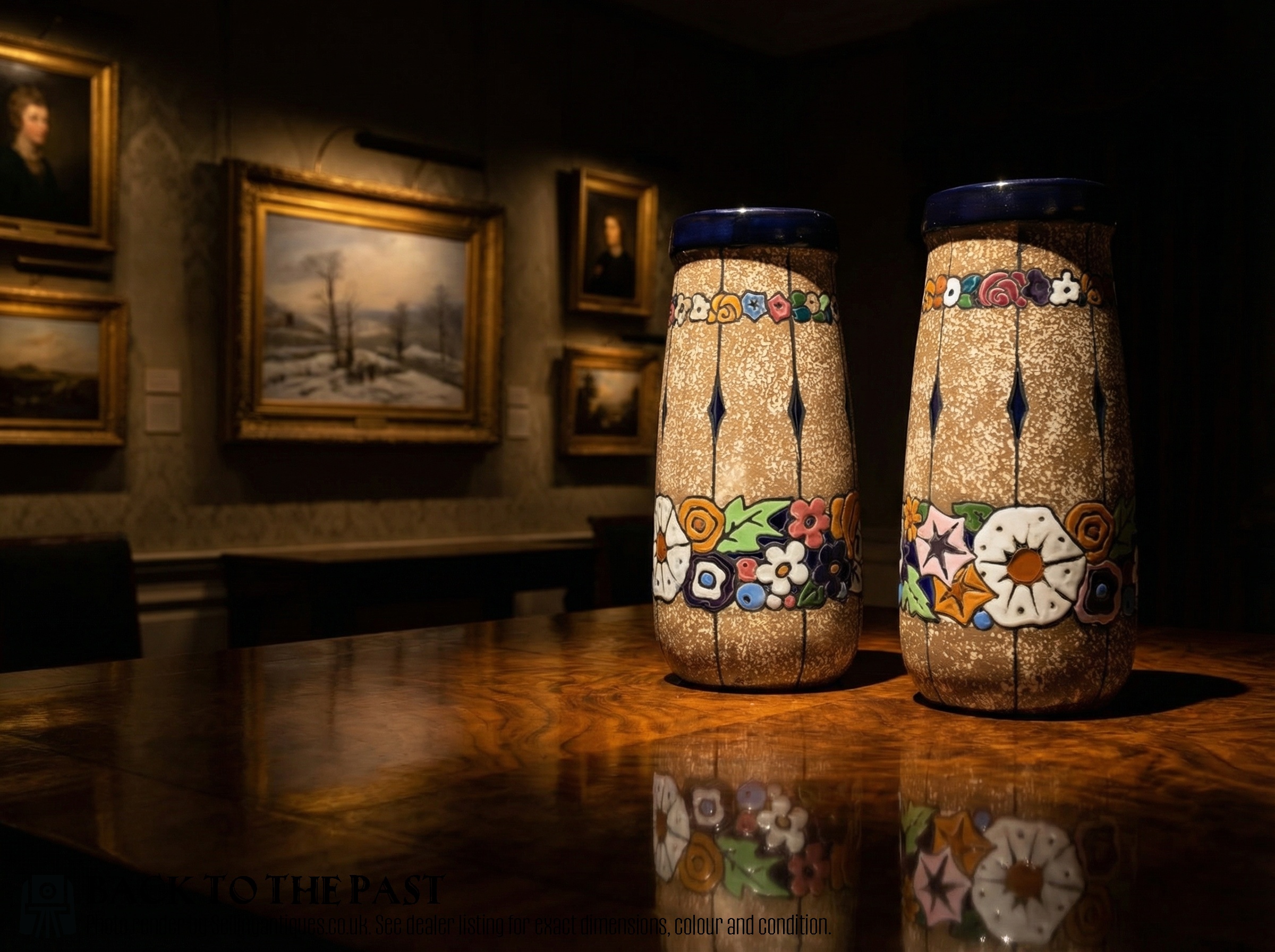
Amphora Pottery Vases
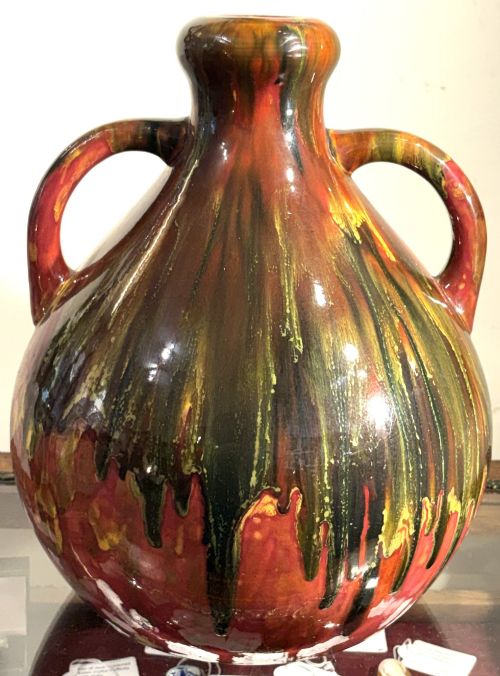
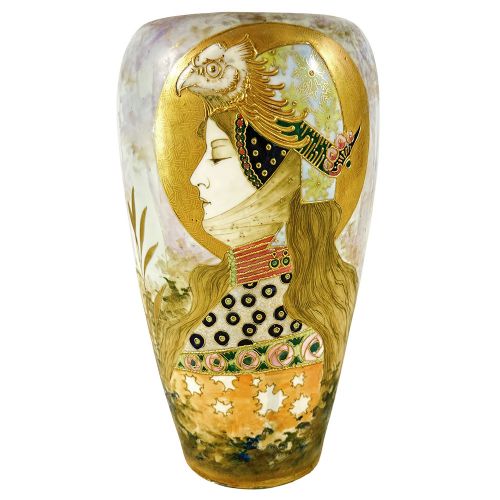
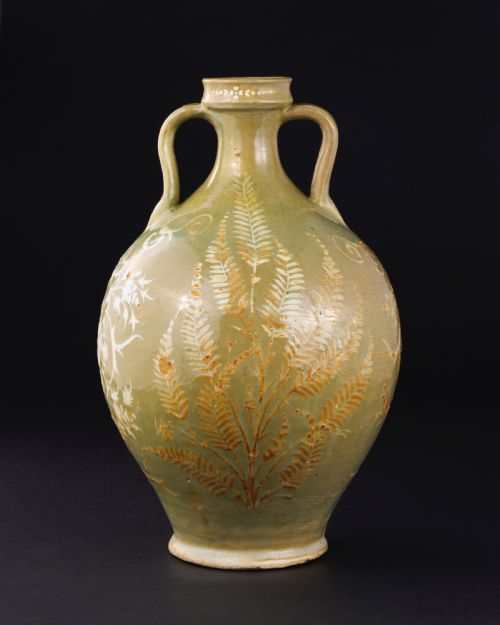
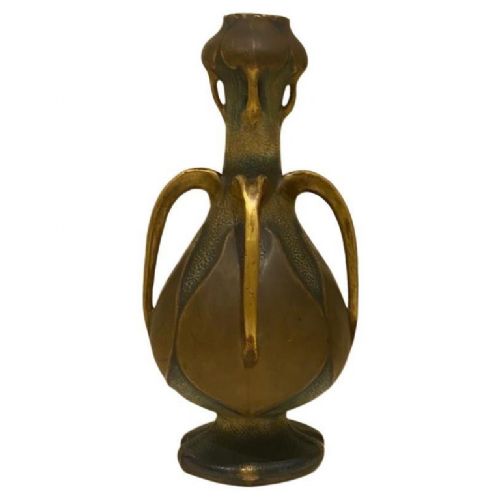
Amphora pottery vases encompass a diverse range of vessels, from monumental Austrian Art Nouveau creations to rustic nineteenth century olive jars and traditional Persian pottery. When searching for amphora pottery vases, collectors encounter forms that bridge classical vessel shapes with late nineteenth and early twentieth century artistic movements. The selection on this page includes large twin-handled pieces, ewers, and glazed vessels originating from British, Austrian, Persian, and Mediterranean makers.
Makers such as Reissner, Stellmacher and Kessel, Burmantofts, and Paul Dachsel defined the high art pottery aesthetic, while anonymous makers produced utilitarian terracotta storage pots. Styles span Victorian Art pottery, Moorish Revival, and Arts and Crafts, reflecting both industrial-era European design and traditional regional craftsmanship. Buyers find everything from delicate hand-painted cabinet pieces to heavy earthenware vessels intended for garden and interior display.
How they were made
Makers utilised earthenware, terracotta, and standard ceramic clay bodies as the foundation for these vessels, shaping them by hand or throwing them on a potter's wheel. Kiln firing fixed the form before artisans applied complex ceramic glazes, enamel, or occasionally gold leaf to the surface. These finishing techniques created the characteristic sheen and tactile depth observed across the periods.
Art Nouveau examples often incorporated hand-painted botanical motifs, whilst Austrian factory productions utilised specialised chemical glazes to achieve iridescent and metallic finishes. Mediterranean and Persian pieces relied on traditional glazing methods, sometimes leaving portions of the terracotta exposed to highlight the natural porous material beneath.
Some nineteenth century olive jars still carry the faint, dusty scent of the Mediterranean sun and centuries of oil transport.
What varies in quality
Quality in amphora pottery vases depends on the sophistication of the modelling, the precision of the hand-painted decoration, and the complexity of the glaze chemistry. Pieces bearing the distinct marks of known designers or reputable factories demonstrate superior artistic execution compared to standard utilitarian wares. The depth of the glaze application and the crispness of applied handles or relief details further separate ordinary production from exceptional studio output.
The integrity of the ceramic body and the preservation of delicate surface details such as gold leaf or enamel influence the desirability of a piece. Finer examples display meticulous attention to proportion and finish, whereas simpler rustic jars derive their appeal from age, weathering, and authentic utilitarian wear.
Burmantofts·Nicholas Kannhauser·Reissner Stellmacher and Kessel·Paul Dachsel
The Amphora Pottery Vases Glossary
- Earthenware
- Porous pottery fired at lower temperatures, commonly used for traditional amphora and terracotta storage vessels.
- Art Nouveau
- A decorative style characterised by fluid, organic lines and floral motifs, prevalent around nineteen hundred.
- Terracotta
- Unglazed or glazed fired clay of a brownish-red hue, utilised for Mediterranean and olive jars.
- Glaze
- A vitreous layer fused to pottery through firing, providing colour, decoration, and a waterproof seal.
- Ewer
- A large jug with a wide spout and handle, frequently produced in decorative ceramic forms during the nineteenth century.
Amphora Pottery Vases: Frequently Asked Questions
What defines an amphora vase?
An amphora vase typically adopts the classic two-handled shape of ancient storage vessels, though the term also refers to pieces produced by the turn of the century Austrian pottery works. These objects combine historical vessel silhouettes with contemporary nineteenth and twentieth century decorative styles.
Collectors look for distinctive manufacturing marks, studio signatures, and stylistic indicators such as Art Nouveau plant motifs to identify specific origins and periods.
How do I care for glazed ceramic vases?
Glazed ceramic and earthenware vases require gentle cleaning with a soft, dry cloth to remove dust and prevent surface abrasion. Avoid using harsh chemical cleaning products or abrasive brushes that might damage delicate enamel or gold leaf details.
Keep these vessels away from direct, prolonged sunlight and extreme temperature fluctuations to protect the ceramic body and prevent glaze crazing over time.
Are these pieces waterproof?
Many nineteenth and twentieth century art pottery vases were created primarily for decorative display rather than holding water. Placing liquid directly inside older earthenware or terracotta pieces can sometimes cause moisture seepage through the unglazed ceramic body.
Utilising a small glass or plastic liner inside the vessel protects the historic interior from water damage and mineral deposits while allowing fresh flowers to be displayed safely.
How can I tell the period of a vase?
Dating an amphora pottery vase involves examining the stylistic traits, such as flowing Art Nouveau lines or traditional Moorish Revival patterns, alongside the material composition. Factory stamps, impressed numbers, and handwritten signatures on the base provide definitive clues to the maker and manufacturing era.
Comparing the glaze type and clay body with documented examples from periods like the Edwardian era or the seventeenth century helps confirm authenticity and age.