


Bohemian Ceramic Art Pottery
These bohemian ceramic art pottery pieces bring flowing Art Nouveau lines and rich glazes into a room.
Bohemian Ceramic Art Pottery
When you search for bohemian ceramic art pottery, you enter a distinct world of sculptural forms spanning the late nineteenth and early twentieth centuries. The pieces collected under bohemian ceramic art pottery include monumental vases, decorative ewers, and elaborate figurative groups from notable central European kilns. Most examples encountered here date from around nineteen hundred, capturing the height of the international art movement.
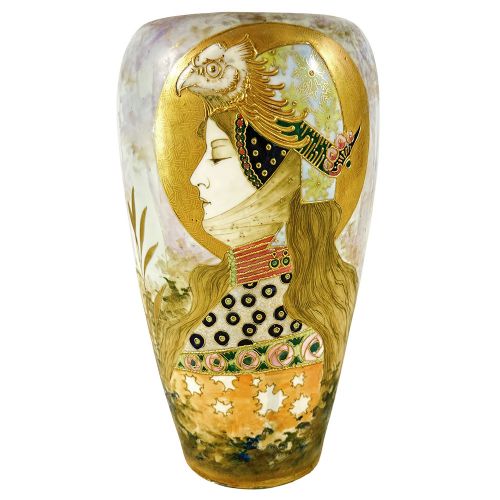
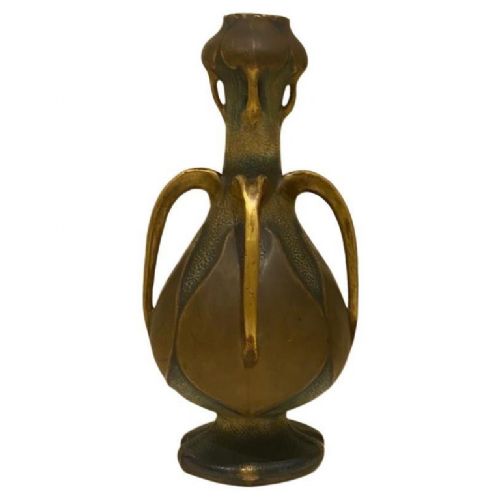
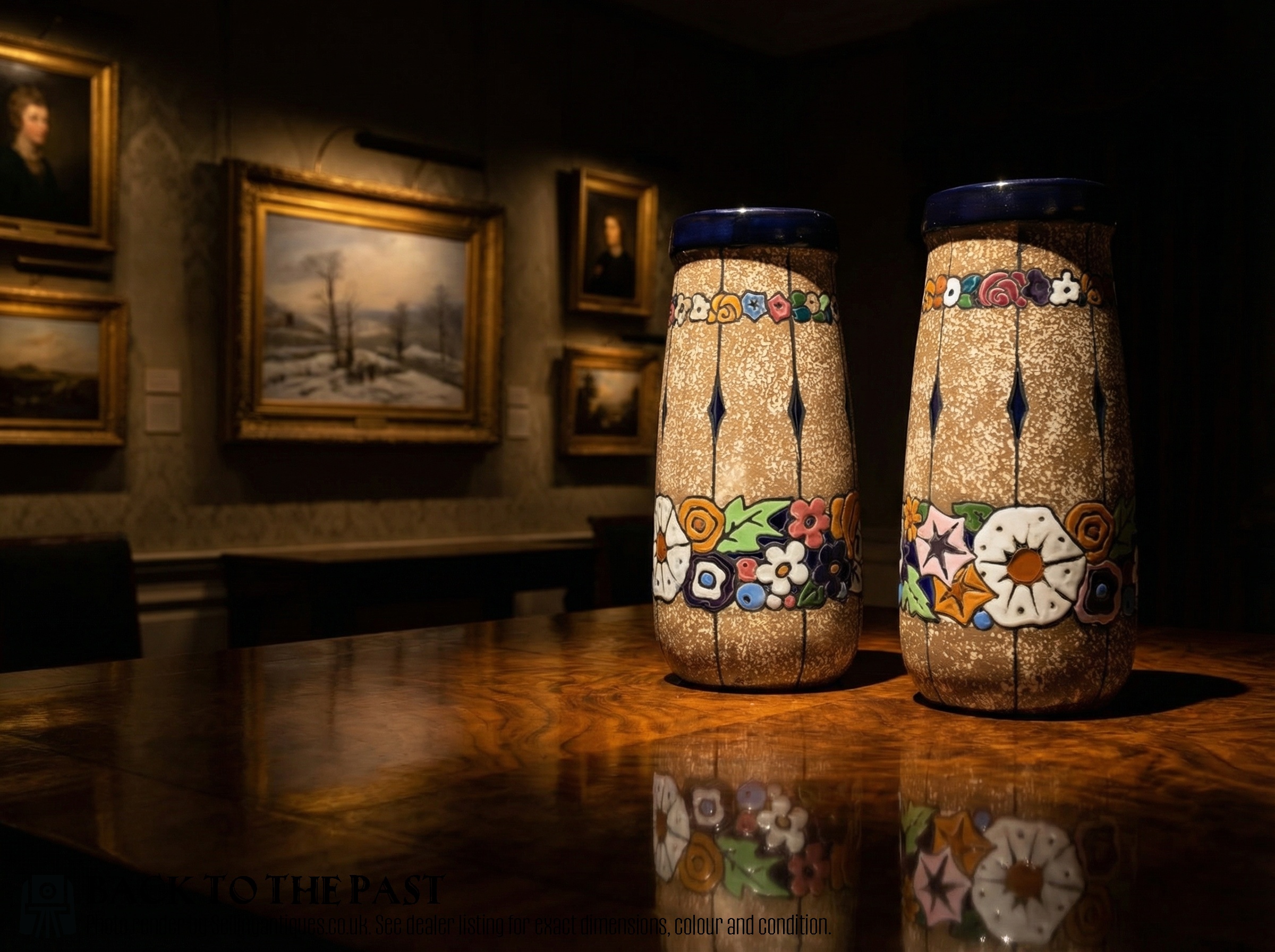
Vases and jardinieres dominate the selection, often taking organic shapes inspired by nature, water lilies, and classical mythology. Collectors find both large statement items and smaller spill vases reflecting the same sculptural ambition. The periods represented stretch from the late nineteenth century through the Edwardian era.
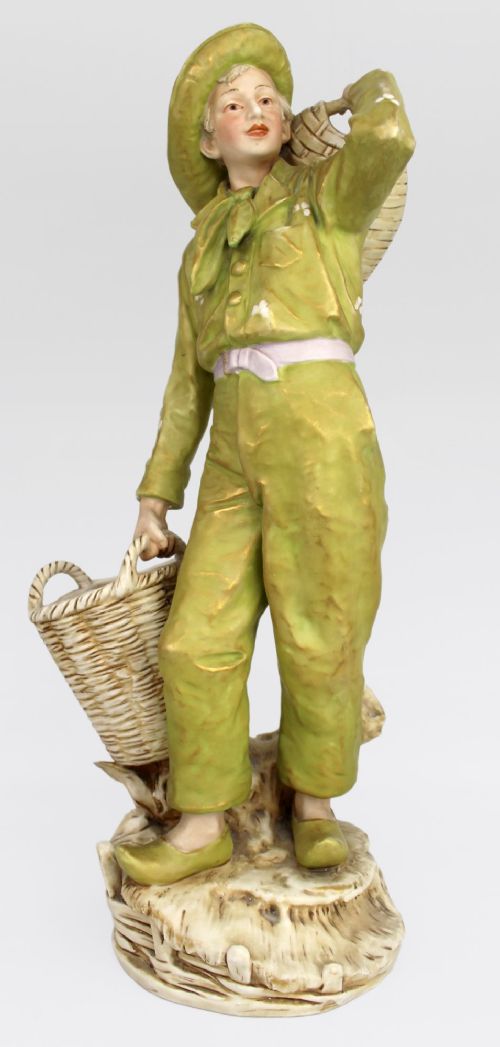
Figurines and sculptural groups form another substantial category within bohemian ceramic art pottery, showing remarkable detail in human and animal forms. Makers translated contemporary tastes into earthenware and porcelain with striking results. These works served as centrepieces in period drawing rooms and continue to command attention today.
How they were made
Potters shaped these works from earthenware, porcelain, terracotta, and ceramic bodies using intricate mould techniques and hand-modelling. The physical structure often combined flowing vegetal reliefs with smooth glazed surfaces.
Painters applied rich enamel colours and gilt highlights over the fired clay to accentuate the sculptural contours. Many pieces received meticulous hand-painted details that elevated standard ceramic production into high art.
Some nineteenth century water lily vases look ready to leap right off the mantelpiece and float away.
What varies in quality
The distinction between standard production and masterwork output lies in the ambition of the modelling and the finesse of the hand-finishing. Pieces designed by named modellers display greater anatomical precision and more dynamic interplay of form.
Application of gilding and enamel paint differs markedly across workshops, with superior examples exhibiting depth and careful shading. The crispness of the original moulding and the complexity of the glaze chemistry determine the overall impact of the piece.
Royal Dux Bohemia·Nicholas Kannhauser·Reissner Stellmacher and Kessel·H Schubert·Julius Dressler·Ernst Wahliss·Paul Dachsel
The Bohemian Ceramic Art Pottery Glossary
- Earthenware
- A porous pottery body fired at lower temperatures, commonly used for large decorative vases and jardinieres. It requires an impermeable glaze to hold water.
- Terracotta
- Unglazed or slip-coated fired clay with a warm reddish-brown tone, favoured for sculptural figurines and groups. It shows fine detail from the modelling process.
- Gilt
- A thin layer of gold applied to ceramic surfaces for ornamentation. It highlights raised motifs and rims on Art Nouveau vessels.
- Jardiniere
- A large ornamental pot or stand designed to hold growing plants. These often feature elaborate relief decoration suitable for interior display.
- Spill vase
- A small vessel designed to hold slender wooden matches used for lighting lamps and fires. They frequently take whimsical or floral forms.
Bohemian Ceramic Art Pottery: Frequently Asked Questions
How do I care for antique pottery?
Antique ceramics require gentle dusting with a dry, soft cloth to protect delicate gilt and painted enamel surfaces. Avoid using water or cleaning solutions, which can damage aged glazes.
Keep pieces away from direct sunlight and areas prone to heavy temperature fluctuations to prevent stress on the ceramic body.
Where were these pieces made?
These ceramics originated in the Bohemia region and surrounding areas of central Europe during the late nineteenth and early twentieth centuries. Prominent factories operated in towns known for rich clay deposits and skilled artisans.
Workshops in Austria and Bohemia exported these distinctive decorative items across Europe and beyond.
How do I identify a maker?
Makers usually marked their pieces with impressed numbers, factory stamps, or painted signatures on the base. Pink triangular triangles and monogram stamps are common on specific bohemian wares.
Matching model numbers in historical catalogues helps confirm the exact origin and production period.