

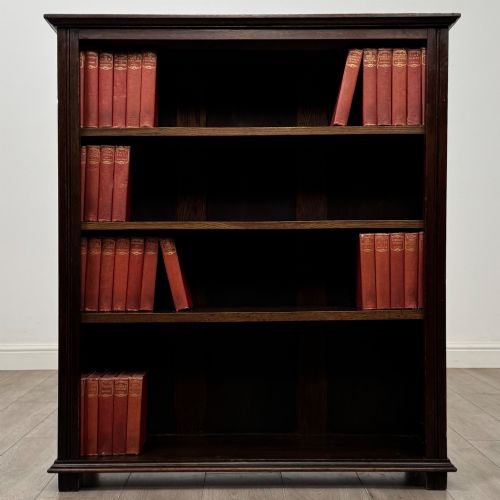
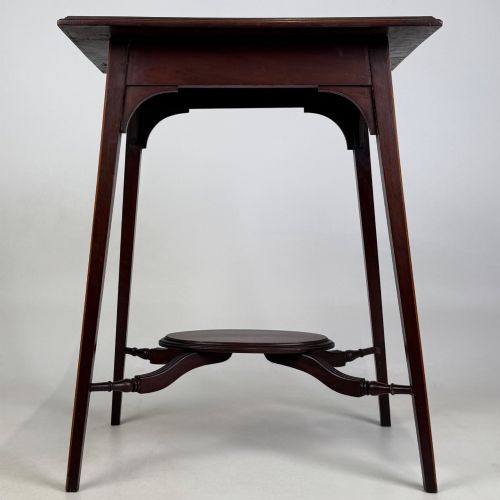
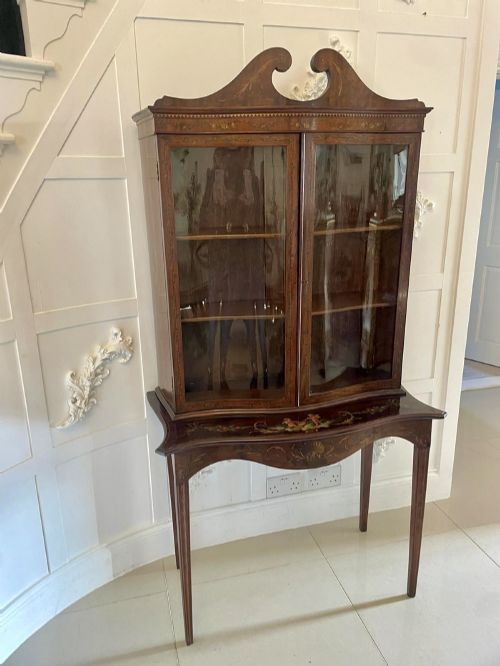
Edwardian Display Stand
An edwardian display stand brings lightness and deliberate proportion to a room, offering a considered stage for ceramics, glass or books.
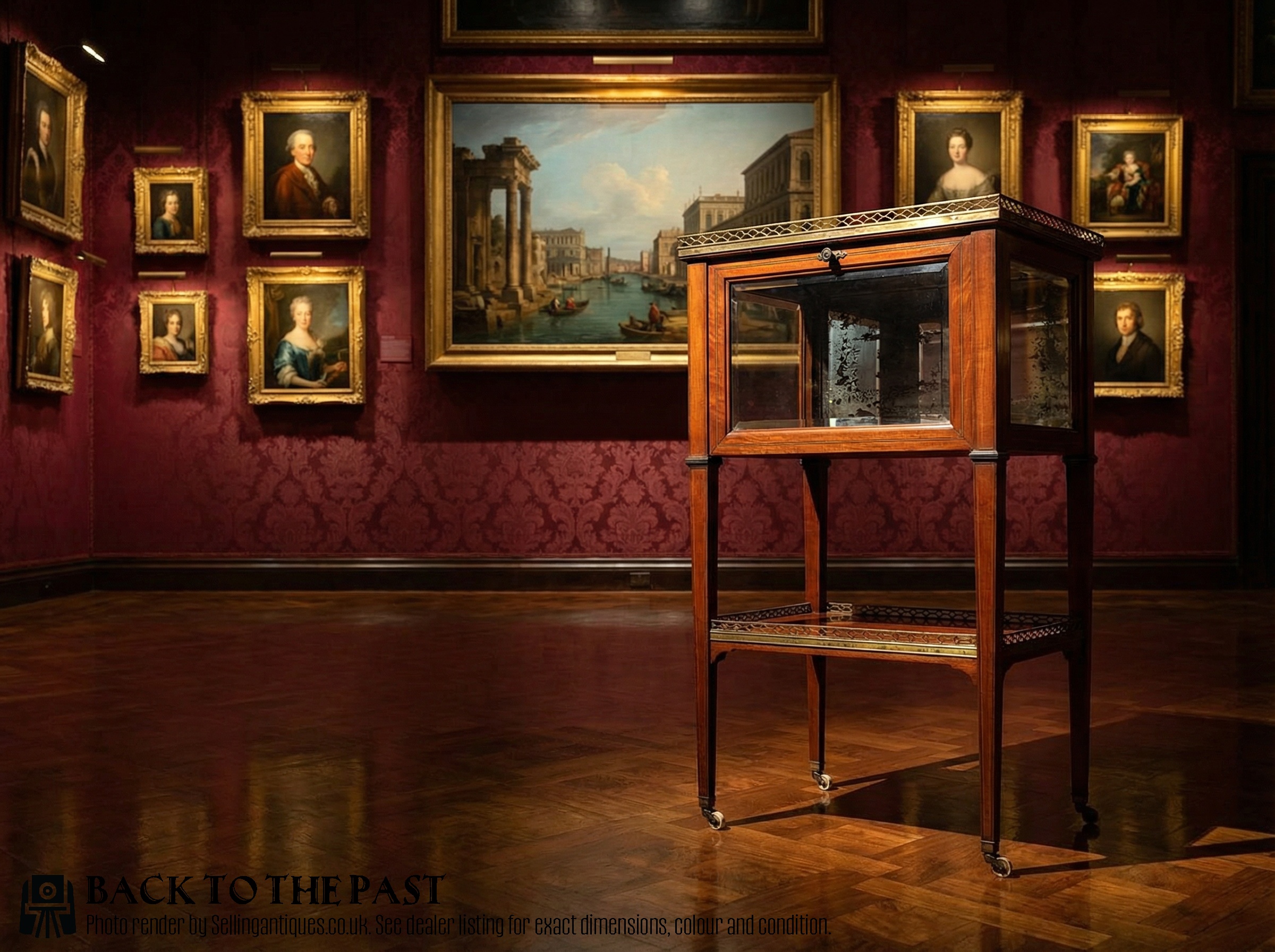
Edwardian Display Stand
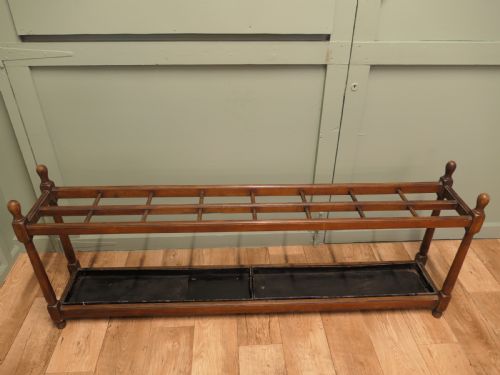
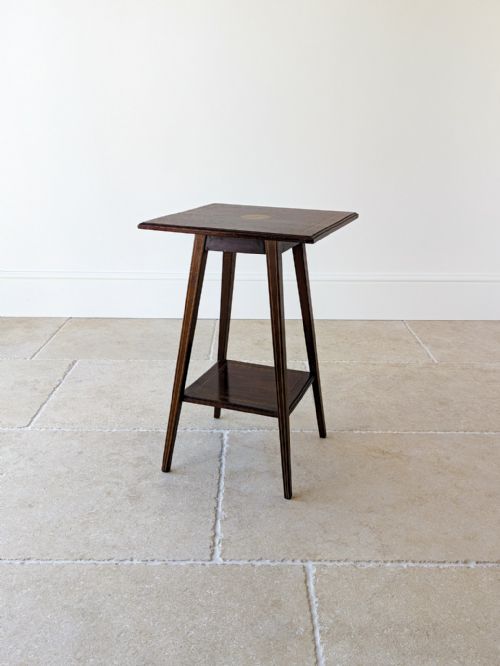
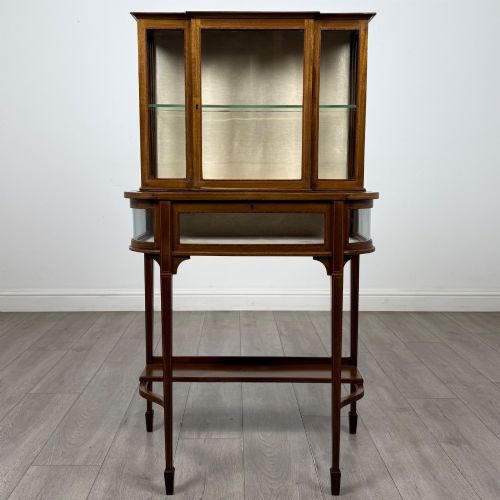
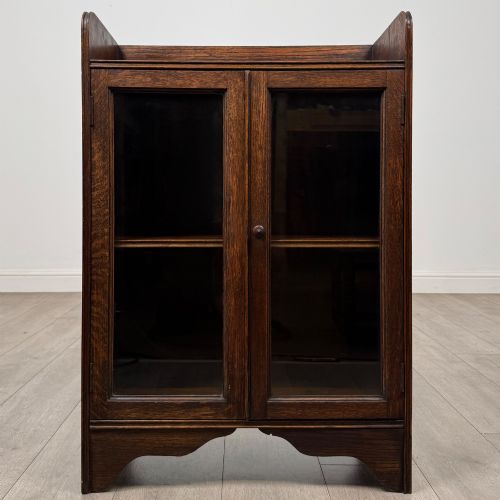
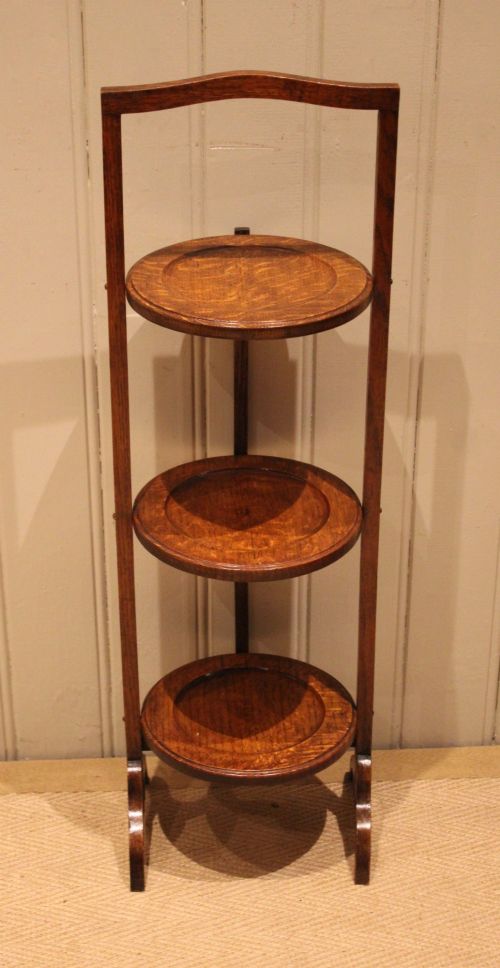
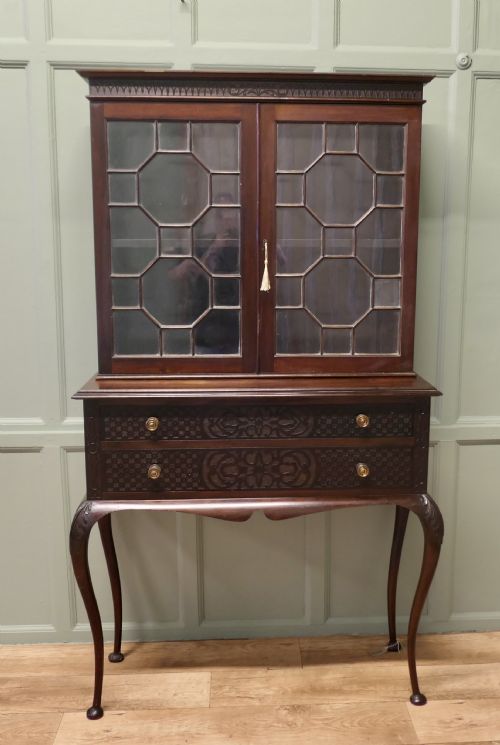
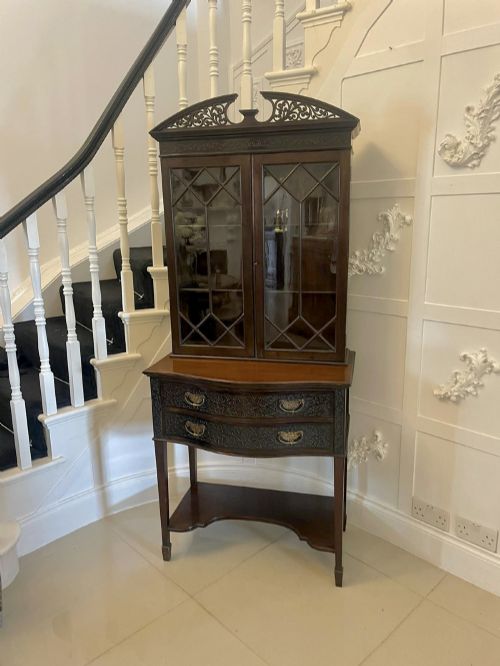
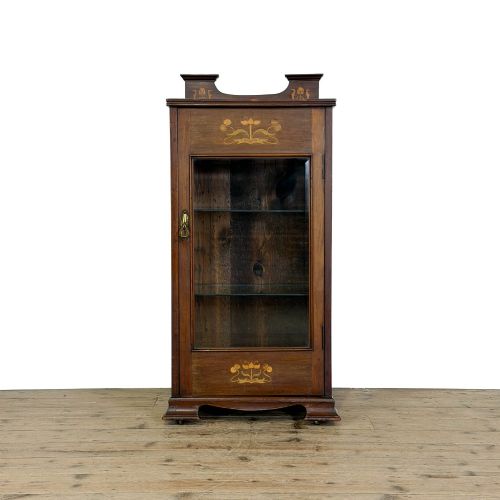
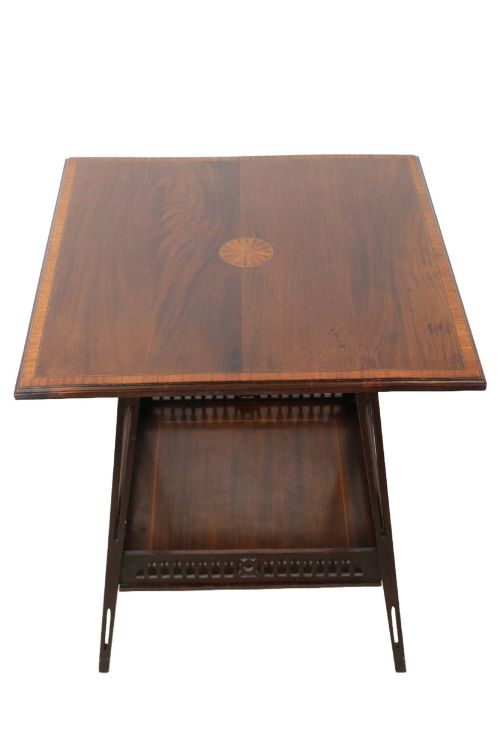
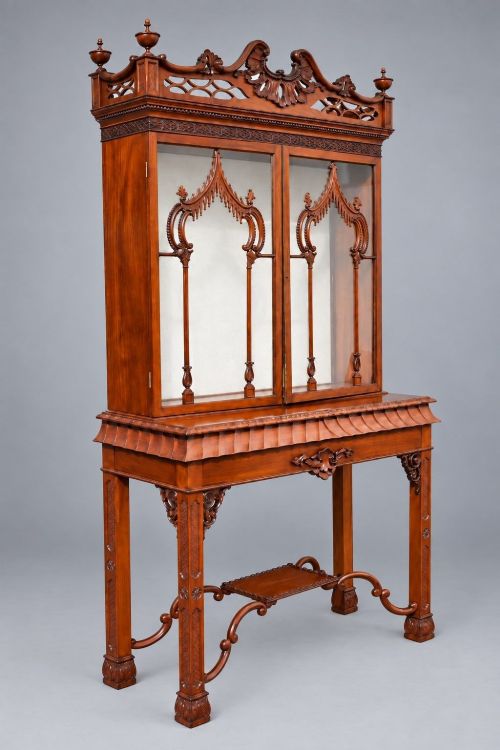
The edwardian display stand category spans upright glazed cabinets, open tier structures, and specialised display tables designed to showcase treasured possessions. Pieces range from slender satinwood plant pedestals and oak cake stands to comprehensive mahogany vitrines raised on dedicated stands.
While Edwardian examples dominate the selection, related forms cross into late Victorian and early twentieth-century periods, sharing the lighter timber profiles and refined joinery of the era. Makers utilised formats including corner cabinets, revolving bookcases, and multi-tiered étagères to suit varied domestic spaces.
The selection frequently includes Sheraton Revival and Arts and Crafts interpretations alongside standard Edwardian designs. These pieces balance utilitarian storage or support with decorative presence, using glass doors and open shelving to present objects clearly.
Materials and Construction
Makers relied primarily on mahogany and oak as structural timbers, often enhanced with satinwood bandings, wood inlay, and marquetry details. Brass hardware, including castors and handles, complemented the timber frames, while glazed doors utilised astragal bars to segment the view.
Cabinetmakers applied traditional joinery techniques to ensure stability in tall or multi-tiered formats such as étagères and cake stands. Surfaces received polished finishes that highlighted the natural grain of the wood, sometimes accompanied by painted decoration or fabric-lined interiors.
Several stands double as postcard displays, ready for an Edwardian correspondence collection.
Design and Execution
Quality separates standard utility pieces from fine cabinetwork through the precision of timber selection and the restraint of decorative inlay. Finer examples display continuous grain matching, delicate satinwood banding, and well-proportioned architectural cornices rather than heavy, repetitive mouldings.
The refinement of structural elements, such as turned legs, brass castors, and hand-fitted glass glazing bars, dictates the overall stature of the stand. Maker attribution, through stamps or known regional signatures, further distinguishes exceptional pieces from standard workshop output.
Trevor Page Co·Maples
The Edwardian Display Stand Glossary
- Astragal glazed
- A method of securing small panes of glass within a framework of wooden bars called muntins or astragals. This technique creates a grid pattern typical of refined display cabinets.
- Étagère
- A piece of furniture consisting of a set of open shelves for displaying small objects or ornaments. These tiered stands provide multiple levels of visibility.
- Bijouterie table
- A glass-topped table or cabinet designed specifically for displaying small valuable items, jewellery, or curiosities. They often feature hinged lids for easy access to the interior.
Edwardian Display Stand: Frequently Asked Questions
What is an edwardian display stand used for?
These stands were originally designed to exhibit ornaments, ceramics, postcards, or prized collections within domestic and commercial settings. Their transparent glazing or open tiers allowed owners to view items while protecting them from dust.
Today, they serve a similar purpose in modern interiors, functioning as focal points for curated objects or books. The varied formats, from plant pedestals to corner cabinets, suit different spatial requirements.
How do I identify an edwardian piece?
Edwardian furniture generally exhibits lighter proportions and brighter timber tones compared to heavy Victorian designs. Common indicators include satinwood inlay, tapered legs, and restrained neoclassical revival motifs.
Construction details such as machine-sawn timber combined with hand-finishing point to the early twentieth-century manufacturing era. Comparing the hardware and secondary woods helps confirm the period.
Where should I place a display stand?
Upright cabinets and corner stands work best against neutral walls where their timber grain and glazed panels can be appreciated without visual clutter. Taller vitrines require stable, level flooring to ensure doors hang correctly.
Open tier stands and étagères suit living spaces or hallways as freestanding elements. Direct sunlight should be avoided to protect both the timber finish and the displayed items.
Are these stands suitable for small rooms?
Many Edwardian designs were conceived for compact urban homes, utilising slender profiles and vertical space efficiently. Corner cabinets and narrow plant stands occupy minimal floor area while offering storage.
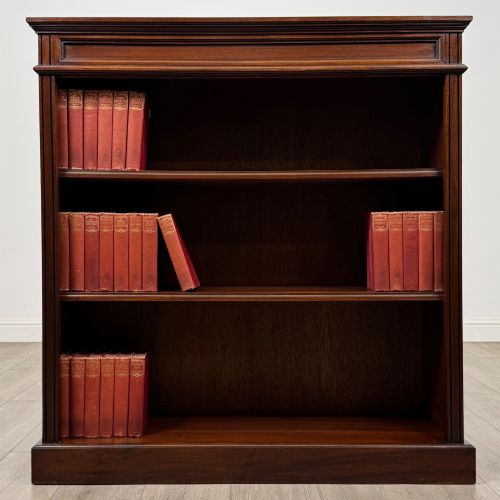
Open bookcases and low side tables also prevent rooms from feeling crowded. Glass panels on cabinets further enhance the sense of space by reflecting light.