


Glazed Pedestal Cabinet
A glazed pedestal cabinet brings height and elegance to a room while displaying treasured objects behind clear glass.
Glazed Pedestal Cabinet
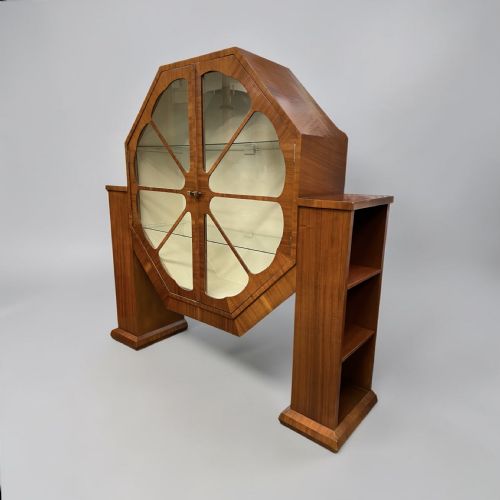
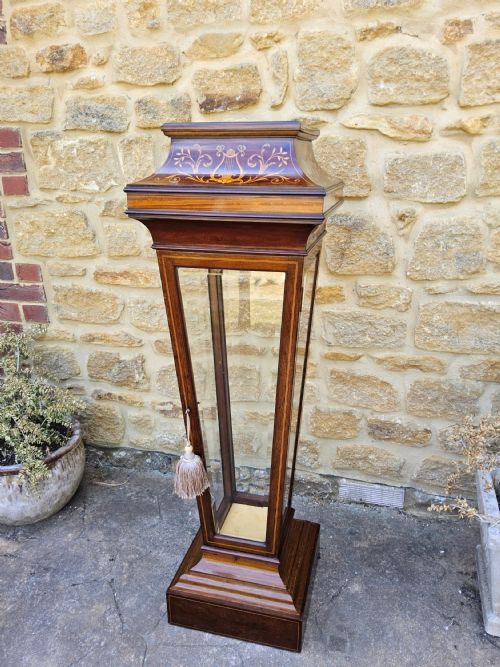
A glazed pedestal cabinet offers a slender footprint designed to elevate decorative items and books within interior spaces. When you search for a glazed pedestal cabinet, you encounter refined forms from the nineteenth century, Edwardian era, and the nineteen-thirties.
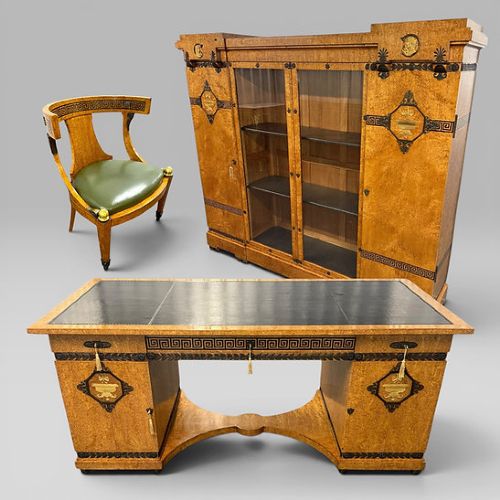
The selections span distinct stylistic traditions including Edwardian, Art Nouveau, Art Deco, and French Neoclassical. Mahogany forms the backbone of these pieces, alongside satinwood, walnut, giltwood, and bronze mounts.
Materials and construction
Cabinet makers relied on rich timbers such as mahogany and satinwood for the structural carcasses, frequently employing delicate inlaid details to define the panels. Glass provides the primary viewing medium for the display sections, framed in timber or cylindrical brass settings.
Metal elements including brass and bronze appear as structural accents and mounts, while secondary materials like leather and fabric line the interior surfaces or writing components.
One extraordinary nineteenth-century piece combines display glass with a Brazilian butterfly table.
Assessing quality and finish
Quality rests upon the selection of timber veneers and the precision of the inlay work, where finer pieces display intricate floral or geometric patterns. The integration of curved or cylindrical glass panes demands superior glass-making skill compared to flat panel construction.
The refinement of cast bronze or brass mounts and the fluidity of carved details separate standard production from exceptional examples. Cabinet proportion and the seamless operation of doors and drawers indicate the maker's original standard of execution.
Mercier Frères
The Glazed Pedestal Cabinet Glossary
- Pedestal cabinet
- A freestanding piece of furniture elevated on a pillar or base, designed for display or storage. These cabinets maximise vertical space in compact rooms.
- Vitrine
- A glass-fronted cabinet or display case specifically built for showing porcelain, curiosities, or books. The term originates from the French word for glass.
- Inlay
- A decorative technique where contrasting timbers or materials are inserted into recessed portions of the base wood. Edwardian makers utilised this method extensively on mahogany surfaces.
- Cylindrical
- Having the shape of a cylinder, featuring curved glass or timber elements that create a rounded profile. This form requires specialist carpentry to execute properly.
Glazed Pedestal Cabinet: Frequently Asked Questions
What is a glazed pedestal cabinet?
A glazed pedestal cabinet is a tall, narrow piece of furniture featuring glass panels designed to showcase objects from multiple angles while occupying minimal floor space.
These pieces combine display capabilities with structural height, making them suitable for smaller corners or specific focal points in a room.
How do I date a cabinet?
Dating relies on identifying the prevailing design style, timber choice, and construction methods used by the maker. Edwardian pieces often feature fine mahogany inlay, whilst nineteenth-century examples may display heavier neoclassical forms or giltwood finishes.
Comparing hardware, glass clarity, and secondary woods helps narrow the production era to specific decades like nineteen hundred or the nineteen-thirties.
Where should I place it?
These cabinets suit drawing rooms, studies, or hallways where vertical display space enhances the interior without crowding the room. Their slender proportions allow them to fit between doorways or windows.
Position the piece away from direct sunlight to protect interior contents and sensitive timbers like mahogany and satinwood.
What items go inside?
Owners traditionally use these cabinets for displaying porcelain, glassware, small sculptures, or valuable books. The glass doors protect delicate objects from dust while maintaining high visibility.
Lined shelves in fabric or wood provide a stable surface for arranging curated collections.