
Brown Mahogany Display Case
A brown mahogany display case brings warmth and polished glass together to hold cherished collections.
Brown Mahogany Display Case
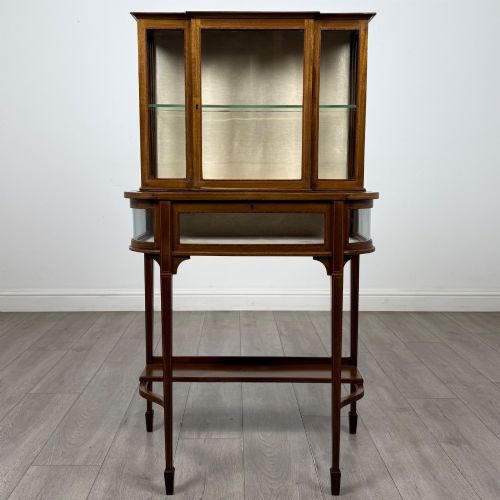
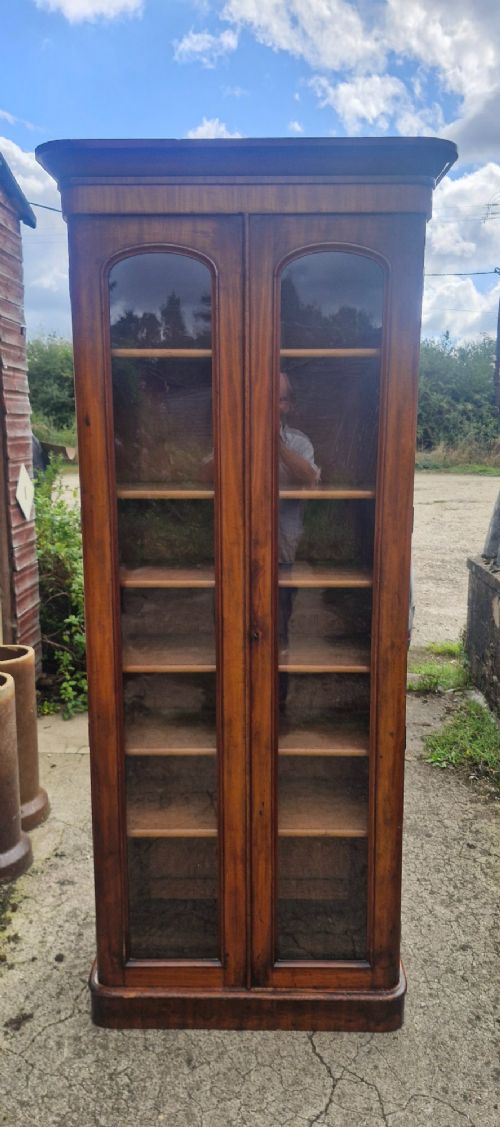
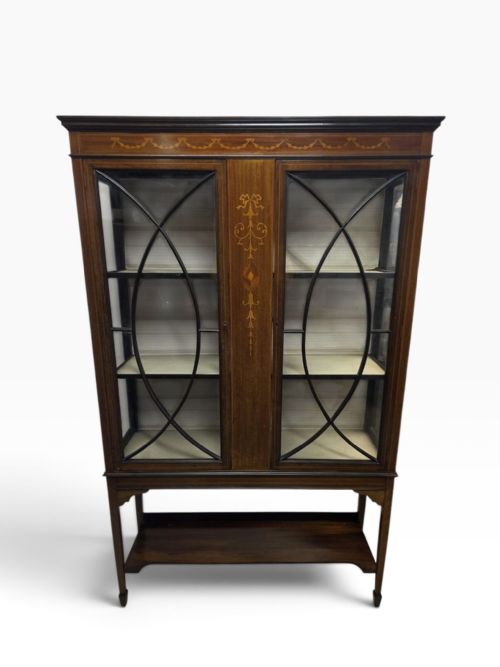
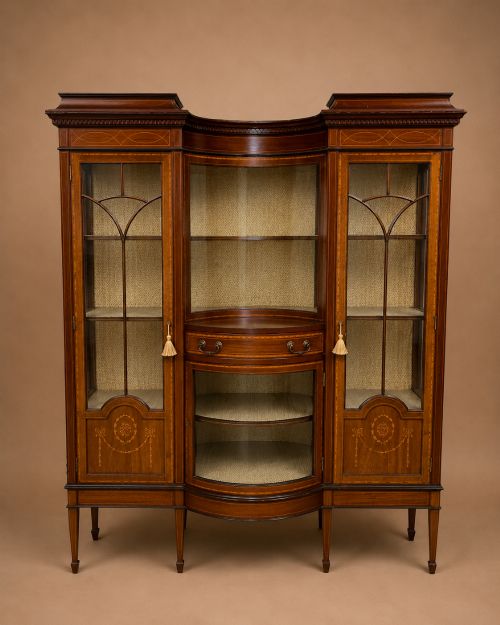
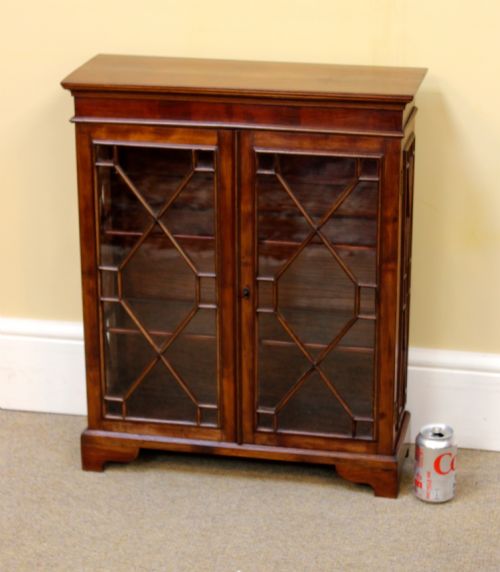
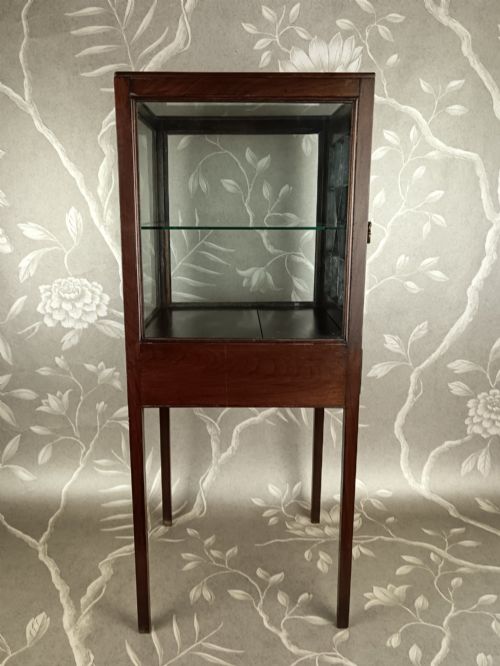
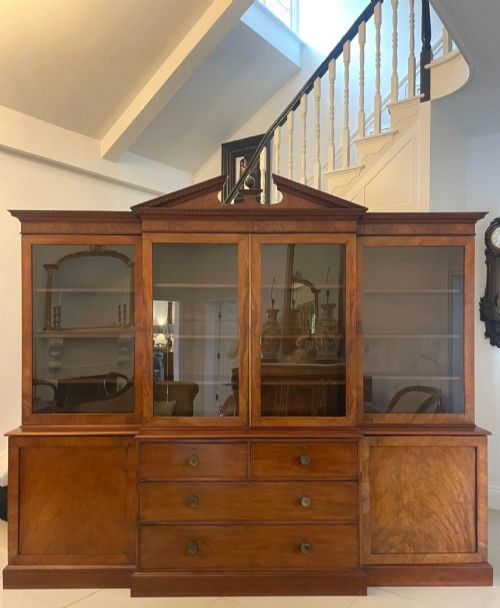
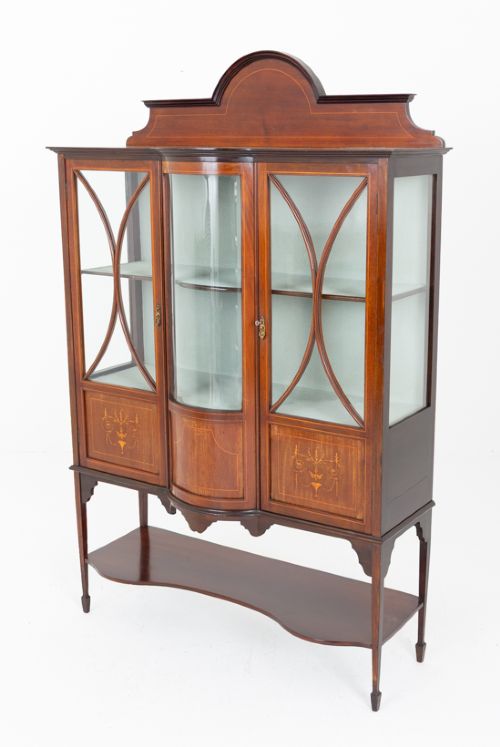
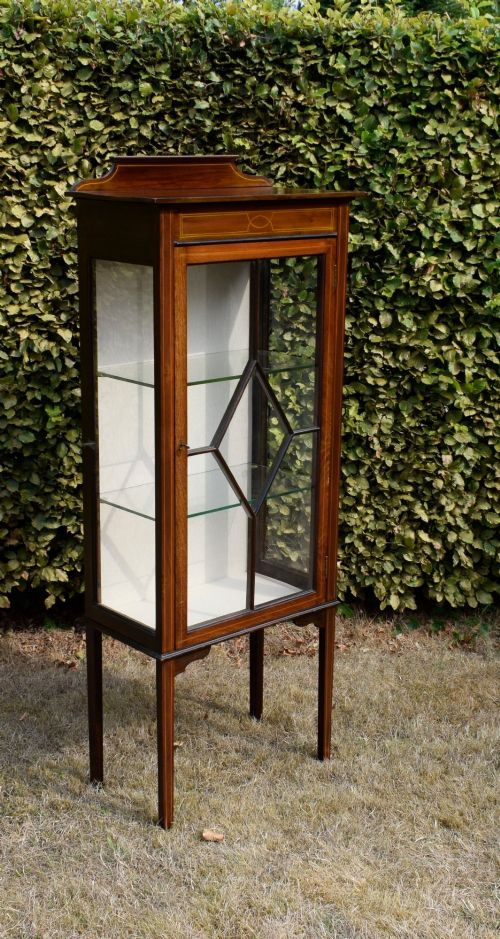
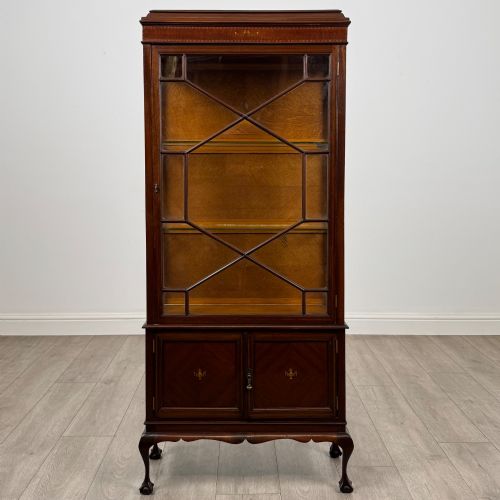
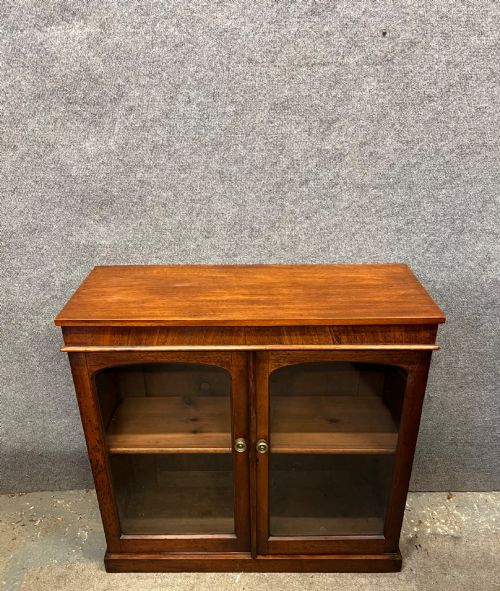
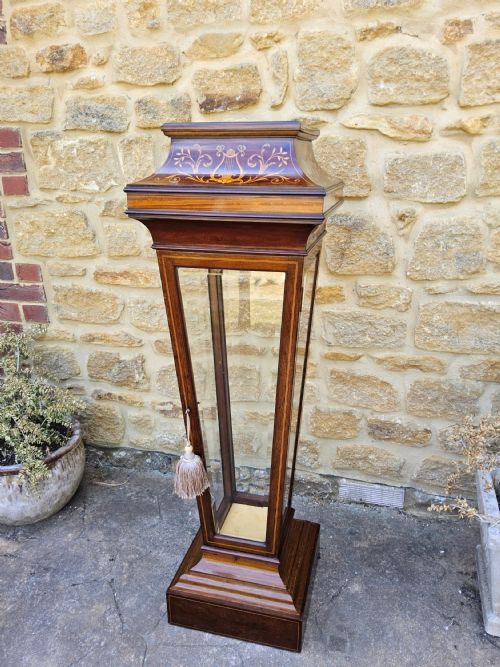
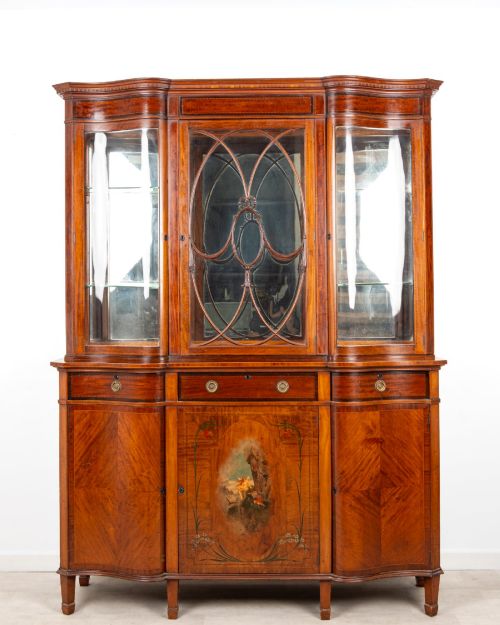
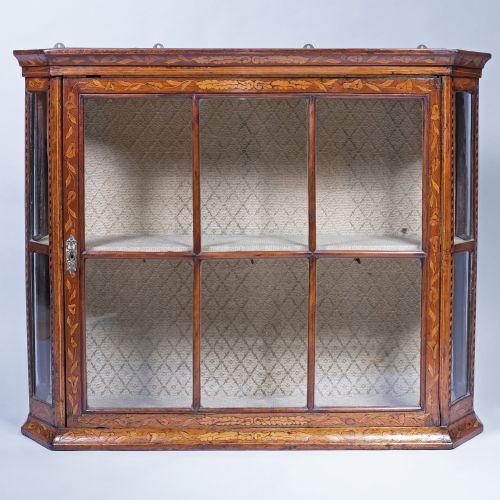
A brown mahogany display case encompasses tall breakfront bookcases, slender corner cabinets, and delicate glazed vitrines intended to protect precious items while keeping them visible. When searching for a brown mahogany display case, a buyer meets pieces originating predominantly from the Georgian, Victorian, and Edwardian periods.
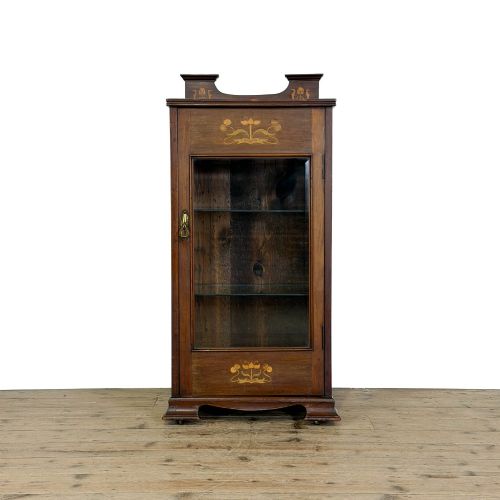
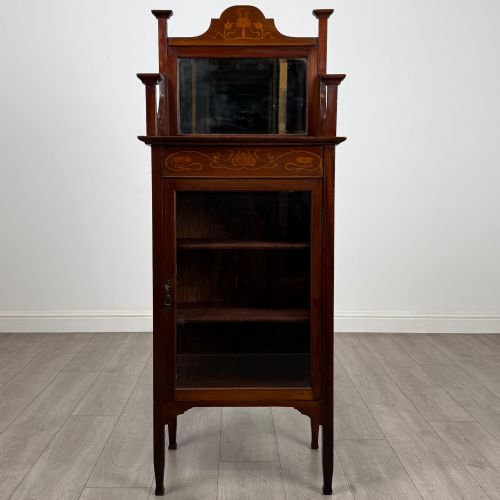
The selection ranges from large floor-standing library cabinets to intimate wall-hung boxes and table-top bijouterie cases. Edwardian examples often feature delicate inlaid woodwork, whereas Georgian versions lean towards architectural proportions and deep timber tones.
How they were made
Cabinet makers utilised dense, rich mahogany for structural frames and door surrounds, frequently selecting timber with fine grain patterns. Glass panels are fitted into wooden glazing bars or secured with brass mounts to form the viewing doors.
Many Edwardian and late nineteenth-century pieces incorporate lighter satinwood inlay to create decorative contrast against the dark mahogany body. Interior surfaces are occasionally lined with fabric, velvet, or fitted with mirrored backs to enhance the reflection of light.
Listings feature mahogany, glass, brass, satinwood, fabric, velvet, and mirror across Georgian, Victorian, and Edwardian periods.
What varies in quality
The grade of a brown mahogany display case rests upon the selection of timber figures, the crispness of any inlaid motifs, and the overall balance of proportion. Superior pieces display thoughtful detailing such as serpentine fronts, hand-bevelled glass, and finely cast brass hardware.
Simpler workshop output relies on plain timber surfaces and straightforward joinery without decorative marquetry. The delicacy of the glazing bars and the integration of painted decoration or gilt metal mounts signal higher tier craftsmanship.
Maple and Co
The Brown Mahogany Display Case Glossary
- Vitrine
- A glass-fronted display cabinet designed specifically for showing porcelain, curiosities, or fine objects. These cases often feature glazed sides to maximise light exposure.
- Bijouterie table
- A glass-topped table or cabinet built to display small portable valuables, jewellery, and trinkets. They frequently sit on slender legs with hinged lids.
- Breakfront
- A piece of furniture whose central section projects forward from the flanking wings. This architectural arrangement creates depth and shadow in larger cabinets.
- Satinwood inlay
- A decorative technique where contrasting light-coloured timber is set into recesses within the darker mahogany surface. It forms geometric lines, swags, or floral patterns.
- Glazing bars
- The wooden strips that hold individual panes of glass within a cabinet door. Finer cabinets possess slimmer, more delicate bars.
Brown Mahogany Display Case: Frequently Asked Questions
How do I clean the glass safely?
Use a soft microfibre cloth and a mild glass cleaning solution applied directly to the cloth rather than the wood. Avoid letting moisture touch the mahogany finish.
Ensure no liquid seeps into the joints of the glazing bars, as dampness can lift old finishes or damage interior fabric linings.
Are shelves adjustable in older cabinets?
Many Victorian and Edwardian cabinets include adjustable wooden or glass shelves supported on rack-and-pinion or metal bracket systems. Georgian and earlier pieces often feature fixed wooden shelving.
Check the interior supports to see if the height can be altered to accommodate taller books or ceramic pieces.
Where should I place a display case?
Position your cabinet away from direct sunlight to prevent the rich brown mahogany tones from fading and to protect sensitive interior textiles. Maintain a stable room temperature to keep the timber from drying out.
Keep cases out of high-traffic hallways where doors or fragile glass panels might suffer accidental knocks.
How do I distinguish Edwardian from Georgian cabinets?
Edwardian cases frequently display lighter satinwood inlay, painted neoclassical details, and slender proportions influenced by Sheraton Revival styles. Georgian examples prioritize heavier architectural cornices, solid proportions, and natural timber figuring without surface embellishments.
Examining the construction methods inside drawers and back panels helps confirm the manufacturing era.