
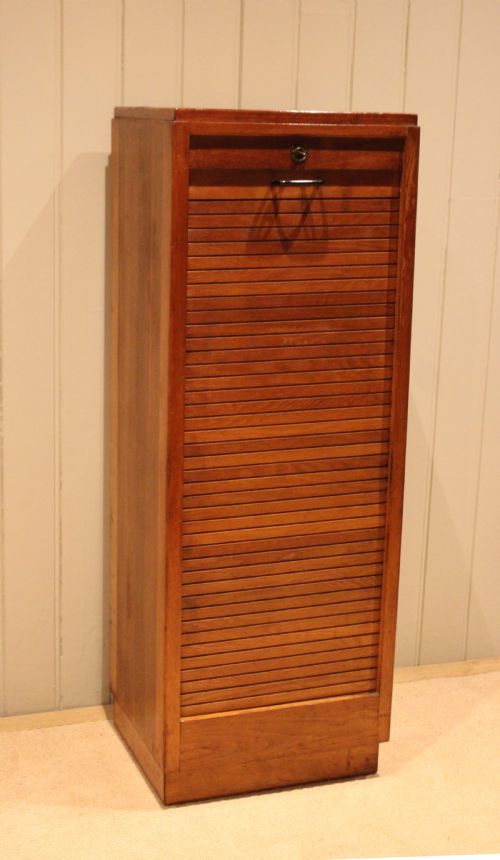


Edwardian Column Cabinet
These edwardian column cabinet pieces combine period practicality with fine timber craftsmanship, offering versatile storage for the modern home.
Edwardian Column Cabinet
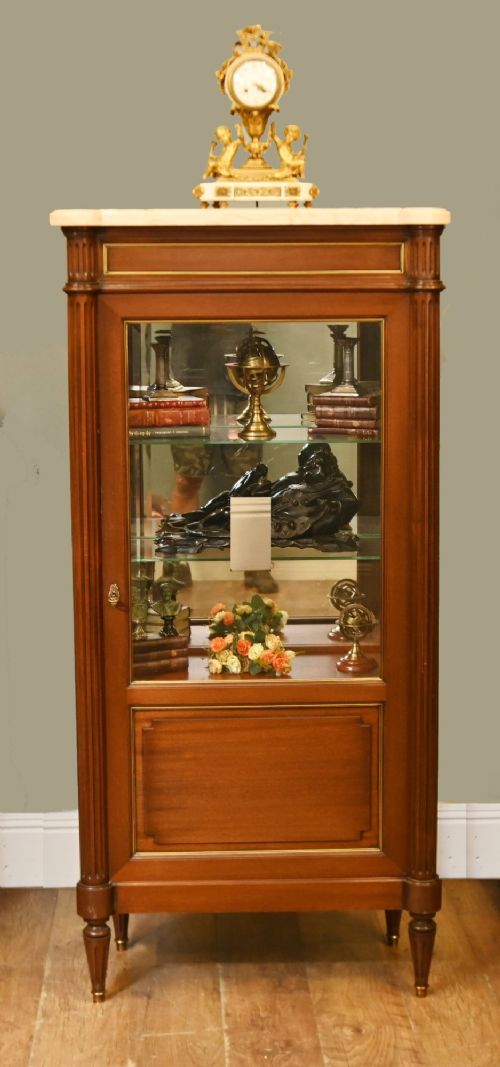
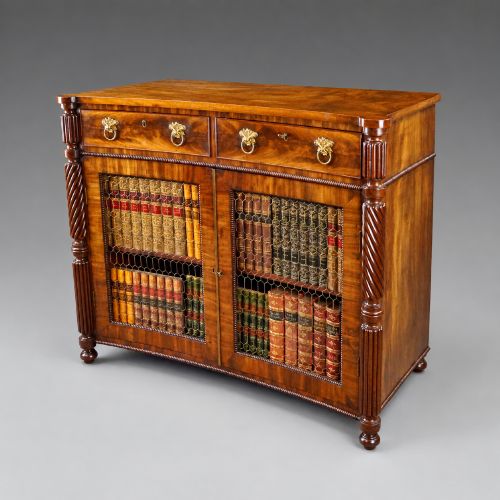
An edwardian column cabinet brings structured storage to a room through upright forms, appearing alongside related filing cabinets, display cabinets, bookcases, side cabinets, credenzas, and whatnots in the listings. These tall forms provide vertical organisation without dominating the floor space, making them practical for tighter corners or hallways.
The pieces seen on this page span several stylistic influences and periods, running from 1800 and the 19th Century through Victorian, Edwardian, and up to 1940 examples. The materials range across mahogany, oak, burr walnut, satinwood, glass, and brass hardware, reflecting the diverse tastes of their original makers.
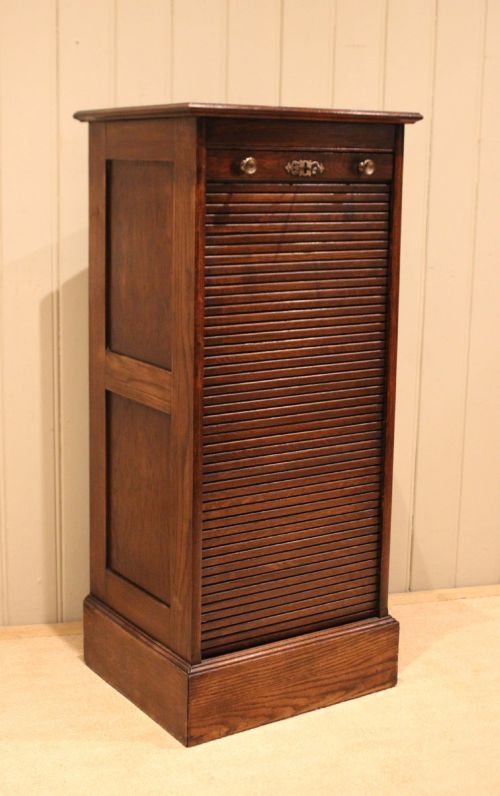
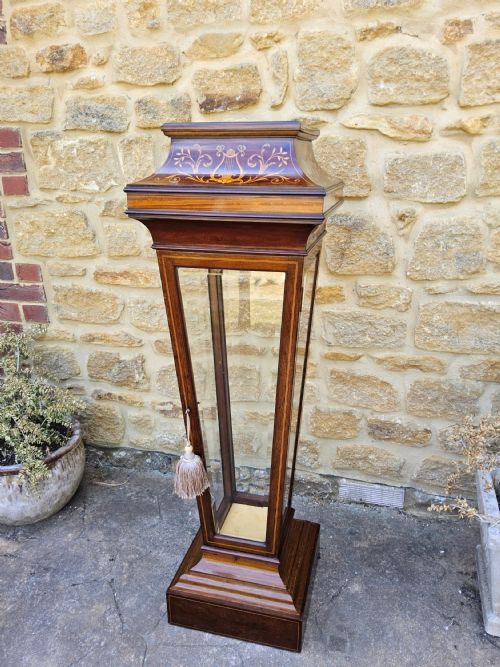
Buyers seeking an edwardian column cabinet will encounter various functional adaptations, such as tambour fronts, glazed display doors, and pedestal proportions. While strict Edwardian dates feature heavily, pieces bearing William IV, Regency, and Jacobean Revival styles also populate the wider selection.
How they were made
Cabinet makers relied primarily on solid mahogany and oak as structural timbers, frequently applying finer veneers like burr walnut and satinwood to primary visual surfaces. These woods were chosen for their durability and grain patterns, which responded well to hand-polishing.
Construction techniques involved traditional joinery methods, complemented by brass fittings for handles, hinges, and locks. Glazed doors and tambour mechanisms required precise carpentry to ensure smooth daily operation across the decades.
Listings feature items spanning the 19th Century, Victorian, Edwardian, and 1940 periods, constructed in mahogany, oak, burr walnut, and satinwood.
What varies in quality
Quality rests in the selection of timber figure and the restraint of the inlay work, where balanced grain patterns elevate a piece above standard utility items. The crispness of carved details and the integration of brass mounts further distinguish finer examples.
Structural integrity depends on the precision of the joinery and the smooth movement of functional elements like tambour fronts or drawers. Pieces that retain their original polished finish and sound hardware demonstrate superior original construction.
The Edwardian Column Cabinet Glossary
- Tambour
- A flexible sliding door made from narrow strips of wood glued to canvas backing. This mechanism allows access to contents in confined spaces.
- Whatnot
- A multi-shelved piece of furniture designed for displaying ornaments or holding books. It typically uses slender vertical supports.
- Pedestal
- A structural support base or a standalone column-like piece of furniture. It elevates display surfaces or filing compartments.
- Breakfront
- A piece of furniture whose central section projects forward from the flanking wings. This creates architectural depth and visual variety.
Edwardian Column Cabinet: Frequently Asked Questions
What is an edwardian column cabinet?
It is an upright storage piece dating from the early twentieth century or related revival periods. These items offer vertical shelving or filing space within domestic interiors.
They combine practical timber construction with decorative detailing suited to period hallways, studies, or living rooms.
How were tambour cabinets used?
Tambour cabinets provided secure storage for documents, files, or household items while saving floor space. The slatted sliding door vanished into the cabinet frame when opened.
This mechanism made them popular in offices and libraries where hinged doors would obstruct narrow walkways.
How do I identify Edwardian furniture?
Edwardian pieces often feature lighter mahogany or satinwood timbers with subtle inlay work. The style draws inspiration from earlier Georgian and Regency designs but uses simpler proportions.
Construction from this era frequently incorporates machine assistance alongside traditional hand joinery, reflecting the manufacturing standards of the time.
Where should I place a display cabinet?
Display cabinets suit rooms with good natural light where glazed doors can protect collections from dust. They work well against flat wall spaces in dining rooms or drawing rooms.
Ensure the floor is level so that doors and tambour tracks operate smoothly without binding.