
Antique Picture Easel
An antique picture easel holds and elevates works on paper or small paintings, bringing function and period character to a tabletop.
Antique Picture Easel
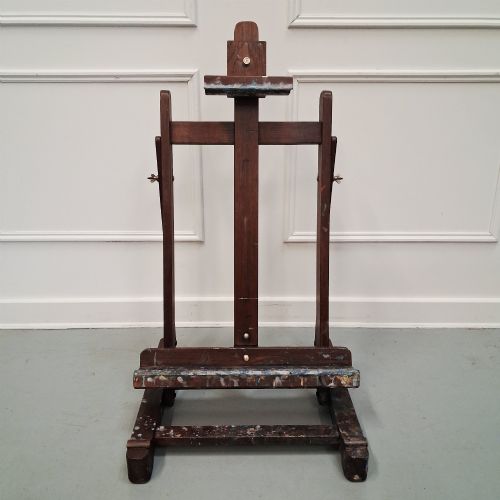
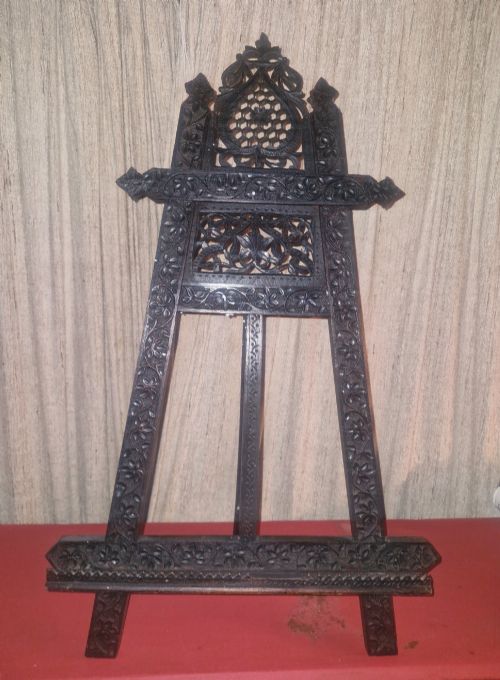
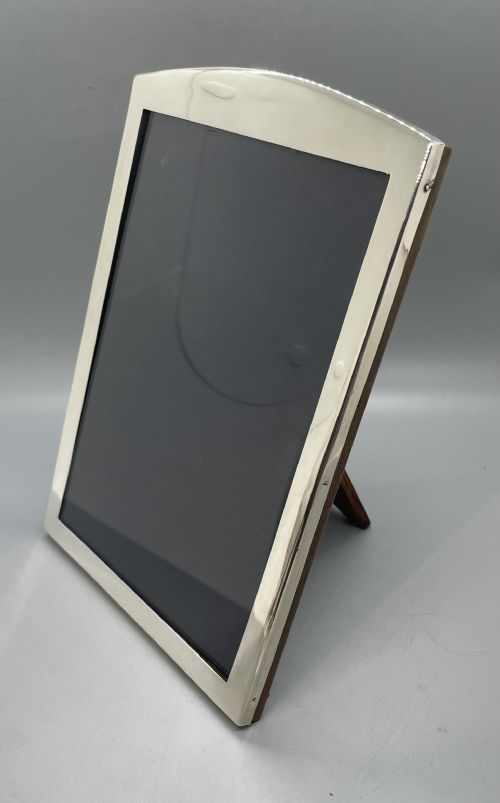
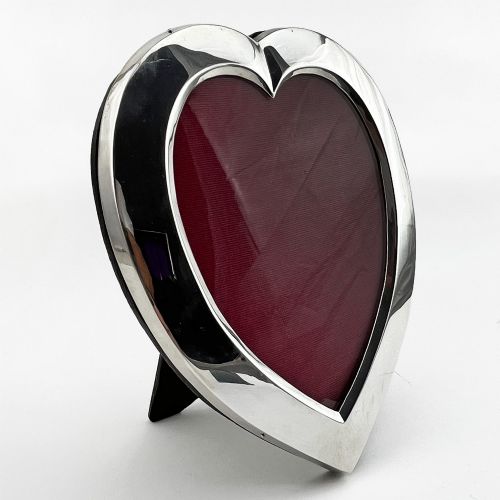
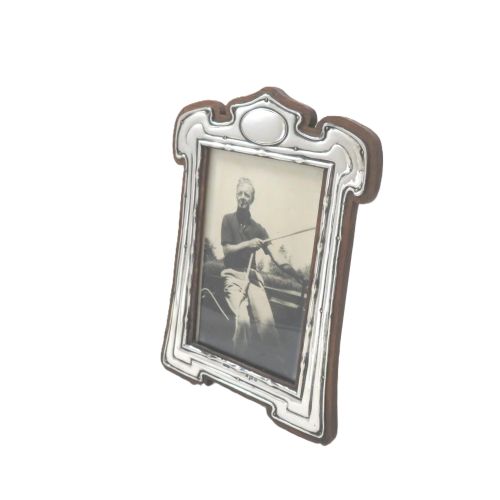
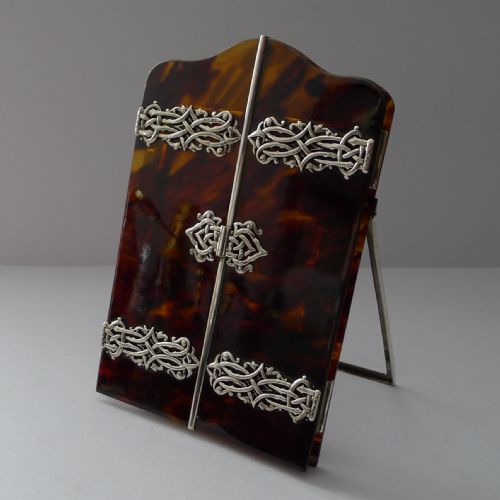
When you search for an antique picture easel, you encounter a range of forms designed to support paintings, photographs and frames. The examples seen here stretch from small tabletop display pieces to large floor standing studio models.
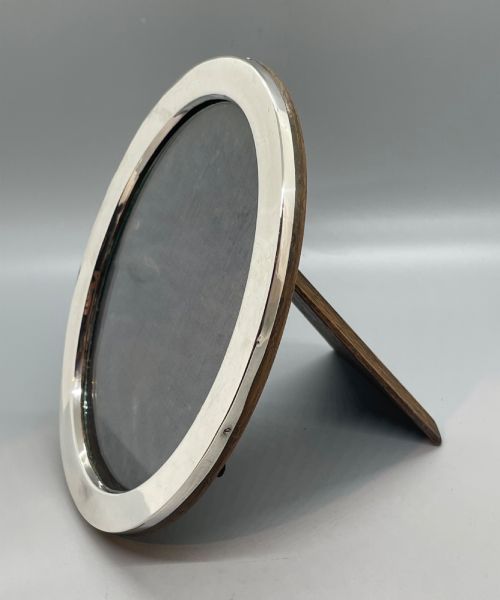
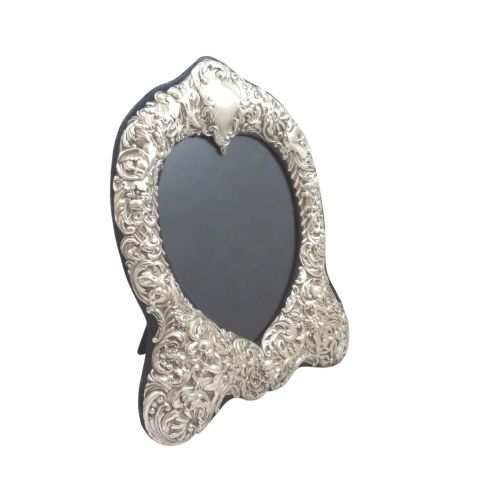
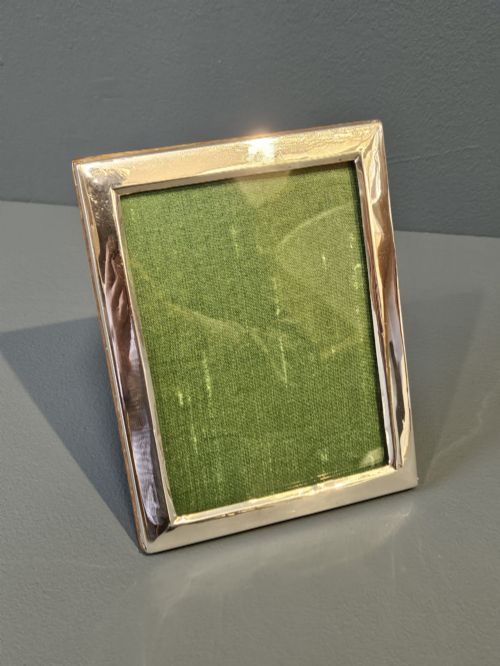
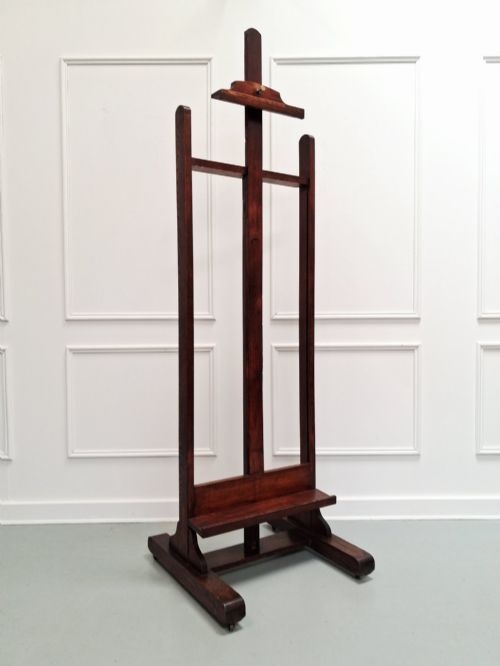
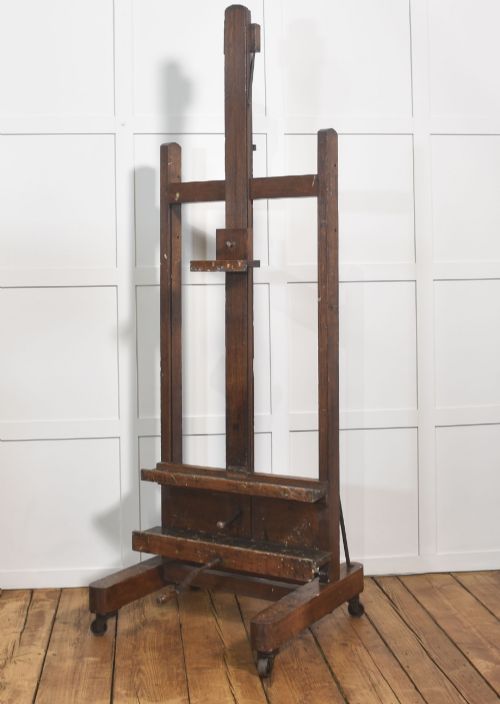
The pieces on this page span the Victorian and Edwardian eras through to the Art Deco period, utilising timber, metal and brass. Tabletop versions in oak and mahogany appear alongside larger studio stands.
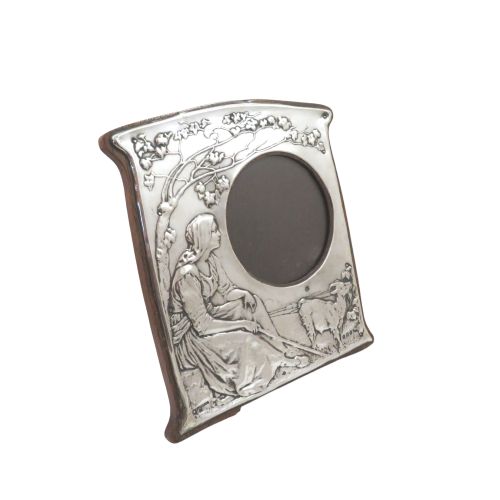
Makers produced these stands in various styles, including Art Nouveau and Aesthetic Movement, alongside simpler utilitarian designs for artists and display.
How they were made
Makers utilised solid timbers such as oak, mahogany, beech and pitch pine for structural stability, often employing turned joints and adjustable mechanisms. Wood pieces frequently feature carved decoration or plain polished surfaces.
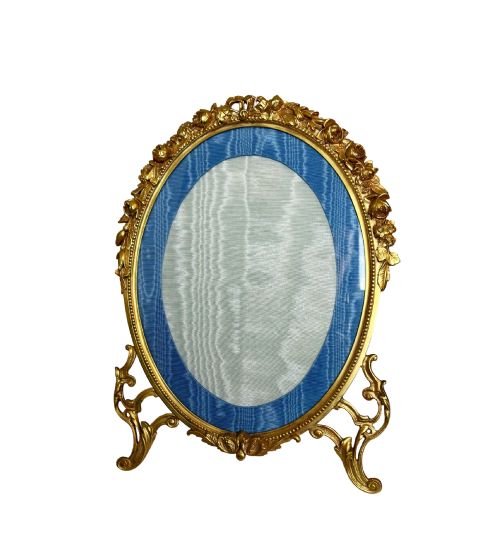
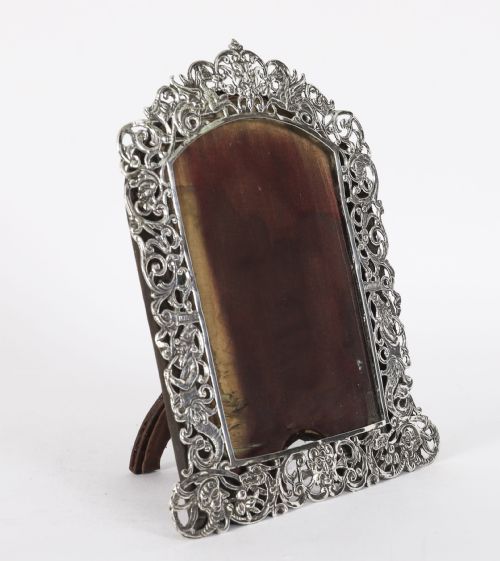
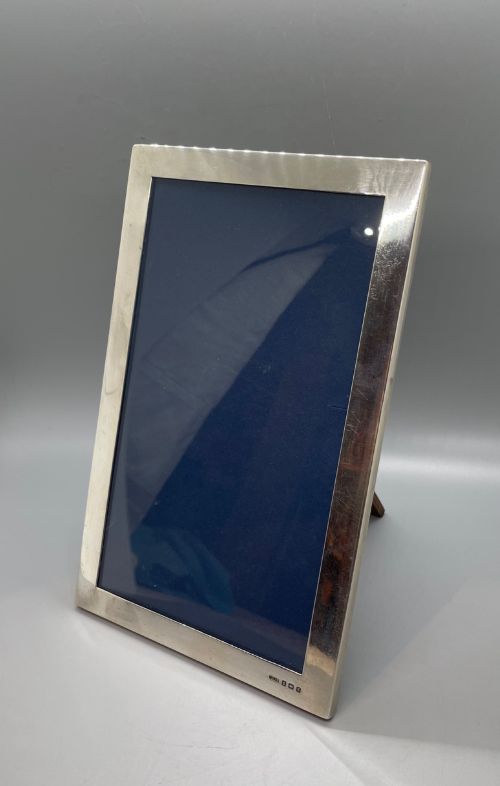
Metal versions incorporate sterling silver, brass and gilt bronze, utilising casting and embossing techniques to create decorative frames and display stands backed by wood or velvet.
What varies in quality
Quality rests in the precision of the joinery on wooden frames and the crispness of the chasing on metal mounts. Superior pieces retain fully functioning adjustable mechanisms and original backs.
The choice of dense hardwoods like mahogany or oak, combined with thoughtful carving or clean silversmithing, separates utilitarian items from finer decorative examples.
Rosenthal Jacob And Co·William Comyns·Mappin Bros·Winsor And Newton
The Antique Picture Easel Glossary
- Studio easel
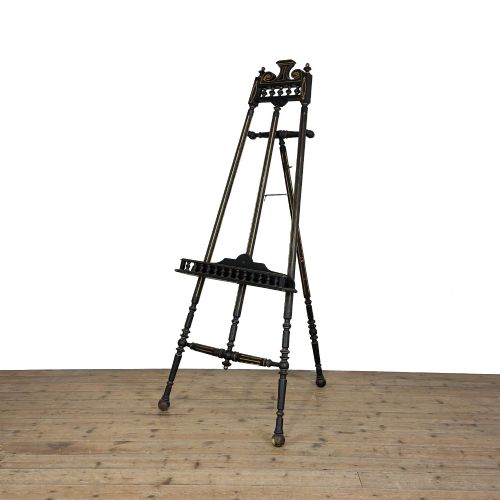
- A large floor-standing wooden frame used by artists to hold canvases while painting. These pieces offer adjustable height mechanisms and sturdy bracing bases.
- Tabletop easel
- A scaled-down stand designed to sit on a desk or table for displaying pictures or books. They often feature folding struts for easy angle adjustment.
- Ebonised
- Wood treated to imitate ebony through a staining and polishing process. This finish appears frequently on Victorian pieces.
- Strut
- A rear support leg hinged to the back of a frame or easel to hold it upright. These often fold flat when not in use.
- Gilt bronze
- Metal cast and coated with a layer of gold to give a rich, reflective surface. It appears on decorative frames from the nineteenth century.
Antique Picture Easel: Frequently Asked Questions
What is an antique picture easel used for?
These pieces serve to support paintings, photographs, and decorative frames on desks, tables, or studio floors.
They allow owners to display artwork at a comfortable viewing angle without hanging items directly on a wall.
How do I identify the period of an easel?
Dating relies on stylistic clues like carved motifs, wood types, and metal hallmarks. Victorian and Edwardian examples often feature heavier timber or detailed silver mounts.
Later pieces from the Art Deco era tend towards cleaner lines and geometric forms.
Are these easels suitable for heavy paintings?
Large floor-standing studio models in oak or mahogany handle substantial canvases securely. Tabletop versions suit smaller framed photographs and light pictures.
Checking the adjustment mechanism ensures the support holds weight safely.
What materials are common in these pieces?
Wood is the primary material, with oak, mahogany, beech, and pitch pine appearing frequently. Metal stands incorporate sterling silver, brass, and gilt bronze.
Some designs combine timber frames with velvet or glass backing.