

Vintage Painting Display Stand
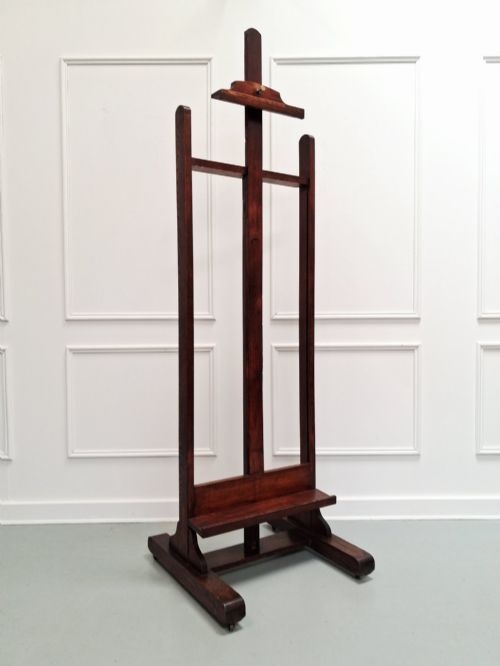
A vintage painting display stand brings both practical support and period presence to canvases, photographs and panels.
Vintage Painting Display Stand
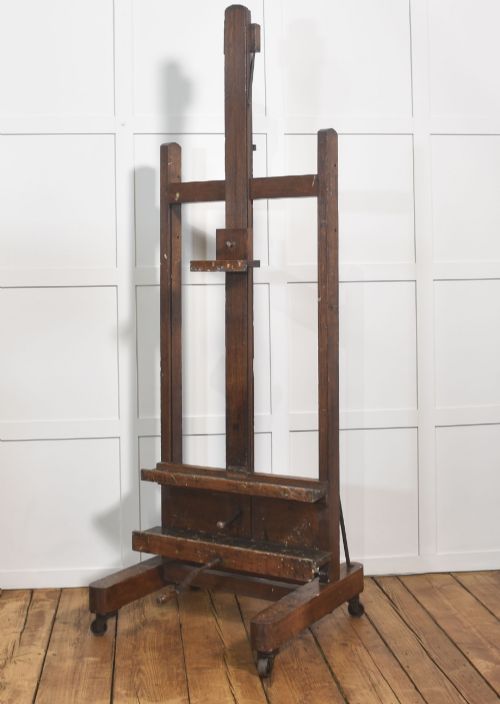
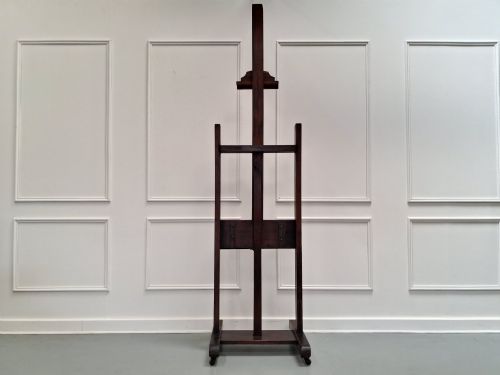
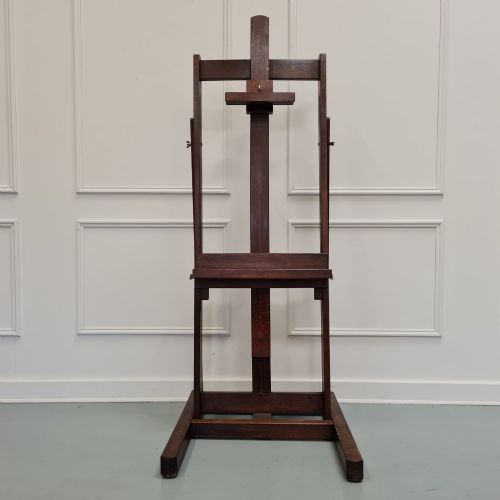
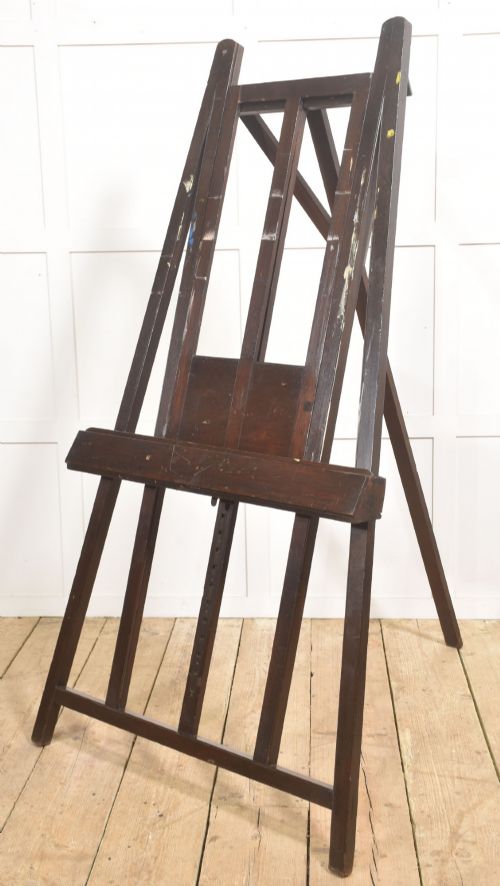
A vintage painting display stand comprises sturdy studio models and smaller tabletop versions designed to hold framed artworks securely.
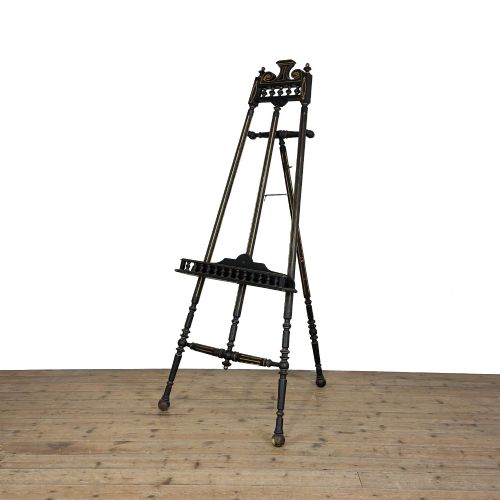
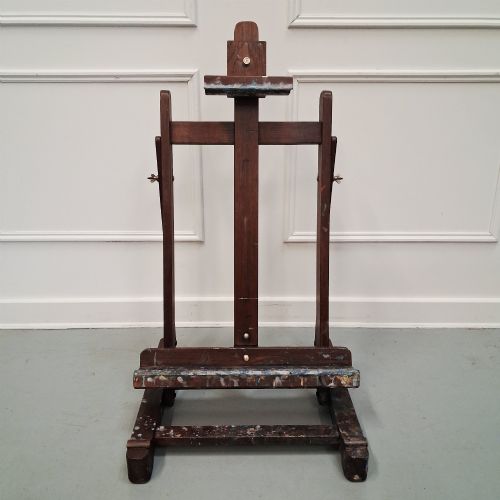
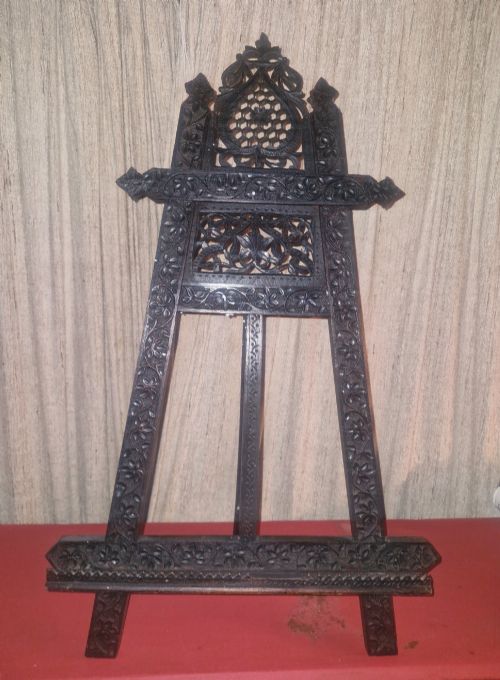
The selection ranges from large nineteenth-century oak and mahogany studio easels to delicate carved wooden or wrought iron display pieces spanning the Edwardian and Victorian eras.
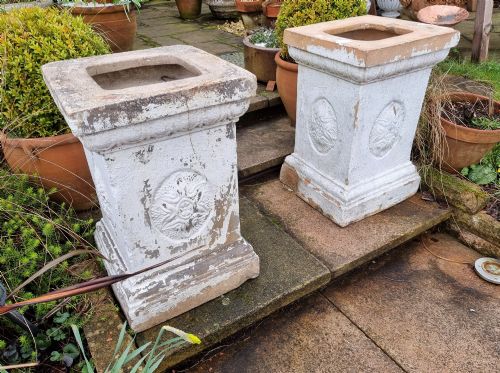
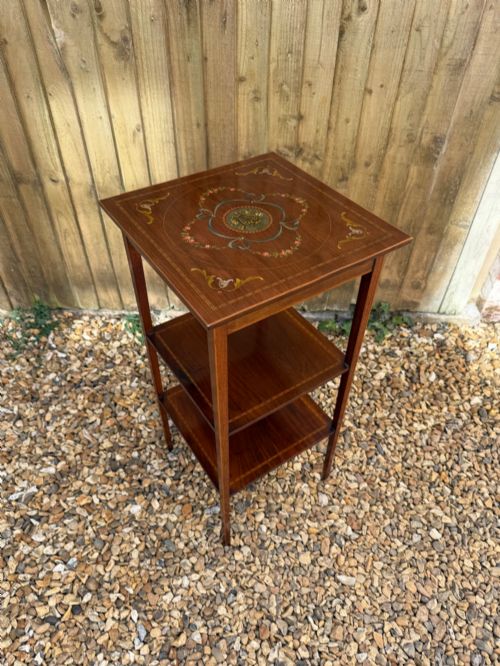
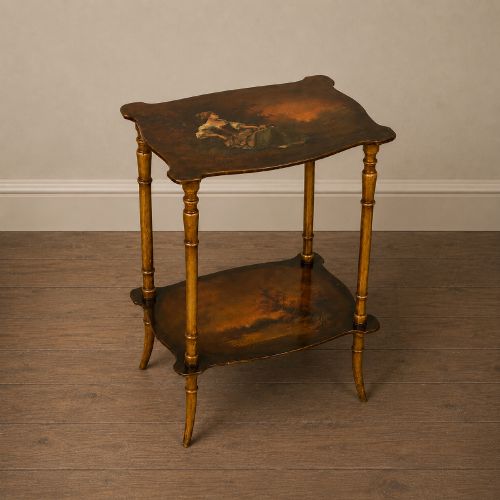
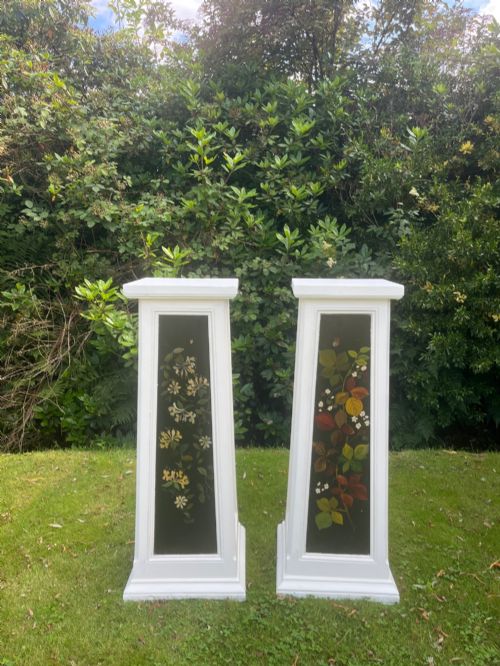
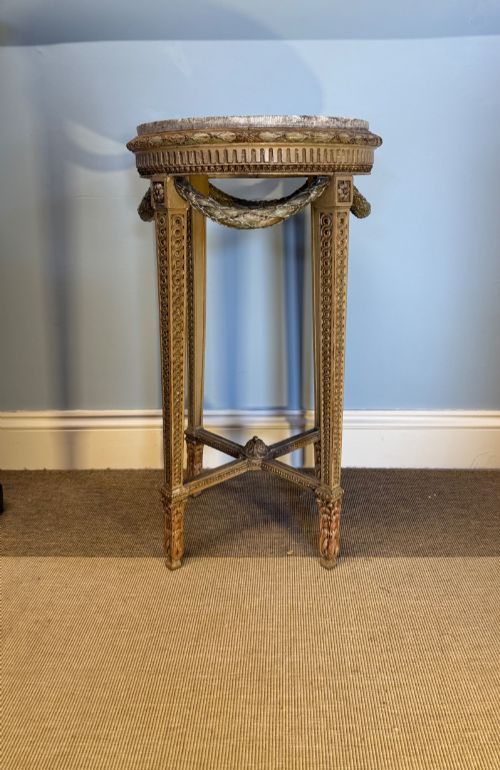
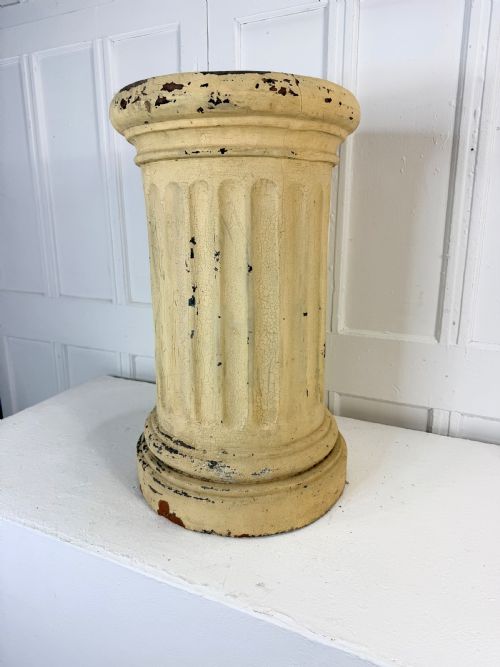
Beyond traditional floor-standing and tabletop easels, the category includes painted pedestals, plant stands and display columns utilised for presenting pictures and decorative objects.
How they were made
Craftsmen built these stands predominantly from solid timbers such as oak, mahogany, pitch pine and walnut, frequently incorporating carved decorative details or ebonised finishes.
Metal elements also feature prominently, with wrought iron and cast iron providing robust structural support for heavy studio easels and decorative plant stands.
Many examples showcase surface treatments including hand paint, gilt highlights, French polishing and intricate veneer work such as ivory inlay.
The listings feature oak, mahogany, wrought iron and brass across nineteenth-century and early twentieth-century eras.
What varies in quality
The sophistication of the timber selection and the intricacy of the carving establish the baseline distinction between standard utility items and finer decorative pieces.
Mechanical complexity defines the better studio examples, particularly fully adjustable framing mechanisms and double-sided gallery designs that require precise engineering.
The harmony of surface decoration, from painted French country finishes to polished veneers and gilt details, elevates the visual presence of the individual stand.
Dunfermline Clay Company·Marguerite
The Vintage Painting Display Stand Glossary
- Easel
- A freestanding upright support used for holding and displaying a painting or drawing. These range from heavy studio versions to lightweight tabletop display models.
- Pedestal
- An architectural support or column used to elevate a bust, sculpture or display stand. Examples in the collection feature wood, terracotta, plaster and faux marble.
- Etagere
- A piece of furniture consisting of a set of open shelves for displaying small objects. Continental and painted versions appear frequently alongside standard display stands.
- Gallery easel
- A specialised display stand featuring a raised retaining rail or ledge designed to secure framed artwork safely. Double-sided variations allow simultaneous viewing from multiple angles.
- Vernis Martin
- A type of simulated Japanese lacquer developed in eighteenth-century France and emulated later. This glossy finish appears on fine pedestals and cabinets.
Vintage Painting Display Stand: Frequently Asked Questions
What is a vintage painting display stand?
A vintage painting display stand is a functional support designed to showcase artworks securely in domestic or studio settings.
These pieces encompass floor-standing studio easels, adjustable wooden display frames and decorative tabletop stands from the nineteenth and early twentieth centuries.
How were these stands used?
Artists utilised large studio easels to hold canvases at a convenient working height while painting or exhibiting finished works.
Smaller tabletop easels and decorative columns served primarily to display framed pictures, porcelain and sculptural objects within period interiors.
How do I style a display stand at home?
You can position a floor-standing easel in a corner or focal point to hold a favourite framed canvas, print or mirror.
Tabletop versions work well on side tables, cabinets or desks to feature smaller artworks or photographs without requiring wall fixings.
How do I identify the period of an easel?
Dating relies on examining the construction methods, wood types, hardware and stylistic movements associated with the piece.
Victorian and Edwardian examples often feature turned wooden columns, wrought iron bracing or Aesthetic Movement detailing that reflects the design trends of their era.