

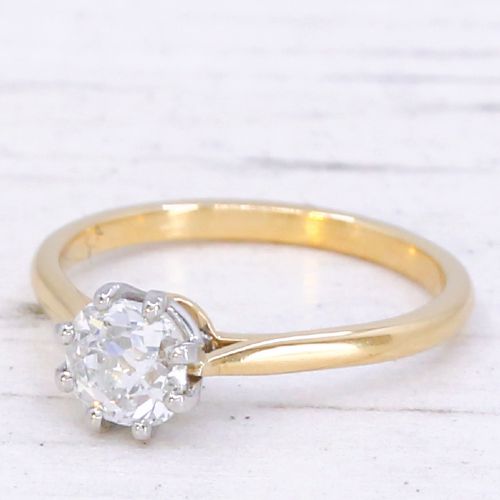


Edwardian Diamond Solitaire
The edwardian diamond solitaire brings together hand-cut stones and delicate precious metal mountings that catch the candle or gas light.
Edwardian Diamond Solitaire
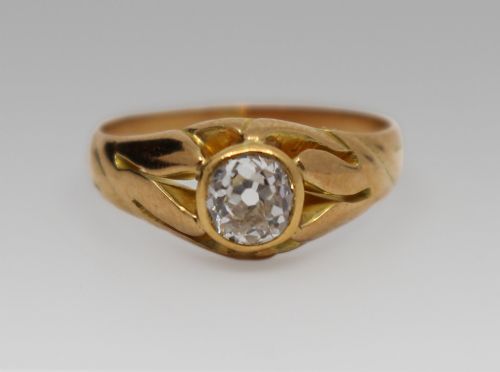
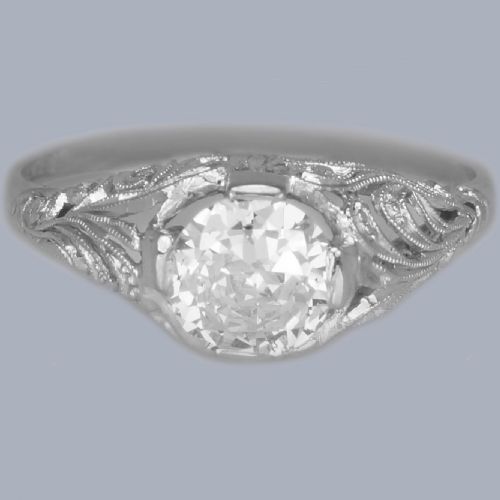
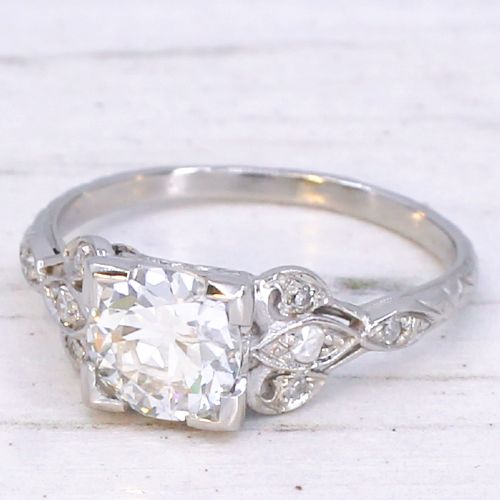
An edwardian diamond solitaire centres on a single prominent stone mounted on a slender band designed to draw the eye entirely to the gem. Most examples found here originate from the early twentieth century, spanning the late Victorian transition through to the Art Deco period.
Engagement rings form the majority of the surviving pieces, though earrings and pendants also appear across the selection. The mounting typically elevates the stone using minimal metalwork to maximise light entry from every possible angle.
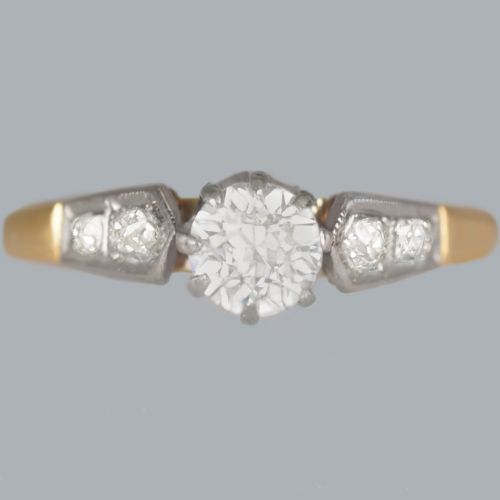
The aesthetic prioritises lightness and grace over the heavier settings of the nineteenth century. Platinum heads frequently combine with yellow or white gold shanks, providing a secure and bright white frame for the central diamond.
How They Were Made
Goldsmiths utilised a combination of durable platinum and traditional gold alloys to construct these delicate mountings. Platinum gained widespread favour during this era because its strength allowed artisans to form thin, intricate claws and collets that held stones securely without bulk.
Stones were shaped entirely by hand using older cutting styles rather than modern automated machinery. This technique resulted in distinctive facets that produce a softer, warmer glow under ambient lighting rather than the brilliant modern flash.
Edwardian Diamond Solitaire Retail Price Guide 2026
Typical asking prices for edwardian diamond solitaire among the pieces listed under this phrase on Sellingantiques today, from the lower quarter to the upper quarter. They describe what is for sale here now, not the wider market.
Listings feature yellow gold, white gold, and platinum, frequently paired within a single mount to showcase the central diamond.
What Varies In Quality
The brilliance of the central gem depends heavily upon the precision of the hand-cutting and the natural clarity of the material. Stones with higher colour grades and fewer internal inclusions command greater attention, though the charm of the piece often rests on the harmony between the diamond and its handmade setting.
Craftsmanship in the metalwork marks the dividing line between standard workshop output and exceptional bench work. Fine millgraining, perfectly aligned claws, and robust yet slender shanks indicate the hand of a skilled jeweller.
The Edwardian Diamond Solitaire Glossary
- Old European Cut
- A round diamond cut popular during the late nineteenth and early twentieth centuries featuring a small table, high crown, and large culet. This geometry produces deep, broad flashes of light.
- Solitaire
- A piece of jewellery featuring a single mounted gemstone. In rings, this design focuses visual weight entirely on the central diamond.
- Platinum
- A dense, silvery-white precious metal prized in early twentieth-century jewellery for its exceptional tensile strength. It permitted the creation of whisper-thin settings that securely held precious stones.
Edwardian Diamond Solitaire: Frequently Asked Questions
How do I care for an edwardian diamond solitaire?
Clean the piece gently using warm water, mild soap, and a soft brush to remove everyday oils from beneath the setting. Avoid harsh chemical dips, which can harm older metals and delicate prongs.
Have a professional jeweller inspect the claws periodically to ensure the stone remains firmly seated. Regular checks prevent accidental loss given the delicate nature of early settings.
Were these rings always used for engagements?
While the single-stone ring became the quintessential symbol for betrothal during the early twentieth century, similar designs served as personal gifts and fashion accessories. Recipients wore them across various fingers depending on personal custom and social standing.
The survival of engagement inscriptions inside some bands confirms their primary romantic role. Surviving receipts and fitted boxes occasionally document their original presentation.
How can I tell an original edwardian ring from a reproduction?
Examine the metalwork under magnification for signs of hand fabrication, such as subtle asymmetries in the piercing and hand-cut claw work. Modern reproductions often display the uniform perfection associated with cast manufacturing and laser cutting.
The wear patterns on the underside of the shank and the specific characteristics of the old cut diamond provide further clues to period authenticity. Hallmarks stamped inside the band also help verify the period of manufacture.
Can I wear an edwardian diamond solitaire every day?
Platinum and gold mountings from this era were built for daily wear, but their delicate proportions require a degree of mindfulness. Take the ring off during heavy manual tasks to protect the slender shank and fine claws from undue stress.
Storing the piece in a dedicated fabric-lined box when not on the hand prevents scratches from other items. Proper maintenance ensures these fragile mountings endure for generations to come.